LOCAL
Victoria monument will honour Japanese Canadians interned during war


Victoria to Unveil Monument Honoring Japanese Canadians Interned During WWII
The new monument will feature a wall inscribed with the names of 22,000 Japanese Canadians affected by wartime internment.
- A monument will be constructed behind St. Ann’s Academy in Victoria, Canada.
- It will honor the 22,000 Japanese Canadians interned during World War II.
- The project aims to acknowledge and remember the injustices faced by this community.
Victoria, Canada, is set to honor the legacy of Japanese Canadians who were interned during World War II with the construction of a new monument. The memorial will be located behind St. Ann’s Academy and will feature a wall inscribed with the names of 22,000 individuals affected by this dark chapter in Canadian history.
The initiative seeks to recognize the injustices faced by Japanese Canadians, many of whom were forcibly relocated and detained during the war. This monument serves as a reminder of the resilience and contributions of the community despite the challenges they encountered.
Local officials and community leaders have expressed their support for the project, emphasizing its importance in fostering understanding and reconciliation. The monument is expected to become a significant site for reflection and education regarding the historical treatment of Japanese Canadians.
Construction details and a timeline for the unveiling of the monument have yet to be announced. The project is part of broader efforts to acknowledge and address historical injustices in Canada.





HEALTH
Coquihalla Highway Reopens Near Merritt Following Morning Crash That Injured Four
The Coquihalla Highway north of Merritt has reopened following a Saturday morning vehicle crash that resulted in four people being taken to the hospital.


Traffic Resumes Following Serious Morning Incident
Four people were hospitalized, including three in critical condition, after a motor vehicle incident occurred north of Merritt on Saturday morning, October 17.
DriveBC reported that the Coquihalla Highway was reopened in both directions from Exit 290 to Exit 315 at approximately 4:00 p.m., following the earlier closure.
Emergency Responders Deploy Air Ambulances
BC Emergency Health Services dispatched multiple resources after receiving a call at approximately 8:35 a.m. The response included two air ambulances, three primary care paramedic ambulances, one advanced care paramedic ambulance, and a paramedic supervisor.
According to BCEHS, crews provided emergency medical care at the scene. Two of the three critically injured patients were flown to the hospital via air ambulance, while a fourth patient was taken to the hospital in stable condition.
BC STORIES
Why a B.C. Thai Spot Just Made North American Culinary History
Richmond’s Baan Lao Fine Thai Cuisine becomes the first Canadian establishment named North America’s Best Restaurant by the World Culinary Awards.
Historical Recognition for Canadian Dining
For the first time since the inception of the World Culinary Awards, a Canadian establishment has been selected as the top dining destination in North America. Baan Lao Fine Thai Cuisine, located in Richmond, B.C., earned the title of North America’s Best Restaurant, finishing ahead of 22 other Canadian nominees and 18 competitors from the United States.
Continued Success for Richmond Establishment
The win marks a milestone for the region, as all six prior winners of the continental award were located in the United States, including double winners Le Bernardin in New York and The French Laundry in California. In addition to taking the North American crown, Baan Lao was chosen as Canada’s top restaurant for the third consecutive year.
Award Background and Menu Details
Baan Lao opened its doors in 2021 and features “Royal Thai tasting menus with individually plated courses.” The World Culinary Awards were established in 2020. Winners are chosen through a weighted voting process involving both members of the public and registered professionals from the culinary industry.
LOCAL
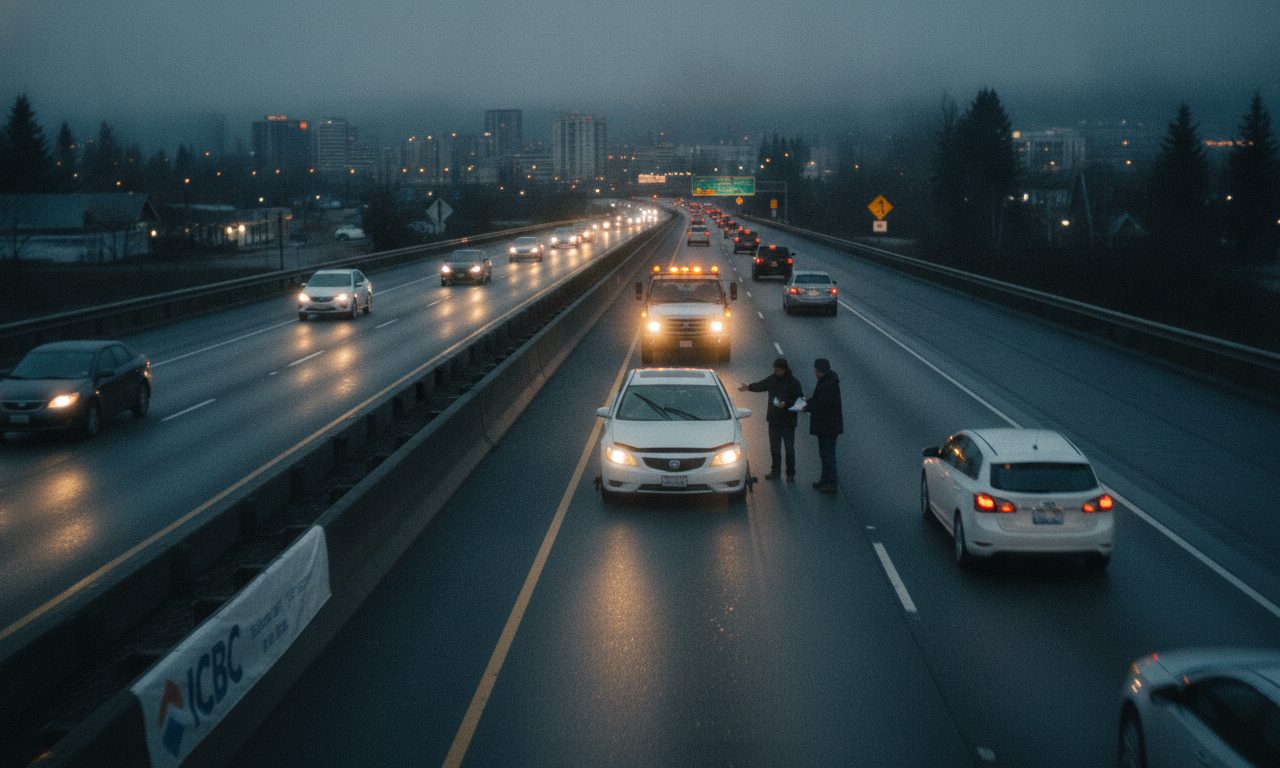
What a Proposed ICBC Hybrid System Could Mean for B.C. Drivers
B.C. Conservative MLA Ward Stamer discusses proposed ICBC auto insurance reforms, private competition options, and local driver impacts in British Columbia.
Kamloops Candidate Supports Public Option Alongside Market Competition
B.C. Conservative candidate Ward Stamer says he wants to keep the majority of auto insurance coverage under ICBC, even as his party outlines plans to introduce private market competition. Stamer, the incumbent MLA for Kamloops-North Thompson, noted that while he lacks full details on how private insurers would fit into the system, he hopes most coverage stays with the public provider while giving residents more choices.
The proposed hybrid model would open certain segments of the auto insurance market to private companies while maintaining ICBC as a public option. Additionally, the plan would allow individuals with serious injuries to sue for compensation through the legal system, which Conservatives say preserves most litigation-related savings while offering fuller recovery options for victims.
Debate Over Rates and System Implementation
Addressing potential risks, Stamer expressed that private insurers should not be allowed to “cherry-picking” low-risk drivers and leave remaining motorists with fewer alternatives. He acknowledged mixed outcomes in other public-private jurisdictions, noting costs increased in some places, but felt confident a better model can be designed for B.C. “I don’t know all the details, and once we’re government, we’ll be able to iron out those details, but many people are very upset with the no-fault insurance,” he said.
The proposal drew scrutiny during the campaign following a letter sent by B.C. Conservative Leader Lorne Doerkson to legal and insurance groups, mentioning that replacing no-fault coverage and opening competition were under consideration. The NDP criticized the letter as a “secret” plan that could potentially double insurance premiums. Stamer dismissed claims of a hidden agenda, stating, “When the NDP calls it a secret, it wasn’t a secret. It was put out into the public.” He added that NDP warnings about doubled insurance rates are exaggerated.
Your Current 3 Day Forecast — October 23, 2026

Vancouver Canucks Honour Beloved Broadcaster John ‘Cheech’ Garrett During Home Game

Why B.C. Lions Starters Are Resting as the Regular Season Concludes Against Winnipeg

How Minor Parties and Strategic Balloting Could Shift the Upcoming B.C. Election

Why Alberta’s Government Is Ruling Out Future Separation Votes

BC Conservatives Promise Forestry Overhaul to Revive Jobs as NDP Points to Millions in Existing Investment

Opinion: John Rustad Has to Go

B.C. Supreme Court Grants Cowichan Tribes Title to Historic Richmond Lands and Fishing Rights

Vancouver Canucks Gear Up for a Make-or-Break 2025–26 Season

BC Ferries Sparks Outcry Over Contract with Chinese Shipyard

Kamloops Blazers Announce Off-Season Changes Ahead of 2025–26 Season

A Taste of Autumn: Fall Okanagan Wine Festival 2025
-

 BC STORIES5 days ago
Grassroots Effort and Digital Content Help Deliver Strong Election Finish for Young Candidates
-
BC STORIES7 days ago
Why a Major Political Shift is Shaking Up the B.C. Provincial Election Final Weekend
-

 NATIONAL STORIES7 days ago
Why Albertans Are Heading to the Polls on the Question of Canadian Unity
-
NATIONAL STORIES7 days ago
High-Wage Workers Set to Receive Extra Express Entry Points Under New Policy Changes
-

 NATIONAL STORIES6 days ago
Decades of Western Alienation Lead Albertans to Referendum on Canada’s Future
-
 COMMUNITY6 days ago
Are You Ready for Winter Driving? Test Your Knowledge as Cold Weather Approaches
-
 PUBLIC SAFETY6 days ago
U.S. Grand Jury Formally Charges Alleged Accomplice in Fatal Tumbler Ridge School Shooting
-
 BC STORIES6 days ago
Help Document Clayoquot Sound’s History by Sharing Your Mining Artifacts