BC STORIES
Why B.C. Could Face a Snap Election as Conservative Caucus Shrinks
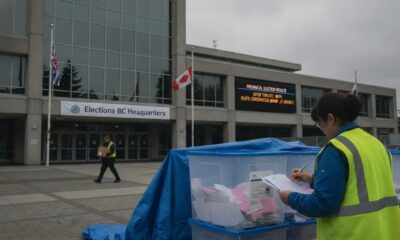
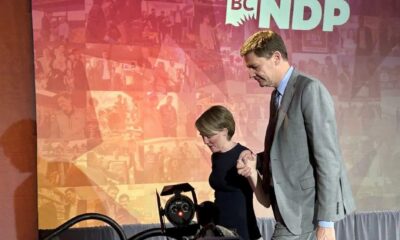
Premier David Eby declines to rule out a B.C. snap election as 14 MLAs leave the B.C. Conservative caucus ahead of the Sept. 26 Abbotsford-Mission byelection.


Premier Addresses Election Speculation and Opposition Turnover
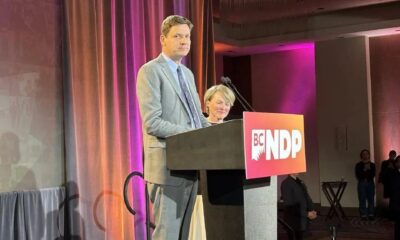
Premier David Eby declined to offer a definitive answer when asked if British Columbians could be headed to the polls early, following a wave of departures from the B.C. Conservative caucus. Speaking at a press conference in Burnaby on Tuesday, Sept. 1, Eby was asked directly for a yes-or-no commitment on calling a snap election. Instead of giving a clear stance, he stated that his administration is preparing for the upcoming fall legislative session and noted that the opposition party is experiencing substantial internal turmoil.
Eby emphasized that the government’s primary focus remains on serving the public. Meanwhile, the B.C. Conservative caucus has seen its numbers fall significantly. After electing 44 MLAs in 2024, the party has lost 14 members, including seven who departed in August citing issues regarding newly appointed Leader Kerry-Lynne Findlay.
Abbotsford-Mission Byelection Scheduled for Sept. 26
Among those who left the Conservative fold is former Abbotsford-Mission MLA Reann Gasper, who stepped down from her seat on Aug. 22 to clear a path for Findlay to run. Eby officially called the byelection for that riding on Aug. 29, setting election day for Saturday, Sept. 26. Addressing the race on Tuesday, Eby criticized Gasper’s tenure, stating she bluntly and completely failed her constituents during her time in office. He added that he moved quickly to schedule the vote because local residents deserve dedicated representation.
The race in Abbotsford-Mission will feature NDP candidate Pam Alexis running against Findlay. Alexis previously represented the area and served as the minister of agriculture and food, in addition to being a former mayor of Mission. Although Gasper won the seat over Alexis in the 2024 general election following a redrawing of riding boundaries, Alexis is returning to contest the seat for the governing party.




BC STORIES
Why the Early Election Gamble Backfired on the NDP
The B.C. Conservative Party is set to claim two-thirds of legislative seats after David Eby’s snap election call backfired, leaving the NDP seeking new leadership.

Voters Deliver Decisive Result in 2026 Snap Vote
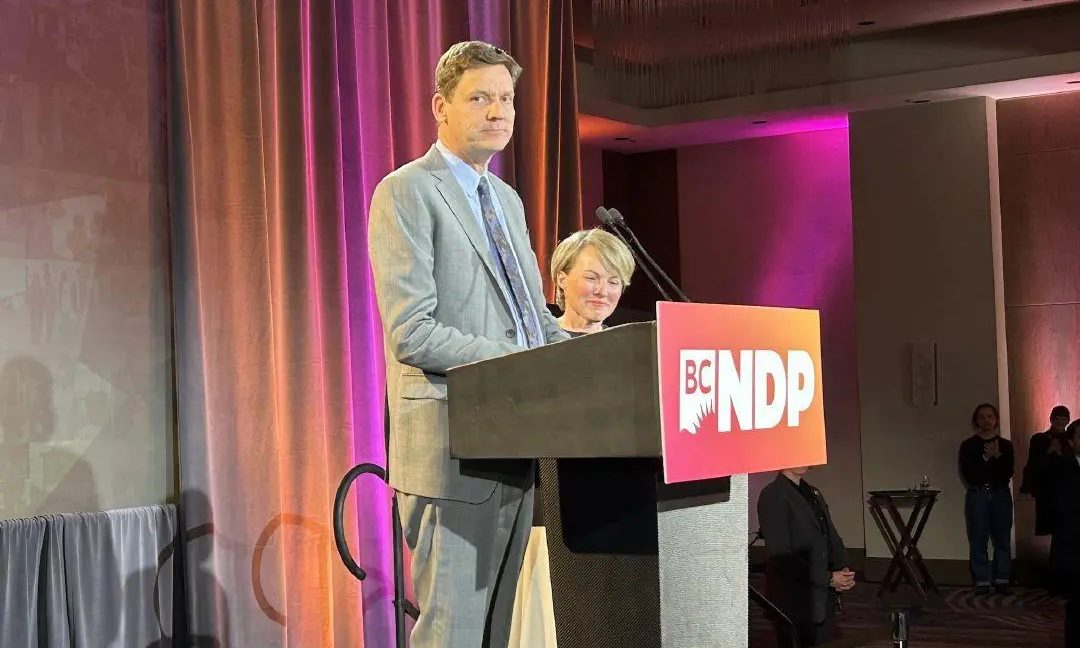
Following the outcome of British Columbia’s 2026 snap election, the Conservative Party of B.C. is set to capture two-thirds of the seats in the legislature, leaving the NDP searching for a new party leader. Outgoing Premier David Eby initiated the vote two years ahead of schedule, citing the need for a fresh mandate to confront U.S. trade challenges while also seeking to capitalize on internal Conservative divisions.
However, the early vote call drew criticism from within his own party. NDP MLA Ravi Parmar, who won a tight contest in Langford-Highlands, stated that electors sent a clear signal that the early election was a mistake. According to Parmar, the party spent the campaign defending the timing of the vote rather than promoting its platform, which severely hurt their leadership.
Record-Low Voter Turnout and Campaign Missteps
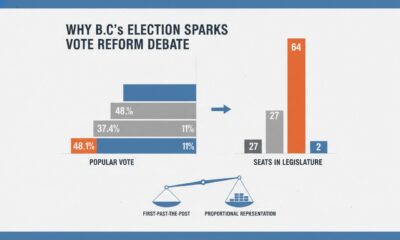
Preliminary figures indicate voter participation dropped to just over 48 per cent. Total votes fell for both major parties compared to 2024, with Conservatives dropping by approximately 50,000 votes and the NDP seeing a decline of about 275,000. Mario Canseco of polling firm Research Co. pointed to poor messaging and rainy weather as factors, noting that Eby’s campaign remained focused on attacking former Conservative leader Kerry-Lynne Findlay, even though she had resigned two days prior to the election call.
Canseco noted that voters perceived interim Conservative leader Lorne Doerkson as a steady presence, making the NDP’s warnings of party instability ineffective. Late-campaign efforts by Eby to draw Green Party voters to the NDP also proved insufficient, as calculations showed the Conservatives would have won even if all Green supporters had shifted their ballots.
Analysis of a Political Miscalculation
Political science lecturer Stewart Prest from the University of British Columbia described the early call as a major political blunder and an own goal driven by partisan hubris. He noted that Eby ran a negative campaign that ultimately failed to resonate with the public.
Former Conservative leader John Rustad attributed his party’s victory to public dissatisfaction with the opportunistic timing of the election. Rustad, who became the party’s sole MLA in 2023 before leading them close to victory in 2024, said voters have used the past two years to become more comfortable with the Conservatives, who have not governed the province in a century.
Campaign consultant Mike McKinnon, who advised calling the snap election to secure a stronger mandate for trade negotiations, admitted the decision proved far more damaging than anticipated. Unlike the 2020 early election under John Horgan, where public frustration quickly faded, McKinnon acknowledged that Eby remained stuck defending the decision throughout the entire campaign.
BC STORIES
Why Fake Signs Targeted a Small Green Party Campaign on B.C. Election Eve
Green Party candidate Tim Binnema reported 100 to 200 fake election signs in Surrey-Fleetwood to Elections BC on the eve of the B.C. provincial election.
Unauthorized Signage Reported in Surrey-Fleetwood
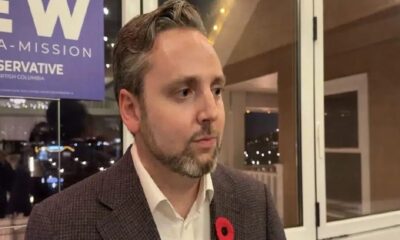
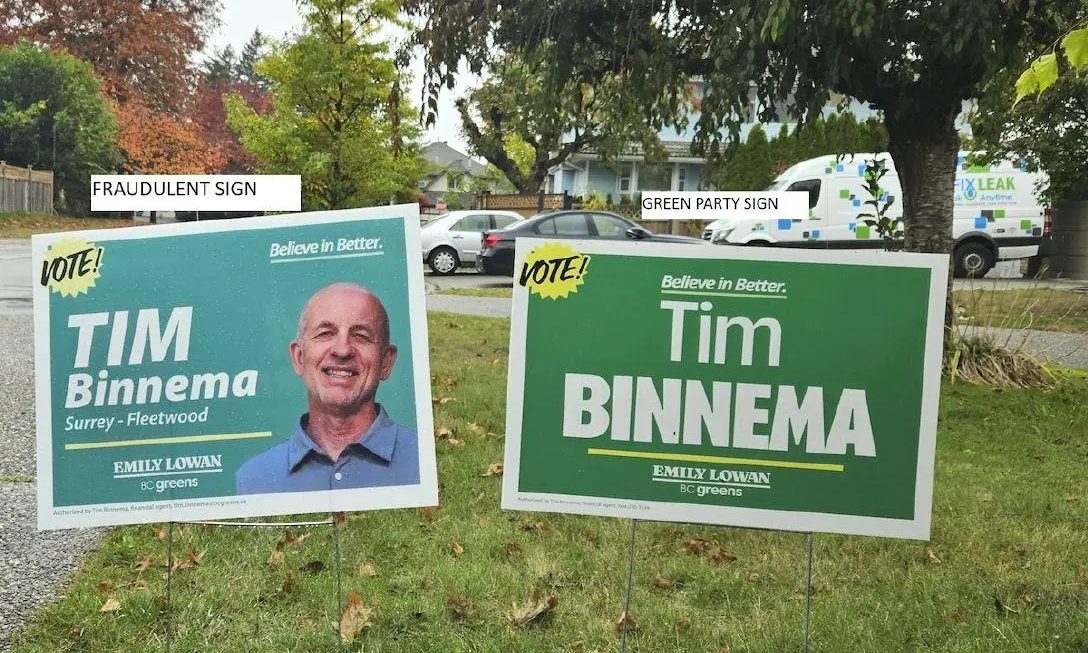
Elections BC has been notified after between 100 and 200 unauthorized election signs appeared in Surrey-Fleetwood on the eve of the provincial vote. Green Party candidate Tim Binnema discovered the unauthorized material featuring his name and face on Oct. 23, the day before final voting ended.
Binnema, a manager at an engineering firm, noted that the signs contained key discrepancies compared to his official campaign materials. Unlike his legitimate signage, the unauthorized placards displayed his photo, which appeared to be taken directly from his campaign website. The signs also featured an incorrect shade of green and falsely claimed to be authorized by his financial agent.
Potential Vote-Splitting Tactics
The unauthorized placards were discovered near third-party political signs around Surrey and Fleetwood, particularly near 152nd Street and 96th Avenue. Binnema observed that his fake signs were positioned alongside materials expressing opposition to the government, such as “Vote NDP out” and “Why a snap election?” signs, suggesting a deliberate placement pattern.
The riding outcome saw Conservative candidate Garry Purewal secure victory with 8,691 votes, defeating NDP incumbent Jagrup Brar, who received 6,522 votes. Binnema finished in third place with 1,030 votes at the latest tally.
“It was shocking, to tell you the truth. When I turned around the corner and saw my mug (on signs), I thought, ‘Oh my goodness, how did this happen?’” Binnema said, adding that he ran a modest campaign with few signs and feels a responsibility to clear the fraudulent materials.
BC STORIES
Why the Conservatives’ Majority Win in Kelowna-Mission Signals Big Changes for Local Healthcare and Economy
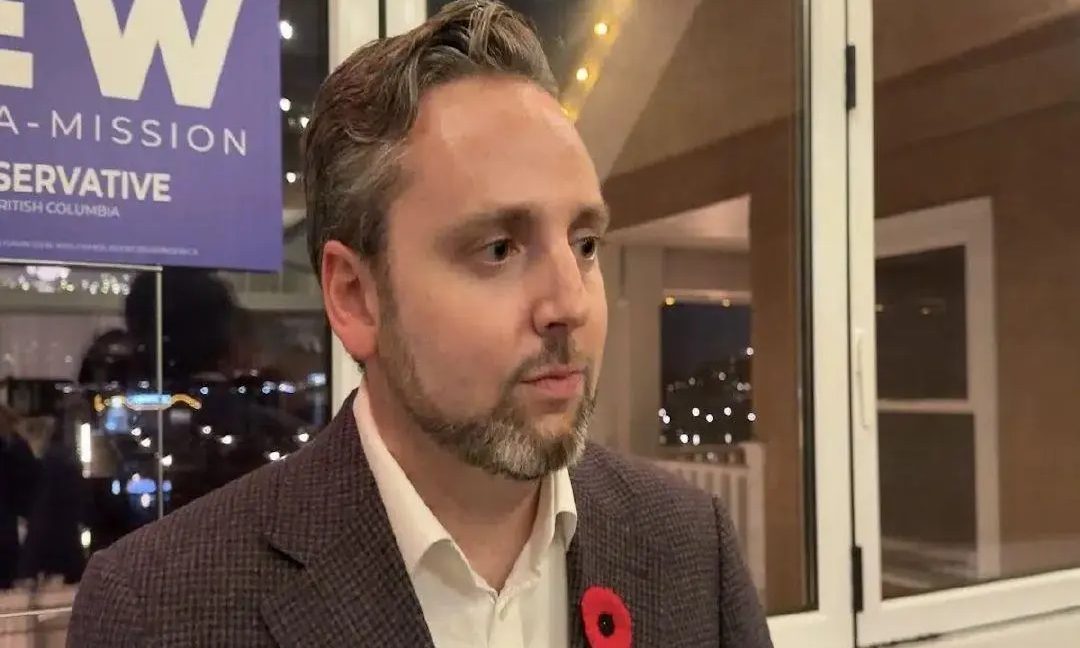
Conservative Gavin Dew wins re-election in Kelowna-Mission as his party secures a majority government in B.C., promising action on healthcare and jobs.
Big Blue Wave Ends Nearly a Decade of NDP Rule
Voters in Kelowna-Mission have chosen incumbent Gavin Dew to return as their MLA, helping propel the Conservative Party to a landslide majority victory across British Columbia on Oct. 24. Over one million voters participated in the election, effectively ending nine years of NDP governance under Premier David Eby, whose decision to call an early fall election backfired.
Dew, who secured nearly 60 per cent of the vote in his riding after first being elected in 2024, celebrated the result alongside family and supporters. He attributed the party’s rapid integration and strong campaign performance to leader Lorne Doerkson, who is projected to become the province’s next premier.
Local Priorities and Economic Focus
With the Conservatives moving from opposition into government, Dew emphasized that his focus will pivot toward delivering tangible improvements. His key local agenda includes opening unused spaces at Kelowna General Hospital, expanding mandatory care programs at Oliver’s Okanagan Correctional Centre, advancing regional transportation projects, and boosting overall economic recovery.
Addressing local economic pressures is a top priority, as Kelowna has recorded the highest unemployment rate among major Canadian cities for five consecutive months. Dew noted that a Conservative administration plans to target growth across key sectors such as tourism, housing, aerospace, and the local wine industry.
Preparing for Governance
Reflecting on the strong mandate received both locally and provincially, Dew expressed optimism as the new Conservative caucus prepares for its initial meetings. He indicated that transitioning into government will allow the party to take direct action on healthcare, public safety, and economic renewal for residents across the province.

Why the Early Election Gamble Backfired on the NDP

Why Fake Signs Targeted a Small Green Party Campaign on B.C. Election Eve

Why the Conservatives’ Majority Win in Kelowna-Mission Signals Big Changes for Local Healthcare and Economy

Why B.C.’s Latest Election Results Are Sparking Renewed Calls for Voting Reform
Your Current 3 Day Forecast — October 27, 2026
Why First Nations Leaders Are Gathering in Ottawa to Push Back on Fast-Tracked Resource Projects

Opinion: John Rustad Has to Go

B.C. Supreme Court Grants Cowichan Tribes Title to Historic Richmond Lands and Fishing Rights

Vancouver Canucks Gear Up for a Make-or-Break 2025–26 Season

BC Ferries Sparks Outcry Over Contract with Chinese Shipyard

Kamloops Blazers Announce Off-Season Changes Ahead of 2025–26 Season

A Taste of Autumn: Fall Okanagan Wine Festival 2025
-
 SPORTS5 days ago
Why B.C. Lions Starters Are Resting as the Regular Season Concludes Against Winnipeg
-
 BC STORIES5 days ago
BC Conservatives Promise Forestry Overhaul to Revive Jobs as NDP Points to Millions in Existing Investment
-
 OPINIONS5 days ago
How Minor Parties and Strategic Balloting Could Shift the Upcoming B.C. Election
-
 BC STORIES6 days ago
Police Seek Witnesses After Fatal Wrong-Way Collision Near Merritt
-
5 days ago
Your Current 3 Day Forecast — October 22, 2026
-
6 days ago
Your Current 3 Day Forecast — October 21, 2026
-
NATIONAL STORIES6 days ago
Highland Valley Copper Workers Could Strike Saturday as Union Issues Notice
-
 HEALTH6 days ago
Coquihalla Highway Reopens Near Merritt Following Morning Crash That Injured Four