BC STORIES
Why a 70-Year-Old Fire Hall Is Prompting Calls for Federal Emergency Funding
Barriere Fire Rescue needs up to $10 million for a new fire hall as MP Frank Caputo petitions Ottawa to include funding in the upcoming federal budget.

Aging Infrastructure Hits Barriere Emergency Operations
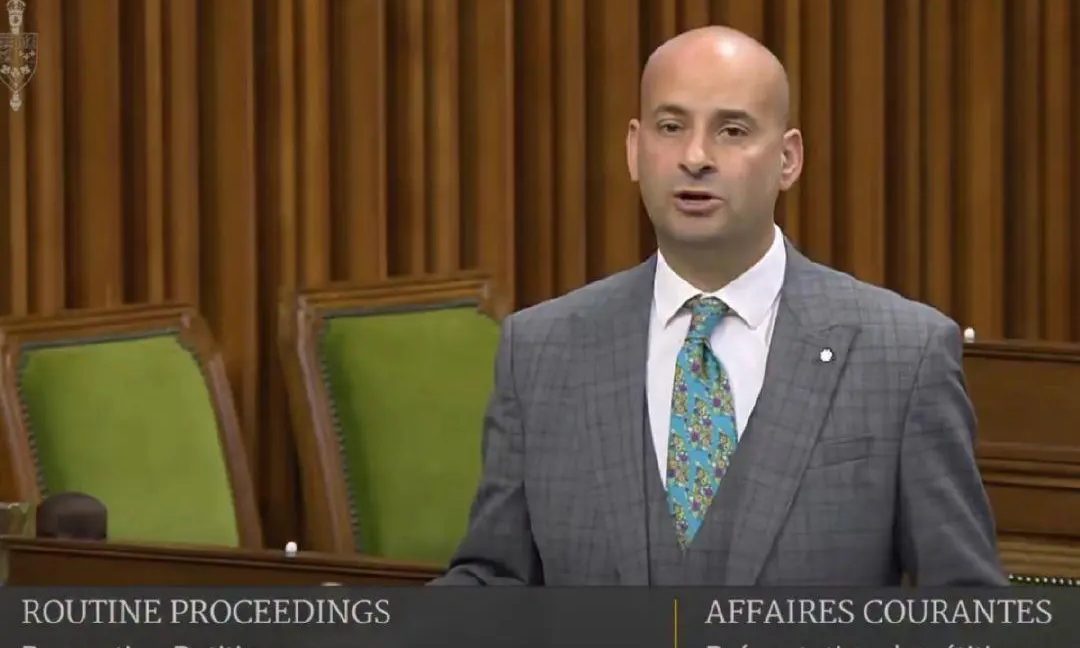
Barriere Fire Rescue is operating out of a facility over 70 years old that can no longer properly accommodate its trucks or training requirements, according to Fire Chief Alexis Hovenkamp. The current building on Barriere Town Road relies on a residential HVAC system, faces potential roof replacement within a few years, and lacks an exhaust filtration system, forcing firefighters to store one truck outside and move vehicles outdoors during winter training sessions.
Hovenkamp explained that upcoming equipment upgrades are also constrained by the current structure. The department expects to replace its second fire engine in the next couple of years, but the new vehicle will not fit inside the existing facility. Beyond local calls, the department assists the Chu Chua Volunteer Fire Department, covers areas in the Thompson-Nicola Regional District, and deploys firefighters across British Columbia for wildfire relief.
Ottawa Asked to Assist Small Tax Base
Building a modern replacement designed to last 50 to 75 years is estimated to cost between $7 million and $10 million. Hovenkamp noted that grant opportunities for critical emergency infrastructure are rare, leaving rural tax bases under severe strain when funding large capital projects independently.
In response to these challenges, Kamloops-Thompson-Nicola MP Frank Caputo presented a petition in the House of Commons asking the federal government to commit funding for the project in the upcoming Nov. 5 budget. Caputo highlighted the community’s exposure during wildfire season and argued that rural residents deserve adequate emergency infrastructure. Hovenkamp expressed gratitude for the MP’s advocacy, noting the importance of gaining national traction for local emergency needs.




BC STORIES
Eastbound Drivers Near Golden Can Now Resume Travel as Highway 1 Reopens
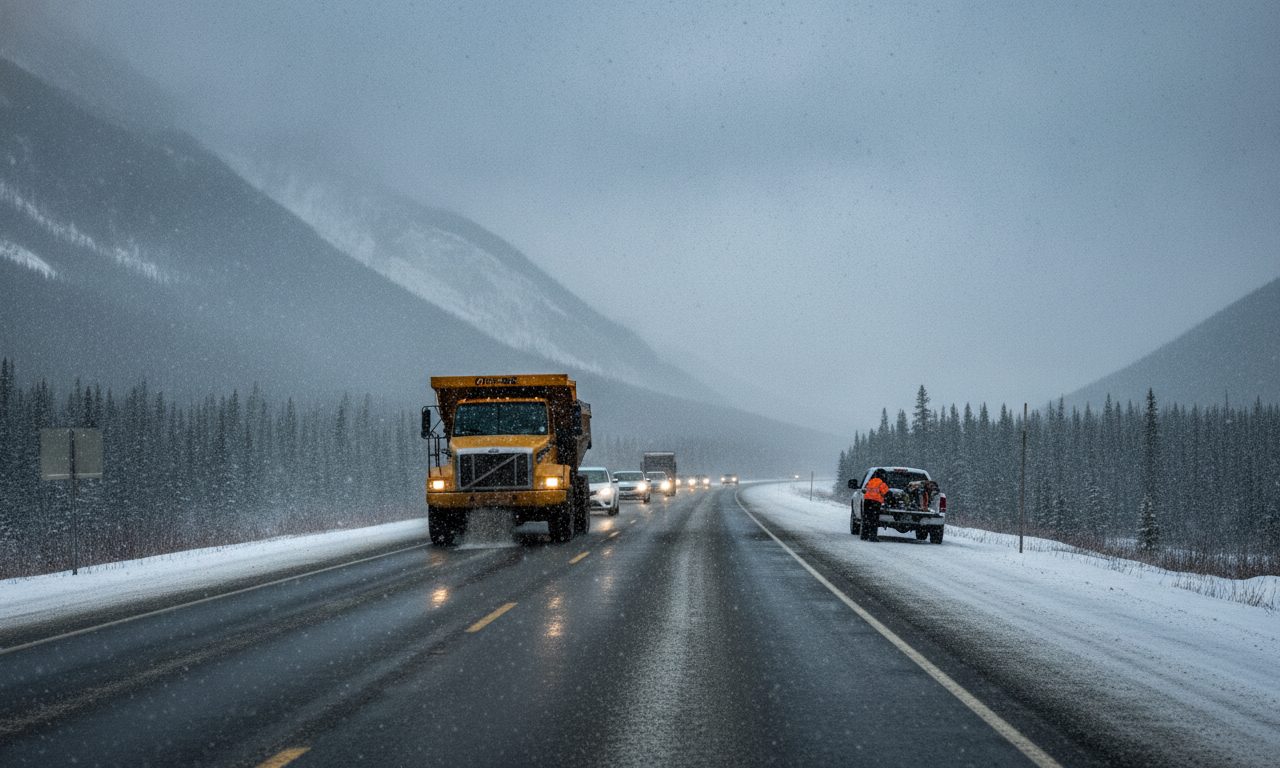
Highway 1 east of Golden has reopened following a Thursday morning closure near Finn Creek in Yoho National Park caused by winter conditions.
Trans-Canada Highway Cleared Near Finn Creek
Travelers east of Golden can pass through Highway 1 again after winter conditions caused a temporary shutdown on Thursday morning.
DriveBC noted that the closure took place near Finn Creek inside Yoho National Park due to poor road conditions, but crews reopened the corridor shortly before 9 a.m.
Maintenance vehicles carrying sand and salt were dispatched to the corridor, according to a DriveBC update. Traffic cameras in the Golden area captured heavy snowfall across the region.
BC STORIES
Why B.C.’s Darker Winter Mornings Call for Extra Caution on the Road
B.C. stays on permanent Daylight Saving Time, bringing darker morning commutes. Safety groups share tips for drivers, employers, and pedestrians.

Darker Commutes Elevate Winter Driving Hazards
British Columbia drivers are facing increasingly hazardous morning road conditions as the province remains on permanent Daylight Saving Time. Without the traditional autumn clock change, morning commutes, school drop-offs, and early work trips will occur under extended darkness, coinciding with seasonal weather such as rain, snow, and fog.
Road Safety at Work has issued a warning that diminished morning light increases the difficulty of detecting roadside hazards. The safety organization is urging drivers to reduce speeds, maintain larger distances between vehicles, and verify that headlights, tail lights, wipers, and defrosters function correctly.
Impacts on Health and Fatigue
Scientific evidence indicates that prolonged morning darkness disrupts natural sleep cycles, elevating the likelihood of driver fatigue. Key indicators of fatigue include drifting between lanes, sore eyes, frequent yawning, impaired concentration, and difficulty recalling recent driving stretches.
To mitigate these hazards, WorkSafeBC is calling on employers to review risks faced by staff who drive as part of their duties. Suggestions include adjusting work schedules to minimize necessary travel during early morning or late night hours.
Safety Guidelines for Families and Pedestrians
Health and school officials are offering additional recommendations to help pedestrians and students navigate low-light conditions safely. Fraser Health advises families to establish consistent sleep routines, limit screen time before bed, and plan routes utilizing marked crossings, bike lanes, and lit sidewalks.
Pedestrians and cyclists are encouraged to wear reflective gear, carry lights, make eye contact before crossing streets, and avoid using mobile phones or headphones while moving. Motorists traveling through school zones should watch closely for pedestrians at intersections and ensure full headlights are activated rather than relying solely on daytime running lights.
BC STORIES
After a Humbling Election Defeat, B.C. NDP MLAs Reflect and Plan Their Next Steps
Following a major election loss and David Eby’s resignation, the remaining 28 B.C. NDP MLAs meet to discuss selecting an interim leader and charting a new path.

Reflecting on a Lost Majority
Following a sharp downturn at the polls last Saturday, the 28 remaining B.C. NDP MLAs are gathering on Thursday to charts their path forward as the province’s Official Opposition. Former leader David Eby resigned after his decision to call a snap election backfired, producing the party’s poorest performance since 2001. The caucus is expected to address key next steps during Thursday’s discussions, including the potential selection of an interim leader.
Reconnecting With Voters
The party’s electoral support dropped significantly, garnering roughly 670,000 votes compared to nearly 950,000 in 2024 amid historically low voter turnout. North Vancouver-Lonsdale MLA Bowinn Ma noted that many supporters felt taken for granted and chose not to vote. Ma stated that sitting in Opposition offers an opportunity to rebuild trust and engage with local communities in ways that were not possible during their nine years in government. She also confirmed she will not seek the leadership, citing the heavy personal sacrifices required for the role.
Examining Core Priorities
Former Port Moody-Burquitlam MLA Rick Glumac, who lost his seat to Conservative candidate John McEwen, remarked that calling an early election was a mistake and that the party had lost clarity on its core principles. Glumac emphasized that the NDP must return to fundamental values such as worker fairness, a robust economy, and strong environmental commitments. Echoing concerns over government direction, Geoff Meggs, former chief of staff to premier John Horgan, pointed to public sector strikes, child care concerns, and street disorder as key factors behind the loss, stressing that a new leader must inspire renewed public confidence.

Why Sea to Sky Residents Need to Secure Food and Pumpkins Before Halloween

Eastbound Drivers Near Golden Can Now Resume Travel as Highway 1 Reopens

Why B.C.’s Darker Winter Mornings Call for Extra Caution on the Road

Why a 70-Year-Old Fire Hall Is Prompting Calls for Federal Emergency Funding

Salish Sea Researcher Identifies Dead Humpback Spotted Near Ferry Collision Site

After a Humbling Election Defeat, B.C. NDP MLAs Reflect and Plan Their Next Steps

Opinion: John Rustad Has to Go

B.C. Supreme Court Grants Cowichan Tribes Title to Historic Richmond Lands and Fishing Rights

Vancouver Canucks Gear Up for a Make-or-Break 2025–26 Season

BC Ferries Sparks Outcry Over Contract with Chinese Shipyard

Kamloops Blazers Announce Off-Season Changes Ahead of 2025–26 Season

A Taste of Autumn: Fall Okanagan Wine Festival 2025
-
6 days ago
Your Current 3 Day Forecast — October 23, 2026
-
BC STORIES5 days ago
What 5 Neurologist Resignations Mean for Regional Health Care at Interior Health
-
5 days ago
Your Current 3 Day Forecast — October 24, 2026
-
SPORTS5 days ago
What Tommy Stevens’ CFL Scoring Record Means for the Roughriders’ Playoff Run
-

 BC STORIES5 days ago
B.C. Faces an Early and Hard-Hitting Flu Season as Symptoms Intensify
-
3 days ago
Your Current 3 Day Forecast — October 26, 2026
-
LOCAL4 days ago
Community Safety Highlighted After Gunshots Hit Fort St. John Home
-
 BC STORIES4 days ago
B.C. Conservative Victory Triggers Need for Constitutional Rule Change