Agriculture
Australia and EU Finalize Landmark A$10bn Free Trade Agreement
Australia and the EU sign a landmark A$10bn free trade deal, slashing tariffs on agricultural exports and strengthening defense and security ties.

A Major Shift in Global Trade Dynamics
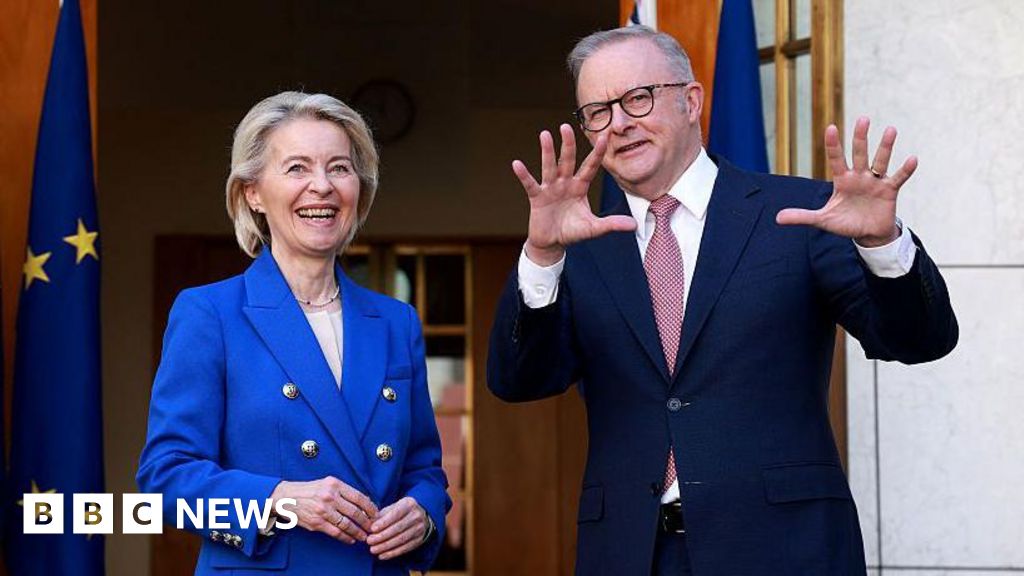
Australia and the European Union have officially signed a historic free trade agreement valued at approximately A$10 billion ($7 billion), marking the conclusion of eight years of intense negotiations. The deal, announced on Tuesday by Australian leadership and European Commission President Ursula von der Leyen, is designed to eliminate the vast majority of export tariffs on Australian goods entering the European market. Described as a “win-win” for both economies, the partnership aims to foster collective resilience in a rapidly shifting geopolitical landscape.
Agricultural Gains and Geographical Indicators
The centerpiece of the agreement is the removal of EU tariffs on a wide range of Australian agricultural exports, including fruit, vegetables, olive oil, seafood, wheat, and barley. The wine industry stands to benefit significantly, with an estimated A$37 million in annual savings. However, the negotiations were particularly sensitive regarding “geographical indicators”—the naming rights for traditional European foods. Under the compromise, Australian producers can continue to sell “prosecco” domestically, though the name will be phased out for exports over a decade. Australia remains the only nation outside Italy granted such permission. Similar “grandfathering” rules will apply to names like parmesan and feta, reflecting the deep cultural and migratory ties between the two regions.
Mixed Reactions from the Red Meat Sector
Despite the overall positive reception, the deal has drawn criticism from Australia’s livestock industry. While the quota for beef exports will rise from a mere 3,389 tonnes to approximately 30,000 tonnes, industry leaders argue this falls short of the 50,000-tonne target required for true market competitiveness. Andrew McDonald of Meat and Livestock Australia labeled the outcome a “missed opportunity,” suggesting that the quota limits could prevent Australian farmers from fully capitalizing on European demand for high-quality red meat.
Expanding Beyond Trade: Security and Defense
Parallel to the economic pact, the two powers signed a new security and defense partnership. This strategic alignment will see increased cooperation in counter-terrorism, maritime security, space exploration, and defense industry integration. President von der Leyen emphasized that the relationship is “built for the long term,” signaling that the EU and Australia are moving toward a more integrated alliance to address global instability and supply chain vulnerabilities.


Restored Mill Creek Pathway In Kelowna to Offer Boosted Flood Protection and Wildlife Habitat

RCMP Are Seeking Public Help After a Disturbance at Burger King

Collapsing Truce Drives Worsening Humanitarian Crisis in Yemen Following Strikes
Your Current 3 Day Forecast — November 8, 2026

Why Emergency Rooms Across Canada Are Facing New Strains From Street Drug Additives

Highland Valley Copper Strike Escalates as BC Federation of Labour Issues Hot Edict

Opinion: John Rustad Has to Go

B.C. Supreme Court Grants Cowichan Tribes Title to Historic Richmond Lands and Fishing Rights

BC Ferries Sparks Outcry Over Contract with Chinese Shipyard

Vancouver Canucks Gear Up for a Make-or-Break 2025–26 Season

Kamloops Blazers Announce Off-Season Changes Ahead of 2025–26 Season

A Taste of Autumn: Fall Okanagan Wine Festival 2025
-

 BC STORIES5 days ago
Community Rallies to Secure Federal Protection for Historic O’Keefe Ranch
-

 BC STORIES5 days ago
Why the B.C. NDP is forced to rebuild trust following a costly election loss
-
 BC STORIES5 days ago
Highland Valley Copper Workers Stand Firm as Strike Crosses One-Week Mark
-
 BC STORIES4 days ago
What to Expect as B.C. Prepares for Its First New Government in Nine Years
-

 SPORTS5 days ago
Canucks Surrender Third-Period Lead to Sharks in 3-2 Loss
-

 NATIONAL STORIES6 days ago
Judge Refuses Delay for Sackville Man Seeking MAID During Murder Sentencing
-

 COMMUNITY4 days ago
The week ahead in West Coast: Mon 2 — Sun 8 November
-

 OPINIONS6 days ago
Kelowna Centre’s 132-Vote Warning: Nobody Owns This Riding