BC STORIES
BCGEU Escalates Strike Amid Wage Dispute


The BC General Employees’ Union (BCGEU) has entered a second week of strike action, with more than 4,000 public service workers now on picket lines at 22 sites across the province. New strike locations include government offices in Victoria, Surrey, Prince George, and Vancouver, signaling an escalation after the provincial government declined to table a revised wage proposal. Union leaders say the job action is necessary to draw attention to what they describe as chronic underpayment and affordability pressures facing public servants.
At the heart of the dispute is compensation. The BCGEU is calling for wage increases of 4% in the first year and 4.25% in the second, along with cost-of-living adjustments to protect against inflation. The province’s most recent offer amounts to a 4.5% increase spread over two years, a package that union president Paul Finch argues does not adequately reflect members’ needs. Government officials insist their offer balances fiscal responsibility with fairness, but negotiations remain at a standstill.
While the strike has yet to cause widespread disruption, some services have been affected, including temporary interruptions at ICBC driver licensing centres. Labour experts suggest the union is deliberately calibrating its strike action to pressure the government without alienating the public. Still, with lines expanding and talks stalled, pressure is mounting on both sides to find common ground before the dispute significantly impacts provincial operations.


BC STORIES
Why B.C. Driver Insurance Rates Could Shift Under a Proposed ICBC Overhaul
B.C. party leaders clash over ICBC’s no-fault insurance system following a leaked letter outlining Conservative plans for a hybrid coverage model.


Political Clashes Erupt Over Leaked Correspondence
A debate over the future of auto coverage in British Columbia has intensified after a Sept. 29 correspondence signed by B.C. Conservative Leader Lorne Doerkson became public on Oct. 6. The document reveals party plans to move away from the current system managed by the Insurance Corporation of British Columbia (ICBC) if elected on Oct. 24.
Addressing reporters during an Oct. 7 campaign stop in Surrey, Doerkson outlined intentions to replace the existing model with a hybrid approach similar to those operating in Alberta, Ontario, and Atlantic Canada. He stated that the proposed platform would impose caps on legal fees while restoring the right of victims with catastrophic injuries to seek court recovery.
Disagreement Over Costs and Coverage
B.C. NDP Leader David Eby challenged the proposal during a media appearance in Surrey, displaying the document and arguing that reverting from the current care-based model would direct driver funds back to legal battles and drive up premiums. The Crown insurer transitioned to its “Enhanced Care” no-fault framework on May 1, 2021, a move it reported saved $1.5 billion by reducing litigation expenses.
In response, Doerkson acknowledged that insurance must remain affordable but maintained that individuals who suffer life-altering injuries are not receiving adequate support under the present regulations. His letter, addressed to legal and insurance sector groups, also noted that opening the market to private competition and capping minor-injury claims remain options under consideration.
BC STORIES
Voters face choice on family support as NDP campaign shifts focus away from U.S. tariff threats
B.C. NDP Leader David Eby shifts election campaign focus from Donald Trump’s trade threats to household affordability and health care ahead of the Oct. 24 vote.
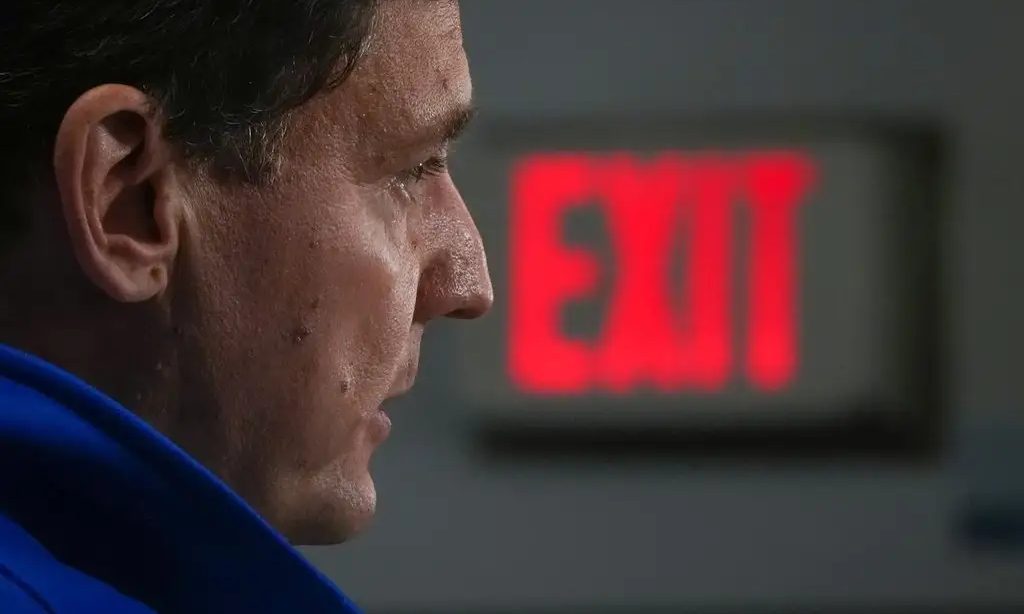
Affordability takes center stage in provincial campaign
With the provincial election set for Oct. 24, B.C. NDP Leader David Eby is emphasizing cost-of-living challenges over previous warnings about American trade policies. Speaking on Tuesday during a campaign event at the Victoria Curling Club, Eby noted that deciding which party can best assist families during difficult times remains the core issue for voters.
Acknowledging differing views on U.S. leadership
When Eby initiated the snap election on Sept. 22, he framed the campaign around building a “firebreak” to protect British Columbia from Donald Trump’s economic policies and political style. However, the NDP leader now acknowledges that his concerns regarding the U.S. president are not shared by everyone in the province.
“Whether you believe and accept that Trump is making it much worse, it doesn’t matter because you’re still understanding that the cost of living is significant, that we need a strong public health-care system if you and your family get sick,” Eby said.
Opposition calls for action over press releases
The stance comes alongside criticism from interim B.C. Conservative leader Lorne Doerkson, who described Trump at the start of the campaign as an “absolute bully.” Doerkson argued that confronting threats from the U.S. requires concrete action rather than issuing press releases.
Despite varying public anxieties, Eby maintains that U.S. actions continue to exert a real impact on British Columbians, even as his campaign shifts its primary focus back to household budgets and public services.
BC STORIES
B.C. Patients Could Soon Select Surgical Lists Based on Wait Times Under NDP Plan
B.C. NDP Leader David Eby promises eight new MRI machines, 10 CT scanners, and regional surgical waitlists to reduce health-care delays across B.C.

Centralized Waitlists Proposed to Shorten Surgical Delays
British Columbians undergoing surgery could soon choose their treatment location based on wait times under a new proposal from B.C. NDP Leader David Eby. Speaking in Coquitlam on Tuesday, Oct. 6, Eby outlined a campaign promise to establish co-ordinated regional surgical waitlists if his government wins re-election on Oct. 24. The initiative aims to match patients with available regional capacity, addressing wait times that currently vary between 10 and more than 50 weeks depending on the assigned surgeon.
Eby noted that the centralized system would allow patients to decide whether to undergo procedures at a local hospital, wait for a specific preferred surgeon, or opt for the fastest available opening anywhere in their region.
New Scanners and Targeted Recruitment Planned
Alongside procedural changes, the election pledge includes adding eight MRI machines—including one designated for Eagle Ridge Hospital in Coquitlam—and 10 CT scanners across the province. To operate the expanded diagnostic equipment, Eby announced plans to broaden B.C.’s U.S.-focused health-care recruitment campaign. The hiring effort will target areas facing active staffing shortages, specifically recruiting surgeons, medical lab technicians, and medical imaging technologists.
According to NDP figures, the provincial government has added over 1,800 specialists, 21 MRI units, and 15 CT scanners since taking office in 2017. These additions have contributed to a 108 per cent increase in completed MRI exams and a 61 per cent rise in CT exams.
Specialists Raise Concerns Over Access Times
Despite these additions, specialist wait times remain a critical issue across the province. A June survey conducted with involvement from the Consultant Specialists of BC revealed that nearly one-quarter of British Columbians are currently waiting to see a medical specialist, with that figure expanding by 10 per cent annually.
Dr. Robert Carruthers, president of the Consultant Specialists of BC, stated that the Ministry of Health relies on selective statistics that obscure the full scope of the problem. Carruthers pointed out that official metrics focus primarily on the duration between a specialist consultation and the actual surgery, while ignoring the initial wait required just to secure a first appointment with a specialist.
While the provincial government maintains a public website displaying surgical wait time data, the platform only reflects a snapshot of completed scheduled procedures over a rolling three-month window and is updated bimonthly.
Political Debate Over Health Care Solutions
Eby framed the upcoming provincial vote around healthcare access, contrasting his platform’s focus on diagnostic expansion against opposition proposals. The announcement arrived one day after B.C. Conservative Leader Lorne Doerkson pledged a $50-million dedicated fund aimed at preventing rural emergency room closures.

Why B.C. Driver Insurance Rates Could Shift Under a Proposed ICBC Overhaul
Your Current 3 Day Forecast — October 8, 2026

Why West Coast NHL Fans and Players Will Face Unusual Game Times This Season

Voters face choice on family support as NDP campaign shifts focus away from U.S. tariff threats
Your Current 3 Day Forecast — October 7, 2026

B.C. Election Poll Puts Conservatives Ahead Five Points as Cost of Living Tops Voters’ Concerns

Opinion: John Rustad Has to Go

B.C. Supreme Court Grants Cowichan Tribes Title to Historic Richmond Lands and Fishing Rights

Vancouver Canucks Gear Up for a Make-or-Break 2025–26 Season

Kamloops Blazers Announce Off-Season Changes Ahead of 2025–26 Season

BC Ferries Sparks Outcry Over Contract with Chinese Shipyard

A Taste of Autumn: Fall Okanagan Wine Festival 2025
-
 BC STORIES6 days ago
Why OneBC’s Interim Leader Is Proposing an Election Pact With Conservatives
-
NATIONAL STORIES7 days ago
Why a Canadian Nationalist Group’s Hidden Recruitment Practices Are Drawing Scrutiny
-

 NATIONAL STORIES6 days ago
Why NDP Leader Avi Lewis Says the West Coast Pipeline Plan Risks Public Funds
-
SPORTS7 days ago
Why the Edmonton Oilers Will Be Without Ryan Nugent-Hopkins Against Vancouver
-
SPORTS6 days ago
Maple Leafs vs Islanders Result: Easton Cowan Scores in 2-1 Win
-

 SPORTS5 days ago
Nick Arbuckle Takes the Field on His Birthday as Toronto Argos Host B.C. Lions
-

 NATIONAL STORIES6 days ago
Michael J. Fox Earns Canada’s Highest Civilian Distinction for Parkinson’s Work
-
 NATIONAL STORIES6 days ago
Why Conservative Leader Pierre Poilievre Questions Mark Carney’s New Pipeline Stance