POLITICS
Beyond the Laughs: Kelsey Grammer on Hollywood Exile, Faith, and the Tragedy That Shaped His Politics
Kelsey Grammer discusses his conservative views in Hollywood, finding common ground with Pedro Pascal, and the spiritual healing following his sister’s murder.


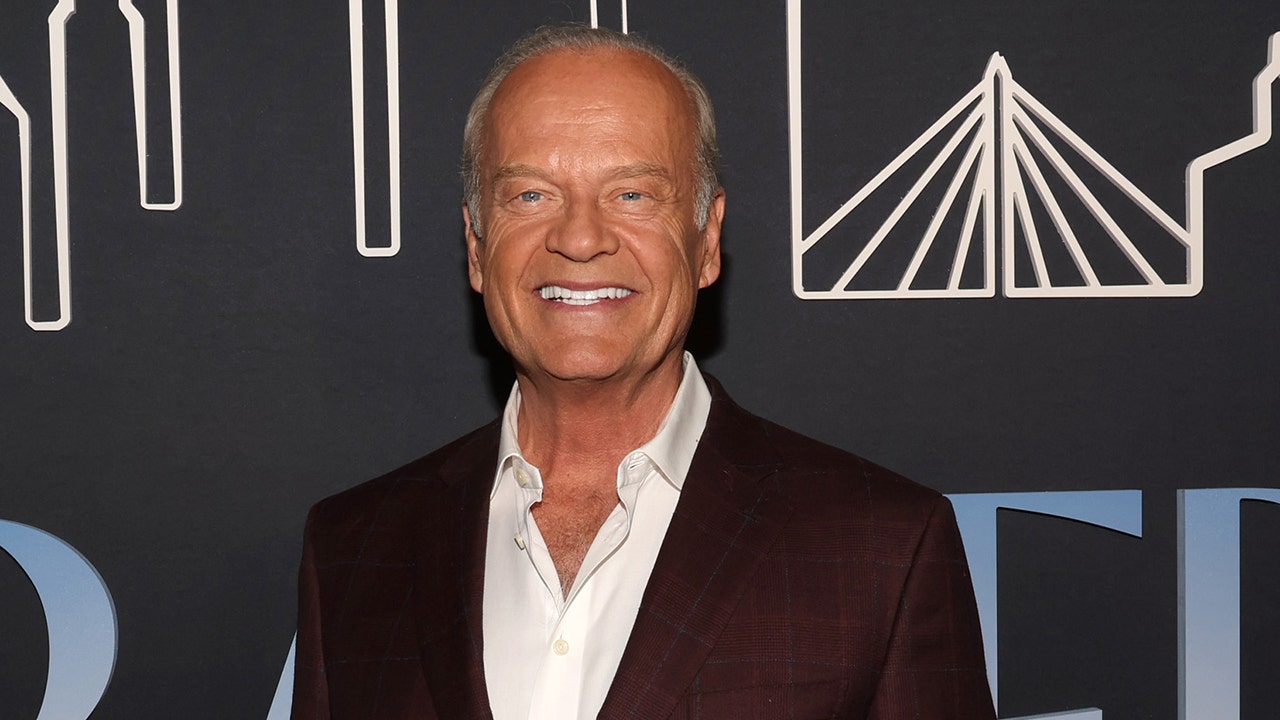
The Price of Conviction in Tinseltown
Kelsey Grammer, the Emmy-winning star of Frasier and Cheers, has long been a rare bird in the heights of Hollywood: an unapologetic conservative. In a wide-ranging and deeply personal interview on the Arroyo Grande podcast with host Raymond Arroyo, Grammer opened up about the personal and professional toll his political leanings have taken over the decades. While he admitted to losing friends over his beliefs, he remains steadfast, asserting that the labels often thrown at conservatives in the industry frequently ring hollow.
Grammer addressed the harshest criticisms head-on, specifically the weaponization of identity politics. “I realize that because I’m a conservative… I’ve heard a lot of things said about us that are quite remarkable,” Grammer told Arroyo. “But something I finally figured out was when I’m called a racist, I know it’s not true. And the thing is, so do they.” For Grammer, the performative nature of Hollywood’s political divide often obscures the reality of personal character, though he remains optimistic that common ground is possible, even if it is no longer the “go-to place” for public discourse.
Unexpected Alliances and the #MeToo Movement
Despite the polarizing climate, Grammer shared a surprising anecdote about finding common ground with one of Hollywood’s most vocal progressive stars, Pedro Pascal. The two actors recently worked together on an upcoming Avengers project, and Grammer noted that despite their disparate worldviews, they got along “splendidly.” He recalled a conversation regarding the #MeToo movement where Pascal allegedly offered a critique that surprised the veteran actor.
According to Grammer, Pascal suggested the movement had become “weak” by turning inward. “The left is always looking for something to be upset about,” Grammer observed during the podcast. “They thought they found something, and they realized they were kind of eating their own. And [Pascal] basically enumerated that for me… it surprised me because I thought—I was aware he was more on the left-hand side of things.” This moment of shared skepticism toward ideological purity tests served as a reminder for Grammer that human connection can still transcend the ballot box.
A Life Defined by Grief and Accountability
The roots of Grammer’s conservatism and his worldview are inextricably linked to a 1975 tragedy that forever changed his life: the brutal murder of his 18-year-old sister, Karen. Grammer described a period of his life where he was “upset” and would “haunt the streets looking for a fight.” This proximity to violent crime fueled his belief in personal accountability—a core tenet of his political philosophy.
“He murdered more than one person, and he did it knowing what he was doing,” Grammer said of his sister’s killer. “There have to be consequences. Accountability has to be something we still have in this country. I mean, that’s probably why I’m conservative in a lot of ways.” Yet, Grammer’s stance is nuanced; despite the pain of his loss, he identifies as “pro-life” and remains opposed to the death penalty, choosing instead to focus on the weight of justice and the possibility of spiritual reconciliation.
The ‘Limping Faith’ and a Divine Conversation
The interview took an emotional turn as Grammer discussed his spiritual evolution. After years of what he calls a “limping faith,” a series of events—including his role in the 2023 hit Jesus Revolution—led him toward a profound religious epiphany. He recalled standing on the field at Angel Stadium during an evangelical Harvest Crusade, where he finally confronted God about the loss of his sister, asking, “So, where were you?”
Tearing up, Grammer told Arroyo that he heard a small voice respond: “I was right there.” This theme of divine presence followed him as he authored his upcoming 2025 memoir, Karen: A Brother Remembers. He described a surreal experience on a plane where he felt a weight being lifted from his shoulders. “The voice basically said, ‘Don’t you think it’s time for you to give it up?’” Grammer recalled. “I said, ‘No, it’s OK, I’ve carried it this long, I can still handle it.’ And He said, ‘No, it’s mine. That’s why I came.’” For Grammer, this surrender of decades-old grief has provided a sense of peace that transcends the fickle nature of fame and political standing.
A Legacy of Resilience
As Grammer prepares for the release of his new book and continues his work in both television and film, he seems at peace with his standing in the industry. He acknowledges that while he may not be invited to every party in Hollywood, the friends he has gained and the faith he has solidified are more than enough. “Things are OK,” he concluded, signaling a man who has traded the need for industry approval for the clarity of his own conscience.