General
Canada Leads Global Diplomatic Surge to De-Escalate Iran Conflict through G7 Coalition
Canada’s Foreign Minister Anita Anand leads a G7 and Middle East initiative to de-escalate the Iran war, proposing ‘off-ramps’ to protect global trade.


A Middle Power Strategy for De-Escalation
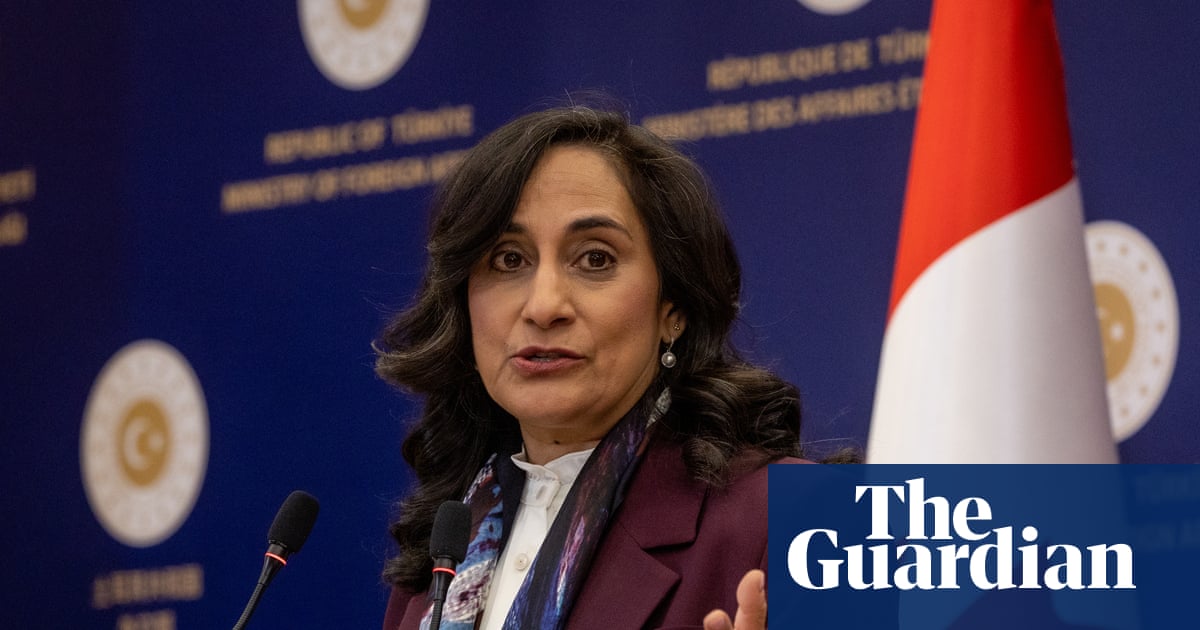
In a bold move to navigate the escalating crisis in the Middle East, Canada is spearheading a collective diplomatic initiative involving G7 nations and regional partners. Canadian Foreign Minister Anita Anand has unveiled a “document of principles” designed to find viable “off-ramps” for the ongoing conflict between Iran, Israel, and the United States. Following meetings in London with UK Foreign Secretary Yvette Cooper and her Turkish counterpart Hakan Fidan, Anand emphasized the urgent need to mitigate regional spillover and protect global economic stability.
The Document of Principles
The Canadian-led proposal aims to reduce the risk of civilian casualties and insulate non-belligerent states from the fallout of the war. “It’s important for us to have a conversation about the off-ramps,” Anand stated, noting that Canada is engaging with every G7 member and various Middle Eastern partners directly impacted by retaliatory strikes. The initiative comes at a time when traditional powers appear locked in a cycle of escalation, particularly following Iranian missile strikes and threats to the strategic Strait of Hormuz, a conduit for 20% of the world’s oil reserves.
Distancing from Offensive Operations
Minister Anand notably clarified that Canada was neither consulted on nor participated in recent US-Israeli offensive military operations. While describing Iran’s retaliatory actions as breaches of international law, she underscored that Canada has no intention of joining the military conflict. This stance aligns with Prime Minister Mark Carney’s recent call at the World Economic Forum for “middle powers’ to assert more influence in global affairs, challenging the dominance of traditional hegemons during times of crisis.
Economic Resilience and Security Alliances
Beyond immediate diplomacy, Canada is pushing for structural shifts in defense and trade. Anand is advocating for the UK to join the proposed Defense Security and Resilience Bank, with charter negotiations set to begin in Montreal. This move is part of a broader strategy under the Carney administration to diversify trade and reduce economic dependence on the United States, aiming to double non-US trade over the next decade. By positioning itself as a pragmatic mediator, Canada seeks to prove that like-minded middle powers can exercise significant leverage even when the world’s largest powers are at an impasse.