business
Canada’s Oilpatch Braces for M&A Surge Following Geopolitical Tensions
Deloitte predicts a surge in Canadian oil and gas M&A activity as geopolitical tensions ease and market stability returns to the Montney and Duvernay regions.


The Impact of Geopolitical Volatility on Energy Markets
The Canadian energy sector is standing at a crossroads of significant transformation. Following a period of intense geopolitical upheaval characterized by the U.S.-Israel-Iran conflict, industry experts are forecasting a substantial uptick in mergers and acquisitions (M&A). While the conflict previously pushed West Texas Intermediate (WTI) prices as high as US$115 per barrel, creating a massive gap between buyer expectations and seller demands, a recent two-week ceasefire has begun to stabilize the market.
Opportunities in the Montney and Duvernay Formations
According to Andrew Botterill, a partner at Deloitte Canada, the stabilization of crude prices—which recently dropped toward the US$96 mark—is essential for deal-making. While the oilsands remain dominated by a small group of major players with limited room for further consolidation, the Montney and Duvernay regions in Alberta and British Columbia are emerging as primary targets. These areas are recognized for their high-quality assets and repeatability economics, making them some of the most attractive energy plays globally.
Canada as a Global LNG Powerhouse
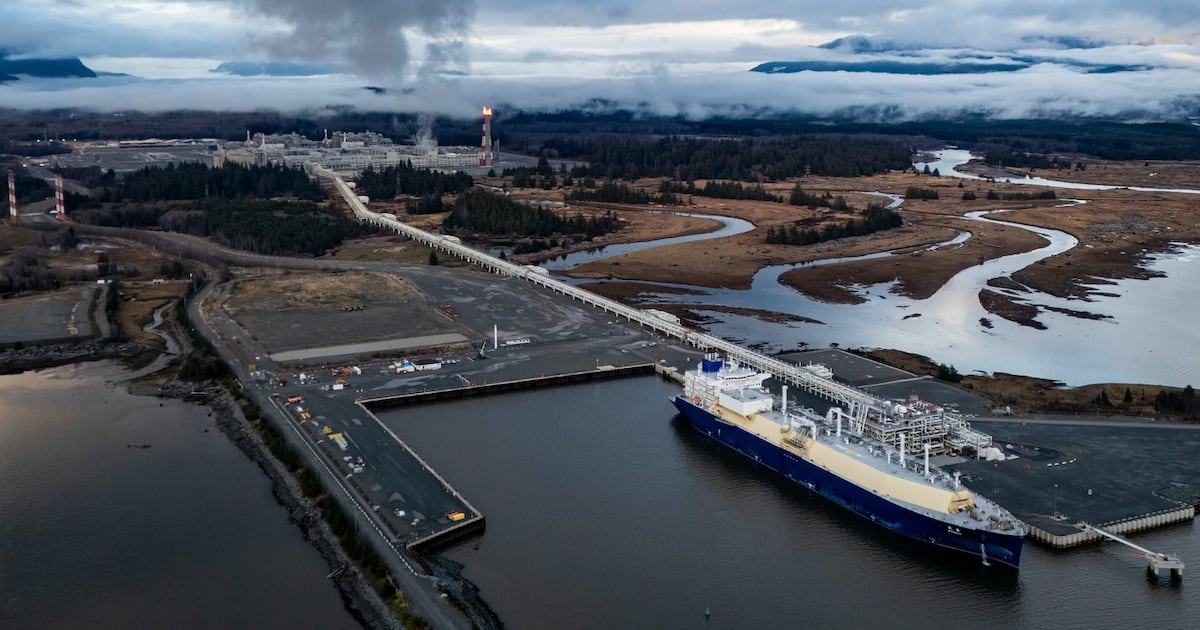
The recent disruptions in global supply, particularly the loss of production from major players like Qatar, have repositioned Canada as a critical, stable supplier of liquefied natural gas (LNG). Despite a slow ramp-up of the LNG Canada export terminal and a mild winter affecting domestic prices, the long-term outlook for Canadian gas remains bullish. Investors are increasingly viewing Canada as a ‘safe haven’ for capital, with expectations of several new export projects moving forward on the West Coast.
Long-Term Price Forecasts and Stability
Deloitte’s latest economic forecast suggests a gradual return to pre-war pricing levels, with WTI expected to average US$85 in 2026 and eventually settle near US$67.65 by 2028. This downward trend toward price normalization is expected to narrow the valuation gap that has stalled deals for years. As the ‘geopolitical mayhem’ eases, the combination of technological consistency and effective cost management by Canadian producers makes the sector ripe for a wave of consolidation that could redefine the domestic energy landscape.