HEALTH
Cross-Border Tariffs Threaten to Drive Up Equipment Costs and Reduce Youth Sports Participation
Sports groups and retailers warn that Canada-U.S. tariffs on sports gear could drive up prices for families and harm business operations.

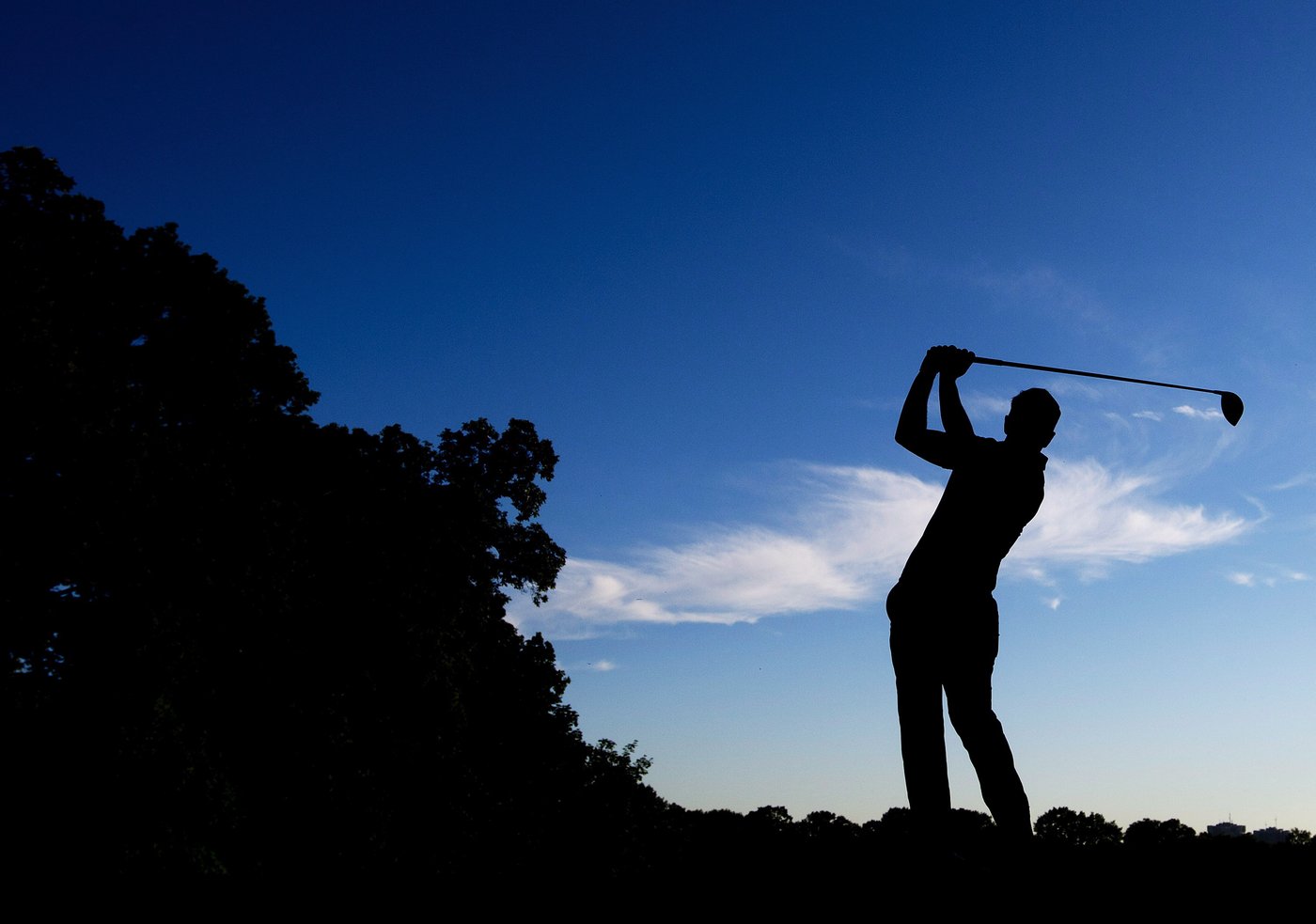
Escalating Trade Conflict Hits Athletic Goods
Cross-border tariffs between Canada and the United States are placing new financial burdens on businesses and athletic programs, prompting sports organizations and companies on both sides of the border to call for an immediate end to trade duties on athletic gear.
The current trade friction intensified following the collapse of trade negotiations in mid-August. The following day, U.S. President Donald Trump placed 50 per cent duties on $28 billion worth of Canadian imports, encompassing items such as hockey gear, golf products, gym equipment, and fishing rods and parts. In response, Canada enacted retaliatory tariffs on Sept. 8 that hit several athletic lines, including golf gear, fishing equipment, track suits, ski suits, and swimwear.
Local Retailers Face Cost Spikes Passed to Consumers
Retailers are already feeling the direct pinch of these policies. Mark Macaulay, head of procurement at Home Run Sports in Winnipeg, explained that Canadian retaliatory tariffs directly impact his inventory from American suppliers in Louisiana and Pennsylvania, hiking import costs by 50 per cent compared to pre-Sept. 8 pricing.
Macaulay warned that if these tariffs persist into late fall or winter, his business may be forced to delay or cancel product shipments. He noted that higher wholesale expenses cannot be absorbed by the retailer and will inevitably be passed on to customers through elevated retail price tags, potentially pushing consumers toward alternative brands that fall outside the scope of the tariffs.
Concerns Over Rising Costs and Participation Rates
Industry advocates caution that elevated costs could stifle public activity. Aneysha Bhat, spokesperson for the Washington-based Sports and Fitness Industry Association—which represents over 700 brands, manufacturers, retailers, and athletic leagues—emphasized that affordable access is essential for growing participation in active, healthy communities. The association is urging both federal governments to return to the bargaining table to reopen negotiations.
South of the border, concerns are growing that levies placed on Canadian imports will further elevate already high hockey equipment prices. In response, Adam van Koeverden, Canada’s secretary of state for sport, stated that the federal government aims to protect families needing gear for youth sports involvement. While not identifying specific hard-hit sports or regions, van Koeverden indicated the government is evaluating overall impacts across sectors, consulting with national sport organizations to encourage Canadian procurement, and exploring domestic manufacturing solutions.
Riyadh Nazerally, a spokesperson for Innovation, Science and Economic Development Canada, acknowledged via email that U.S. duties generate uncertainty for Canadian manufacturers, particularly affecting small and medium-sized enterprises. He noted that federal efforts remain focused on helping businesses manage liquidity challenges, protect jobs, and maintain operations. Meanwhile, Hockey Canada issued a media statement expressing full support for federal efforts to address the tariff dispute while monitoring the situation’s potential impacts on the national hockey community.

HEALTH
What to Know About the Alasko Frozen Raspberry Recall Following Illness Reports
Alasko brand frozen whole raspberries sold in seven provinces are recalled over potential norovirus contamination following reported illnesses.
CFIA Issues Warning for Alasko Brand Raspberries
Health officials are advising the public not to consume, sell, or serve specific Alasko brand frozen, whole raspberries across seven provinces. The Canadian Food Inspection Agency (CFIA) launched a foodborne illness outbreak investigation that triggered the recall after illnesses linked to the consumption of these items were reported.
The advisory applies to products bearing the lot number LOT# SY25314, purchase order code PO#138602, and a best before date of Nov. 10, 2027. Distributed broadly, these frozen berries reached households as well as hotels, institutions, and restaurants.
Norovirus Symptoms and Health Guidance
The recall stems from potential norovirus contamination. The highly contagious virus causes vomiting and diarrhea, with symptoms typically appearing as early as 12 hours following exposure. Additional symptoms often include stomach pain, nausea, cramps, headache, muscle aches, fatigue, chills, and a low-grade fever.
While no prescription treatments exist for norovirus, most individuals recover within two to three days without enduring lasting health impacts. However, severe vomiting or diarrhea can lead to dehydration. The Public Health Agency of Canada advises affected individuals to drink plenty of fluids, noting that severe cases may require hospitalization for intravenous fluid administration. Anyone who suspects they became ill from these products should reach out to their health-care provider.
Ongoing Investigation and Disposal Instructions
Specific details regarding the location of the outbreak or the total count of sick individuals have not been disclosed. The CFIA is verifying that the marketplace removes affected items and noted that its ongoing investigation could trigger additional product recalls. Consumers and businesses holding the recalled raspberries should either throw them away or return them to the place of purchase.
BC STORIES
Shrinking Job Market and Rising Deficit Mark B.C.’s Latest Financial Update
B.C.’s fiscal deficit is projected to hit $13.8 billion for 2026/27 amid job losses, rising wildfire costs, and global trade challenges.

Economic Indicators Slump as Job Losses Mount
British Columbia’s economic landscape is facing heightened pressure as major financial metrics decline across the province. As of August, employment dropped by 16,400 positions, pushing the overall unemployment rate up by 0.4 percentage points to 6.5 per cent. Additional provincial indicators reflect a broader slowdown: real GDP growth expectations have been lowered from 1.3 per cent to 0.9 per cent, housing starts fell 9.3 per cent, home sales dropped six per cent, and the population decreased by 0.9 per cent. Meanwhile, annual inflation reached 2.9 per cent.
Despite these downturns, certain sectors showed resilience. B.C. saw a 4.2 per cent rise in total international exports—even as shipments bound for the United States fell by 6.2 per cent—and retail sales expanded by 1.9 per cent.
Deficit Reaches Record $13.8 Billion
The province’s projected deficit for the 2026/27 fiscal year has expanded to nearly $13.8 billion, marking an increase of $450 million over the estimate published in the February budget. Newly appointed Finance Minister Josie Osborne, who assumed the cabinet portfolio in mid-August from Brenda Bailey, presented the quarterly financial update on Monday, Sept. 14.
Although the government recorded an extra $887 million in personal income tax receipts beyond original projections, that gain was largely consumed by $614 million in unexpected wildfire suppression costs. Furthermore, provincial figures were revised downward following the discovery of an accounting mistake regarding natural gas royalty revenues, which cut projected revenue estimates by almost $1.5 billion over five years. Fiscal forecasts indicate deficits will remain high at roughly $12.2 billion in 2027/28 and nearly $11.5 billion in 2028/29, driving total provincial debt past $235 billion by 2029.
Global Pressures and Local Reactions
Osborne attributed much of the fiscal strain to international economic volatility, including ongoing trade disputes with the United States involving a 50 per cent tariff on roughly $30 billion in Canadian goods, conflict in the Middle East, and stricter federal immigration policies. The current projections incorporate the U.S. tariffs but exclude potential Canadian counter-measures.
Opposition figures and business groups raised sharp concerns regarding the province’s direction. Peter Milobar, leader of an unnamed breakaway group from the B.C. Conservatives, pointed out that state spending continues to climb despite delays or cancellations of major capital investments, such as a Burnaby hospital expansion and multiple long-term care facilities. Milobar also questioned why the government allowed its tariff-response legislation, Bill 7, to expire unused; Premier David Eby previously stated the province deferred to federal leadership on tariff responses. Additionally, Gavin Dew, B.C. Conservative Finance Critic, argued the administration suffers from a spending problem, while Greater Vancouver Board of Trade President Bridgitte Anderson warned that government expenditures are growing faster than the supporting economy.

Too many men have learned to hide exhaustion, loneliness and emotional pain behind the words “I’m fine.” Real strength begins when we are willing to tell the truth.
By Richard Oostra | The Current
Ask a man how he is doing and there is a good chance you will receive one of three answers:
“Good.”
“Busy.”
“Can’t complain.”
Sometimes those answers are true. Sometimes they are simply the quickest way to end the conversation.
Many men have spent their entire lives learning how to provide, protect, compete and persevere. We are taught to solve problems, carry responsibility and keep moving forward. Those can be admirable qualities. Families, workplaces and communities depend on men who are dependable and resilient.
But resilience is not the same as silence.
A man can appear successful while privately feeling exhausted, disconnected or overwhelmed. He may continue going to work, paying the bills and fulfilling his responsibilities while gradually losing his motivation, relationships and sense of purpose.
The warning signs are not always obvious. Struggle does not necessarily look like sadness. In men, it can appear as anger, irritability, overworking, increased drinking, reckless behaviour, poor sleep or withdrawing from the people who care about them.
The Canadian Mental Health Association advises families and friends to pay attention when a man becomes unusually distant, tired, angry or uninterested in activities he normally enjoys. These changes can be signs that something deeper is happening.
This is not a small issue. According to the Public Health Agency of Canada, men account for nearly three-quarters of suicide deaths in this country, and the suicide rate among men is almost three times the rate among women.
Those numbers should force us to reconsider what we call strength.
The Pressure to Appear Fine
Many men were raised to believe that admitting pain creates a burden for others. They tell themselves that someone else has it worse, that they should be grateful or that they simply need to toughen up.
As a result, they wait.
They wait until stress becomes burnout. They wait until loneliness becomes isolation. They wait until frustration damages a marriage, a friendship or a relationship with their children. They wait until a manageable health concern becomes a crisis.
We would never tell a man with chest pain to hide it because other people have heart problems. We would tell him to get help. Mental and emotional pain deserve the same seriousness.
Asking for help is not surrender. It is taking responsibility before the damage spreads.
Busyness Can Hide Loneliness
Men can be surrounded by people and still feel profoundly alone.
Work meetings, social media contacts and casual conversations are not always genuine connections. A man may speak with dozens of people during the day without having one conversation in which he feels safe enough to be honest.
Statistics Canada has found that frequent loneliness is associated with poorer mental health and lower overall life satisfaction. Recent Canadian mental-health reporting also suggests that many men lack strong social-support networks and have never sought professional mental-health assistance.
Loneliness is not a personal failure. But ignoring it will not make it disappear.
Friendship requires effort, especially as we get older. Careers become demanding. Families require attention. People move away. Old friendships fade because neither person wants to be the first to admit that the relationship matters.
The solution does not have to begin with a dramatic emotional conversation. It can begin with a phone call, a coffee, a walk or an invitation to do something together.
Connection is built through repetition. We have to show up.
Start With What You Can Control
Mental health is complex, and practical habits are not replacements for professional care. However, our daily choices can strengthen the foundation on which better health is built.
Start with the basics.
Move your body every day. You do not need an expensive gym membership or a complicated program. Walk, lift weights, cycle, swim, work in the yard or play a sport. Exercise can provide structure, improve physical health and create opportunities for connection.
Protect your sleep. Constant exhaustion affects patience, judgment and emotional control. Staying up late scrolling through a phone is not recovery.
Pay attention to alcohol. A drink may temporarily dull stress, but it does not resolve what is causing it. If drinking is becoming the main way you relax, sleep, socialize or avoid difficult feelings, it is time for an honest assessment.
Create some quiet. Many of us fill every spare moment with news, entertainment, work or social media because silence gives uncomfortable thoughts room to surface. Those thoughts may be telling us something we need to address.
Most importantly, speak to someone. That person might be a spouse, trusted friend, doctor, counsellor, coach, faith leader or family member. You do not need a perfect explanation. You can simply say, “I haven’t been myself lately, and I think I need to talk.”
That sentence can change the direction of a life.
Check on the Men Around You
We also have a responsibility to notice one another.
If a friend has disappeared from the usual gatherings, call him. If a co-worker seems unusually angry or withdrawn, ask him privately if something is going on. If your father, brother, son or neighbour keeps insisting that everything is fine while his behaviour says otherwise, ask again.
Do not settle for “How are you?”
Try something more specific:
“You haven’t seemed like yourself lately. What’s happening?”
“I’ve noticed you’ve been pulling away. Are you doing okay?”
“You don’t have to handle this by yourself. How can I help?”
Then listen. Do not immediately lecture, diagnose or attempt to fix everything. Give the person room to speak without making him regret being honest.
A Better Definition of Strength
Real strength is not pretending that nothing hurts.
Strength is recognizing when something is wrong and taking action. It is having the courage to make the appointment, answer the phone, repair the relationship or admit that the weight has become too heavy to carry alone.
We need men who are strong enough to provide and protect. But we also need men who are emotionally present, connected to their families, involved in their communities and willing to care for their own health.
No man becomes weaker by asking for help.
He becomes more capable of showing up for the people and responsibilities that matter most.
If you are struggling, say something today. If you are worried about someone, reach out today. Do not wait for the perfect moment or the perfect words.
Start the conversation.
It may be the strongest thing either of you does.
Richard Oostra is a high-performance coach who writes about physical and mental health, discipline, resilience, relationships, purpose and building stronger communities. https://richardoostra.com/
If you or someone you know is thinking about suicide, call or text 9-8-8 anywhere in Canada. If there is immediate danger, call 9-1-1.
Richard Oostra examines men’s mental health, loneliness and the pressure to appear strong—and offers practical ways to reconnect and seek help.
Supporting health information: Public Health Agency of Canada suicide statistics, Health Canada on men’s health, and Canadian Mental Health Association guidance.
Your Current 3 Day Forecast — September 20, 2026

Dylan Cease struggles as Toronto pitching strain worsens in loss to Rangers
How Canada’s Prime Minister Is Building Stronger Trans-Atlantic Ties Close to Home
Montreal’s High-Powered Offense Holds Off Late Hamilton Comeback in East Clash
What to Know Ahead of Alberta’s Oct. 19 Vote on a Separation Referendum
What to Know About the Alasko Frozen Raspberry Recall Following Illness Reports

Opinion: John Rustad Has to Go

B.C. Supreme Court Grants Cowichan Tribes Title to Historic Richmond Lands and Fishing Rights

Vancouver Canucks Gear Up for a Make-or-Break 2025–26 Season

Kamloops Blazers Announce Off-Season Changes Ahead of 2025–26 Season

BC Ferries Sparks Outcry Over Contract with Chinese Shipyard

A Taste of Autumn: Fall Okanagan Wine Festival 2025
-
LOCAL5 days ago
What Local Byelection Candidates Are Promising on Healthcare, Schools, and Reconciliation
-

 SPORTS7 days ago
As a New Season Begins. Who Will Win the Stanley Cup in 2027? Our Early Predictions
-
2 days ago
Your Current 3 Day Forecast — September 18, 2026
-
BC STORIES7 days ago
False Report of Home Intrusion Prompts Heavy Police Presence and School Closure in Kelowna
-
POLITICS7 days ago
What Trump’s Remarks Linking Canada to Iran Signal About International Negotiations
-

 SPORTS6 days ago
How Video Adjustments Fuelled the Vancouver Canucks’ 5-2 Prospects Victory Over Seattle
-
NATIONAL STORIES6 days ago
August Inflation Rates: Statistics Canada Releases Provincial Breakdown
-

 BC STORIES7 days ago
Why Soaring Diesel Costs Could Soon Raise Your Grocery Bills