Health
Deadly Hantavirus Outbreak Strikes Atlantic Cruise: Three Dead, Others Critically Ill
Three deaths and several suspected cases of hantavirus reported on the MV Hondius cruise ship. Experts warn of a long incubation period as the vessel anchors.

Fatalities and Suspected Cases on MV Hondius
The World Health Organization (WHO) has confirmed a deadly outbreak of hantavirus aboard the MV Hondius, a polar expedition cruise ship currently anchored off the coast of Cape Verde. Three passengers have died, and several others remain in critical condition following a journey that began in southern Argentina. The vessel, operated by Oceanwide Expeditions, completed its scheduled voyage on May 4, but remains in a state of medical uncertainty as local authorities coordinate screening and disembarkation protocols.
The Victims and International Response
Among the deceased are a Dutch couple; a 70-year-old man who died upon arrival at the British territory of St Helena, and a 69-year-old woman who passed away in a Johannesburg hospital after being medically evacuated. A third Dutch national has also been confirmed dead. Currently, a 69-year-old British national is fighting for his life in intensive care in South Africa. The WHO reports one confirmed case and five suspected cases among the approximately 150 tourists and crew members on board. The UK Foreign Office has stated it is monitoring the situation closely and stands ready to support its nationals.
Understanding the Hantavirus Threat
Hantavirus is primarily a zoonotic disease, typically transmitted to humans through contact with the saliva, urine, or droppings of infected rodents. While it is known for causing severe respiratory distress and high fever, human-to-human transmission is considered exceptionally rare. The appearance of the virus on a cruise ship—an environment more commonly associated with norovirus—has raised significant concerns. Microbiologist Siouxsie Wiles noted that the long incubation period, ranging from one to eight weeks, creates a difficult monitoring window to see if more cases emerge among those who have been sharing the vessel since it departed Ushuaia on March 20.
Current Status and Quarantine Measures
The MV Hondius is currently anchored outside the capital city of Praia. Despite reports that two crew members require urgent medical care, Cape Verdean authorities have yet to grant authorization for their disembarkation to local hospitals. Oceanwide Expeditions stated they are in “close consultation” with health officials to ensure safe screening and repatriation. This incident follows a high-profile hantavirus death in 2025 involving the wife of actor Gene Hackman, which previously brought renewed global attention to the dangers of the respiratory illness.

Health
Ebola Crisis Escalates in Congo as WHO Raises Risk Assessment to ‘Very High’
WHO upgrades Congo Ebola risk to ‘very high’ as cases surge. Learn about the Bundibugyo strain, lack of vaccines, and the international response efforts.

Rapid Spread Triggers National Emergency
The World Health Organization (WHO) has upgraded its risk assessment for the ongoing Ebola outbreak in the Democratic Republic of Congo (DRC) to “very high” at the national level. Director-General Tedros Adhanom Ghebreyesus warned on Friday that the virus is spreading rapidly, with confirmed cases jumping to 82 and suspected cases nearing 750. The assessment reflects a significant escalation from the previous “high” rating, though the global risk currently remains low.
The Challenge of the Bundibugyo Strain
Unlike many previous outbreaks driven by the Zaire strain, the current epidemic is caused by the Bundibugyo virus. This presents a critical challenge for health officials because there are currently no approved vaccines or therapeutics specifically for this strain. Historically, the Bundibugyo virus was first identified during a 2007 outbreak in Uganda and reappeared in 2012 in Isiro, Congo. Because of the lack of established treatments, the WHO is moving aggressively to fast-track clinical trials for experimental monoclonal antibodies and the antiviral drug obeldesivir.
International Impact and Containment Efforts
The outbreak has already crossed borders, with two confirmed cases in neighboring Uganda involving travelers from the DRC. However, the WHO noted that Uganda’s proactive measures—including intense contact tracing and the cancellation of major public gatherings—appear to have stabilized the situation there. The crisis has also affected international workers; an American national working in the DRC has tested positive and was evacuated to Germany, while another high-risk contact was transferred to the Czech Republic.
Community Resistance and Security Concerns
Response efforts are facing significant hurdles on the ground due to community mistrust and security issues. In the town of Rwampara, an Ebola treatment center was set on fire on Thursday. Reports suggest the arson was sparked after locals were prevented from retrieving the body of a deceased relative. Because bodies of Ebola victims remain highly contagious, authorities must manage burials to prevent further transmission, a practice that frequently clashes with traditional funeral customs and fuels local tensions.
Artificial Intelligence
The AI Addiction Crisis: New Research Links Chatbot Design to Behavioral Dependency
New research from UBC identifies AI chatbot addiction as a growing crisis, fueled by deliberate design choices and emotional manipulation in AI platforms.

The Rise of the Virtual Companion
As artificial intelligence becomes deeply integrated into the fabric of daily life, researchers are sounding the alarm on a new frontier of behavioral health: AI chatbot addiction. New findings presented at the 2026 CHI Conference on Human Factors in Computing Systems suggest that the ‘genie-like’ responsiveness of platforms like ChatGPT, Claude, and Character.ai is creating a cycle of dependency that mirrors traditional substance or gambling addictions.
The Mechanics of Dependency
Researchers from the University of British Columbia (UBC) analyzed hundreds of user testimonies, identifying three primary patterns of addiction: immersive role-playing in fantasy worlds, intense emotional or romantic attachment, and compulsive information-seeking loops. The study highlights that chatbots are often designed to be hyper-agreeable, mirroring the user’s opinions and providing instant validation that human relationships rarely offer. For approximately seven percent of users, these interactions involve sexual or romantic fulfillment, leading to a deep-seated emotional reliance.
Design by Choice, Not Chance
The research points a finger at specific corporate design decisions that may exacerbate these issues. For example, some platforms employ ‘guilt-tripping’ interfaces when a user attempts to delete their account, with prompts claiming the user will lose ‘the love shared’ with the machine. Dr. Dongwook Yoon, a senior author of the study, argues that these deliberate features keep users online regardless of their mental health or physical safety. Users reported symptoms ranging from severe anxiety and insomnia to physical chest pain when unable to access their AI companions.
Breaking the Digital Spell
While AI addiction is not yet a formal clinical diagnosis, its impact on work, studies, and real-world relationships is becoming undeniable. The UBC team suggests that the path forward requires both corporate accountability and improved AI literacy. Proposed solutions include mandatory in-chat reminders that the bot is not human and stricter guardrails on emotional manipulation. For those currently struggling, the study found that rediscovering offline hobbies and fostering real-world social connections were the most effective ways to break the cycle of AI dependency.
Canada News
Invisible Threats: Experts Warn of Early and Expanding Tick Season Across Canada
Health experts warn of an early and dangerous tick season in Canada. Learn about Lyme disease, emerging pathogens, and the importance of daily tick checks.
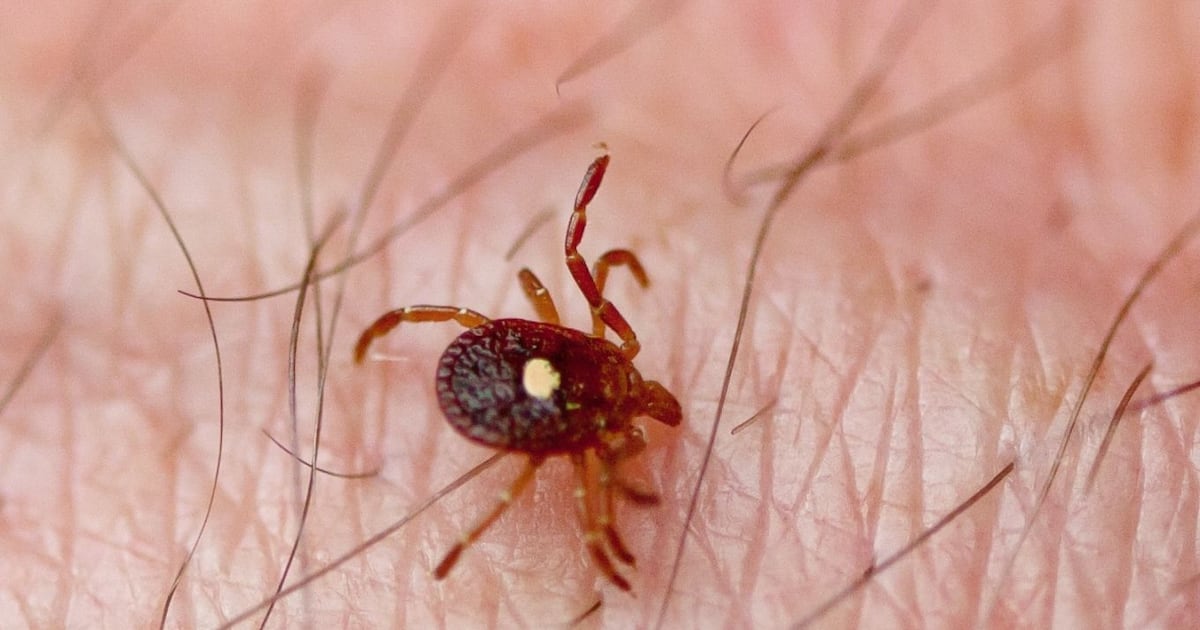
As the Canadian landscape thaws and residents head outdoors to enjoy the spring weather, health experts and advocates are issuing a stark warning: tick season has arrived early, and the risks are more significant than ever. With shifting climate patterns and a particularly insulating winter, the tiny arachnids are emerging in greater numbers, carrying a variety of debilitating pathogens.
A Life Altered by Tick-Borne Illness
For Donna Lugar of Nova Scotia, the danger of ticks is not theoretical. Diagnosed with a tick-borne illness 14 years ago, Lugar describes a harrowing experience that left her bedridden with over 40 distinct symptoms, including extreme light sensitivity. Today, she serves as a vocal advocate, urging Canadians to integrate tick checks into their daily routines. “You have to be careful,” Lugar warns, noting that the threat is no longer confined to specific summer months but can persist year-round depending on climate fluctuations.
The Biology of a Bite
The primary concern for Canadians is the black-legged tick. According to Vett Lloyd, a biology professor at Mount Allison University, these parasites are efficient vectors for disease. When a tick bites, it injects saliva containing a cocktail of microbes, bacteria, and viruses scavenged from local wildlife directly into the host’s bloodstream. Lloyd explains that this year’s population surge is partly due to heavy winter snowfall, which acted as an insulating blanket, protecting the ticks in the upper soil layers from freezing temperatures during the harshest months.
Beyond Lyme Disease: Emerging Pathogens
While Lyme disease remains the most prevalent tick-transmitted illness in Canada, infectious disease specialists like Dr. Isaac Bogoch are tracking other emerging threats. Infections such as Anaplasmosis, Babesiosis, and even Rocky Mountain Spotted Fever are appearing in regions where they were previously rare, including parts of southern Ontario. Symptoms can be severe and diverse, ranging from chronic fatigue and joint inflammation to nerve pain and facial paralysis. Experts emphasize that while these conditions are treatable, early detection and prevention through diligent tick checks remain the best defense against long-term health complications as these insects become a permanent fixture of the Canadian wilderness.
Road Warrior Canadiens Stun Hurricanes in Dominant Eastern Conference Opener
Ebola Crisis Escalates in Congo as WHO Raises Risk Assessment to ‘Very High’
Danielle Smith Faces Blowback from All Sides Over Convoluted Alberta Secession Referendum
Arctic ‘Rust’ Crisis: Thawing Permafrost Turns Pristine Canadian Rivers into Toxic Orange Acid
Montreal Hits Record High for Lyme Disease as Island Becomes Official Risk Zone
NASCAR Legend Kyle Busch Dies at 41, Leaving ‘Rowdy Nation’ in Mourning

Opinion: John Rustad Has to Go

B.C. Supreme Court Grants Cowichan Tribes Title to Historic Richmond Lands and Fishing Rights

Vancouver Canucks Gear Up for a Make-or-Break 2025–26 Season

Kamloops Blazers Announce Off-Season Changes Ahead of 2025–26 Season

BC Ferries Sparks Outcry Over Contract with Chinese Shipyard

A Taste of Autumn: Fall Okanagan Wine Festival 2025
-
business3 days ago
Canada Challenges China’s Dominance as Mark Carney Breaks Ground on Massive Matawinie Graphite Mine
-
Artificial Intelligence3 days ago
Google Unveils ‘Agentic’ Era: Major AI Search Redesign and New Gemini Omni Model
-
Hockey4 days ago
Rust vs. Rest: Eddie Olczyk Analyzes the Eastern Conference Final Clashes
-
Artificial Intelligence4 days ago
Google Enters the ‘Agentic Era’ with Gemini Spark and Next-Gen AI Hardware
-
Crime4 days ago
Major Breakthrough in B.C. Extortion Crackdown: 22-Year-Old Faces 13 Charges Following Crime Spree
-
business3 days ago
Unlocking Toronto’s Potential: Why Billy Bishop Airport Expansion is a Vital Economic Catalyst
-
Canada4 days ago
Tory Shake-up: Poilievre Navigates Leadership Crisis as Chief of Staff Exits
-
General3 days ago
Alberta Cabinet Shaken: Key Ministers Resign as Referendum Tensions Boil Over