Middle East
Diplomatic High Stakes in Islamabad: Iran Demands Concessions as Trump Warns of Military Action
Iran demands preconditions and frozen asset releases as high-stakes peace talks begin in Islamabad. Trump warns of military action if negotiations fail.


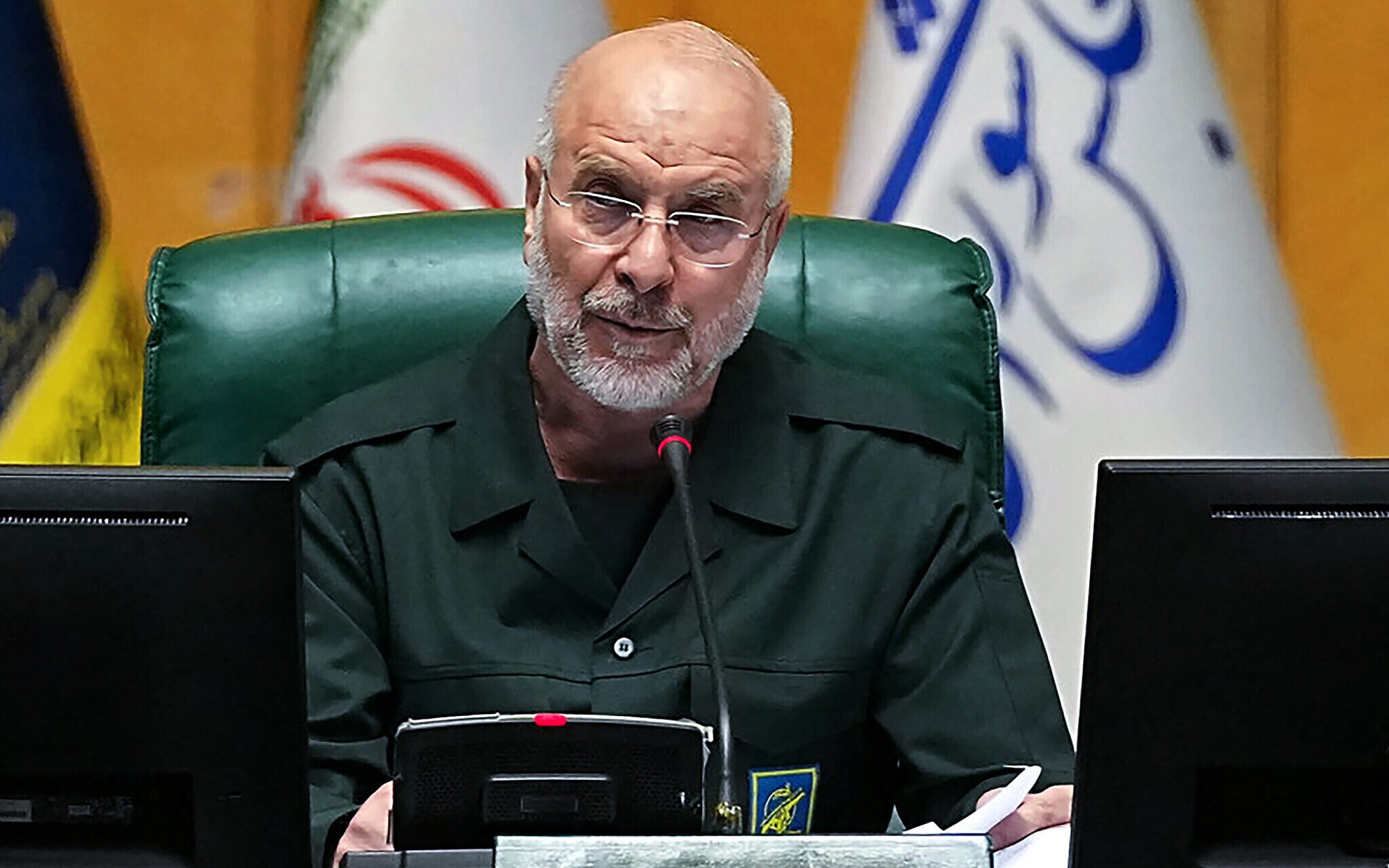
High-Level Delegations Converge on Pakistan
An Iranian delegation led by Parliament Speaker Mohammad Baqher Ghalibaf arrived in Islamabad on Friday, setting the stage for what Pakistani Prime Minister Shehbaz Sharif has termed “make or break” peace talks with the United States. Ghalibaf, accompanied by senior military, economic, and political officials, including the Iranian Foreign Minister and Central Bank Governor, immediately signaled a hardline stance by demanding the U.S. accept specific preconditions before formal negotiations begin.
Tehran’s Demands and the Frozen Asset Dilemma
Speaking from the Pakistani capital, Ghalibaf emphasized that while Iran maintains “goodwill,” it possesses “no trust” in the United States. Tehran’s list of demands is significant, including an immediate ceasefire in Lebanon—a point of contention as the U.S. and Israel have previously denied such a link to the current talks. Furthermore, Ghalibaf is calling for the release of billions of dollars in frozen Iranian assets. These demands highlight the Islamic Republic’s attempt to secure economic and regional relief as a prerequisite for any “genuine agreement” regarding its nuclear program and maritime conduct.
Trump Issues Stark Warnings Over Strait of Hormuz
As U.S. Vice President JD Vance traveled toward the summit, President Donald Trump escalated his rhetoric on social media and in interviews. Trump dismissed Iran’s negotiating position, claiming the country has “no cards” and is only “alive today to negotiate.” The President warned that if a deal is not reached, the U.S. is prepared to use military force, noting that warships are being “loaded up” with advanced weaponry. A central point of tension remains the Strait of Hormuz; while Trump disputed reports of Iran charging tolls in the international waterway, he vowed the strait would be reopened “one way or the other,” asserting that he would not allow any interference with international shipping.
A Pivotal Moment for Regional Stability
Host Prime Minister Sharif described the negotiations as a sincere effort to establish lasting peace. However, the wide gap between Ghalibaf’s preconditions and Trump’s “no nuclear weapon” mandate suggests a difficult path forward. With the U.S. signaling a “World’s Most Powerful Reset” and Iran demanding its “rights” and asset releases, the Islamabad summit represents a critical junction for Middle Eastern security and global oil markets.