Economy
Federal and Ontario Governments Slashing Development Charges in Massive Housing Push
Ontario and the federal government announce a 50% cut to development charges to stimulate housing starts and improve affordability for new homebuyers.


A Major Shift in Housing Affordability Policy
In a significant collaborative effort to address Canada’s housing crisis, Prime Minister Mark Carney and Ontario Premier Doug Ford are set to announce a landmark deal to reduce municipal development charges by up to 50 per cent across the province. The announcement, expected Monday in the Greater Toronto Area, represents a direct attempt by both levels of government to remove financial barriers that have long stifled residential construction. This move follows a previous joint agreement to lift the 13 per cent HST on the first $1 million of the cost of newly built homes, signaling a concerted effort to lower the entry price for first-time buyers.
Tackling the Cost of Construction
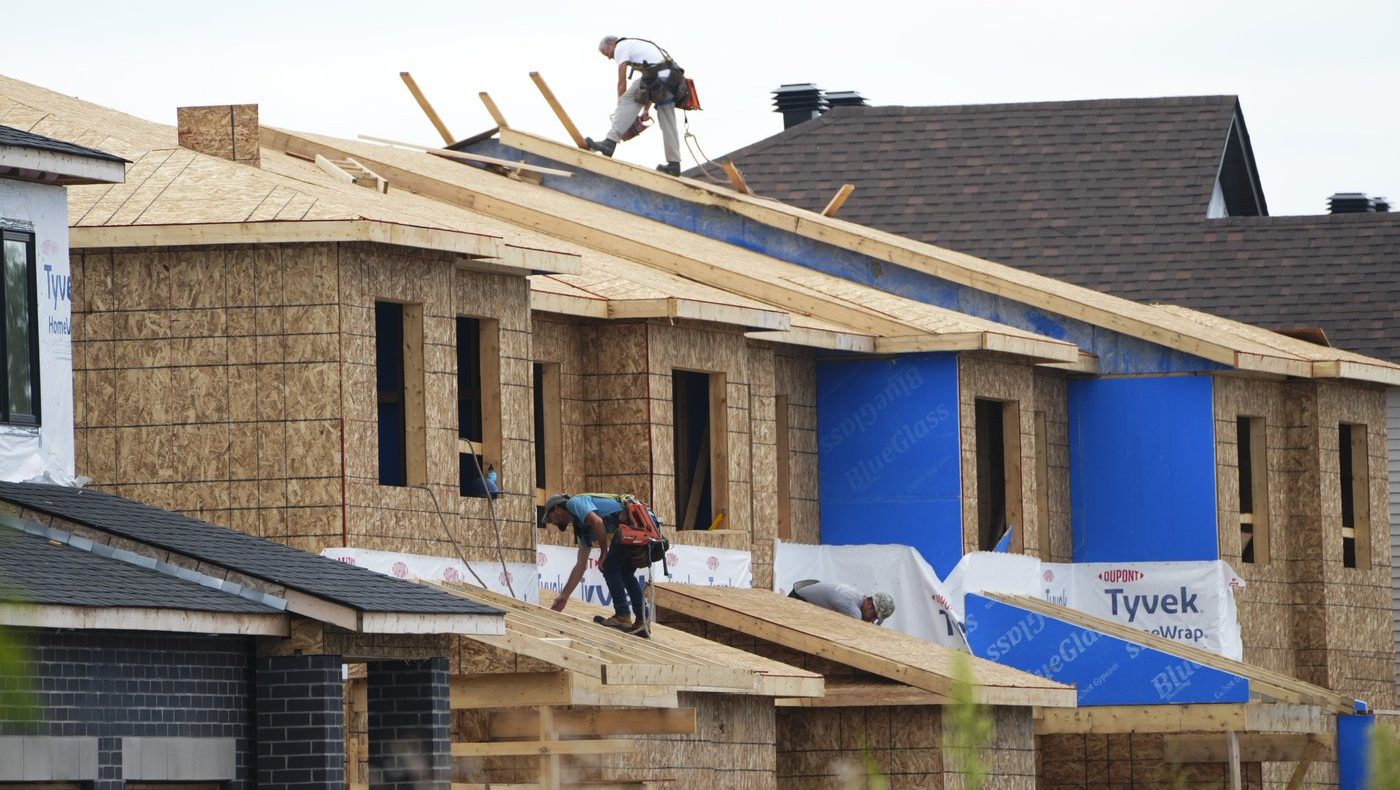
Development charges are fees levied by municipalities on developers to fund the infrastructure required for new growth, such as roads, water mains, and sewage systems. While necessary for urban expansion, these charges can add tens of thousands of dollars to the price of a single dwelling, making many projects financially unviable in the current economic climate. By cutting these fees in half, the government hopes to jumpstart building activity and get the province back on track toward its ambitious goal of 1.5 million new homes over the next decade.
Federal Funding and the Build Communities Strong Fund
The federal government will utilize the Build Communities Strong Fund to facilitate these cuts. This $51-billion infrastructure initiative, established in last November’s budget, includes a specific stream designed to provide matching funds to provinces that help municipalities reduce their development levies. By providing this financial backstop, the federal government aims to mitigate the immediate revenue loss for cities, though the long-term impact on municipal budgets remains a point of contention.
The Municipal Financial Dilemma
Despite the potential for increased housing supply, municipal leaders have expressed deep concern regarding the funding gap created by these cuts. The Association of Municipalities of Ontario (AMO) previously warned that without full replacement of this revenue, property taxes for existing homeowners could rise by an average of 20 per cent. Critics argue that while the policy lowers costs for new buyers, it essentially shifts the financial burden of infrastructure from developers to the broader taxpayer base, sparking a debate over the sustainability of local government financing.