General
Global Markets on Edge as Trump Issues 48-Hour Ultimatum to Iran Over Strait of Hormuz
President Trump issues a final 48-hour ultimatum to Iran to reopen the Strait of Hormuz or face severe consequences, including potential strikes on infrastructure.


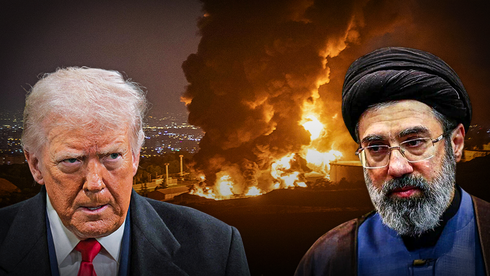
Rising Tensions in the Persian Gulf
President Donald Trump has significantly escalated his rhetoric against Tehran, issuing a final 48-hour ultimatum for Iran to either reach a comprehensive diplomatic deal or reopen the Strait of Hormuz. The announcement, made via his Truth Social platform on Saturday, follows a previous 10-day deadline that was set to expire Monday evening. Trump warned of severe military consequences if compliance is not met, stating that ‘all hell’ would be unleashed upon the region.
The Strategic Importance of the Strait
The Strait of Hormuz is widely regarded as the world’s most important oil transit chokepoint. Linking the Persian Gulf with the Gulf of Oman and the Arabian Sea, it carries approximately one-fifth of the world’s total oil consumption. The passage has been largely blocked since the onset of recent regional conflicts, leading to increased shipping costs and heightened fears of a global energy crisis. Trump’s demand for the reopening of this route underscores the administration’s priority to stabilize global energy markets and restore international trade flow.
Potential for Military Escalation
In his recent communications, the President has been explicit regarding the potential for U.S. intervention. If Iran fails to meet the deadline, the White House has suggested that U.S. strikes could target critical Iranian infrastructure, including power plants and maritime military assets. Military analysts suggest that such a move would represent a significant departure from previous containment strategies, potentially drawing regional allies into a broader conflict.
Diplomatic and Economic Implications
The 48-hour window leaves little room for traditional diplomatic maneuvering. While Tehran has yet to issue a formal response to the shortened deadline, international observers are closely monitoring the situation for signs of mobilization or de-escalation. Economic experts warn that any disruption in the Strait or an outbreak of kinetic warfare could cause oil prices to spike, impacting global inflation and supply chains already strained by geopolitical volatility.