Health
New Meta-Analysis Identifies Key Risk Factors for Childhood Food Allergies
A meta-analysis of 190 studies in JAMA Pediatrics identifies 38 risk factors for childhood food allergies, including eczema and late peanut introduction.


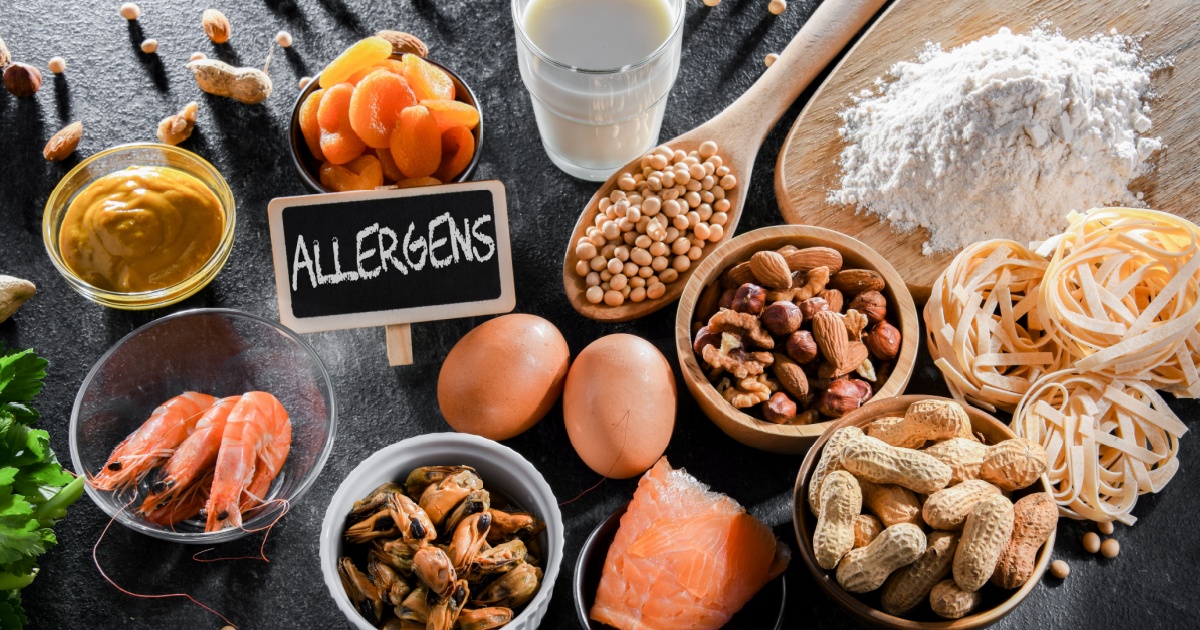
Understanding the Landscape of Pediatric Food Allergies
Food allergies represent a significant health challenge for millions of families worldwide. While many reactions are mild, for approximately 33 million Americans—including 8% of children—the risk of a life-threatening anaphylactic reaction is a daily reality. To better understand the origins of these conditions, an international team of researchers from the United States, Canada, and Argentina conducted a comprehensive meta-analysis of 190 different studies. Their findings, recently published in JAMA Pediatrics, offer a clearer picture of the factors that may predispose a child to severe food allergies.
The Critical Risk Factors Identified
The research team evaluated 342 individual risk factors across the various studies, eventually narrowing the field to 38 factors deemed to have high or moderate certainty. Among the most prominent risk factors identified were pre-existing conditions such as eczema and early-life respiratory issues like wheezing. Interestingly, the study also highlighted birth methods—specifically C-section deliveries—and environmental factors as potential contributors to the development of allergies later in childhood.
Shifting Guidelines and Proactive Prevention
One of the most significant takeaways from the meta-analysis involves the timing of food introduction. Historically, pediatric guidelines suggested delaying the introduction of common allergens like peanuts until the age of two. However, this study reinforces contemporary medical advice which suggests that early introduction of peanut products can actually minimize the risk of developing a severe allergy. This shift in strategy emphasizes that proactive exposure, rather than avoidance, may be key to building immune tolerance in young children.
A Lower Estimated Incidence Than Previously Thought
Despite the identification of these risk factors, the study offered a note of reassurance for parents. The researchers estimated the actual incidence of food allergies among young children to be approximately 4.7%, a figure lower than previous estimates. While the presence of risk factors like eczema or a C-section birth does not guarantee an allergy will develop, the data allows medical professionals to create better best-practice guidelines. For parents, understanding these indicators is the first step in making informed dietary decisions and recognizing early symptoms before they escalate into emergencies.