LOCAL
Optimizing Winter Wheat: Why Timely Fall Planting is Critical for Maximum Yields
Expert insights on how timely fall planting, MAP application, and proactive weed control drive winter wheat yields and combat challenges like stripe rust.


The Importance of the Planting Window
As the winter wheat season approaches, agricultural experts are emphasizing the critical role of timing in establishing a high-yielding crop. During the recent Wheat Wisdom Wednesday event held at C&M Seeds near Palmerston, industry specialists gathered to discuss how early decisions in the fall directly impact harvest results the following year. Joanna Follings, a cereals specialist with the Ontario Ministry of Agriculture, Food and Agribusiness, highlighted that meeting the ideal planting window is the most effective tool available to producers.
Foundation for Resilience
According to Follings, fields planted within the recommended window last year exhibited significantly better winter survival and spring vigor. These early-established crops developed robust root systems and high tillering rates, setting the stage for maximum yield potential. In contrast, later-planted fields struggled to recover during a slow, cool spring. A key factor in this survival was the use of monoammonium phosphate (MAP) applied in-furrow with the seed, which proved vital for crop health during adverse weather conditions.
Strategic Weed and Disease Management
Proactive management remains the best defense against persistent threats like stripe rust and invasive weeds. While growers benefited from a delayed weed growth cycle last season, experts warn that such luck is unlikely to repeat. Fall weed control, particularly for problematic species like bluegrass, is highly recommended to prevent spring infestations. Follings noted that while spring herbicide applications are often the goal, timing constraints mean fall applications are frequently more reliable and effective.
Managing the Stripe Rust Threat
Stripe rust continues to be a growing concern for Ontario wheat producers, appearing earlier in the season each year. To mitigate this, growers are encouraged to understand the susceptibility of their specific varieties and consider a two-pass fungicide program. Despite these challenges, the current outlook remains optimistic. Cool temperatures have created favorable grain-filling conditions, leading experts to hope for another successful winter wheat harvest across the region.

LOCAL
Summerland Transitions Remaining Properties to Prohibit-Entry Orders as Wildfire Evacuations End
Summerland rescinds all wildfire evacuation orders nearly two months after the Bald Range blaze, moving affected properties to prohibit-entry status.

District Moves to Prohibit-Entry Orders
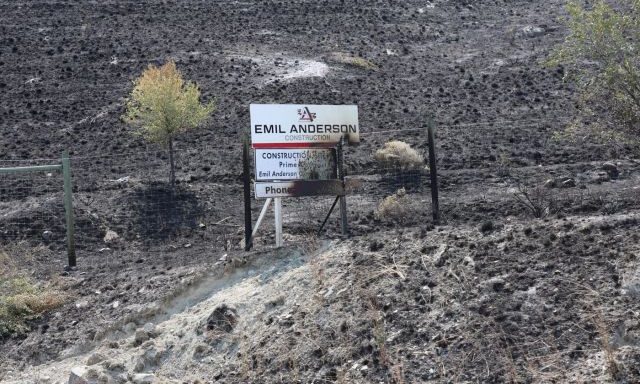
Nearly two months after the Bald Range wildfire swept through the region, the District of Summerland has officially rescinded every remaining evacuation order. Properties that were previously under evacuation orders have now been moved to a prohibit-entry status, according to local officials.
Recovery Work and Restricted Access
The restricted zone includes roughly 30 properties, with entry limited strictly to authorized personnel. District officials stated in a release that post-wildfire hazard assessments are currently underway, and keeping access restricted is necessary to guarantee that recovery efforts proceed in a safe and efficient manner.
Impact of the August Blaze
The fast-moving wildfire began on the evening of Aug. 7, resulting in the evacuation of thousands of people from Summerland and neighboring areas. Approximately 150 structures were either damaged or destroyed by the blaze. During the evacuations, an 80-year-old woman in nearby Meadow Valley died, with police confirming her death was a result of the wildfire.
LOCAL
What LNG Canada’s Phase 2 Expansion Means for BC Energy and Jobs
LNG Canada approves its $33-billion Phase 2 expansion in Kitimat, B.C., doubling export capacity to 28 million tonnes and adding up to 4,000 jobs.
Kitimat Expansion to Double Natural Gas Exports
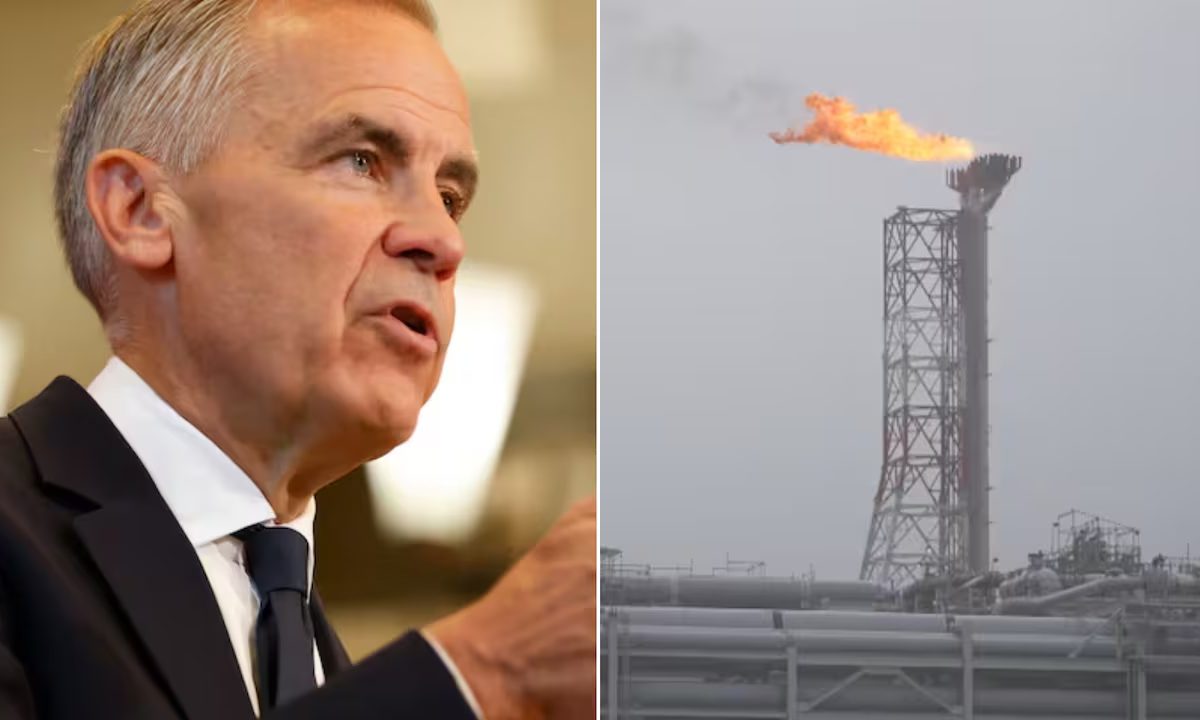
A multibillion-dollar expansion at the LNG Canada facility in Kitimat, B.C., is moving forward. CEO Chris Cooper confirmed Tuesday that Phase 2 will proceed, a step expected to double export capacity from 14 million to 28 million tonnes per year. LNG Canada—a joint venture between Shell, Petronas, PetroChina, Mitsubishi Corporation, and Korea Gas Corp.—shipped its initial cargo to Asian markets last year.
Economic Impact and Political Reactions
Prime Minister Mark Carney stated in Vancouver that the private sector investment of roughly $33 billion will transform the project into the second-largest facility of its type globally. He noted the expansion will generate up to 4,000 jobs in Kitimat during peak construction and bring billions to the national economy by linking low-cost Canadian energy overseas.
Skeena-Bulkley Valley Conservative MP Ellis Ross credited Indigenous leaders for establishing the industry, dismissing praise for politicians as “a nothingburger.” He noted past opposition from provincial politicians before the project was realized.
Pipeline Upgrades and Environmental Debates
To support the added capacity, LNG Canada is collaborating with Coastal GasLink to construct five new compressor stations along the existing 670-kilometre pipeline in northern B.C. The line crosses territory where Wet’suwet’en hereditary chiefs and supporters previously mounted opposition that resulted in arrests and protests.
The expansion has drawn criticism from environmentalists, who warn that rapid growth in hydraulic fracturing increases emissions during a climate crisis. Hydraulic fracturing in B.C. and Alberta has also been associated with rising earthquake activity in the Peace River region. Critics cite a federal report predicting a 5 C warmer future for Canada, leading to severe droughts and glacier loss. Meanwhile, the B.C. Greens have called for a moratorium on LNG projects, contrasting with the B.C. NDP and B.C. Conservatives, who both support expanding production ahead of the provincial election.
HEALTH
Ottawa Faces Calls to Reconsider Temporary Resident Limits as Demonstrations Surge
Migrants and advocates rallied across Canada to protest federal plans limiting temporary resident numbers as Parliament prepares to resume.
Demonstrations Erupt Nationwide Over Federal Policy Changes
Demonstrators gathered in Vancouver and across Canada on Sunday to challenge federal measures aimed at curbing the nation’s temporary resident population. The rallies, organized by the Migrant Rights Network across 11 locations including British Columbia, Ontario, Quebec, and Prince Edward Island, occurred just ahead of Parliament’s resumption.
Federal policy changes introduced in 2024 have established tighter regulations for temporary foreign workers and set caps on study permits. The government aims to shrink non-permanent residents from a peak of 7.6 per cent of the population in October 2024 to below five per cent by late 2027, citing pressure on healthcare, housing, and public services. Parliamentary Budget Officer data shows net inflows of non-permanent residents reached nearly 800,000 in 2023.
Local Rallies Highlight Community Impacts
In Vancouver, advocates and residents assembled at Memorial South Park, symbolically bashing a piñata representing Bill C-12, recent federal legislation tightening asylum and immigration rules. Local rally participants expressed deep concern that shifting federal policies leave workers facing deportation, expiring permits, and difficult working conditions despite having followed official processes.
Organizers are urging Ottawa to provide permanent status to migrants currently in the country, auto-renew study and work permits, halt deportations, and eliminate employer-tied permits. Campaign materials from the Migrant Rights Network argued that blaming migrants fails to address rising rents, healthcare pressures, or wage issues, warning that policy shifts risk dividing workers.
Your Current 3 Day Forecast — October 6, 2026

BC Lions Hold Off Toronto Argonauts Behind Sean Whyte’s Record Eight Field Goals

Search Continues After Ontario-Based Medical Flight Vanishes Near Massachusetts Coast
Your Current 3 Day Forecast — October 5, 2026
Your Current 3 Day Forecast — October 4, 2026

Summerland Transitions Remaining Properties to Prohibit-Entry Orders as Wildfire Evacuations End

Opinion: John Rustad Has to Go

B.C. Supreme Court Grants Cowichan Tribes Title to Historic Richmond Lands and Fishing Rights

Vancouver Canucks Gear Up for a Make-or-Break 2025–26 Season

Kamloops Blazers Announce Off-Season Changes Ahead of 2025–26 Season

BC Ferries Sparks Outcry Over Contract with Chinese Shipyard

A Taste of Autumn: Fall Okanagan Wine Festival 2025
-

 OPINIONS6 days ago
B.C.’s 93-Riding Scramble: Can the Parties Even Find Enough Candidates?
-

 BC STORIES4 days ago
Why OneBC’s Interim Leader Is Proposing an Election Pact With Conservatives
-

 BC STORIES6 days ago
BC Greens Pledge Free Childcare by 2031 and Introduce Victoria-Swan Lake Candidate
-
 NATIONAL STORIES6 days ago
Will they use Chinese Steel over Canadian like Phase One?
-
SPORTS4 days ago
Maple Leafs vs Islanders Result: Easton Cowan Scores in 2-1 Win
-

 NATIONAL STORIES4 days ago
Why NDP Leader Avi Lewis Says the West Coast Pipeline Plan Risks Public Funds
-
SPORTS5 days ago
Why the Edmonton Oilers Will Be Without Ryan Nugent-Hopkins Against Vancouver
-
NATIONAL STORIES5 days ago
Why a Canadian Nationalist Group’s Hidden Recruitment Practices Are Drawing Scrutiny