Middle East
Trump Asserts Iran ‘Begging’ for Negotiations Amid Middle East Maritime Tensions
President Trump claims Iran is ‘begging’ for a deal while allowing tankers through the Strait of Hormuz as a gesture, amid new criticisms of NATO and the UK.


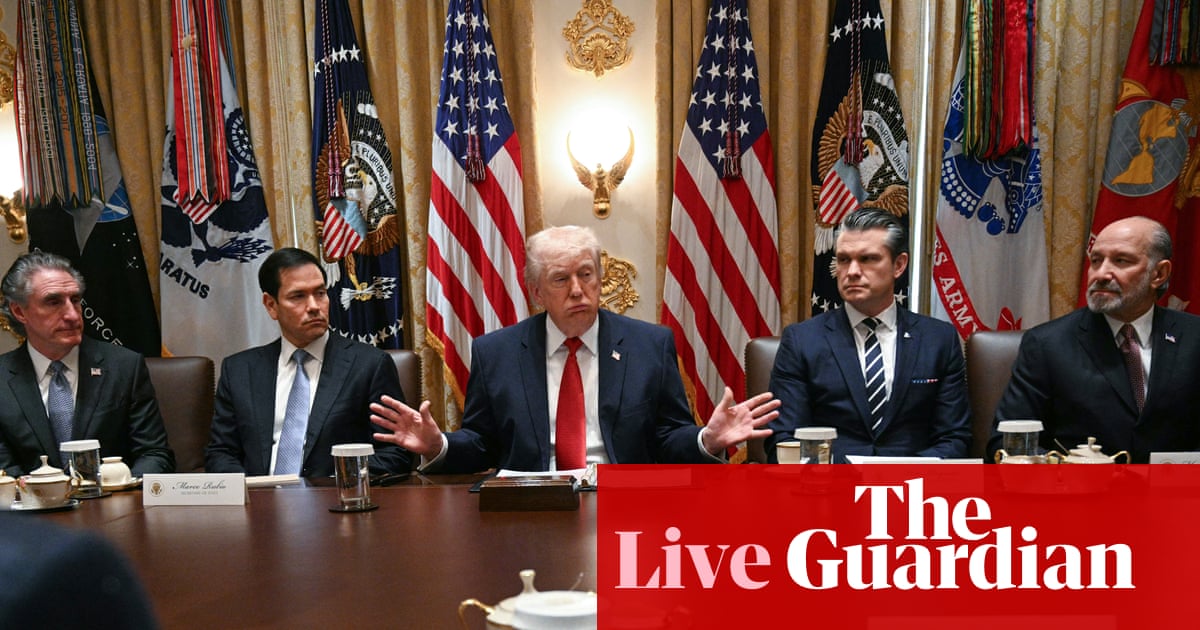
Rising Tensions and Surprising Claims
In a high-profile cabinet meeting, President Donald Trump has made bold assertions regarding the ongoing crisis in the Middle East, claiming that Tehran is effectively ‘begging’ to return to the negotiating table. The President suggested that the Iranian regime’s recent actions—including the release of certain tankers through the strategic Strait of Hormuz—were intended as a ‘present’ to the United States and its allies, signalling a potential shift in the regional standoff.
Diplomatic Barbs and International Relations
The President’s comments were not limited to the Iranian leadership. During the session, he also leveled fresh criticisms against traditional allies, specifically targeting NATO and the United Kingdom. Trump reiterated his long-standing grievances regarding defense spending among NATO members, accusing them of relying too heavily on American resources. The sharp rhetoric toward the UK comes at a sensitive time for the ‘Special Relationship,’ adding another layer of complexity to the coordinated maritime security efforts in the Persian Gulf.
The Strait of Hormuz Standoff
The situation in the Strait of Hormuz remains the focal point of global economic and security concerns. Following several seizures of international vessels by the Islamic Revolutionary Guard Corps (IRGC), the U.S. has been pushing for a coalition-led maritime mission. Trump’s claim that Iran is now allowing some tankers to pass as a gesture of goodwill contrasts with the official reports from Tehran, which continue to emphasize their sovereignty over the waters and their resistance to U.S.-led economic sanctions.
Impact on Global Oil Markets
While the President paints a picture of a de-escalating conflict, analysts warn that the underlying issues remain unresolved. The ‘maximum pressure’ campaign led by the White House continues to squeeze the Iranian economy, and the lack of a formal diplomatic channel means the risk of accidental military escalation remains high. The international community is closely watching to see if these ‘presents’ will lead to a substantive dialogue or if they are merely temporary tactical adjustments in a broader geopolitical chess match.