BC STORIES
Vernon and Spallumcheen Residents Face Prolonged Outages Following Bradley Creek Wildfire Damage
Bradley Creek wildfire damages electrical systems near Vernon and Spallumcheen. BC Hydro warns residents of prolonged outages as crews replace power poles.

Crews Address Grid Damage as Outages Persist
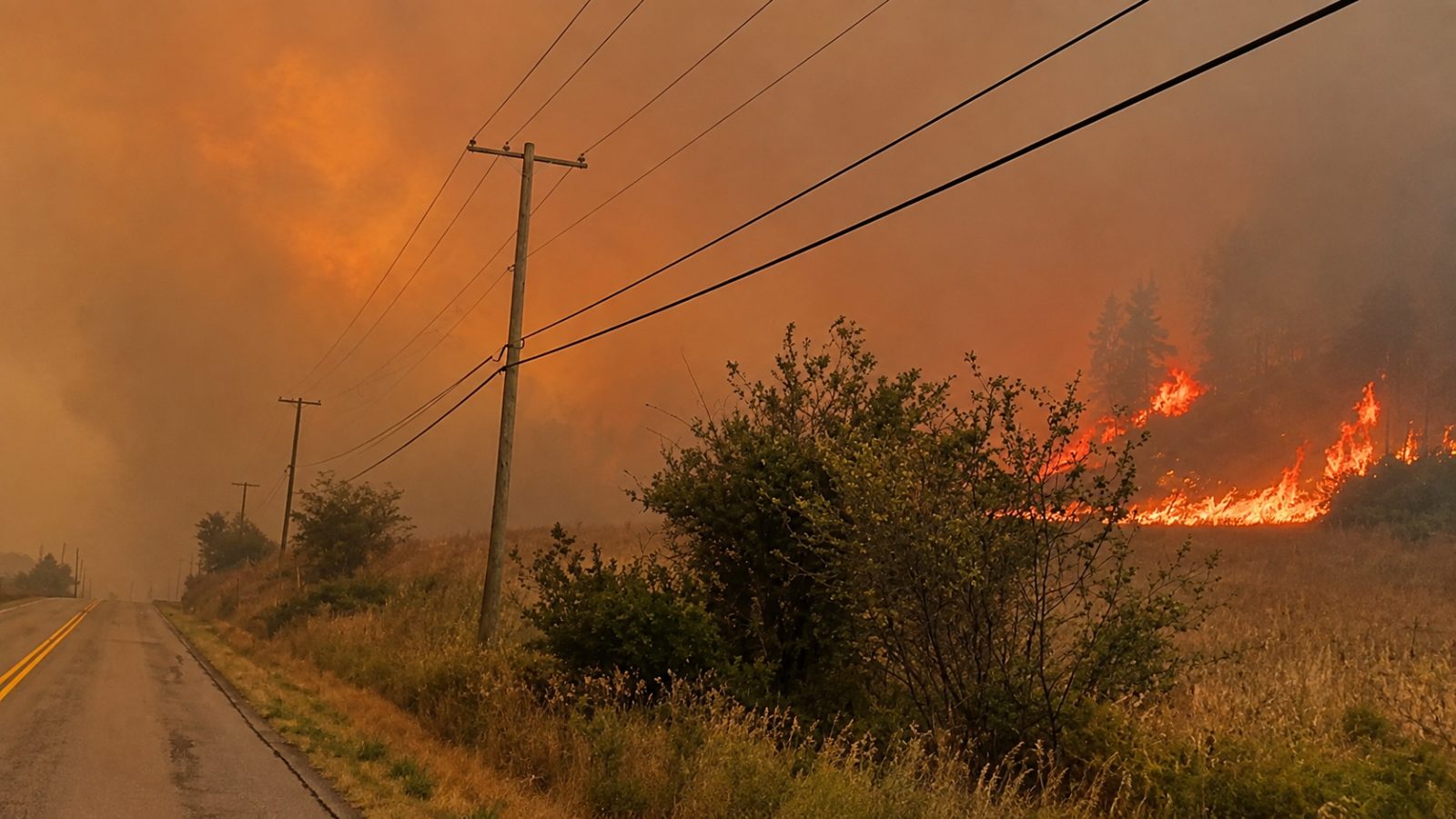
Monday, August 3 2026, severe damage from the Bradley Creek wildfire has impacted local power systems across the Spallumcheen and Vernon regions. BC Hydro has issued a warning to area residents to prepare for extended power disruptions while recovery efforts proceed.
Utility workers have successfully restored power to a segment of customers situated along Westside Road, lowering the overall count of affected users from more than 3,500 down to roughly 1,700. However, extensive destruction across the electrical network continues to be managed by crews on site.
Repair Challenges and Restoration Estimates
Early evaluation of the damage indicates that crews must replace a minimum of 150 power poles. Official expectations suggest this figure will increase as personnel obtain entry into additional affected locations. At present, BC Hydro is focused on stabilizing compromised infrastructure while securing clear routes for BC Wildfire Service personnel and emergency first responders.
The timeline for full restoration remains uncertain. Utility officials note that progress depends heavily on the safety of repair personnel, local weather conditions, ongoing wildfire activity, and site accessibility.




BC STORIES
Restored Mill Creek Pathway In Kelowna to Offer Boosted Flood Protection and Wildlife Habitat
The City of Kelowna has finished construction and planting along a 650-metre stretch of Mill Creek, improving flood protection and fish habitat.

Restoration Milestone Reached at Parkinson Recreation Park
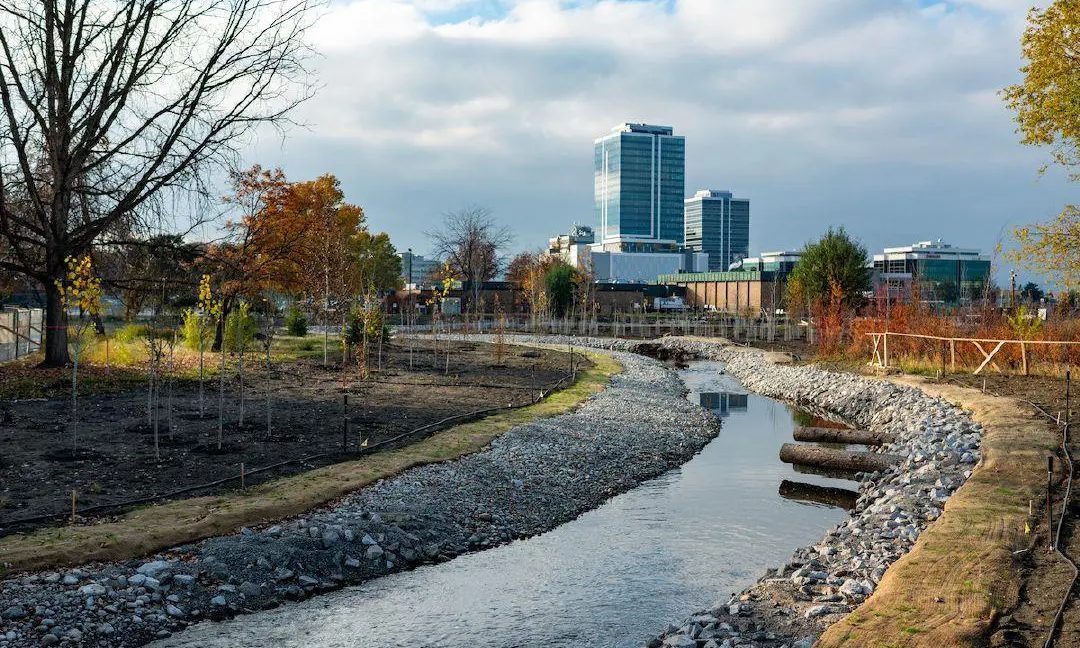
A major milestone has been reached in Kelowna’s efforts to build a healthier and climate-resilient waterway along Mill Creek. The City of Kelowna announced that construction and planting work is now complete across a 650-metre stretch of the creek passing through Parkinson Recreation Park.
To support higher water flows, crews removed retaining walls, creek banks, and floodplain areas. The project naturalized stream elements by adding spawning gravel, deeper pools, riffles, wood, and new wetland habitat tailored for amphibians and turtles. Near the restored channel, nearly 780 trees along with 6,400 shrubs and grasses were planted.
Collaborative Effort and Wildlife Recovery
The project included collaboration with the Westbank First Nation and the Okanagan Nation Alliance. Staff from both nations assisted in shaping a dedicated community gathering area, selecting preferred plants, and deepening the understanding of environmental flows and fish spawning.
“The City engaged a number of biologists to support wildlife assessments and fish salvage throughout construction. Early signs of recovery have already been visible as salmon returned to spawn in the restored section within weeks of water flowing through the new channel this fall,” according to a press release from the City of Kelowna.
Infrastructure and Flood Mitigation Benefits
The broader Mill Creek Flood Protection project receives partial funding via a $22 million contribution from the federal government. City officials emphasized the multi-purpose design of the updated waterway.
“Mill Creek is a great example of infrastructure that does more than one job, reducing flood risk for nearby homes, businesses and public facilities – all while improving water quality for the stream and lake and bringing natural habitat back to the heart of our city,” said Mac Logan, general manager of infrastructure.
Rod MacLean, utility operations department manager, noted the functional improvements of expanding the creek’s reach. “Giving Mill Creek room to spread out onto its floodplain means it can safely route the high spring freshets, while naturalizing creek elements to allow for better water quality and fish spawning conditions,” MacLean said. “It’s satisfying to see the creek already working the way it should.”
The restored section will remain closed to the public until the new year so the newly planted vegetation can establish growth.
BC STORIES
Highland Valley Copper Strike Escalates as BC Federation of Labour Issues Hot Edict
BCFED has issued a hot edict urging unions not to handle Highland Valley Copper products as the USW strike against Teck Resources near Logan Lake escalates.
Labour Federation Directs Union Members to Block Mine Products
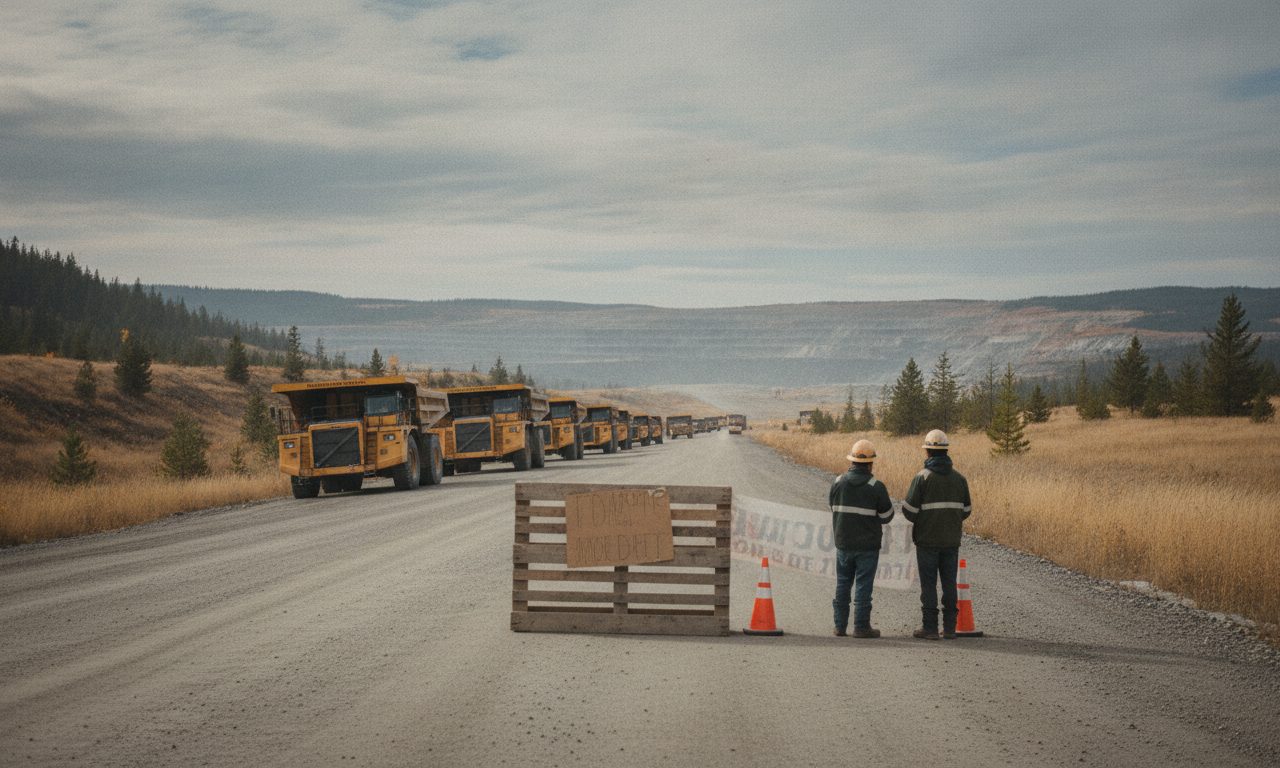
In response to an ongoing strike at Canada’s largest open-pit copper mine, the BC Federation of Labour has directed affiliated unions and members to cease handling mineral products and by-products tied to Highland Valley Copper. The hot edict, announced by the central labour organization, specifically targets copper and molybdenum concentrates from the Logan Lake area site to apply financial pressure on owner Teck Resources.
BCFED President Sussanne Skidmore described the move as an extraordinary measure, stating that the employer appears to believe it can outlast striking workers and bypass both the dispute and provincial anti-scab legislation. Over 1,200 workers represented by United Steelworkers Local 7619 have been on strike since walking off the job on Oct. 24. Union members voted unanimously to strike two weeks after their previous five-year agreement expired on Sept. 30.
Dispute Focuses on Wages, Safety, and Working Conditions
The striking employees are seeking improvements in compensation, pension protections, and workplace health and safety. Additionally, USW Local 7619 is calling on Teck Resources to address challenges related to recruiting and keeping skilled staff at the operation. Scott Lunny, Western Canada Director for the United Steelworkers, pointed to the company’s recent financial results, criticizing Teck for seeking concessions while reporting strong profits rather than meeting wage and pension demands.
Teck Reports Higher Profits Amid Ongoing Mine Expansion
Despite the labour stoppage, Teck Resources indicated during its third-quarter conference call that annual production at the mine is anticipated to reach the upper end of its target. Driven by elevated copper and zinc prices, the company reported third-quarter profit attributable to shareholders of $1.59 billion, or $3.24 per diluted share, an increase from $281 million, or 57 cents per diluted share, during the same period last year.
Teck stated it has implemented contingency measures and noted that the strike’s impact on overall output will depend on its duration. The company expressed its commitment to reaching a fair and reasonable collective agreement that maintains operational viability. A major expansion project is currently underway at the site near Logan Lake to extend the mine’s lifespan from 2028 to 2046.
BC STORIES
Why B.C. Ferry Workers Are Fighting for Federal Funding as Fares Risk 30 Per Cent Hike
BC Ferries union and local MPs demand Ottawa address funding disparities as rising operating costs threaten a 30 per cent fare increase by 2028.
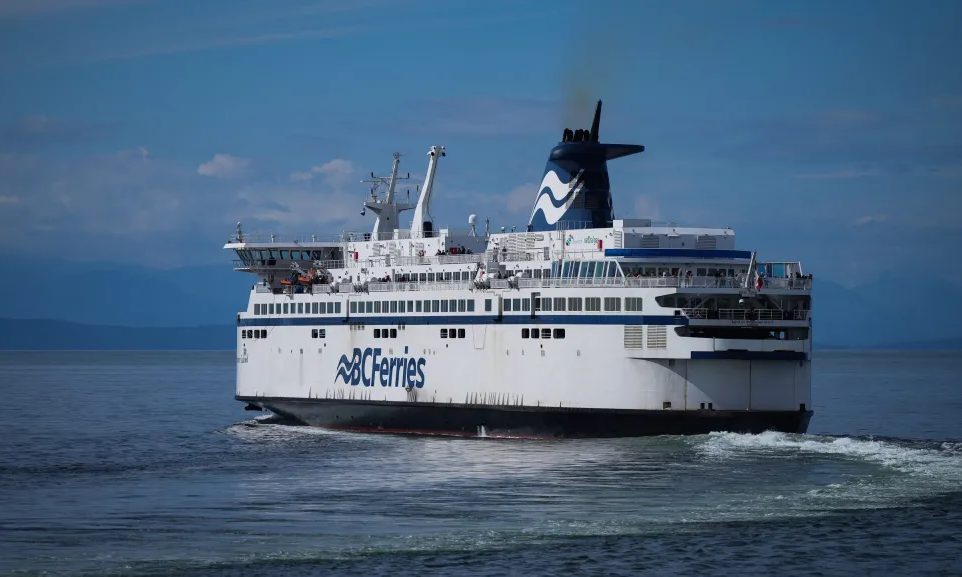
Ferry Workers Union Highlights Funding Disparity
The union representing B.C. ferry workers is questioning why the federal government has left British Columbia’s ferry system out of federal funding support. While Ottawa covers 43 per cent of operating costs for Atlantic ferry services, it pays just three per cent of BC Ferries’ operating expenses. According to Courtenay-Alberni NDP MP Gord Johns, British Columbians receive about six dollars per capita from the federal government for ferry operating costs compared to $125 per capita for Atlantic Canada, leaving B.C. with no direct infrastructure funding.
Flares and Operational Costs Drive Projected Fare Increases
As the largest passenger ferry operator in North America, BC Ferries warned two years ago that fares could need to increase by approximately 30 per cent in 2028 to keep up with capital and operational expenses. The corporation noted that shipbuilding costs have increased by 40 per cent alongside rising fuel and labor expenses. Additionally, four new planned vessels are estimated to cost more than one billion dollars.
Calls for Federal Action from Local Representatives
Despite active lobbying by Vancouver Island politicians and the BC Ferry & Marine Workers Union, the recent federal budget included no funding for the corporation. Eric McNeely, president of the union, confirmed letters were sent to federal officials requesting support. McNeely expressed disappointment, noting that North America’s largest ferry system carries more passengers than all other Canadian ferries combined yet receives less federal funding. McNeely is urging B.C.’s new Conservative government to demand federal funding, while Johns emphasized that B.C. deserves equal treatment as the country’s only marine province without additional federal ferry support. Victoria Liberal MP Will Greaves was unavailable for comment when contacted.

Restored Mill Creek Pathway In Kelowna to Offer Boosted Flood Protection and Wildlife Habitat

RCMP Are Seeking Public Help After a Disturbance at Burger King

Collapsing Truce Drives Worsening Humanitarian Crisis in Yemen Following Strikes
Your Current 3 Day Forecast — November 8, 2026

Why Emergency Rooms Across Canada Are Facing New Strains From Street Drug Additives

Highland Valley Copper Strike Escalates as BC Federation of Labour Issues Hot Edict

Opinion: John Rustad Has to Go

B.C. Supreme Court Grants Cowichan Tribes Title to Historic Richmond Lands and Fishing Rights

BC Ferries Sparks Outcry Over Contract with Chinese Shipyard

Vancouver Canucks Gear Up for a Make-or-Break 2025–26 Season

Kamloops Blazers Announce Off-Season Changes Ahead of 2025–26 Season

A Taste of Autumn: Fall Okanagan Wine Festival 2025
-

 BC STORIES5 days ago
Community Rallies to Secure Federal Protection for Historic O’Keefe Ranch
-

 BC STORIES5 days ago
Why the B.C. NDP is forced to rebuild trust following a costly election loss
-
 BC STORIES5 days ago
Highland Valley Copper Workers Stand Firm as Strike Crosses One-Week Mark
-

 BC STORIES4 days ago
What to Expect as B.C. Prepares for Its First New Government in Nine Years
-

 SPORTS5 days ago
Canucks Surrender Third-Period Lead to Sharks in 3-2 Loss
-

 NATIONAL STORIES6 days ago
Judge Refuses Delay for Sackville Man Seeking MAID During Murder Sentencing
-

 COMMUNITY4 days ago
The week ahead in West Coast: Mon 2 — Sun 8 November
-

 OPINIONS6 days ago
Kelowna Centre’s 132-Vote Warning: Nobody Owns This Riding