BC STORIES
Voters face choice on family support as NDP campaign shifts focus away from U.S. tariff threats
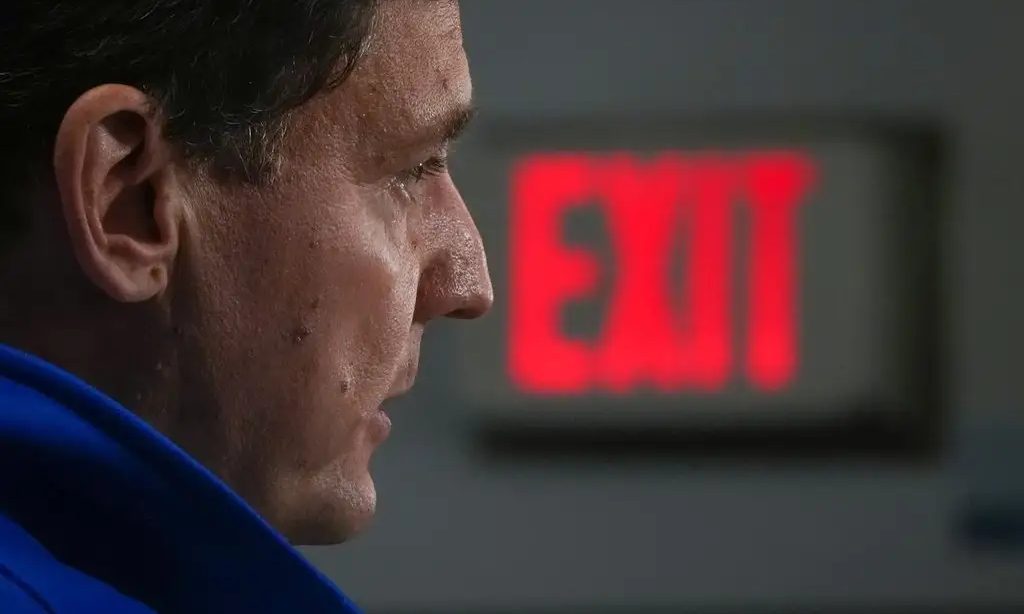
B.C. NDP Leader David Eby shifts election campaign focus from Donald Trump’s trade threats to household affordability and health care ahead of the Oct. 24 vote.

Affordability takes center stage in provincial campaign
With the provincial election set for Oct. 24, B.C. NDP Leader David Eby is emphasizing cost-of-living challenges over previous warnings about American trade policies. Speaking on Tuesday during a campaign event at the Victoria Curling Club, Eby noted that deciding which party can best assist families during difficult times remains the core issue for voters.
Acknowledging differing views on U.S. leadership
When Eby initiated the snap election on Sept. 22, he framed the campaign around building a “firebreak” to protect British Columbia from Donald Trump’s economic policies and political style. However, the NDP leader now acknowledges that his concerns regarding the U.S. president are not shared by everyone in the province.
“Whether you believe and accept that Trump is making it much worse, it doesn’t matter because you’re still understanding that the cost of living is significant, that we need a strong public health-care system if you and your family get sick,” Eby said.
Opposition calls for action over press releases
The stance comes alongside criticism from interim B.C. Conservative leader Lorne Doerkson, who described Trump at the start of the campaign as an “absolute bully.” Doerkson argued that confronting threats from the U.S. requires concrete action rather than issuing press releases.
Despite varying public anxieties, Eby maintains that U.S. actions continue to exert a real impact on British Columbians, even as his campaign shifts its primary focus back to household budgets and public services.








BC STORIES
Shrinking Fraser River Sockeye Numbers Threaten B.C. Economy, First Nations Culture, and Local Tourism
Fraser River sockeye salmon returns dropped to 3 million in a dominant year, raising concerns for B.C.’s economy, First Nations culture, and Adams River runs.
Drastic Drop in Peak-Cycle Sockeye Numbers
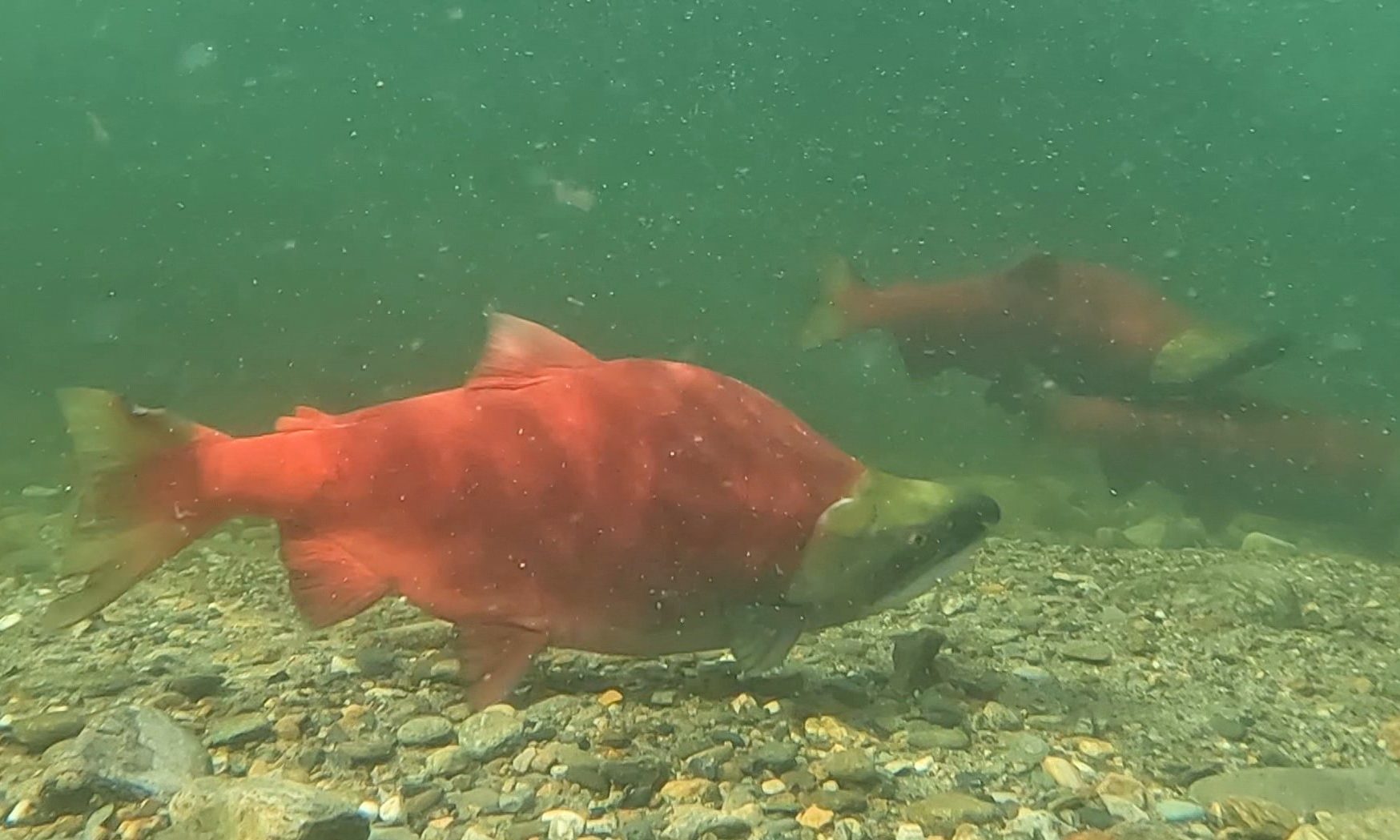
This fall’s Fraser River sockeye salmon migration yielded historically low returns for what was expected to be a dominant four-year run. Approximately 3 million sockeye returned to spawn overall, with an estimated 200,000 to 300,000 reaching spawning grounds in the Adams River region. Experts are raising concerns over the low figures, comparing them to 2010 when the same four-year cycle saw nearly 28 million fish return to the Fraser River watershed.
Hwang noted that the sharp drop severely limited access to a resource vital to British Columbia’s economy, First Nations food security and culture, and recreational angling opportunities. While causal factors remain complex, researchers point to changing ocean conditions driven by climate change, along with drought, forest fires, and human activities. In the Thompson-Shuswap region, an action plan by the Thompson-Shuswap Salmon Collaborative indicates that 12 out of 18 salmon populations face at-risk designations from the Committee on the Status of Endangered Wildlife in Canada.
Calls to Revisit National Inquiry Findings
To address the ongoing drop in returns, Hwang suggested reviewing the 75 recommendations made by Justice Bruce Cohen during the late 2000s national commission of inquiry into Fraser River sockeye declines. Many of those costly recommendations have not been fully implemented despite similar low returns in 2009. Hwang likened salmon survival to drawing cards in a card game, where habitat conditions, ocean survival, and migration hurdles combine to dictate yearly success.
Last year saw an unexpected return of around 9 million sockeye compared to the 3 million predicted, bringing social, ecological, and economic benefits. However, Hwang emphasized that humans must work to improve spawning habitat conditions, such as directing river flows into crucial pools and side channels, so fish can recover during favorable years.
Local Observations and Management Challenges
Conservative MP Mel Arnold, who serves as associate shadow minister for fisheries and represents the Adams River area, expressed concern over the downward trend. Recalling the Adams River watershed’s legacy as the “richest 300 acres in the world,” Arnold voiced worry regarding federal cuts to monitoring programs, stressing that effective fisheries management requires tracking habitat, harvest impacts, and the potential role of hatcheries, though he stated he hopes the Adams River run never has to rely on hatcheries.
The local landscape also continues to recover from environmental disturbances, including the 2023 Bush Creek East wildfire that affected Tsútswecw Provincial Park and surrounding watershed areas. While repair efforts persist, visitors currently view spawning fish alongside charred trees. Arnold acknowledged that while some salmon runs across the region are performing better, the Adams River and broader Fraser River sockeye returns remain a mystery.
BC STORIES
Why B.C.’s New Conservative Government Is Waiting Until Spring to Convene the Legislature
B.C. Premier-designate Lorne Doerkson confirms no fall legislative session, pushing major Conservative legislative promises to spring after cabinet swearing-in.
Spring Return Planned for B.C. Legislature
B.C. Premier-designate Lorne Doerkson announced on Monday, Nov. 16, that the new Conservative administration will not convene a fall legislative sitting. The decision gives the incoming government time to orient itself between its upcoming swearing-in ceremonies and the holiday break.
“Our government has an ambitious agenda, and we want to ensure legislation is properly prepared and receives the debate and consideration it deserves,” Doerkson said in a written statement.
Transition Timeline and Administrative Plans
The announcement marks a shift from Doerkson’s earlier position, which had left open the possibility of a brief session before year-end to kickstart policy changes following nine years of NDP rule. Conservative MLAs will officially take their oaths on Thursday evening, followed by the premier and cabinet on Friday.
“Ministers will get to work from day one, advancing our priorities and preparing a substantive legislative agenda for the spring,” Doerkson said.
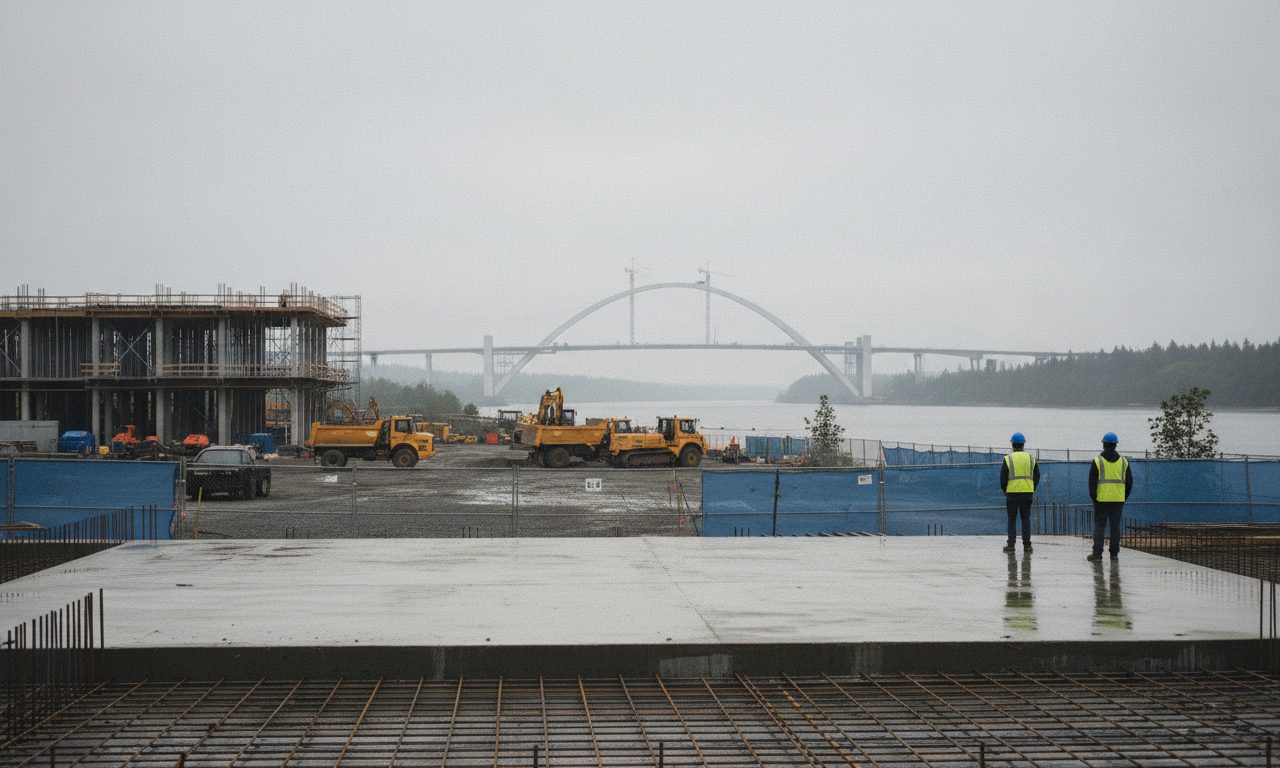
Following their Oct. 24 election victory, which secured 64 of 93 seats, the Conservatives hold a strong majority. Even without a legislative session, the government can implement key moves through cabinet orders and executive control. Immediate administrative actions could alter the Massey Tunnel project—where Doerkson pledged a bridge replacement—and initiate infrastructure work, including new urgent care facilities and a women’s and children’s hospital in Surrey.
Major Legislation On Hold Until 2027
Other flagship campaign pledges will require formal lawmaking and must wait until the assembly meets in the spring. Key legislative initiatives on hold include repealing the Declaration on the Rights of Indigenous Peoples Act and revising the province’s no-fault automobile insurance regulations.
BC STORIES
What You Need to Know Before Donating Online After Alleged Wildfire Fundraiser Scam
GoFundMe issues a safety warning after a Summerland charity reports an alleged wildfire fundraiser scam to RCMP. Learn how to verify donations safely.
RCMP Investigating Alleged Misuse of Wildfire Relief Funds
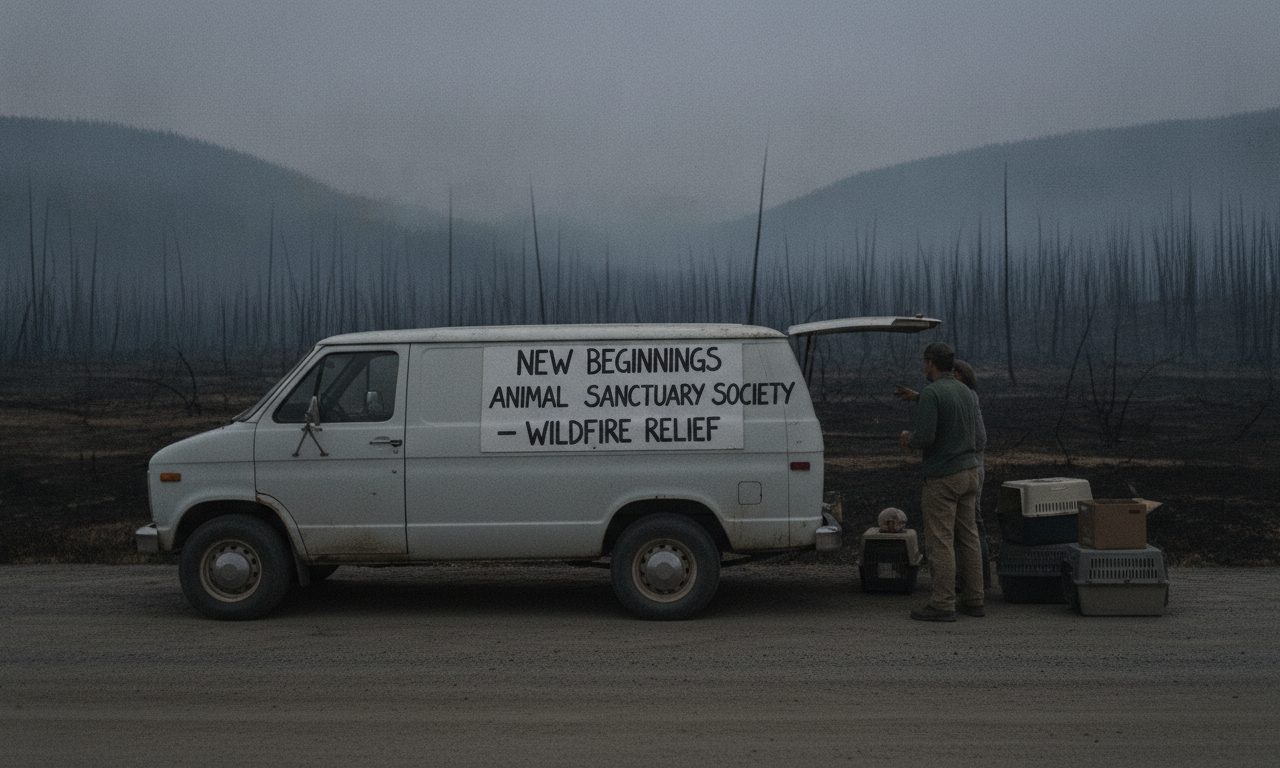
An alleged scam involving wildfire relief donations has prompted GoFundMe to issue a public warning urging donors to exercise caution. The situation surfaced after New Beginnings Animal Sanctuary Society, a Summerland-based charity, publicly shared details regarding a fundraiser connected to victims of the Bald Range wildfire. According to reports, the society has filed an official report with the RCMP after money collected under its name was withheld.
Jane Long-Haggerty, president of the sanctuary, stated on Facebook that an individual conducted door-to-door solicitations alongside an online campaign. When the organization requested the collected proceeds to buy necessary supplies, the explanation regarding the funds shifted. “When I eventually asked about receiving the donated funds so we could purchase some of the supplies needed to get the mobile ready, I was initially given an explanation about difficulties accessing the money and told it would take another four or five days,” Long-Haggerty wrote. “When I followed up, the explanation changed. I was then told that the money was needed to cover her expenses, including travel and project management costs, and that this had been disclosed in the GoFundMe description.”
GoFundMe Outlines Safety Measures and Donor Protections
Addressing the allegations, a representative for GoFundMe stressed that the company maintains zero tolerance for platform misuse. “When suspicious activity is flagged whether through our tools, our community, or simply because a fundraiser starts gaining momentum our dedicated experts will immediately investigate to verify its legitimacy,” the spokesperson stated.
To help prevent fraud, the crowdfunding site advises prospective donors to evaluate the organizer’s connection to the beneficiary, review the stated purpose of the campaign, and check if friends or family members are leaving supportive comments. Users can message organizers directly for clarification or report suspicious campaigns using the flag icon. “If we need additional information to complete the verification review, our team places a hold on a fundraiser which prevents funds from being withdrawn, pending further review,” GoFundMe noted, adding that severe violations lead to campaign removal or account bans. The platform also guarantees full refunds to donors in verified cases of misuse.

Shrinking Fraser River Sockeye Numbers Threaten B.C. Economy, First Nations Culture, and Local Tourism

Two Hospitalized as Rail Cars Derail into Skeena River West of Terrace

Mission B.C. Pop Star Carly Rae Jepsen to Host 2027 JUNO Awards

Why B.C.’s New Conservative Government Is Waiting Until Spring to Convene the Legislature

What You Need to Know Before Donating Online After Alleged Wildfire Fundraiser Scam

Why Kamloops MP Frank Caputo Joined Highland Valley Copper Strikers on the Picket Line

Opinion: John Rustad Has to Go

B.C. Supreme Court Grants Cowichan Tribes Title to Historic Richmond Lands and Fishing Rights

BC Ferries Sparks Outcry Over Contract with Chinese Shipyard

Vancouver Canucks Gear Up for a Make-or-Break 2025–26 Season

Kamloops Blazers Announce Off-Season Changes Ahead of 2025–26 Season

A Taste of Autumn: Fall Okanagan Wine Festival 2025
-
7 days ago
Your Current 3 Day Forecast — November 11, 2026
-

 BC STORIES7 days ago
What to Expect as Strong Pacific Storm System Brings Damaging Winds to the B.C. Interior This Remembrance Day
-

 BC STORIES7 days ago
Narrow Escape from Fatal Train Crash Highlights Veteran Leroy George’s Korean War Story
-
6 days ago
Your Current 3 Day Forecast — November 12, 2026
-
5 days ago
Your Current 3 Day Forecast — November 13, 2026
-
 LOCAL7 days ago
Why Coastlines Are Safe After Magnitude 4.7 Offshore Vancouver Island Earthquake
-
SPORTS6 days ago
McDavid Reaches Point Milestone as Oilers Edged Flyers in Overtime Thriller
-
 BC STORIES7 days ago
Why Gulf Islands Community Members Are Concerned Over Local Park Warden Detachment Closure