BC STORIES
Why B.C. Farms Are Struggling: New Study Explains the $457 Million Sector Loss
A UFV report reveals that while B.C. farms suffered a $457M loss in 2024, commercial sites earned $770M as rising debt and costs strain mid-sized operations.


Commercial Farms Retain Profitability Despite Heavy Sector Losses
A recent study by the University of the Fraser Valley (UFV) offers a fresh look at British Columbia’s agricultural landscape, clarifying that a reported $456.9 million aggregate loss for 2024 was largely driven by small-scale, sub-commercial operations. Commissioned by the BC Agriculture Council and BC Dairy, the report revealed that 74.4 per cent of the province’s farms generated under $100,000 in annual operating revenue, with over 40 per cent earning less than $10,000.
Study author and UFV assistant professor of agriculture Chris Bodnar highlighted that while these sub-commercial sites account for most of the net financial deficit, B.C.’s 4,100 commercial farms—representing 25.6 per cent of all agricultural properties—remained profitable. Commercial operations generated approximately $770 million in net operating income in 2024, achieving a 13.2 per cent profit margin. Overall output remains concentrated among top earners: less than four per cent of farms generate over $2 million in gross sales, yet they produce 68 per cent of B.C.’s total farm revenue.
Mid-Sized Operations Face Growing Financial Pressure
Despite commercial profitability, the UFV report warns that mid-sized farms generating between $500,000 and $1.99 million in revenue are rapidly shrinking. B.C. currently counts 1,150 mid-sized farms, but the segment has seen steady declines since 2015, dropping by five per cent in the $500,000 to $1 million category. By contrast, while Canada saw a two per cent decline in similar mid-sized operations nationwide, the country experienced a 39 per cent increase in farms making between $1 million and $2 million.
Bodnar noted that mid-sized farms serve as key indicators of broader industry health because they lack the outside income often supporting sub-commercial farms and cannot absorb shocks as easily as large corporate entities. Rapidly escalating expenses are compounding these pressures. Between 2022 and 2024, vegetable and beef producers saw labor costs increase by 4.9 per cent and 4.6 per cent, respectively. B.C. commercial farms also pay higher rent than the national average across nearly all sectors, with tree fruit and nut growers paying more than twice the Canadian average. Additionally, local poultry and dairy operations face feed costs six to seven per cent higher than national levels.
Surging Farmland Values and Debt Escalation
Soaring land values and expanding debt loads are further incentivizing mid-sized farmers to exit the industry. Farmland valuations in B.C. climbed 67 per cent between 2015 and 2023, while provincial farm debt has ballooned by 286 per cent since 2004—growing faster than in any other province. Bodnar pointed out that B.C. remains the only major agricultural province in Canada lacking a dedicated agricultural lending institution.
Danielle Synotte, executive director of the BC Agriculture Council, noted that the report provides factual validation for long-standing concerns regarding B.C.’s unique cost pressures. BC Dairy general manager Jeremy Dunn emphasized that clear data is vital for supporting future sector investment, noting that stability on the farm yields widespread economic and food security benefits across the province. Detailed findings are accessible via the UFV study portal at farmingattheedge.ca.

BC STORIES
Why a Familiar Political Name is Joining the Kamloops-North Thompson Race
John Kidder, husband of federal Green leader Elizabeth May, seeks the BC Green nomination in Kamloops-North Thompson for the upcoming election.
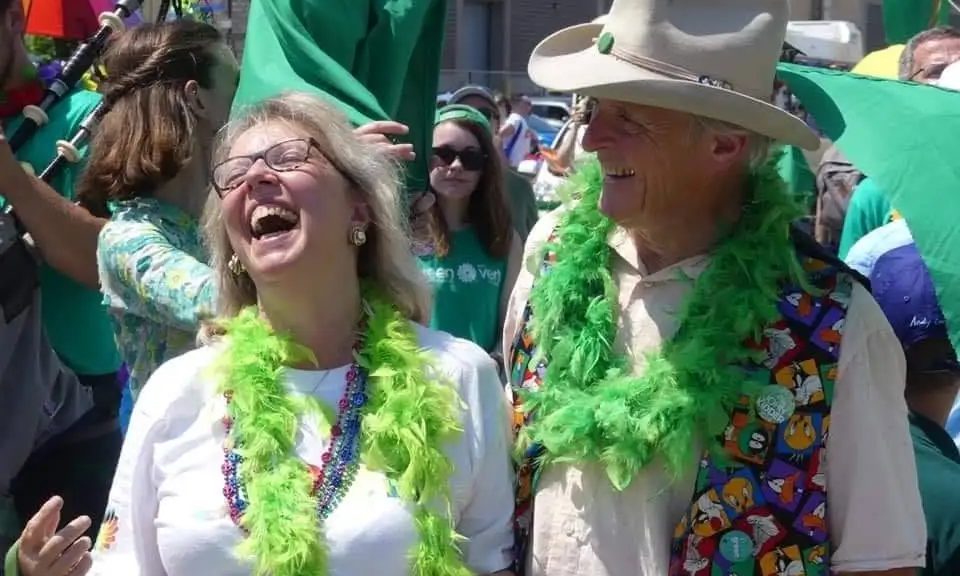
New Contender in Kamloops-North Thompson
Voters in Kamloops-North Thompson will see a seasoned campaigner on the ballot as John Kidder seeks to represent the BC Green Party in the upcoming provincial election. The party recently circulated Kidder’s nomination form to members via email to collect the required signatures for Elections BC confirmation.
Kidder, who resides in Ashcroft, brings a long history of political involvement to the race. Though he has never held public office, he has previously campaigned in several provincial and federal elections under the Green banner, and also ran as a federal Liberal candidate in 2011. He is married to Elizabeth May, the leader of the federal Green Party.
The Provincial Race Takes Shape
Once his candidacy is formally confirmed by election authorities, Kidder will enter a competitive field. He is set to challenge BC Conservative incumbent Ward Stamer in the riding.
The ballot will also feature Kory Clark, a 24-year-old health-care worker running for the BC NDP, according to reports.
BC STORIES
Why OneBC’s Interim Leader Is Proposing an Election Pact With Conservatives
OneBC interim leader Dallas Brodie offers an election deal to B.C. Conservatives despite rival candidate Carson Binda running in Vancouver-Quilchena.
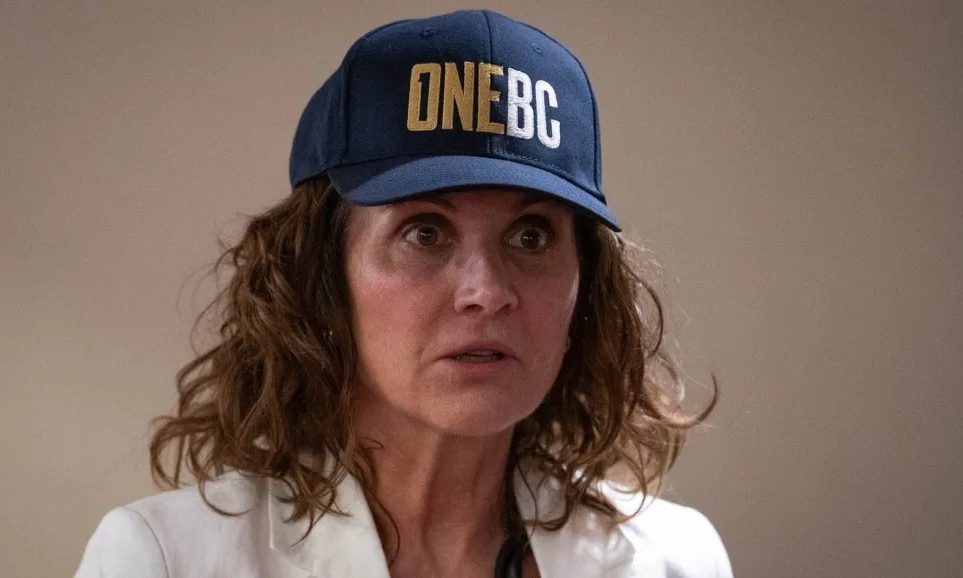
Interim Leader Proposes Cooperation Amid Overlapping Candidates
OneBC interim leader Dallas Brodie has expressed readiness to negotiate an election arrangement with the B.C. Conservatives, despite her former party putting forward a rival candidate in her Vancouver-Quilchena riding. Former Canadian Taxpayers Federation provincial director Carson Binda was announced on Sept. 29 as the Conservative candidate facing Brodie, who currently serves as the riding’s incumbent legislator.
Brodie questioned the Conservatives’ decision to compete against her, noting that OneBC had previously signaled goodwill by deciding not to field candidates in select ridings containing “true” Conservatives. Although earlier discussions occurred with B.C. Conservative interim leader Lorne Doerkson, OneBC has since revealed plans for candidates in two of those contested districts. Among them is Kelowna-Centre, a seat won by NDP margin of just 40 votes last election by Kristina Loewen. Brodie argued that her party represents the authentic conservative choice there and suggested Conservatives risk losing the seat to the NDP.
Tensions and History Between Conservative Factions
Offering to pull OneBC’s unannounced Kelowna-Centre candidate if the Conservatives enter discussions, Brodie criticized the opposing party’s reluctance to negotiate. She stated that her party has taken concrete steps toward making deals while accused the Conservatives of ignoring her party. Brodie remarked that the Conservatives “created me” in many ways, referencing her expulsion from the party caucus last year by then-leader John Rustad after she mocked residential school survivor testimony.
Addressing the prospect of electoral collaboration, Doerkson acknowledged that dialogue had occurred between the parties, though no formal agreement was reached. He affirmed that the party intends to bring conservative values to British Columbians following the election. OneBC originally formed as a breakaway Conservative faction in 2025, though it lacked official recognized party status in the legislature when the election campaign commenced.
BC STORIES
BC Greens Pledge Free Childcare by 2031 and Introduce Victoria-Swan Lake Candidate
BC Green Party leader Emily Lowan promises $10-a-day childcare expansion and universal free care by 2031, announcing Carolyn Howe for Victoria-Swan Lake.
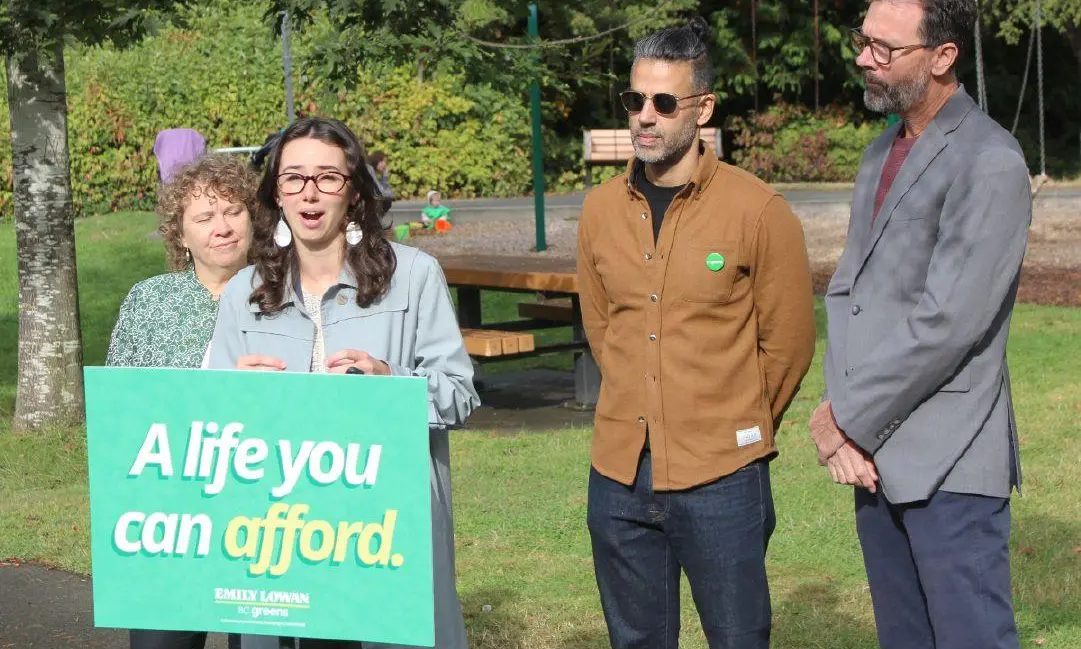
Green Party Kick-Starts Campaign with Major Childcare Commitments
The BC Green Party has launched its provincial election campaign with a pledge to re-establish the expansion of $10 per day childcare, which had been paused since February. Party leader Emily Lowan announced a long-term strategy targeting universal free childcare across the province by 2031. To streamline access, the party plans to build durable centres and implement a centralized registration system to eliminate individual facility waitlists.
Investments in Early Childhood Educators
Under the Greens’ proposal, early childhood educators would receive paid practicums alongside a structured wage grid reaching $35 to $45 per hour by 2028. The initiative also aims to grant educators access to pension plans and extended health benefits. Lowan noted that roughly 40 cents of every dollar invested in childcare is returned in tax revenue as parents re-enter the workforce in various sectors across British Columbia.
Carolyn Howe Announced for Victoria-Swan Lake
During a Sept. 28 event at Browning Park in Saanich, the party formally introduced Carolyn Howe as its candidate for Victoria-Swan Lake. Howe, a teacher who has served as president of the Greater Victoria Teachers’ Association for nearly three years, spoke on local economic pressures and public services. She highlighted that B.C. currently faces the most expensive and complex childcare system in the country. Lowan herself will contest the Saanich North and the Islands riding in the upcoming provincial election on Oct. 24.

BC Lions Hold Off Toronto Argonauts Behind Sean Whyte’s Record Eight Field Goals

Search Continues After Ontario-Based Medical Flight Vanishes Near Massachusetts Coast
Your Current 3 Day Forecast — October 5, 2026
Your Current 3 Day Forecast — October 4, 2026

Summerland Transitions Remaining Properties to Prohibit-Entry Orders as Wildfire Evacuations End
Remembering Lyle Odelein: Former Montreal Defenceman and Stanley Cup Winner Dies at Age 58

Opinion: John Rustad Has to Go

B.C. Supreme Court Grants Cowichan Tribes Title to Historic Richmond Lands and Fishing Rights

Vancouver Canucks Gear Up for a Make-or-Break 2025–26 Season

Kamloops Blazers Announce Off-Season Changes Ahead of 2025–26 Season

BC Ferries Sparks Outcry Over Contract with Chinese Shipyard

A Taste of Autumn: Fall Okanagan Wine Festival 2025
-
 OPINIONS5 days ago
B.C.’s 93-Riding Scramble: Can the Parties Even Find Enough Candidates?
-
 BC STORIES4 days ago
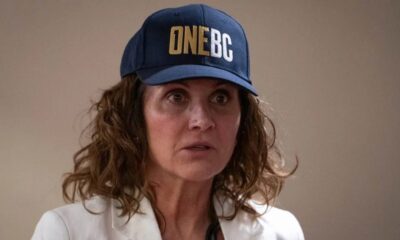
Why OneBC’s Interim Leader Is Proposing an Election Pact With Conservatives
-
 NATIONAL STORIES6 days ago
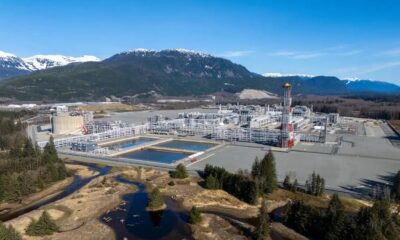
Will they use Chinese Steel over Canadian like Phase One?
-
 BC STORIES5 days ago
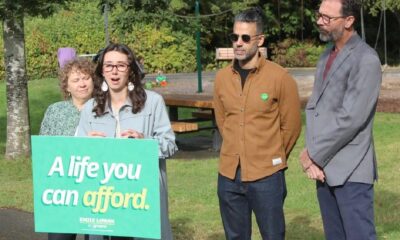
BC Greens Pledge Free Childcare by 2031 and Introduce Victoria-Swan Lake Candidate
-
SPORTS4 days ago
Maple Leafs vs Islanders Result: Easton Cowan Scores in 2-1 Win
-
 NATIONAL STORIES4 days ago
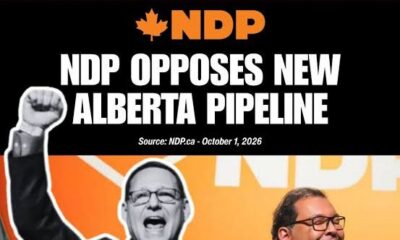
Why NDP Leader Avi Lewis Says the West Coast Pipeline Plan Risks Public Funds
-
SPORTS5 days ago
Why the Edmonton Oilers Will Be Without Ryan Nugent-Hopkins Against Vancouver
-
NATIONAL STORIES5 days ago
Why a Canadian Nationalist Group’s Hidden Recruitment Practices Are Drawing Scrutiny