WORLD
The Dual-Engine Approach: Leadership Lessons from Tesla and Waymo for the Next Generation of AI
Spencer Penn, founder of LightSource, discusses the leadership strategies he learned at Tesla and Waymo and how they apply to his AI-driven procurement startup.

The Crucible of Innovation
In the high-stakes world of Silicon Valley, few entrepreneurs carry a resume as balanced and high-impact as Spencer Penn’s. Having spent formative years at both Tesla and Waymo, Penn represents a unique hybrid of two very different, yet equally dominant, corporate philosophies. Now, as the founder and CEO of LightSource, an AI-powered sourcing and procurement platform, he is applying those hard-earned lessons to modernize one of the oldest and most resistant-to-change sectors in global industry. Transitioning from the frantic, high-output culture of Elon Musk’s Tesla to the methodical, engineering-centric world of Alphabet’s Waymo provided Penn with a masterclass in how to build at scale. To understand the foundations of LightSource, one must first understand the conflicting forces of speed and precision that shaped Penn’s professional worldview.
The Tesla Methodology: First Principles and Velocity
At Tesla, Penn experienced the ‘hardcore’ culture that has become synonymous with Elon Musk’s leadership style. The mandate was simple and uncompromising: if a part or a process doesn’t make sense from a physics standpoint, it should be reinvented or discarded entirely. This ‘first principles’ approach is perhaps the most significant lesson Penn carried over to his own venture. In the traditional automotive industry, procurement is often bogged down by legacy contracts, decades-old supplier relationships, and outdated spreadsheets. At Tesla, Penn saw firsthand how rethinking the supply chain from the ground up could shave months, or even years, off production timelines.
The speed of execution at Tesla is not just a corporate preference; it is a survival mechanism. Penn learned that in a hyper-growth environment, waiting for the ‘perfect’ solution often means missing the market window entirely. He witnessed how the ‘Production Hell’ of the Model 3 ramp-up forced the company to innovate under duress, leading to breakthroughs in vertical integration that competitors are still trying to replicate. This bias toward action is a core pillar of LightSource. In the world of procurement, where decision-making traditionally takes teams weeks or months of manual labor, Penn’s startup uses AI to automate those choices in real-time. The lesson from Tesla was clear: velocity is a competitive advantage that can overcome almost any initial disadvantage.
The Waymo Way: Precision and Long-Term Rigor
If Tesla was about the raw power of momentum and iterative trial-by-fire, Waymo represented the polar opposite: the surgical precision of software-first engineering. Waymo operates with the luxury, and the heavy burden, of Alphabet’s vast resources, allowing for a level of rigor and simulation that is almost unheard of in the startup world. At Waymo, Penn learned the value of robust infrastructure. While Tesla’s ethos often involved ‘fixing it in post’ through over-the-air software updates, Waymo’s culture demanded that the foundation be nearly flawless before the first autonomous vehicle was ever deployed on public roads.
For LightSource, this translated into an obsession with data integrity. In the procurement and manufacturing space, a small error in sourcing data or a misunderstood supplier capability can lead to millions of dollars in losses or catastrophic supply chain failures. Penn brought the Waymo ethos of ‘measure twice, cut once’ to his AI models. He understood that while the user interface must be fast, the underlying data architecture must be built with the same level of care as a self-driving car’s safety stack. This balance ensures that while LightSource helps companies move fast, they are doing so on a foundation of verifiable, high-quality information.
Bridging the Gap: The Genesis of LightSource
The realization that sparked LightSource came from Penn seeing the massive friction points in manufacturing procurement during his time at these tech giants. Despite the technological leaps in electric vehicles and autonomous systems, the way companies actually purchased the billions of parts needed to build those machines remained stuck in the 1990s. Sourcing managers were still manually cross-referencing PDFs, haggling over lengthy email chains, and relying on ‘gut feeling’ for supplier selection. Penn saw an opportunity to apply the high-level AI concepts he witnessed at Waymo to the logistical challenges he navigated daily at Tesla.
LightSource was born from the vision that procurement should be as autonomous as a self-driving car. By leveraging artificial intelligence to analyze global markets, supplier performance, and risk factors in real-time, the platform allows manufacturers to identify the most efficient sourcing paths without the manual overhead that usually slows down innovation. Penn’s startup is essentially taking the ‘brain’ of a high-tech engineering firm and applying it to the ‘circulatory system’ of global manufacturing.
Leadership in the AI Era
Leading a startup in the current AI gold rush requires more than just technical knowledge; it requires a synthesis of disparate cultures. Penn often reflects on how he manages his team at LightSource by blending the intensity of a Tesla factory floor with the collaborative, intellectual environment of an Alphabet lab. He encourages his engineers to move fast and break things, but only if they have the data to understand exactly why things broke in the first place. This concept of ‘disciplined speed’ is what Penn believes will define the next generation of successful AI companies.
He also emphasizes the importance of transparency and radical candor, another trait learned from the high-pressure environments of his past. In a startup, there is no room for ego or hierarchy when solving complex technical problems. The best idea must win, whether it comes from an intern or the CEO. This meritocratic approach is essential when building complex AI systems that require constant iteration and tight feedback loops. Penn’s leadership style is a direct reflection of his career: a relentless drive for results tempered by a deep respect for engineering excellence.
Conclusion: The Future of Global Sourcing
As LightSource continues to gain traction among major manufacturers, Spencer Penn remains focused on the long-term goal: a world where the supply chain is no longer a bottleneck for human ingenuity. His journey from the factory floors of Fremont to the test tracks of Mountain View has equipped him with a rare perspective on the future of industry. By combining the urgency of the electric vehicle revolution with the technical sophistication of autonomous driving, Penn is not just building a procurement tool; he is crafting a new blueprint for industrial operations.
For aspiring founders, Penn’s story serves as a reminder that the most valuable assets are often the lessons learned in the trenches of other people’s companies. The ability to observe what works at a ‘blitzscaling’ giant like Tesla and what works at a ‘deep tech’ pioneer like Waymo allows a founder to pick and choose the best traits for their own culture. As AI begins to permeate every facet of our economy, leaders who can bridge the gap between high-speed execution and technical rigor, like Spencer Penn, will be the ones who define the next decade of innovation.

WORLD
Why Canada’s Bid for a Turkish Nuclear Deal Is Gaining Ground
Prime Minister Mark Carney says AtkinsRealis has good chances of winning a nuclear reactor tender in Turkey following a new strategic partnership.

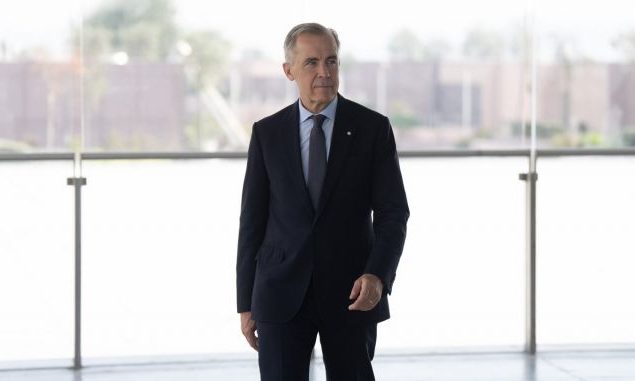
Strategic Energy Co-operation
A Canadian proposal to provide Candu nuclear reactors for two planned energy facilities in Turkey now has “good chances” of succeeding, according to Prime Minister Mark Carney. Speaking to Turkish business executives in Istanbul, Carney noted that he would not have made the same assessment a year ago.
Expanding Business Ties
The announcement follows a newly established strategic partnership between Canada and Turkey designed to enhance collaboration across multiple sectors, with energy serving as a primary focus. The bid, put forward by AtkinsRealis, involves potential partnerships with Turkish construction firms alongside Canadian nuclear technology.
While final procurement choices remain business-to-business decisions, Carney explained that his objective in Istanbul is to demonstrate how the Canadian market has shifted to become more welcoming to foreign investors and companies.
WORLD
Why Residents and Tourists on Mexico’s Pacific Coast Face Severe Threats From Hurricane Simon
Hurricane Simon batters Mexico’s Pacific coast as a Category 4 storm, threatening Puerto Vallarta and Cabo Corrientes with winds, rain, and storm surge.
Category 4 Storm Moves Parallel to the Coastline
Hurricane Simon battered Mexico’s western shoreline as a powerful Category 4 system on Sunday, delivering maximum sustained winds of 150 mph (240 kph) and intense rainfall to areas located between the ocean and the Sierra Madre mountains. The U.S. National Hurricane Center reported that the eye of the system was traveling north-northwest at approximately 6 mph (9 kph) roughly 110 miles (175 kilometers) south-southeast of Cabo Corrientes. Because the eye remains offshore and is moving nearly parallel to the land, forecasters noted it is difficult to determine whether an official landfall will occur, allowing the storm to retain its intense strength.
Severe Weather Threats to Coastal Communities and Resorts
Phillipe Pappin, a senior specialist at the hurricane center, stated that the westernmost tip of mainland Mexico presents the highest likelihood for landfall, identifying Cabo Corrientes as the area most probable to take a direct hit on Sunday. Officials warned that severe hazards including catastrophic winds, life-threatening storm surge, destructive ocean waves, and torrential rain are expected along the west-central coastline. Rainfall totals could range from 10 to 20 inches (25 to 50 centimeters) across broad areas, with isolated spots in Jalisco, Colima, and Michoacan states potentially receiving up to 30 inches (76 centimeters), triggering critical flooding and mudslides in elevated terrain.
Local Preparations and Impact on Visitors
The impending weather prompted proactive measures across vulnerable regions and popular resort areas such as Puerto Vallarta. In Jalisco state, authorities suspended school classes on Friday and Monday across 22 coastal municipalities, initiated evacuations in high-risk zones, and requested that the tourism industry place visitors and staff in secure locations or shelters. Businesses, hotels, and convenience stores in Puerto Vallarta boarded up windows ahead of the severe conditions. Canadian tourist Ed Currie, who was staying in Puerto Vallarta with his wife for five more days, remarked that the storm had not yet disrupted his itinerary, noting they intended to stay inside their hotel while hoping for the best.
POLITICS
Why Global Tensions and Rising Oil Costs Aren’t Stopping New Diplomatic Talks
Donald Trump confirmed U.S. and Iranian officials met at the U.N. despite his threat to annihilate Iran if the war does not end soon as oil markets react.
U.S. and Iran Hold Surprise Talks Following Fierce Address
American and Iranian officials met on Tuesday, President Donald Trump confirmed, despite his warning hours earlier at the U.N. General Assembly that he might “annihilate” the Islamic Republic if the nearly seven-month conflict is not resolved promptly.
Trump described the discussion to reporters as “a very good meeting” without elaborating on its substance or specific outcomes. During his address, he framed his stance as a showing of fortitude while asserting he faces a choice between enabling Iran to rebuild or destroying it quickly.
Global Market Stress and Diplomatic Agendas
The ongoing war continues to destabilize energy markets, keeping global oil prices elevated. Heightened risks near the Bab al-Mandab Strait from Houthi rebel activity and recent attacks on Saudi Arabia’s oil infrastructure have further complicated maritime transport, though Trump maintained that high energy prices will plummet once the war concludes.
Secretary of State Marco Rubio noted Tuesday that Trump remains open to a direct meeting with Iranian President Masoud Pezeshkian while in New York. Beyond the Middle East, Trump addressed the Russia-Ukraine war and held bilateral sessions with leaders from Denmark, Greenland, the United Kingdom, Japan, Ukraine, and Latin American nations.

Why the Early Election Gamble Backfired on the NDP

Why Fake Signs Targeted a Small Green Party Campaign on B.C. Election Eve

Why the Conservatives’ Majority Win in Kelowna-Mission Signals Big Changes for Local Healthcare and Economy

Why B.C.’s Latest Election Results Are Sparking Renewed Calls for Voting Reform
Your Current 3 Day Forecast — October 27, 2026
Why First Nations Leaders Are Gathering in Ottawa to Push Back on Fast-Tracked Resource Projects

Opinion: John Rustad Has to Go

B.C. Supreme Court Grants Cowichan Tribes Title to Historic Richmond Lands and Fishing Rights

Vancouver Canucks Gear Up for a Make-or-Break 2025–26 Season

BC Ferries Sparks Outcry Over Contract with Chinese Shipyard

Kamloops Blazers Announce Off-Season Changes Ahead of 2025–26 Season

A Taste of Autumn: Fall Okanagan Wine Festival 2025
-
 BC STORIES5 days ago
BC Conservatives Promise Forestry Overhaul to Revive Jobs as NDP Points to Millions in Existing Investment
-

 SPORTS5 days ago
Why B.C. Lions Starters Are Resting as the Regular Season Concludes Against Winnipeg
-

 OPINIONS5 days ago
How Minor Parties and Strategic Balloting Could Shift the Upcoming B.C. Election
-
 BC STORIES6 days ago
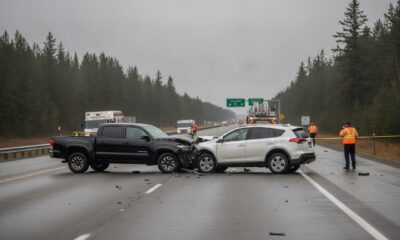
Police Seek Witnesses After Fatal Wrong-Way Collision Near Merritt
-
5 days ago
Your Current 3 Day Forecast — October 22, 2026
-
6 days ago
Your Current 3 Day Forecast — October 21, 2026
-
NATIONAL STORIES6 days ago
Highland Valley Copper Workers Could Strike Saturday as Union Issues Notice
-

 HEALTH6 days ago
Coquihalla Highway Reopens Near Merritt Following Morning Crash That Injured Four