NATIONAL STORIES
A ‘Torpedo’ into the CPC: Peter MacKay Warns of Vulnerability After Recent Floor-Crossings
Former Conservative minister Peter MacKay warns that recent floor-crossings are a ‘torpedo’ to Pierre Poilievre’s leadership and a blow to the party.

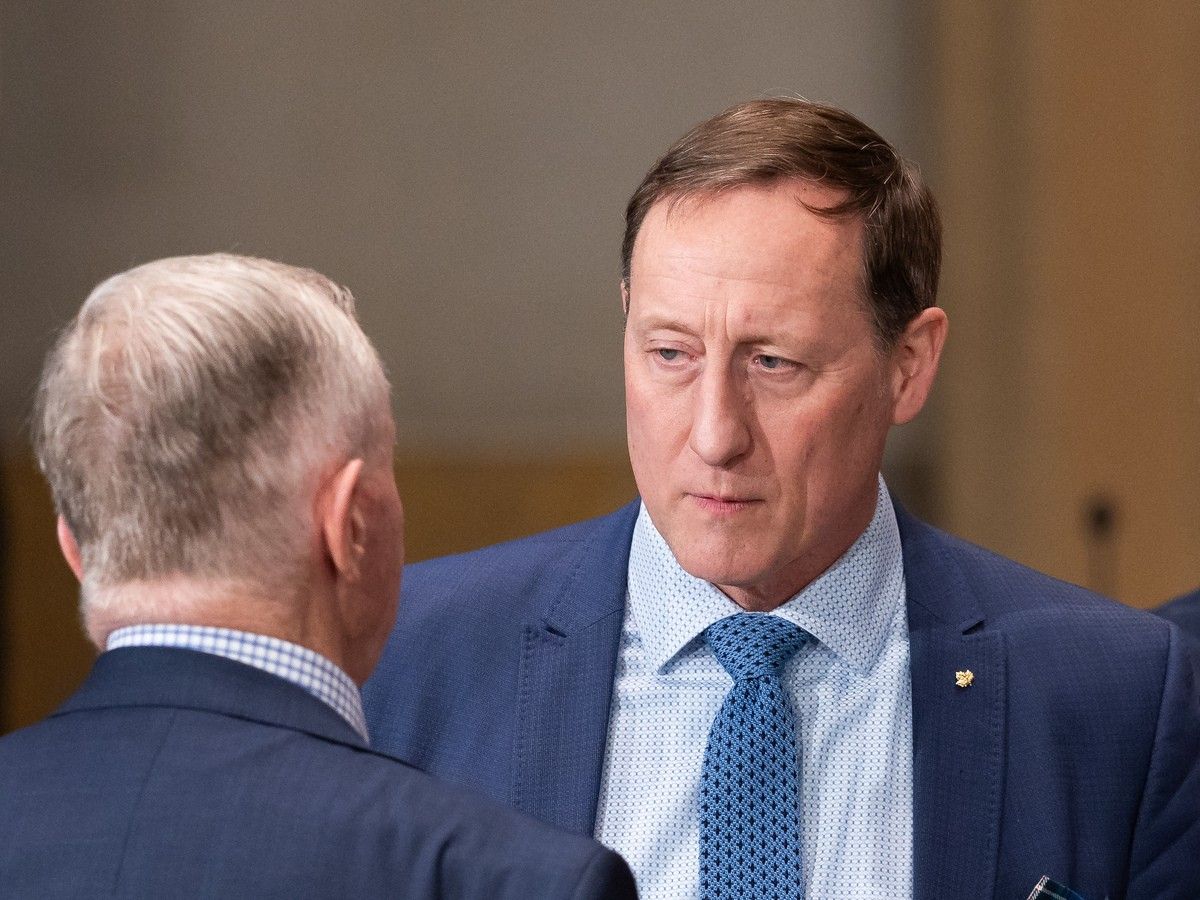
The Political Impact of Defections
Peter MacKay, a central figure in the creation of the modern Conservative Party of Canada, is sounding the alarm over recent floor-crossings that have seen four members defect to the Liberal camp. MacKay, who served as a senior cabinet minister under Stephen Harper, described the trend as a “body blow” to the official opposition and a “torpedo” aimed at the leadership of Pierre Poilievre.
Speaking on the moral implications of party-switching, MacKay did not hold back, labeling the act as “morally repulsive.” However, his criticism also carried a pragmatic warning for the current leadership. MacKay suggested that Poilievre must “double his efforts” to secure the caucus as the party finds itself increasingly exposed to Liberal poaching attempts.
A History of High-Stakes Betrayals
MacKay is no stranger to the volatile nature of parliamentary loyalty. His political career was deeply shaped by high-profile defections, most notably in 2003 when Scott Brison joined the Liberals, and in 2005 when Belinda Stronach famously crossed the floor. The latter move helped sustain Paul Martin’s minority Liberal government and became one of the most talked-about moments in Canadian political history.
Reflecting on these experiences, MacKay noted that while he has seen these tactics before, it does not make the current situation any less dangerous for the Conservatives. “Pierre Poilievre is more vulnerable now than ever,” MacKay remarked, highlighting the potential for internal instability to overshadow the party’s message.
Caucus Unity Under Pressure
The warnings come amid reports of ongoing Liberal efforts to recruit Conservative MPs. Recently, Edmonton MP Billy Morin confirmed that Liberals had attempted to “poach” him, though he laughed off the interaction and reaffirmed his commitment to the Conservative caucus. Morin characterized the recruitment attempts as a “shameless Liberal power grab” and insisted that the opposition remains united.
Despite these public displays of loyalty, the psychological impact of four successful defections remains a concern for Conservative strategists. As the political landscape in Ottawa becomes increasingly polarized, the ability of Poilievre to keep his caucus together will be a defining test of his leadership ahead of the next federal election.




NATIONAL STORIES
Why First Nations Leaders Are Gathering in Ottawa to Push Back on Fast-Tracked Resource Projects
First Nations leaders meet Prime Minister Mark Carney and premiers in Ottawa to address concerns over fast-tracked major project approvals and rights.

Historic Summit Opens Amid Strained Relations
Assembly of First Nations leaders are convening in Ottawa today with Prime Minister Mark Carney and select provincial premiers for discussions described by the AFN as a historic occasion. The talks follow a ceremonial gathering held Sunday, which First Nations leaders hosted for all premiers and the prime minister, though only a small number of officials attended.
Relationships between Indigenous leadership and the federal government have grown tense following legislation enacted shortly after Carney’s 2025 election. That law established a dedicated office designed to streamline major project developments and issue approvals within a one-year window — an approach several chiefs contend poses a threat to their rights.
Grassroots Response and Calls for Respect
AFN National Chief Cindy Woodhouse Nepinak emphasized that First Nations serve as partners in Confederation. She stated that governments must respect Indigenous leadership as public officials move to accelerate resource extraction and large-scale infrastructure initiatives across the country.
Parallel to the official proceedings, a grassroots collective of First Nations community members gathered at an Ottawa community centre Sunday. The group met to organize protests against the summit, drawing explicit inspiration from the 2012 Idle No More movement that mobilized demonstrations nationwide.
NATIONAL STORIES
Why First Nations Leaders and Leaders Are Gathering for Historic Talks in Ottawa
First Nations leaders meet Prime Minister Mark Carney and premiers in Ottawa for ceremonies before historic talks on narrowing socioeconomic gaps.
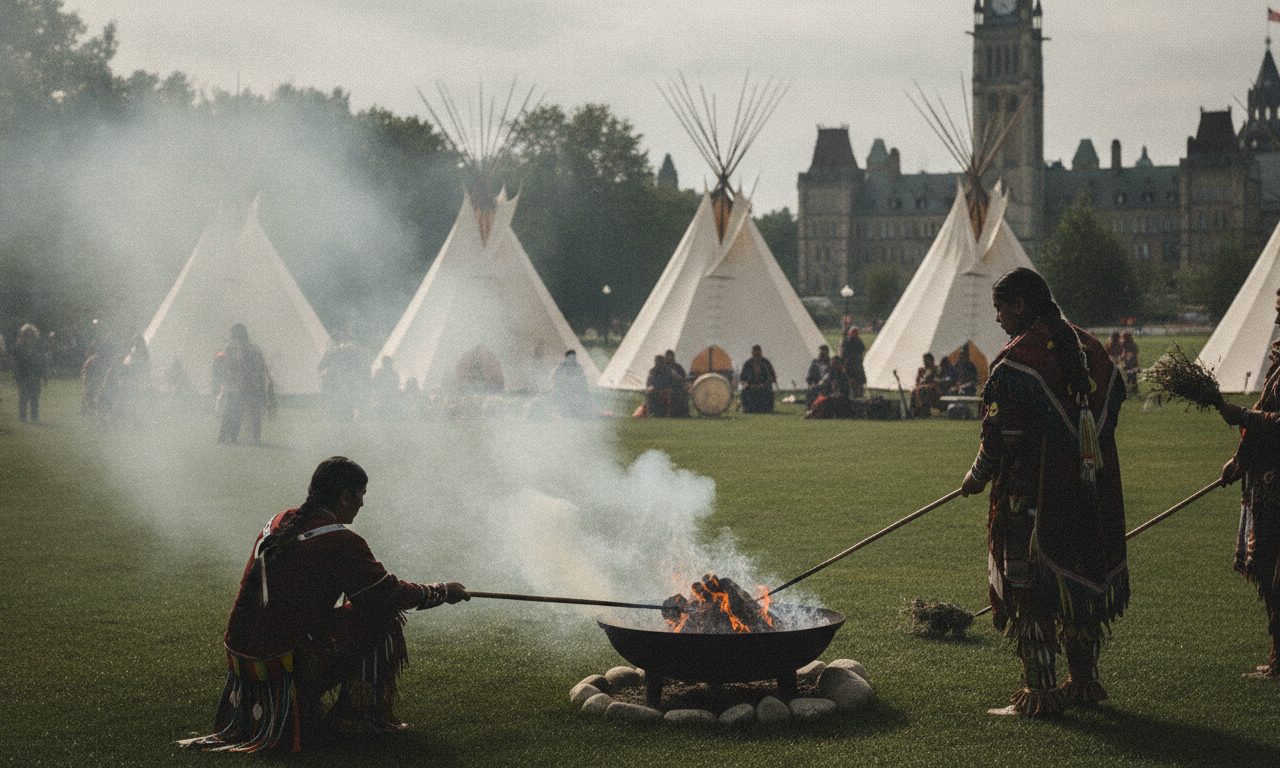
Ceremony Precedes First Major Gathering Since 2005
Knowledge keepers, elders, First Nations leaders, and community members are assembling in Ottawa today for ceremonies grounding an upcoming landmark session. The gathering marks the prelude to a closed-door discussion scheduled for Monday between First Nations representatives and government leaders.
Top Leaders to Discuss Socioeconomic Gaps
Prime Minister Mark Carney and provincial premiers will meet with First Nations delegates, who will primarily consist of regional chiefs from the Assembly of First Nations. Monday’s talks represent the first gathering of this nature since the 2005 Kelowna Accord discussions, where provincial premiers and former prime minister Paul Martin addressed ways to narrow socioeconomic disparities in Indigenous communities.
Attendance and Cultural Significance
Assembly of First Nations National Chief Cindy Woodhouse Nepinak highlighted the importance of beginning the event with ceremony, stating it ensures participants enter “with the right frame of mind, grounded in First Nations spirituality.” While the Privy Council Office has not released the full attendance list of premiers, Alberta Premier Danielle Smith and Quebec Premier Paul St-Pierre Plamondon have announced they will not participate.
NATIONAL STORIES
Why Alberta’s Government Is Ruling Out Future Separation Votes
Premier Danielle Smith says Alberta won’t hold another separation referendum after over 75 per cent of voters chose to stay in Canada during a province-wide vote.
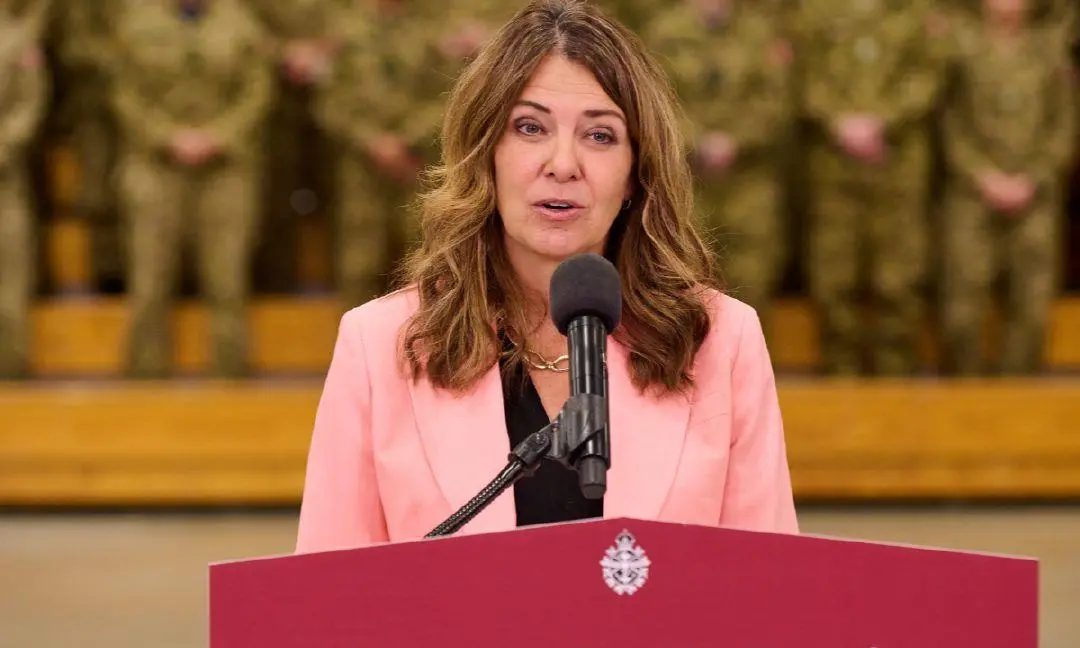
Premier Smith Rules Out Further Separatist Ballots
Following a provincial vote on Oct. 19 where over 75 per cent of voters chose to remain in Canada, Premier Danielle Smith announced on Tuesday, Oct. 20, that no further referendums on separation will occur during her tenure. Smith stated that the result provides her government with a clear mandate to stay a Canadian province while continuing to push for provincial autonomy within the national constitutional framework.
Disputes to Be Settled Within Canadian Legal System
Addressing the public, Smith emphasized that future disagreements with Ottawa will be handled through political and legal avenues rather than secession. She noted that while constitutional battles remain, key federal political parties now show strong support for Alberta’s major economic sectors. Smith also highlighted that the referendum directed her administration to pursue greater provincial authority over immigration, focus on jobs for Canadians, mandate contributions from temporary residents for public services, and require proof of citizenship to vote.
Opposition Raises Concerns Over Costs and Priorities
Alberta NDP leader Naheed Nenshi criticized the premier’s approach prior to her address, arguing that Smith spent nearly $200 million in taxpayer funds on the referendum exercise, including $4 million spent directly to sway voters. Nenshi stated that the public is frustrated with issues such as the cost of living, employment, public education, and healthcare, claiming the premier’s actions catered to separatists rather than addressing core public priorities.

Why the Early Election Gamble Backfired on the NDP

Why Fake Signs Targeted a Small Green Party Campaign on B.C. Election Eve

Why the Conservatives’ Majority Win in Kelowna-Mission Signals Big Changes for Local Healthcare and Economy

Why B.C.’s Latest Election Results Are Sparking Renewed Calls for Voting Reform
Your Current 3 Day Forecast — October 27, 2026
Why First Nations Leaders Are Gathering in Ottawa to Push Back on Fast-Tracked Resource Projects

Opinion: John Rustad Has to Go

B.C. Supreme Court Grants Cowichan Tribes Title to Historic Richmond Lands and Fishing Rights

Vancouver Canucks Gear Up for a Make-or-Break 2025–26 Season

BC Ferries Sparks Outcry Over Contract with Chinese Shipyard

Kamloops Blazers Announce Off-Season Changes Ahead of 2025–26 Season

A Taste of Autumn: Fall Okanagan Wine Festival 2025
-
 BC STORIES5 days ago
BC Conservatives Promise Forestry Overhaul to Revive Jobs as NDP Points to Millions in Existing Investment
-
 SPORTS5 days ago
Why B.C. Lions Starters Are Resting as the Regular Season Concludes Against Winnipeg
-
 OPINIONS5 days ago
How Minor Parties and Strategic Balloting Could Shift the Upcoming B.C. Election
-

 BC STORIES6 days ago
Police Seek Witnesses After Fatal Wrong-Way Collision Near Merritt
-
5 days ago
Your Current 3 Day Forecast — October 22, 2026
-
6 days ago
Your Current 3 Day Forecast — October 21, 2026
-
NATIONAL STORIES6 days ago
Highland Valley Copper Workers Could Strike Saturday as Union Issues Notice
-
 HEALTH6 days ago
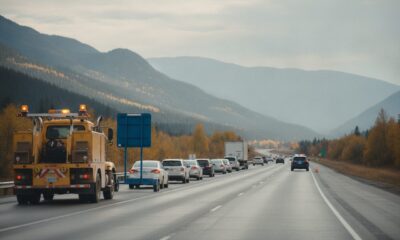
Coquihalla Highway Reopens Near Merritt Following Morning Crash That Injured Four