BC STORIES
Zombie Party Politics: How BC United Continues to Shake Up the Provincial Landscape
BC United faces scrutiny over $150k in donations and a ‘dirty tricks’ scandal as executives eye the BC Conservative leadership race for the party’s future.

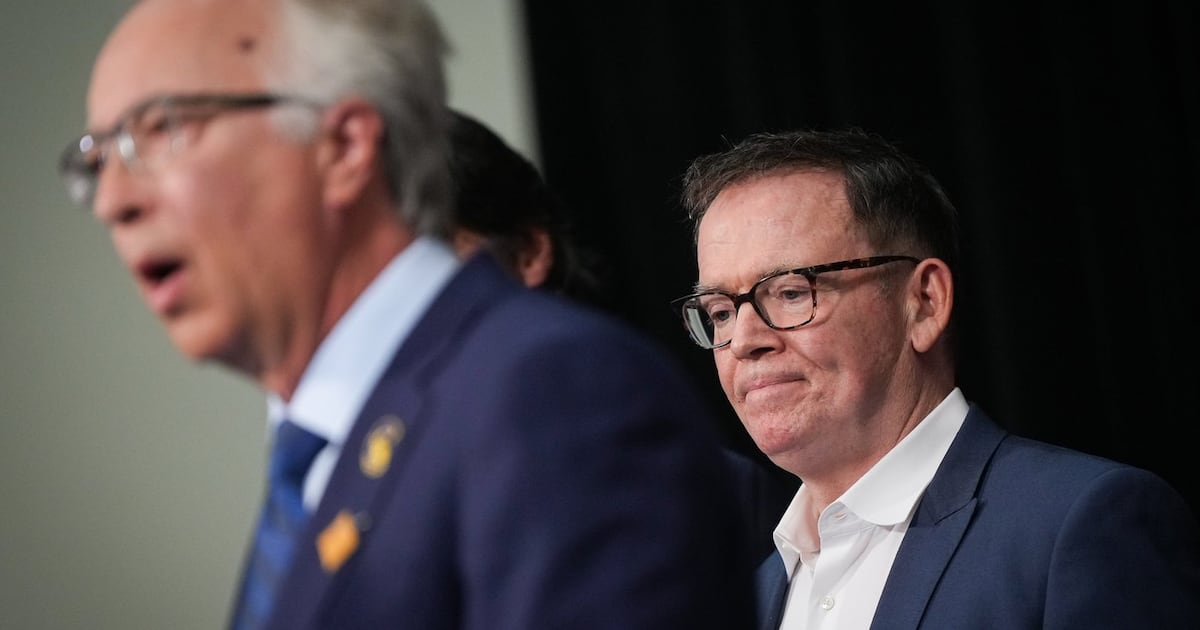
The Dormant Giant Refuses to Fade
In the wake of one of the most tumultuous shifts in British Columbia’s political history, the party formerly known as the BC Liberals continues to exert significant influence from the shadows. Despite withdrawing all candidates and effectively folding just months before the 2024 provincial election, BC United—the brand Kevin Falcon attempted to build from the ashes of the Liberals—is facing fresh scrutiny over its financial practices and a lingering ‘dirty tricks’ scandal.
Automatic Donations and Financial Ghosts
Recent filings with Elections BC reveal a startling reality: BC United collected over $150,000 in donations throughout 2025, long after the party ceased to be a viable electoral entity. Investigations suggest that much of this capital flowed from automatic monthly contributions that donors had simply forgotten to cancel. While some supporters, like construction executive David Hoff, knowingly continued their financial support to help the party settle outstanding debts and severance obligations, others were blindsided. The discovery of these ‘phantom’ donations has added another layer of frustration for former supporters who feel the party’s transition was poorly managed.
The Shadow of the Conservative Leadership Race
The party’s internal machinery remains intact, led by former MLA Ben Stewart. Stewart has indicated that the ultimate fate of the BC United brand—and its remaining assets—will not be decided until after the BC Conservatives conclude their upcoming leadership race. This ‘wait-and-see’ approach has sparked fears within the Conservative camp, specifically from former leader John Rustad. Rustad and his allies have expressed concern over a ‘centrist takeover,’ alleging that United stalwarts are attempting to infiltrate and steer the Conservative Party from within.
A Legacy of Scandal
The tension between the two right-leaning factions was exacerbated by a recent $4,500 fine levied by Elections BC. The independent overseer found that BC United was responsible for a campaign of ‘pre-election falsehoods’ involving a deceptive website and mailers targeting Conservative candidates. John Rustad has gone as far as to suggest these ‘Machiavellian’ tactics may have cost the Conservatives a victory in the last election. As the dust settles, the ongoing presence of BC United serves as a reminder of the deep divisions and unresolved baggage currently defining the province’s right-wing opposition.











BC STORIES
What the City of Vernon’s Decision to Cut Ties Means for Historic O’Keefe Ranch
The City of Vernon will not extend its lease for the Historic O’Keefe Ranch in 2027, sparking debate and a petition over the landmark’s future.

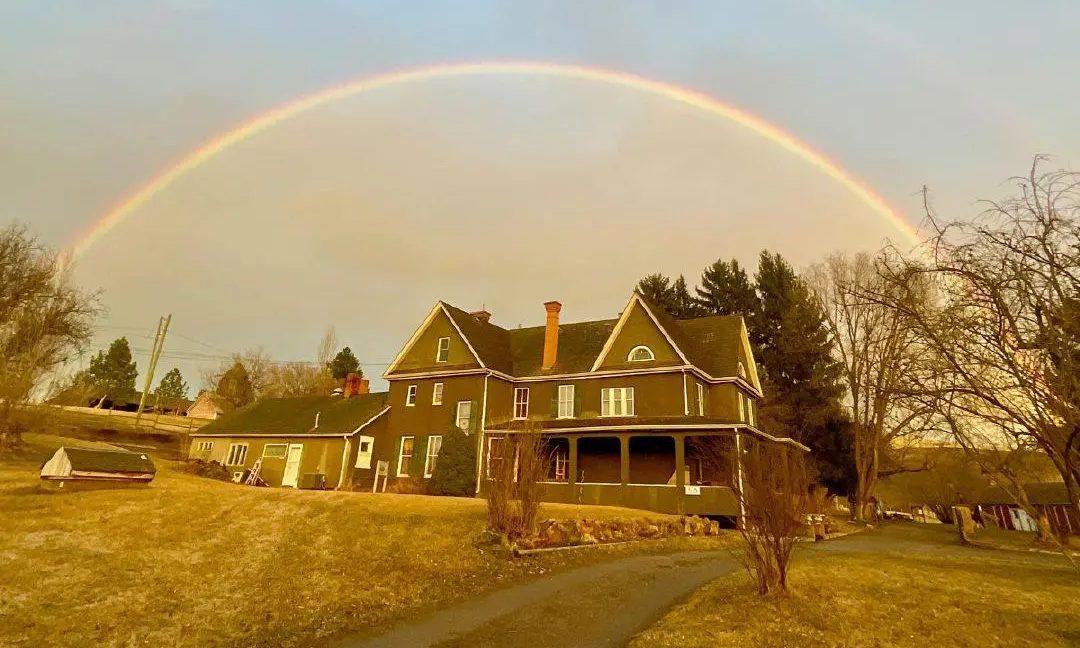
City Decides Against Renewing Lease for Historic Site
The City of Vernon will end its long-standing operational arrangement with the Historic O’Keefe Ranch and Interior Heritage Society when the ranch’s current lease expires on March 31, 2027. In an Oct. 1 letter sent by chief administrative officer Carey Herd, the municipality stated that the current operating model for the city-owned land is financially unsustainable. The city noted it will not extend the agreement and is reviewing alternative options that aim to secure a sustainable path while honoring the site’s local significance.
Society and Supporters Raise Concerns Over Future
Over the past three decades, the city provided $4.12 million in funding to the site. However, municipal priorities are shifting toward other cultural projects, such as supporting the transition of the Greater Vernon Museum and Archives into the new Greater Vernon Cultural Centre. Society president Douglas MacGregor cautioned that if the organization is forced to dissolve due to the decision, assets and attractions owned by the society would need to be sold. He emphasized that the ranch serves as an essential gathering space, tourism driver, and historical resource for the North Okanagan, highlighting the thousands of volunteer hours spent keeping it operational.
Community Response and Petition Gain Momentum
The announcement has sparked pushback within the region. MP Scott Anderson publicly criticized the city’s move as “shameful” and called on the community to support an online petition at change.org aimed at preserving the historic landmark. As of Monday, Oct. 5, the petition had gathered more than 2,600 signatures. Meanwhile, city officials expressed gratitude in their letter for the contributions made by the society’s volunteers and supporters over nearly 50 years, even as they move forward with exploring new directions for the property.
BC STORIES
Police Request Public Help After Fatal Highway 93 Crash Kills Local Resident
Police are seeking witnesses and video footage after a fatal single-vehicle crash on Highway 93 in Kootenay National Park killed a 23-year-old Invermere man.
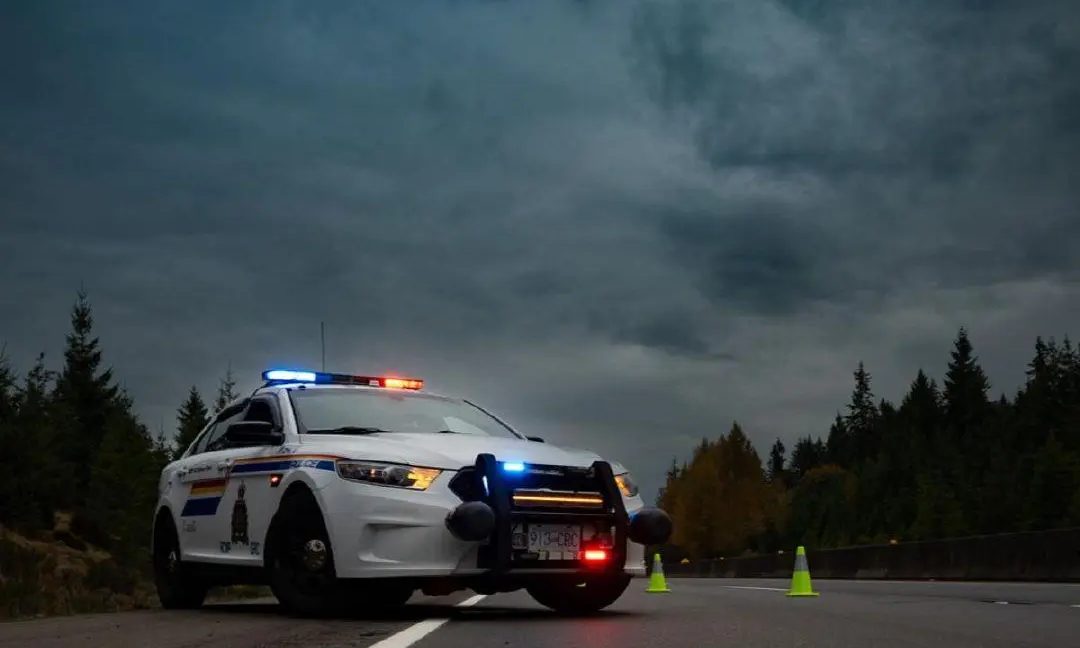
RCMP Seek Witnesses Following Fatal Kootenay National Park Incident
Police are asking for assistance from the public as they investigate a fatal single-vehicle collision that occurred in Kootenay National Park. The incident took place on Highway 93, slightly north of the Floe Lake trailhead, around 11:10 p.m. on Friday, Oct. 2.
First responders called to the scene discovered a black Nissan Maxima resting on its side after it departed the roadway and went down an embankment. A 23-year-old male passenger from Invermere was pronounced dead at the scene. The female driver did not sustain serious injuries, according to authorities.
Investigators Reconstructing Timeline Before Crash
B.C. Highway Patrol has not ruled out any factors that might have led to the wreck. Investigators are specifically interested in gathering details about events occurring along the highway between 9:30 p.m. and midnight on Oct. 2.
In addition, police are attempting to trace the movements of the vehicle’s occupants earlier that evening. Officers are seeking information regarding the two individuals at Banff-area restaurants or bars around dinnertime on the same date.
Sgt. Brett Reiben of the B.C. Highway Patrol in Cranbrook noted that individuals may have stopped at the scene or observed the vehicle prior to the crash without having spoken to officers yet.
Anyone who observed the driving behaviour of the Nissan, possesses dash-cam footage, or has information concerning the driver’s actions in the hours leading up to the crash is requested to contact B.C. Highway Patrol in Cranbrook at 250-420-4244, citing file (2100) 2026-2873.
BC STORIES
Why an Attempted Cannabis Smuggling Trip to London Led to Jail Time for an Ontario Man
An Ontario man received a one-year prison sentence after border agents intercepted 31 kg of cannabis in his luggage at Vancouver International Airport.
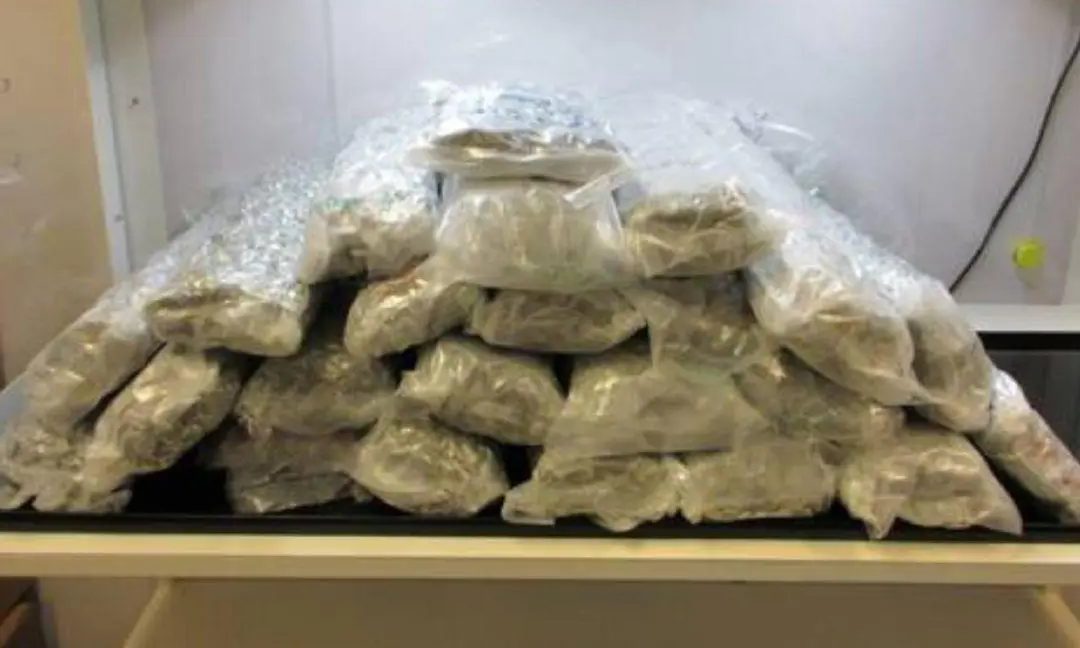
Border Agents Intercept Luggage Bound for London
An Ontario resident has received a one-year prison sentence following an investigation into illegal cannabis exportation at Vancouver International Airport. Canada Border Services Agency officers intercepted 56-year-old Alaaddin Koc on Oct. 28, 2024, when they discovered approximately 31 kilograms of cannabis hidden inside his suitcase prior to a flight bound for London’s Heathrow Airport.
Arrest Warrant Issued After Missed Court Appearance
Following the initial seizure at the airport, members of the RCMP’s Federal Policing Pacific Region border integrity team arrested Koc, releasing him while investigations continued. After charges were formally approved under the Cannabis Act, Koc failed to appear in court, prompting authorities to issue a Canada-wide arrest warrant. Officers eventually located and apprehended the Windsor, Ont., resident in his home province.
Guilty Plea and Final Sentencing
Koc pleaded guilty on July 27 to charges of possessing cannabis for the purpose of exportation. On Sept. 1, he was handed a 12-month prison sentence alongside a lifetime ban on possessing firearms.
Police noted that despite the legal status of recreational cannabis in Canada, illegal export markets remain an ongoing concern for law enforcement. “The outbound flow of illicit drugs is a continued focus of multiple international partners and is a priority for the FPPR Border Integrity Program,” stated RCMP Staff Sgt. Rhonda Hislop, acting officer in charge of the program for air and marine operations.

What the City of Vernon’s Decision to Cut Ties Means for Historic O’Keefe Ranch

Police Request Public Help After Fatal Highway 93 Crash Kills Local Resident

Why an Attempted Cannabis Smuggling Trip to London Led to Jail Time for an Ontario Man

Why Okanagan Pet Owners Turned to Free BC SPCA Clinics After Wildfire Season
Your Current 3 Day Forecast — October 6, 2026

BC Lions Hold Off Toronto Argonauts Behind Sean Whyte’s Record Eight Field Goals

Opinion: John Rustad Has to Go

B.C. Supreme Court Grants Cowichan Tribes Title to Historic Richmond Lands and Fishing Rights

Vancouver Canucks Gear Up for a Make-or-Break 2025–26 Season

Kamloops Blazers Announce Off-Season Changes Ahead of 2025–26 Season

BC Ferries Sparks Outcry Over Contract with Chinese Shipyard

A Taste of Autumn: Fall Okanagan Wine Festival 2025
-
 OPINIONS6 days ago
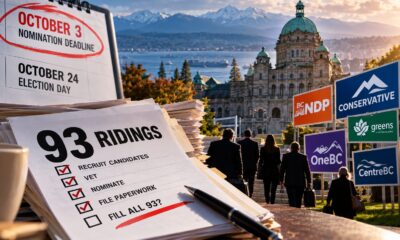
B.C.’s 93-Riding Scramble: Can the Parties Even Find Enough Candidates?
-

 BC STORIES4 days ago
Why OneBC’s Interim Leader Is Proposing an Election Pact With Conservatives
-

 BC STORIES6 days ago
BC Greens Pledge Free Childcare by 2031 and Introduce Victoria-Swan Lake Candidate
-

 NATIONAL STORIES6 days ago
Will they use Chinese Steel over Canadian like Phase One?
-
SPORTS4 days ago
Maple Leafs vs Islanders Result: Easton Cowan Scores in 2-1 Win
-
NATIONAL STORIES5 days ago
Why a Canadian Nationalist Group’s Hidden Recruitment Practices Are Drawing Scrutiny
-

 NATIONAL STORIES4 days ago
Why NDP Leader Avi Lewis Says the West Coast Pipeline Plan Risks Public Funds
-
SPORTS5 days ago
Why the Edmonton Oilers Will Be Without Ryan Nugent-Hopkins Against Vancouver