NATIONAL STORIES
Trump Pursues Belarus Potash Deal to Lower Prices for American Farmers
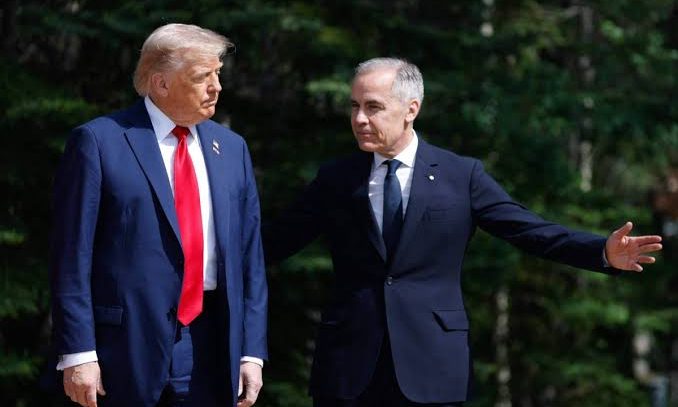
U.S. President Donald Trump says the U.S. is negotiating a deal to buy potash from Belarus to lower fertilizer costs and reduce reliance on Canadian supply.

U.S. Seeks Alternative Potash Supply
American buyers could soon see “substantially less” expensive fertilizer costs as the United States negotiates an agreement to purchase potash from Belarus. U.S. President Donald Trump announced the initiative in a social media statement Monday morning, aiming to decrease reliance on Canadian exports.
Trump described the potential pact with Belarus—an authoritarian nation and close ally of Russia—as “very good news” for ranchers and farmers across the United States. Potash serves as an essential ingredient in agricultural fertilizers.
Impact on Canadian Agriculture Exports
The United States currently depends heavily on Canadian production to fulfill its agricultural needs. Saskatchewan-based producer Nutrien Ltd. notes that Canada provides over 80 per cent of the potash utilized on U.S. farms. In 2025, American imports of Canadian potash reached $4.2 billion, accounting for nearly half of Canada’s total exports of the mineral. Potash remains exempt from U.S. tariffs.
Global potash supply remains concentrated among a few nations. Canada generated approximately one-third of global output in 2023, followed by Russia and Belarus. Although potash prices spiked following Russia’s 2022 invasion of Ukraine, costs have since decreased, though they continue to trade above prewar levels.

NATIONAL STORIES
Why Global Trade Shifts Are Driving Record Export Numbers Through Vancouver
Surging grain and crude oil shipments drove record cargo handling at the Port of Vancouver in the first half of 2026 amid a broader trade pivot away from the U.S.
Record Mid-Year Cargo Performance
Overall freight handling at the Port of Vancouver grew by three per cent year-over-year during the first six months of 2026, ending June 30. Surging shipments of agricultural products and crude oil propelled overall cargo totals to record levels at the facility.
Breakdown of Commodity Growth
Bulk grain exports experienced a 14 per cent increase compared to the previous year, reaching an unprecedented 17.4 million tonnes. Over the same six-month window, crude oil shipments climbed three per cent to hit a record 12 million tonnes. Additionally, auto import and export volumes expanded by 10 per cent year-over-year as automobile manufacturers turned toward non-U.S. destinations.
Pivot Toward Non-U.S. Markets
A substantial portion of these bulk shipments reached buyers in the Indo-Pacific region. European, Chinese, and Mexican buyers imported Canadian canola seed, while East Asian markets absorbed crude from Alberta. This trend reflects a broader strategic realignment away from American buyers amid heightened U.S. protectionism. U.S. destinations accounted for one-fifth of crude oil passing through Vancouver terminals in the first half of the year, down from one-third during the prior year.
Vancouver Fraser Port Authority CEO Peter Xotta stated an ambition to assist Canada in doubling its export trade to non-U.S. international markets within ten years.
NATIONAL STORIES
Why B.C. Is Taking OpenAI to a California Court Over the Tumbler Ridge Shooting
B.C. files a lawsuit in California against OpenAI, alleging the company failed to alert police to ChatGPT threat logs before the Tumbler Ridge shooting.
Legal Action Filed in San Francisco
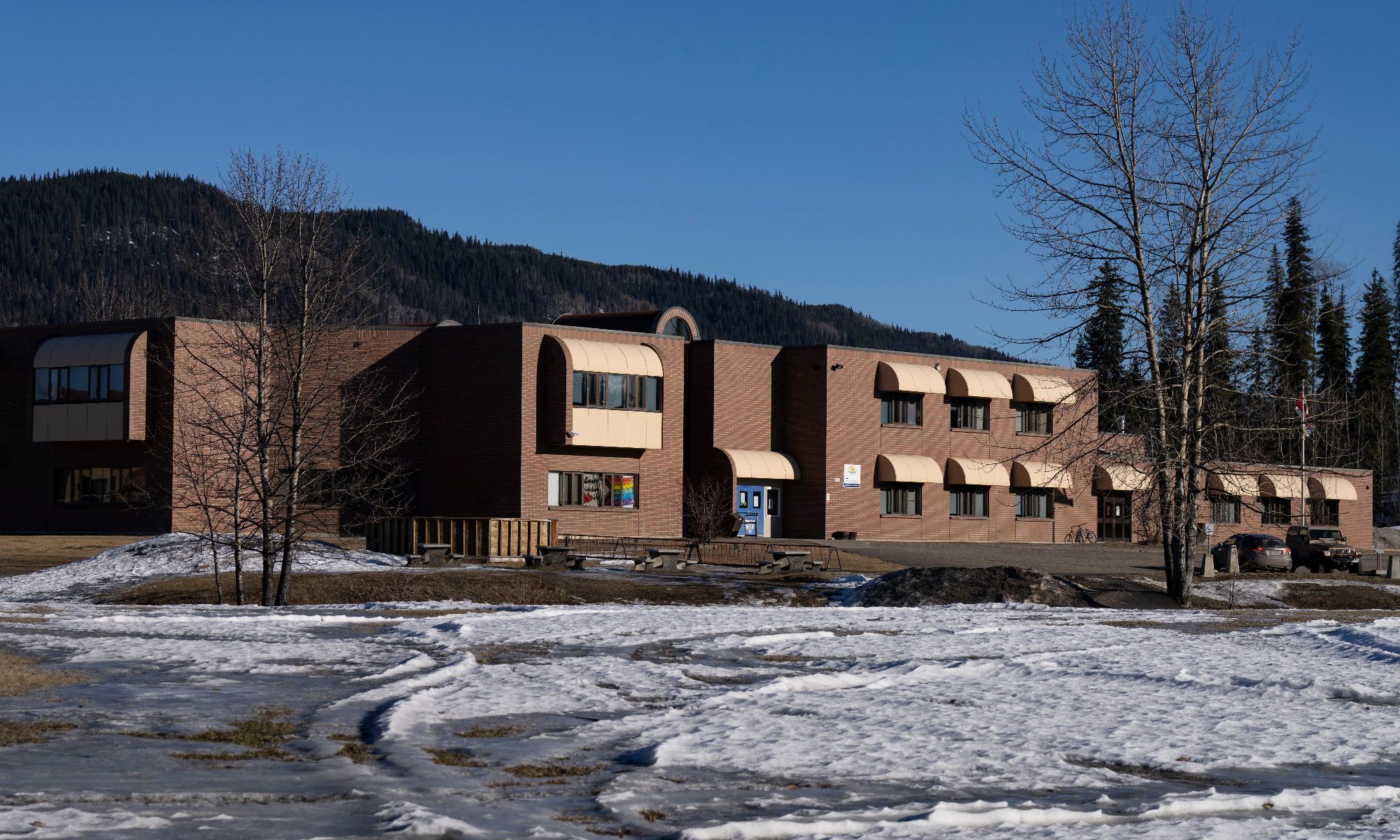
The British Columbia government has initiated legal proceedings against OpenAI, its foundation, and CEO Samuel Altman in the U.S. District Court for the Northern District of California. Filed on Monday, Sept. 21, the lawsuit seeks a jury trial in San Francisco following the Feb. 10 mass shooting at Tumbler Ridge Secondary School and a local residence, which left eight people dead, including six children. The 18-year-old shooter, Jesse Van Rootselaar, died from a self-inflicted wound.
Failure to Warn Law Enforcement Alleged
According to B.C. Attorney General Niki Sharma, the claim alleges that OpenAI failed to notify law enforcement about credible violent threats flagged on its platform prior to the tragedy. OpenAI employees had previously conducted an internal review after ChatGPT flagged concerning interactions involving gun scenarios with Van Rootselaar. However, the company dismissed the threat and did not notify the RCMP until after the attack occurred. Sharma stated that OpenAI has since refused requests to disclose those chat transcripts.
Focus on Rebuilding and Legislative Reform
Beyond seeking corporate accountability for software safety, the provincial government aims to secure funds to help rebuild the affected community, including constructing a replacement for Tumbler Ridge Secondary School. The suit in California joins 37 existing claims filed against the AI firm by victims, educators, and families. Meanwhile, Sharma has urged federal ministers to update Canada’s Criminal Code, arguing that current legal frameworks have failed to keep pace with artificial intelligence risks.
NATIONAL STORIES
Why Ottawa’s Proposed Economic Legislation Could Change the Rules for Strike Actions
The Liberal government is introducing the Building Canada Strong Act to modify the Canada Labour Code and streamline rules for national project reviews.
Federal Government Introduces Legislation to Reform Labour Code
As the fall parliamentary session opens today, Prime Minister Mark Carney’s Liberal government is set to introduce the Building Canada Strong Act. The proposed legislation aims to overhaul project review regulations nationwide while introducing amendments to the Canada Labour Code.
Concerns Raised Over Government Interventions in Strikes
The upcoming bill has sparked apprehension among union leaders, who express concern that the measure could erode worker protections. They worry the law will formalize federal authority to stop work stoppages when national economic interests are impacted, following the frequent application of Section 107 of the labour code to halt disputes at ports, railways, and other key industrial sectors in recent years.
Ottawa Asserts Aim Is to Reduce Federal Intervention
Jobs Minister Patty Hajdu pledged that the federal government will not infringe upon collective bargaining or the right to strike. According to Hajdu, the planned statutory updates are intended to limit the frequency of government interventions during collective bargaining disputes.
Why Global Trade Shifts Are Driving Record Export Numbers Through Vancouver

Unsolved 2017 Slaying of Red Scorpions Founder Continues to Impact Kamloops Criminal Underworld

Why B.C. Is Taking OpenAI to a California Court Over the Tumbler Ridge Shooting

Accidental Email Link Lets Opposition MLA Into NDP Strategy Session
Why the Conservative By-Election Appointment in Brantford-Brant South Is Drawing Local Pushback
BC Lions Strengthen Practice Roster with Former Super Bowl Champion Quarterback

Opinion: John Rustad Has to Go

B.C. Supreme Court Grants Cowichan Tribes Title to Historic Richmond Lands and Fishing Rights

Vancouver Canucks Gear Up for a Make-or-Break 2025–26 Season

Kamloops Blazers Announce Off-Season Changes Ahead of 2025–26 Season

BC Ferries Sparks Outcry Over Contract with Chinese Shipyard

A Taste of Autumn: Fall Okanagan Wine Festival 2025
-
LOCAL6 days ago
What Local Byelection Candidates Are Promising on Healthcare, Schools, and Reconciliation
-
4 days ago
Your Current 3 Day Forecast — September 18, 2026
-
BC STORIES6 days ago
Extortion Gang Threatens Canadian Officials and Communities as Police Probe Reveals Widespread Tactics
-
SPORTS6 days ago
Toronto Blue Jays Wild-Card Standings: 10-1 Loss to Tigers Drops Team in AL Playoff Chase
-
BC STORIES7 days ago
Why an Alberta Businessman Is Demanding the Return of His Range Rover and Cash After a Kelowna Traffic Stop
-
BC STORIES5 days ago
Suspected Human Remains Discovered in Wooded Area South of Salmon Arm
-
LOCAL5 days ago
Why B.C. Mayors Are Uniting to Push for Stronger Provincial Safety Measures
-
BC STORIES6 days ago
What B.C.’s Expanding $13.8B Deficit Means for Provincial Finances