POLITICS
Rising Health Care Costs Put Strain on Canadian Families


Canadian families are facing mounting financial pressure as the cost of health care continues to climb, with recent data showing that out-of-pocket expenses are rising faster than household incomes. These costs include prescription drugs, dental care, vision services, and other medical needs not fully covered by provincial plans. For many households—particularly those with children or aging relatives—the increasing burden is forcing difficult choices between paying for essential care and covering day-to-day expenses.
Growing Strain on Families
Health economists warn that the trend is not only a strain on individual households but also a challenge to the sustainability of Canada’s health system. As costs grow, disparities in access to care are widening, with lower-income families disproportionately affected. Families managing chronic conditions or disabilities are especially vulnerable, often spending thousands of dollars annually on medications, therapies, and specialized equipment.
Broader Systemic Challenges
Experts argue that without intervention, these pressures will contribute to worsening health outcomes and increased demand on hospitals and emergency services. Rising costs may push families to delay or avoid necessary care, deepening health inequities and straining already overburdened public systems.
Calls for Policy Action
Policy debates are increasingly focused on solutions, including expanding public coverage for prescription drugs, dental care, and mental health services. Advocates point to long-promised initiatives like national pharmacare as key to providing relief and reducing inequality across the health system.
As governments prepare future budgets, the issue of affordability is emerging as a critical national priority. Stakeholders warn that without bold action, Canadians will continue to face the painful choice between financial stability and access to necessary medical care.


BC STORIES
What the BC Conservative Leadership Shift and MLA Return Means for the Next Election
B.C. Conservatives name Lorne Doerkson interim leader following Kerry-Lynne Findlay’s resignation as returning MLAs and election rumors reshape the party.

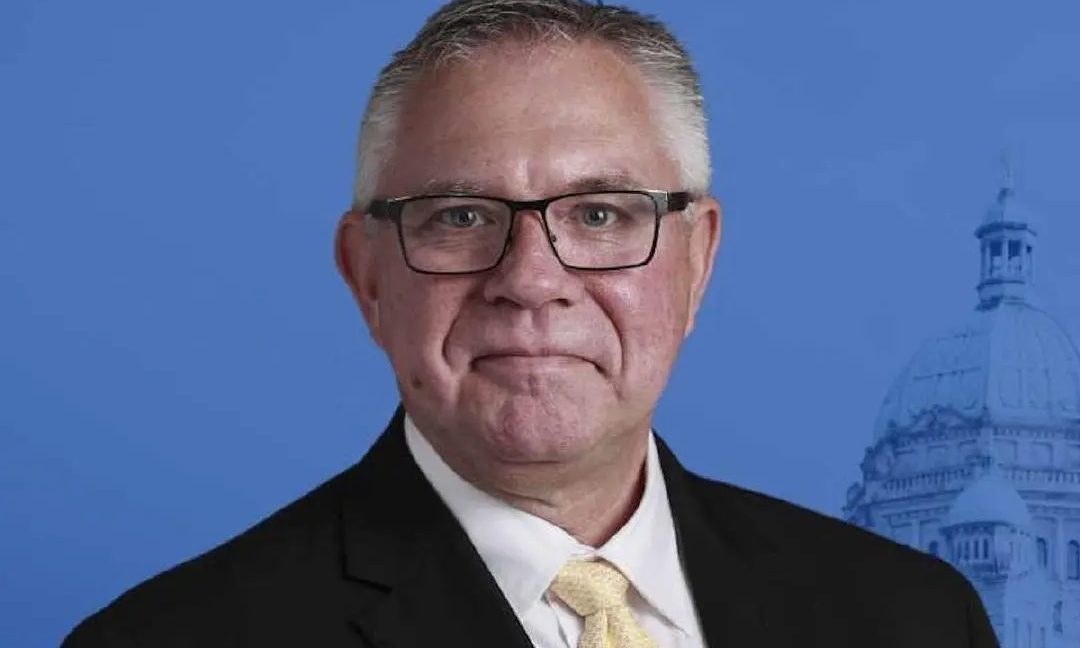
Lorne Doerkson Steps Into Interim Leadership Role
Cariboo-Chilcotin MLA Lorne Doerkson has taken over as interim leader of the Official Opposition following a unanimous vote by the B.C. Conservative caucus. The leadership transition occurred after Kerry-Lynne Findlay tendered her resignation on Sunday afternoon. Doerkson confirmed Monday that his primary focus is moving the party forward while preparing for potential political shifts across the province.
Reunification Efforts and Returning Caucus Members
Findlay’s departure followed weeks of turmoil that saw 14 MLAs exit the caucus through resignations or removals. Rebuilding efforts are already underway under Doerkson, who indicated that several departed members are returning to the fold. Former party leader John Rustad accepted Doerkson’s invitation to rejoin on Monday afternoon, joining other returning figures including former interim leader Trevor Halford, Columbia River-Revelstoke MLA Scott McInnis, Skeena MLA Claire Ratt e, and Surrey-Serpentine River MLA Linda Hepner.
Meanwhile, eight former Conservative MLAs have aligned with Centre BC under new leader Peter Milobar. High-level discussions regarding potential unification between Centre BC and the B.C. Conservative Party are currently taking place. B.C. Conservative MLA Gavin Dew confirmed that communication channels remain open across the factions.
Preparation for a Potential Snap Election
The sudden change in leadership arrives as speculation builds around Premier David Eby potentially calling a snap election. Doerkson stated that the caucus held discussions late into the night on Sept. 21 to ensure complete election readiness. According to former party executive director Angelo Isidorou, if an election is called and the party wins under Doerkson, a simple constitutional amendment passed at a general meeting would likely allow him to permanently retain both the party leadership and the premiership.
BC STORIES
What to Know as B.C. Heads to the Polls in Oct. 24 Snap Election
British Columbia will hold a snap election Oct. 24 as Premier David Eby seeks a mandate amidst B.C. Conservative leadership changes and political disarray.

Early Call Triggers Provincial Vote and Cancels Byelection
British Columbia voters are heading to the polls on Oct. 24 for a provincial snap election. The decision automatically cancels the Abbotsford-Mission byelection scheduled for this Saturday, which was opened when Reann Gasper stepped aside to offer former B.C. Conservative leader Kerry-Lynne Findlay a seat to contest.
Disarray in Opposition Ranks
The election call follows weeks of turbulence, caucus defections, and internal calls for leadership change that led to Findlay resigning as B.C. Conservative leader on Sunday. While some former Conservative MLAs rejoined the party—which recently named Lorne Doerkson as interim leader—eight others joined the Centre BC party prior to her departure. Unification discussions are underway, but having both parties on the ballot threatens to divide the right-of-centre vote.
Premier Cites Mandate; Local Leaders Raise Concerns
Premier David Eby framed the early election as a required step to secure his mandate regarding ongoing trade disputes with the United States. Observers, however, view the move as a strategic effort to capitalize on opposition internal conflicts. Eby is less than two years into a four-year term following the last election on Oct. 19, 2024.
The scheduled provincial vote takes place one week after municipal elections set for Oct. 17. Local officials, including former Union of B.C. Municipalities president Cori Ramsay, expressed concern that a snap campaign will overshadow municipal races, warning that only the “loudest voices” will be heard, and local issues will fall by the wayside. Some municipal candidates contemplating provincial campaigns have already withdrawn from local contests.
NATIONAL STORIES
How Proposed Airport Changes Could Impact Traveller Costs in Major Cities
NDP Leader Avi Lewis warns Ottawa’s plan for private investment in major Canadian airports could raise fees, while the government defends the initiative.
Federal Airport Proposal Draws Criticism Over Potential Fee Hikes
Federal revenue from Canada’s airports currently reaches $525 million each year, funds that NDP transport critic Heather McPherson suggests could be redirected to help regional hubs. The debate comes as the federal government proposes allowing private investors to bid on operational stakes at the country’s four largest airports in Vancouver, Calgary, Toronto, and Montreal.
Government officials state that revenue generated from investor contracts could be funneled into smaller regional airports to lower local fees. Under the federal framework, Ottawa would maintain ownership of the land and enforce existing safety regulations across all facilities.
NDP Warns of Long-Term Investor Control
Speaking outside the House of Commons alongside caucus members and labour representatives, NDP Leader Avi Lewis rejected the government’s characterization of the initiative. He called it disingenuous to label the policy as anything other than privatization, arguing that placing public assets under investor management for decades will likely drive up costs for travellers at the four major hubs.

What the BC Conservative Leadership Shift and MLA Return Means for the Next Election

What to Know as B.C. Heads to the Polls in Oct. 24 Snap Election
Why Hockey Fans in Alberta Can Look Forward to the 2027 World Juniors Schedule
How Proposed Airport Changes Could Impact Traveller Costs in Major Cities
Ottawa’s Proposed Labour Rules Will Evaluate Strike Interventions Case by Case
Your Current 3 Day Forecast — September 22, 2026

Opinion: John Rustad Has to Go

B.C. Supreme Court Grants Cowichan Tribes Title to Historic Richmond Lands and Fishing Rights

Vancouver Canucks Gear Up for a Make-or-Break 2025–26 Season

Kamloops Blazers Announce Off-Season Changes Ahead of 2025–26 Season

BC Ferries Sparks Outcry Over Contract with Chinese Shipyard

A Taste of Autumn: Fall Okanagan Wine Festival 2025
-
4 days ago
Your Current 3 Day Forecast — September 18, 2026
-
BC STORIES6 days ago
Extortion Gang Threatens Canadian Officials and Communities as Police Probe Reveals Widespread Tactics
-

 BC STORIES6 days ago
BC Conservative Leader Facing Fresh Criticism From Within Her Deeply Divided Caucus
-
BC STORIES6 days ago
Suspected Human Remains Discovered in Wooded Area South of Salmon Arm
-
 BC STORIES4 days ago
Why B.C. Centrists Are Uniting Under Peter Milobar as Election Speculation Grows
-
LOCAL6 days ago
Why B.C. Mayors Are Uniting to Push for Stronger Provincial Safety Measures
-
BC STORIES6 days ago
How International Investment Promotion Could Bring Jobs to BC
-
SPORTS6 days ago
Toronto Blue Jays Wild-Card Standings: 10-1 Loss to Tigers Drops Team in AL Playoff Chase