WORLD
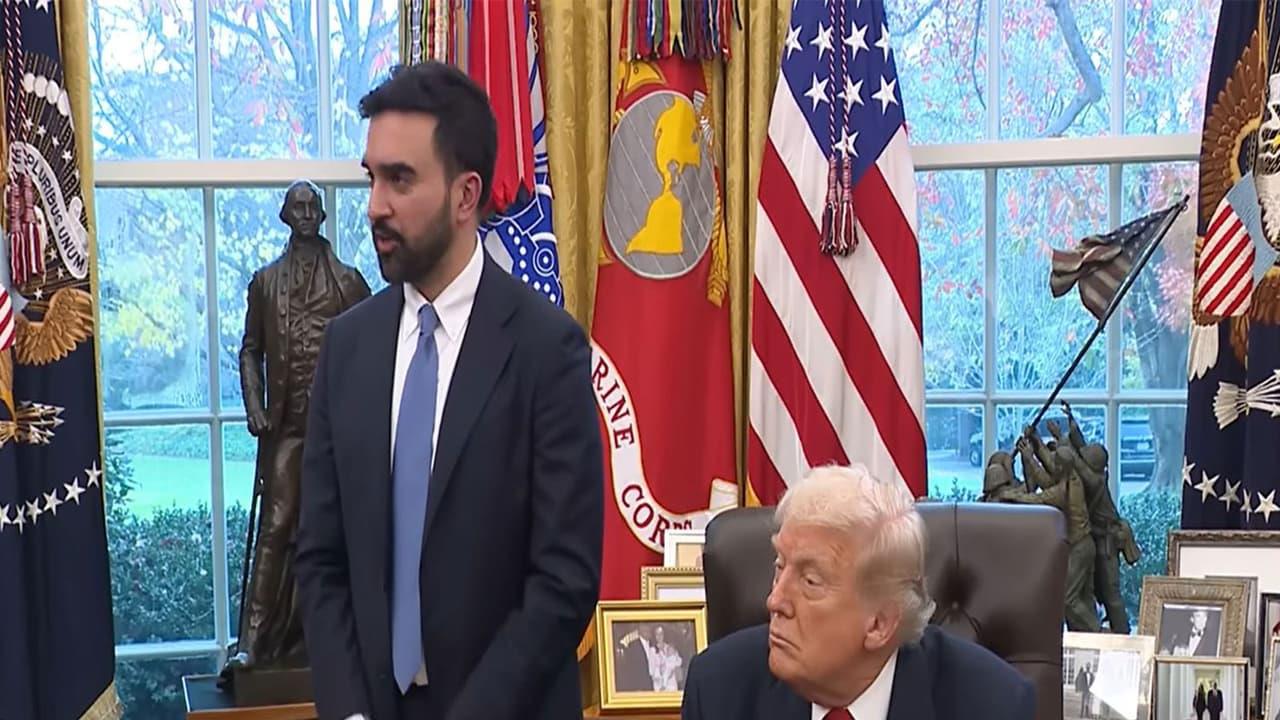
Assemblyman Zohran Mamdani Recounts Peculiar White House Observation

Key Takeaways
- New York State Assemblyman Zohran Mamdani recently visited the White House.
- During his visit, Mamdani noted an unspecified detail he described as ‘the weirdest thing.’
- The observation highlights the unique perspectives state-level officials bring to federal spaces.
- Mamdani’s visit underscores the ongoing dialogue between state and federal governance.
The Deep Dive
New York State Assemblyman Zohran Mamdani, a prominent progressive voice representing the 36th District, recently drew attention following a visit to the White House. While the specific purpose of his trip remained undisclosed, such visits by state legislators typically involve discussions on federal funding, policy coordination, or advocacy for their constituents’ interests on a national stage. Mamdani, known for his sharp observations and engagement with public discourse, shared an intriguing detail from his time within the iconic federal building.
During his visit, Mamdani reportedly encountered something he characterized as ‘the weirdest thing.’ Although the nature of this peculiar observation has not been publicly revealed, it immediately sparked curiosity among followers and political observers. This incident underscores how even seasoned public figures can find unexpected elements within the nation’s most recognizable corridors of power, offering a glimpse into the human experience amidst high-level political environments.
Why It Matters
Mamdani’s brief anecdote, despite its lack of specific detail, carries significance. It illustrates the often-unseen interactions between state and federal governance, reminding the public that elected officials from various levels frequently engage with national institutions. Furthermore, it subtly highlights the personal dimension of public service, where individuals, even in official capacities, remain observant of their surroundings. As a rising figure in New York politics, Mamdani’s reflections provide a momentary, humanizing pause in the often-abstract world of policy and legislation, drawing attention to the unique experiences that shape political perspectives.


Crime
Actor Nick Pasqual Sentenced to 32 Years to Life Following Brutal Stabbing of Former Partner
Actor Nick Pasqual receives 32 years to life for the attempted murder of makeup artist Allie Shehorn in a brutal 2024 domestic violence attack.

Justice Served in Horrific Domestic Violence Case
In a Los Angeles courtroom on Tuesday, actor Nick Pasqual was sentenced to 32 years to life in state prison for the attempted murder of his former girlfriend, Allie Shehorn. Pasqual, whose credits include a small role on the hit sitcom “How I Met Your Mother,” was convicted last month on multiple counts, including residential burglary and attempted murder, following a violent incident that shocked the entertainment community in May 2024.
Details of the Sunland Attack
The sentencing follows a harrowing trial that detailed the early morning hours of the attack. Prosecutors established that Pasqual broke into Shehorn’s home in Sunland, California, where he proceeded to stab her more than 20 times. The victim suffered life-threatening injuries to her neck, chest, back, abdomen, and limbs. Following the assault, Pasqual attempted to flee the jurisdiction, heading toward the U.S.-Mexico border before being intercepted by law enforcement and taken into custody.
The Long Road to Recovery for Allie Shehorn
Allie Shehorn, an accomplished Hollywood makeup artist, survived the ordeal only through emergency surgery and prolonged intensive medical care. Despite her survival, Shehorn testified regarding the permanent physical damage and profound emotional trauma she continues to endure. The financial burden of her extensive medical treatments and rehabilitation has also become a significant hurdle in her journey back to health. Her resilience throughout the legal process has been noted by supporters and the court alike.
A Severe Sentence for Violent Crimes
The judge’s decision to impose a sentence of 32 years to life reflects the severity of the charges and the extreme brutality of the assault. By finding him guilty of attempted murder and residential burglary, the jury underscored the premeditated nature of the crime. Legal experts suggest that the lengthy sentence serves as a stark message regarding the legal consequences of domestic violence and aggravated assault, bringing a sense of closure to a case that has dominated headlines for months.
POLITICS
White House Adjusts Tariffs on Steel and Aluminum Derivatives to Bolster Industry
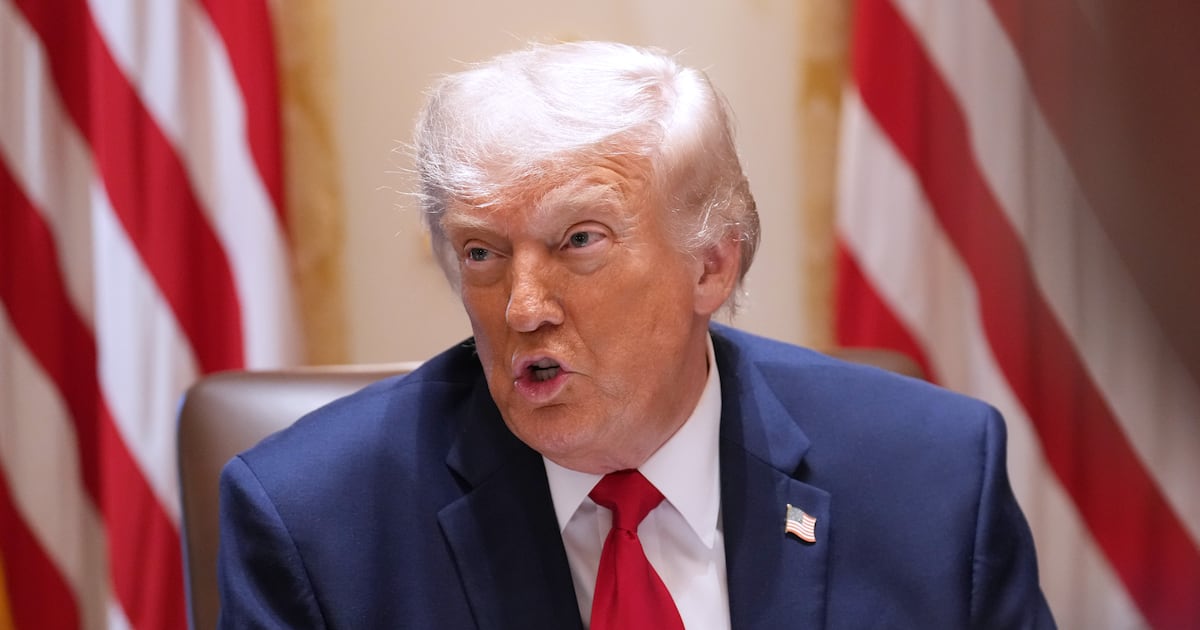
President Trump signs a proclamation amending tariffs on steel, aluminum, and copper to boost U.S. manufacturing and lower costs for agricultural machinery.
Strategic Shifts in Trade Policy
In a significant move aimed at recalibrating the nation’s industrial landscape, U.S. President Donald Trump has signed a new proclamation amending tariffs on key imports, including steel, aluminum, and copper. The White House announced the changes on Monday, detailing a complex restructuring of duty rates designed to incentivize domestic manufacturing while providing relief to specific sectors such as agriculture and residential construction.
Lowering Barriers for Critical Machinery
The updated proclamation introduces a reduction in tariffs for several essential derivative products. Notably, duties on certain types of agricultural machinery and residential HVAC (heating, air conditioning, and ventilation) equipment will drop from 25 percent to 15 percent. This reduction is expected to ease costs for American farmers and homeowners alike. Furthermore, mobile industrial equipment—including heavy machinery like bulldozers and forklifts—will now be subject to a 15 percent tariff, provided these goods are imported from trade-partner nations entitled to such treatment.
Incentivizing Domestic Materials
A key highlight of the new order is a provision designed to reward the use of American-made materials. Foreign companies can now qualify for a lower 10 percent tariff rate if they can prove their capital equipment consists of at least 85 percent U.S. melted and poured steel, or smelted and cast aluminum by weight. This “melted and poured” requirement is a strategic effort to ensure that the primary stages of metal production remain rooted in the United States, strengthening the domestic supply chain.
New Restrictions and Long-Term Outlook
While some sectors saw relief, the order also expanded the scope of protectionist measures. Two new categories—steel racks and aluminum lithographic plates—have been added to the list of derivative products subject to the higher 25 percent duty. These adjustments are scheduled to take effect for all relevant goods imported after 12:01 a.m. EST on June 8. According to the White House, these trade measures will remain in place until December 31, 2027, serving as a long-term catalyst to spur investments and rebuild the nation’s industrial base.
WORLD
Tensions Surge as US Strikes Iranian Targets Amid High-Stakes Nuclear Negotiations
US military strikes Iranian drones in the Strait of Hormuz as President Trump balances military pressure with nuclear negotiations ahead of the midterms.

Escalation in the Strait of Hormuz
The United States military conducted a series of strategic “defensive strikes” against Iranian targets late Wednesday, marking the second such operation within a three-day window. According to US Central Command (Centcom), the mission successfully neutralized four Iranian one-way attack drones identified as immediate threats near the Strait of Hormuz. Additionally, US forces targeted and destroyed a ground control station in Bandar Abbas that was reportedly preparing to launch a fifth drone.
Trump Signals Pressure as Diplomacy Falters
The military action comes at a precarious moment for the White House. President Donald Trump, speaking during a Cabinet meeting on Wednesday, asserted that Tehran is currently “negotiating on fumes.” While expressing a cautious optimism that a settlement could be reached to end the three-month-old conflict, Trump warned that the United States is prepared to “finish the job” should diplomatic efforts collapse. The President’s rhetoric highlights a dual-track strategy of military deterrence and diplomatic engagement as the administration seeks to reopen the vital shipping lanes of the Strait of Hormuz.
The Nuclear Stumbling Block
At the heart of the ongoing negotiations is Iran’s significant stockpile of highly enriched uranium. International Atomic Energy Agency (IAEA) reports indicate that Tehran possesses over 440 kilograms of uranium enriched to 60% purity—dangerously close to the 90% threshold required for weapons-grade material. While the proposed deal suggests Iran relinquish this stockpile in exchange for sanctions relief, a major point of contention remains where the material would be sent. President Trump explicitly stated he would not be comfortable with Russia or China taking possession of the uranium, despite their status as the most viable third-party candidates.
Political Stakes and Global Impact
As the November midterm elections approach, the Trump administration faces mounting pressure to deliver a foreign policy victory that could stabilize global fuel prices and domestic economic concerns. Analysts suggest the President is eager to declare a reduction in Iran’s nuclear capabilities to justify ending a politically divisive war. However, critics within his own party fear that a rushed settlement might leave Iranian leadership battered but ultimately emboldened. With Tehran demanding a cessation of Israeli operations against Hezbollah as part of the package, the path to a durable peace remains fraught with geopolitical complexities.
Vancouver Canucks Appoint Manny Malhotra as Head Coach Amid Massive Front Office Overhaul
Canada-U.S. Trade Tension Escalates as Trump Renews ’51st State’ Rhetoric
Ottawa Unveils $10 Billion Infrastructure Windfall for Quebec Transit and Health Care
Actor Nick Pasqual Sentenced to 32 Years to Life Following Brutal Stabbing of Former Partner
Invasive Mosquitoes Carrying Brain-Swelling Virus Detected in B.C. Sea-to-Sky Region
Canada Secures Decisive 2-0 Victory Over Uzbekistan as World Cup Fever Hits Edmonton

Opinion: John Rustad Has to Go

B.C. Supreme Court Grants Cowichan Tribes Title to Historic Richmond Lands and Fishing Rights

Vancouver Canucks Gear Up for a Make-or-Break 2025–26 Season

Kamloops Blazers Announce Off-Season Changes Ahead of 2025–26 Season

BC Ferries Sparks Outcry Over Contract with Chinese Shipyard

A Taste of Autumn: Fall Okanagan Wine Festival 2025
-
Health7 days ago
The Strategic Edge: Why Sleep Is the Executive’s Most Underutilized Asset
-
Hockey7 days ago
History in the Making: John Tortorella Chases Rare Mid-Season Coaching Milestone with Vegas
-
Alberta7 days ago
Internal Rift Erupts as Alberta Premier Clashes with Party President Over Separatism
-
energy7 days ago
A Geopolitical Shift: Canada and Germany Strike Landmark 20-Year LNG Export Deal
-
business6 days ago
CFL Scores Historic $500 Million Media Rights Deal with Bell Media, DAZN, and YouTube
-
LOCAL6 days ago
UBC Dementia Research Receives $500,000 Boost for Revolutionary Blood-Based Testing
-
Africa6 days ago
Deadly Bundibugyo Outbreak in Congo Outpacing Global Response as Deaths Surge
-
WORLD6 days ago
Tensions Surge as US Strikes Iranian Targets Amid High-Stakes Nuclear Negotiations