LOCAL
BC Conservative Leadership Race Poised to Ignite Before Legislative Session
Political insiders are speculating that a BC Conservative leadership contest could officially kick off even before the upcoming legislature session begins. With internal momentum building and key MLAs and public figures rallying behind a leadership refresh, the race appears imminent. A rebranding push and strategic positioning ahead of the next election have pundits watching for a surprise head start to the leadership campaign.
Prominent names already floating as likely contenders include:
- Brad West
- Elenore Sturko
- Harman Bhangu
- Peter Milobar
- Yuri Fulmer
Here’s a snapshot of each potential candidate—orchestrating profiles grounded in their public biographies and activities to date:
Brad West
- Position & Background: Long-serving Mayor of Port Coquitlam, first elected in 2018 with the highest vote total in the city’s history, and acclaimed for a second term in 2022
- Leadership & Education: Recognized for pragmatic, family-focused leadership and efficient municipal management. Holds degrees from the University of Victoria, St. Francis Xavier University, and completed a leadership program at Harvard University
- Political Note: In May 2024, he publicly dismissed speculation that he might lead a coalition merger between the BC Conservatives and BC United
Elenore Sturko
- Current Role: MLA for Surrey-Cloverdale, elected under BC United but crossed the floor to BC Conservatives in June 2024. Previously served as MLA for Surrey-South (2022–2024)
- Career Background: Former RCMP staff sergeant with experience in media relations and community policing in both BC and the North. Prior reserve service with the Canadian Forces Air Command
- Trailblazer: A champion for LGBTQ+ rights, her defection was seen as a dramatic shake-up in provincial politics
Harman Bhangu
- Office: Elected MLA for Langley-Abbotsford in the 2024 BC election; serves as the party’s Transportation Critic
- Roots & Career: First-generation Canadian born at Surrey Memorial Hospital. Spent 17 years in heavy-load trucking as an aggregate hauler, managing operations and contract bids for infrastructure projects
- Community: Lifelong sports enthusiast, former minor-league football player and coach—applying lessons in teamwork to his public service
Peter Milobar
- Scape: MLA for Kamloops Centre since 2024; formerly represented Kamloops-North Thompson (2017, 2020)
- Experience: Multi-term Mayor of Kamloops, regional hospital district chair, and local government leader. Held roles on BC Transit board, PRIMECorp, and the Local Government Contract Management Committee
- Focus: Serves as the party’s Finance Critic, with a strong reputation in fiscal oversight and community-rooted governance
Yuri Fulmer
- Profile: Vancouver-based entrepreneur, philanthropist, chancellor of Capilano University, and global chair of United Way Worldwide
- Entrepreneurship: Built Fulmer & Company from a single A&W franchise into a portfolio of restaurant and hospitality ventures across Western Canada
- Philanthropic Impact: A prominent donor and volunteer—Order of BC recipient, involved with Surrey Food Bank, Vancouver Foundation, and Capilano University leadership and capital campaigns
Political Emergence: Nominated in 2024 as the BC Conservative candidate for West Vancouver–Sea to Sky, citing urgency to address fiscal and societal challenges in the province.
LOCAL
Dangerous Winter Storm Conditions Persist: Heavy Snow and High Winds Forecast for Coquihalla Highway
Travelers are warned of hazardous winter conditions on the Coquihalla Highway between Hope and Merritt as Environment Canada forecasts continued heavy snowfall and high winds throughout the weekend.

Winter Storm Continues to Impact Interior British Columbia
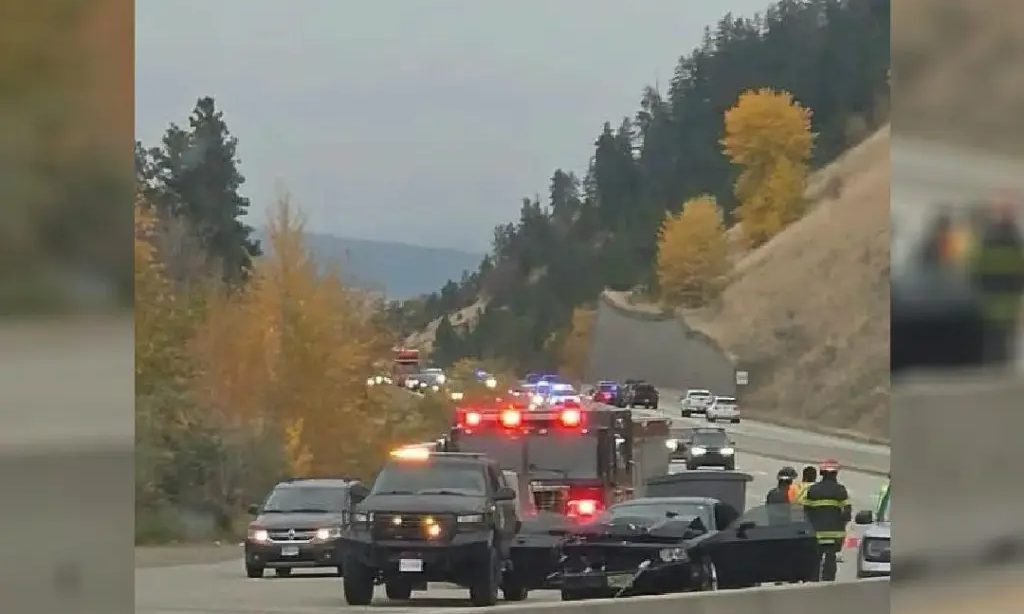
Motorists planning to traverse the British Columbia interior are being urged to exercise extreme caution as a relentless winter storm continues to blanket the Coquihalla Highway (Highway 5) with significant snowfall. Environment Canada has maintained a travel advisory for the stretch of highway between Hope and Merritt, citing hazardous conditions that are expected to persist throughout the weekend. With visibility frequently reduced to near zero and road surfaces becoming increasingly treacherous, provincial authorities are advising against non-essential travel until the system subsides.
According to the latest meteorological reports, an additional 10 to 20 centimeters of snow is forecast to accumulate by Sunday evening. This snowfall is being driven by a stationary Pacific frontal system that has pinned itself against the Cascade Mountains, dumping moisture onto the high-elevation passes. The Coquihalla Summit, which sits at an elevation of 1,244 meters, is bearing the brunt of the storm. Meteorologists warn that while the valley bottoms may see a mix of rain and snow, the mountain passes will experience heavy, consistent white-out conditions.
High Winds and Drifting Snow Create Visibility Hazards
It is not merely the volume of snow that is causing concern for the Ministry of Transportation and Infrastructure, but the accompanying high winds. Forecasts indicate sustained wind speeds of 40 to 60 kilometers per hour, with gusts reaching up to 80 kilometers per hour in exposed areas near the Great Bear Snowshed. These winds are causing significant blowing and drifting snow, making it nearly impossible for snowplows to maintain clear lanes for extended periods. When combined with the heavy snowfall, these conditions create white-out scenarios where drivers can lose sight of the road markings and the vehicles ahead of them.
DriveBC, the provincial traffic information service, has reported multiple minor incidents involving spun-out vehicles and semi-trucks over the last 24 hours. While no major injuries have been reported, the cumulative effect of these incidents has led to intermittent delays and temporary lane closures. The Coq is a challenging route even in fair weather, noted one highway patrol officer. When you add 20 centimeters of fresh powder and 80-kilometer winds, it becomes an environment where even the most experienced drivers can find themselves in trouble.
Safety Protocols and Winter Tire Requirements
Under British Columbia law, winter tires or chains are mandatory for all vehicles traveling on the Coquihalla Highway during this season. Conservation officers and the RCMP are conducting periodic checks to ensure compliance. Passenger vehicles must have tires with the mountain-snowflake or M+S symbol and at least 3.5mm of tread depth. Commercial vehicles over 11,794 kg must carry chains and be prepared to install them at designated pull-outs. Failure to comply not only results in significant fines but also puts other road users at risk during these severe weather events.
Maintenance contractors for the highway have deployed their full fleet of plows, graders, and salt trucks. However, the intensity of the snowfall often means that by the time a plow completes its circuit, several new centimeters of snow have already accumulated on the tarmac. Drivers are reminded to never pass a snowplow on the right and to maintain a safe following distance of at least 30 meters to allow operators to work effectively. We are doing everything we can to keep the artery open, a spokesperson for the maintenance contractor stated, but the sheer volume of snow requires us to prioritize safety over speed.
Emergency Preparedness for High-Elevation Travel
For those who must travel, emergency management officials recommend carrying a winter survival kit. This kit should include blankets, extra clothing, non-perishable food, water, a first-aid kit, and a small shovel. Keeping a full tank of gas is also critical, as idling for warmth during a road closure can quickly deplete fuel reserves. Furthermore, travelers should ensure their mobile devices are fully charged and that they have shared their travel plans with a friend or family member. In the high-elevation stretches of the Coquihalla, cell service can be spotty, making it difficult to call for help if a vehicle leaves the roadway.
The geography of the Coquihalla makes it uniquely susceptible to rapid weather shifts. Known as a high-mountain pass route, the highway climbs steeply from sea level at Hope into the rugged terrain of the interior plateau. This rapid ascent often transitions mild rain into freezing rain or heavy snow within minutes. Historical data shows that the Coquihalla is one of the most unpredictable highways in North America during the winter months, often seeing more snow in a single weekend than many cities see in an entire year.
Looking Ahead: Forecast for the Work Week
While the immediate focus remains on the weekend snowfall, long-range forecasts suggest that the weather pattern may begin to shift by late Monday. A colder air mass from the north is expected to move in, which should taper off the heavy precipitation but will bring significantly lower temperatures. While the snow may stop falling, the risk of black ice will increase as the moisture on the roads freezes solid. Travelers are encouraged to check DriveBC frequently for the most up-to-date information on road conditions and closures before embarking on their journey.
In summary, the Coquihalla Highway remains a high-risk zone for the next 48 hours. The combination of heavy snow, high winds, and high traffic volume creates a volatile situation. The provincial government and Environment Canada continue to monitor the situation closely, and further advisories may be issued if the storm intensifies. For now, the message to the public remains clear: if you do not need to be on the Coquihalla this weekend, stay home and avoid the risks associated with this severe winter weather event.
LOCAL
Navigating the Festive Minefield: The 12 Scams of Christmas and How to Protect Your Holiday Cheer
Stay safe this festive season with our expert guide to the 12 most common Christmas scams. Learn how to identify phishing, charity fraud, and social media schemes to protect your wallet.

The Festive Season’s Dark Side: Navigating the 12 Scams of Christmas
As the winter frost begins to settle and the glow of holiday lights fills the streets, a more sinister transformation takes place in the digital shadows. For cybercriminals and professional fraudsters, the holiday season is not a time for rest, but a peak period of productivity. Recent data from the Federal Bureau of Investigation’s Internet Crime Complaint Center suggests that financial losses during the final quarter of the year often surge by over 20 percent compared to other periods. This spike is driven by a sophisticated array of tactics designed to exploit the urgency, generosity, and occasional distraction that characterize the holiday shopping rush. Understanding these threats is the first step in safeguarding your financial well-being during the most expensive time of the year.
1. The Shipping Notification Deception
With billions of packages crisscrossing the globe, scammers leverage delivery anxiety to steal credentials. Victims receive a text message, often referred to as smishing, claiming a package is held due to an incomplete address or an unpaid customs fee. The link provided leads to a perfectly cloned website of a major courier like FedEx or UPS. Once a user enters their credit card details to pay a nominal redelivery fee, the attackers capture the data for high-value unauthorized purchases. Experts advise always checking the URL and using official apps to track shipments rather than clicking unsolicited links.
2. Social Media Bait-and-Switch Ads
Social media platforms have become a breeding ground for fraudulent retailers. These scammers create short-lived ad campaigns featuring high-demand items, such as the latest gaming consoles or designer apparel, at prices that defy market logic. These ads often lead to ghost stores. After the payment is processed, the store disappears, and the social media account is deleted. In some cases, victims receive a completely unrelated, low-value item to provide a fake tracking number that complicates the credit card dispute process.
3. The Secret Sister Social Media Scam
What appears to be a heartwarming gift exchange on Facebook is actually a mathematical impossibility and a legal liability. The Secret Sister scheme promises that participants will receive up to 36 gifts in exchange for sending one ten dollar item. In reality, this is a classic pyramid scheme. It relies on a constant stream of new recruits, and eventually, the bottom of the pyramid loses their money. Furthermore, the practice requires participants to post their personal home addresses in public forums, opening the door to privacy risks.
4. Exploitative Fake Charities
The spirit of giving is a vulnerability that scammers are quick to exploit. Bogus charities often emerge during the holidays, using names that are subtly different from established organizations. They use high-pressure tactics, often via telephone or unsolicited emails, asking for immediate wire transfers or cryptocurrency donations. Journalistic investigations have shown that almost none of the funds collected by these fake entities ever reach a charitable cause. Always verify a charity via independent watchdogs before donating.
5. The Gift Card Payment Mandate
Gift cards are for gifting, not for paying bills. Scammers posing as IRS agents or utility company representatives will claim that you have an urgent debt. They insist that the only way to resolve the matter and avoid arrest is to purchase gift cards and read the numbers over the phone. This method is preferred by criminals because gift cards are nearly impossible to trace. Legitimate organizations will never demand payment via a retail gift card.
6. Emotional Manipulation: The Grandparent Scam
During the holidays, when family is top of mind, scammers target the elderly with emergency calls. Using voice-cloning AI or high-pressure scripts, they pretend to be a grandchild who has been involved in an accident or arrested while traveling. They beg the victim not to tell other family members and to wire money for bail immediately. This scam plays on deep emotional bonds, often resulting in devastating financial losses for seniors.
7. The Puppy and Pet Scams
The dream of a new pet under the tree is a frequent starting point for fraud. Scammers post listings for non-existent puppies on classified sites. They build rapport with the buyer, sending stolen photos, and then demand payments for specialized climate-controlled shipping or mandatory vaccinations. Once the money is sent via a non-refundable method, the seller vanishes, leaving the family without a pet and without their savings.
8. Malicious Holiday E-Cards
While digital cards are an eco-friendly way to spread cheer, they are often used to deliver malware. Clicking an Open My Card link from an unknown sender can trigger the download of a keylogger, which records every keystroke you make, including bank passwords. Modern malware can sit dormant on a device for months, collecting data before being activated by the hacker during a peak transaction period.
9. Fraudulent Seasonal Job Postings
As retailers scramble for help, scammers post fake remote-work or seasonal positions on legitimate job boards. These listings are designed to harvest personal information. During the onboarding process, victims are asked to provide their Social Security number and bank account details for payroll. In some variations, the employer sends a fake check to purchase home-office equipment, asking the victim to wire the extra funds back to a supplier before the check bounces.
10. Look-alike and Typosquatting Websites
Consumer beware: scammers register domains that are common misspellings of popular brands. These sites are designed to look identical to the real ones. If you do not notice the typo in the URL, you might provide your login credentials and credit card information directly to a criminal database. Always type the URL manually into your browser rather than clicking links in emails.
11. Unsecured Public Wi-Fi Risks
Shoppers often use mall Wi-Fi to compare prices online. However, hackers can set up Evil Twin hotspots with names like Free Mall Wi-Fi. When you connect, they can intercept all data sent from your phone. If you make a purchase while connected, they have your credit card number. It is essential to use a Virtual Private Network or use your cellular data for any financial transactions.
12. The Fake Prize and Unclaimed Credit Pop-ups
As you browse, a window might appear claiming you have won an Amazon gift card or that you have unclaimed loyalty points expiring soon. These pop-ups lead you to a survey site that asks for extensive personal information. At the end, you are asked to pay a small shipping fee for your prize. This is simply another way to capture credit card data and sell your profile to marketing aggregators.
How to Protect Yourself This Season
Vigilance is the most effective tool against holiday fraud. Financial experts recommend using credit cards rather than debit cards for all holiday shopping, as credit cards offer robust federal protections against fraudulent charges. Additionally, enabling multi-factor authentication on all financial accounts adds a critical layer of security. If you suspect you have been targeted, report the incident to the FTC and contact your bank immediately. By staying informed and skeptical, you can ensure that your holiday remains merry and secure.
LOCAL
Ottawa Clears Major Teck-Anglo American Deal, Securing Billions in Canadian Investment

Key Takeaways
- The Canadian government has officially approved a significant transaction between Teck Resources Ltd. and Anglo American PLC.
- This approval was granted following substantial commitments from the companies to invest billions of dollars within Canada.
- The deal underscores Ottawa’s strategic role in ensuring major corporate agreements generate tangible economic benefits for the nation.
The Deep Dive
Ottawa has given its regulatory blessing to a pivotal transaction involving Vancouver-based Teck Resources Ltd., a leading diversified Canadian mining company, and Anglo American PLC, a prominent global mining conglomerate headquartered in the United Kingdom. This governmental endorsement signals a significant step forward for the corporate endeavors between the two entities, highlighting the Canadian government’s active role in overseeing major deals that impact national economic interests and resource sectors.The approval was not unconditional; it was secured by robust pledges from both companies to inject billions of dollars into Canada. These substantial financial commitments are anticipated to fuel economic growth, create new employment opportunities, and potentially advance critical infrastructure projects or resource development initiatives across the country. Such investment promises are often pivotal in gaining regulatory consent for large-scale international corporate transactions within Canada.
Why It Matters
This development transcends a mere corporate transaction, serving as a powerful illustration of how Canada balances attracting foreign investment with safeguarding its national economic interests. By leveraging its regulatory authority, Ottawa has ensured that this significant deal with a global mining giant will yield direct, measurable benefits for Canadians. It sets a precedent for future international collaborations in crucial sectors like mining, emphasizing the government’s commitment to securing long-term prosperity and strategic advantages from global partnerships.