Economy
Canada-U.S. Trade Tension Escalates as Trump Renews ’51st State’ Rhetoric
Trade Minister Dominic LeBlanc faces ‘turbulence’ in DC as Donald Trump renews ’51st state’ rhetoric and Canada pushes for a 16-year CUSMA renewal.


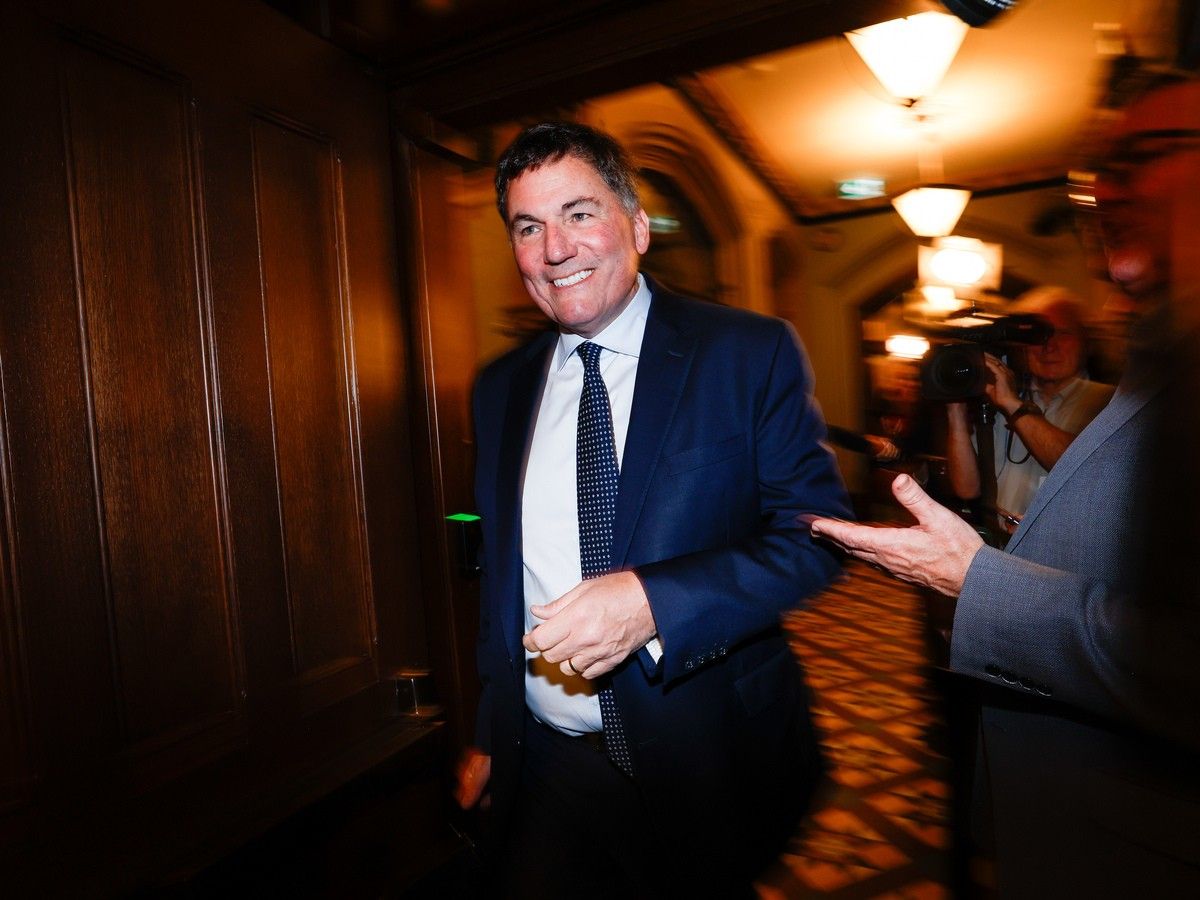
Turbulence in Washington: Trade Negotiations Face High Stakes
Canada-U.S. Trade Minister Dominic LeBlanc has admitted that his recent mission to Washington, D.C. was met with significant “turbulence,” as bilateral relations face a new wave of pressure. Accompanied by chief trade negotiator Janice Charette, LeBlanc arrived in the U.S. capital just as President Donald Trump intensified his provocative rhetoric regarding Canadian sovereignty. Despite the diplomatic friction, LeBlanc remains optimistic about securing a future for North American trade.
The ’51st State’ Controversy and CUSMA Renewal
Hours before the high-level meetings began, President Trump took to Truth Social to post a blunt message: “51st State!” The post, which linked to a report on Canada’s technical recession, was later shared by U.S. Ambassador to Canada Pete Hoekstra. This escalation comes at a sensitive time as Canada formally signaled its desire to renew the Canada-U.S.-Mexico Agreement (CUSMA) for a 16-year term. The Canadian government argues that a long-term extension is vital to protecting a trilateral trade relationship projected to reach $1.9 trillion by 2026.
Diplomatic Responses and Economic Realities
Prime Minister Mark Carney, speaking from Montreal, addressed the growing tension by dismissing calls to expel the U.S. Ambassador. Carney emphasized the necessity of a pragmatic approach, stating that the administration must be taken “as it is” due to the critical nature of the security and economic partnership. While the Prime Minister avoided using the term “recession,” he acknowledged “choppiness” in the economy, attributing recent weakness to government decisions regarding immigration rollbacks and tightened spending aimed at long-term resilience.
The Path Forward for North American Trade
The Canadian delegation met with U.S. Trade Representative Jamieson Greer to discuss specific measures intended to offer the Americans “comfort” regarding trade imbalances and rules of origin. As the U.S. administration demands stricter requirements, the Canadian side continues to push for stability. The outcome of these talks will determine the trajectory of one of the world’s most integrated economic zones, even as political rhetoric threatens to overshadow technical negotiations.