Economy
Canada’s Cosmic Ambition: Experts Call for ‘Think Big’ Approach to Space Risks
Astrophysicist Sara Seager and industry leaders urge Canada to take more risks in the space sector to drive innovation, STEM growth, and economic independence.

The Call for Canadian Risk-Taking
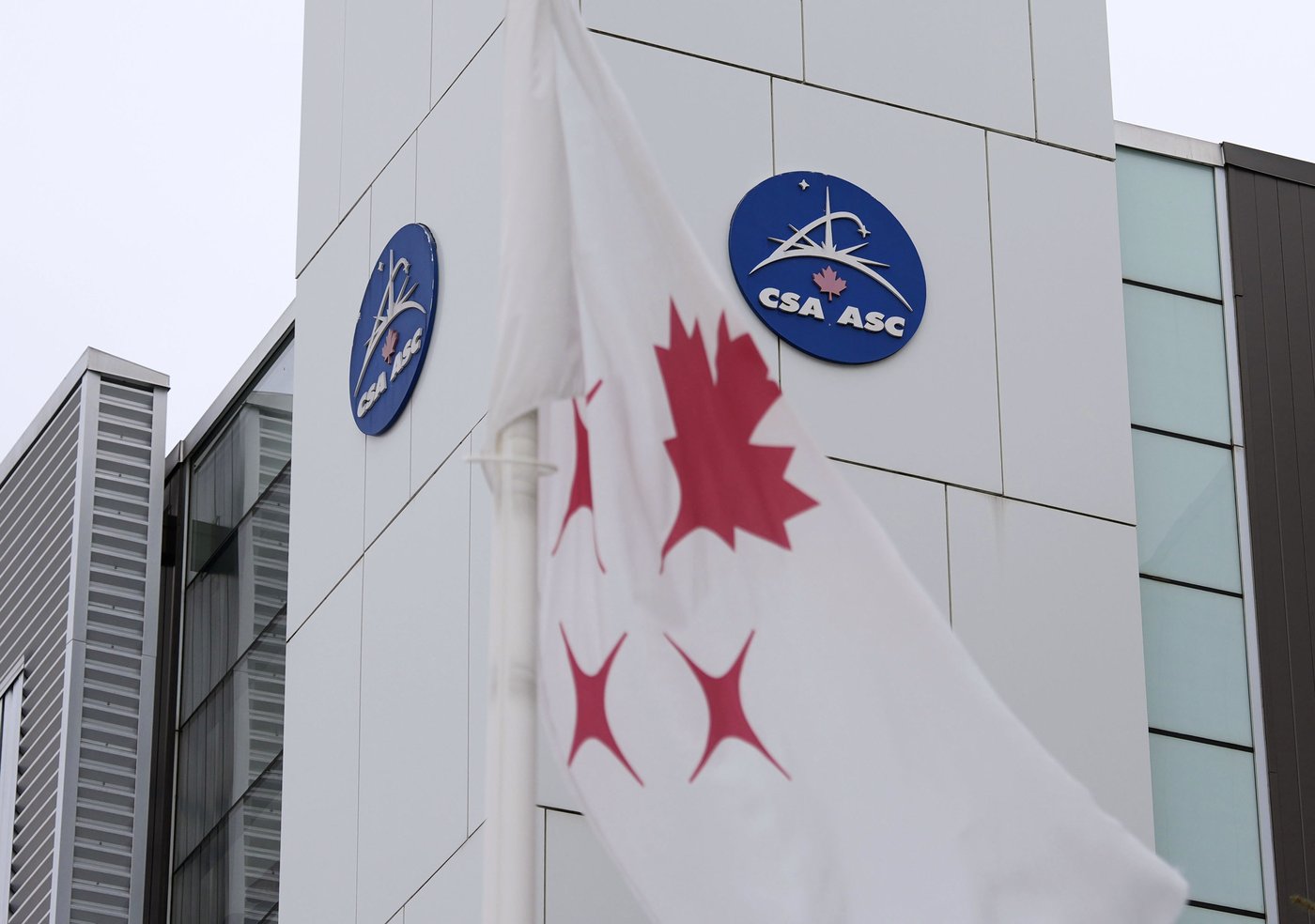
As Canada cements its role as a key player in the global space economy, leading experts are urging the nation to shed its traditionally cautious approach. Renowned MIT astrophysicist and Toronto-born researcher Sara Seager, recently appointed to the University of Toronto’s Canadian Institute for Theoretical Astrophysics, argues that Canada must replicate the American spirit of “thinking big.” According to Seager, this involves more than just capital investment; it requires a cultural shift toward embracing “crazy ideas” and executing high-risk, high-reward missions that push the boundaries of scientific exploration.
Economic Impact and Strategic Infrastructure
The stakes for Canada’s space sector are higher than ever, with government figures indicating a $3.4 billion contribution to the national GDP in 2024. To sustain this momentum, the federal government recently announced a $200 million investment in a Canadian-owned launch pad in Canso, Nova Scotia. Managed by Maritime Launch Services, this infrastructure is slated to become operational by late 2026, granting Canada domestic launch capabilities for the first time. Sarah McLean, vice president of corporate affairs for Maritime Launch, emphasizes that space investment is no longer optional but a strategic necessity for modern infrastructure, from telecommunications to weather prediction.
Inspiration and the STEM Pipeline
Beyond the hardware and economic data, proponents of a robust space program highlight the “inspiration factor.” The recent lunar journey of Jeremy Hansen—the first non-American to travel beyond low Earth orbit—serves as a powerful catalyst for the next generation. Zainab Azim, a 23-year-old Harvard teaching fellow and aspiring astronaut, notes that space diplomacy and missions like Artemis II prove what is possible through international cooperation. Azim advocates for a space program that prioritizes equality and addresses Earth-bound challenges, such as using satellite systems to optimize crop yields and food security.
Future Horizons
As the global space economy evolves, Seager and other industry leaders believe Canada must remain at the forefront of both exploratory research and commercial innovation. From the satellite-based internet solutions of Kepler Communications to the search for life on exoplanets, the message is clear: for Canada to lead in the stars, it must be willing to take bold risks at home. By fostering a pipeline of STEM talent and securing sovereign launch capabilities, Canada is positioning itself to be more than a junior partner in the next era of galactic discovery.

Economy
Canada-U.S. Trade Tension Escalates as Trump Renews ’51st State’ Rhetoric
Trade Minister Dominic LeBlanc faces ‘turbulence’ in DC as Donald Trump renews ’51st state’ rhetoric and Canada pushes for a 16-year CUSMA renewal.

Turbulence in Washington: Trade Negotiations Face High Stakes
Canada-U.S. Trade Minister Dominic LeBlanc has admitted that his recent mission to Washington, D.C. was met with significant “turbulence,” as bilateral relations face a new wave of pressure. Accompanied by chief trade negotiator Janice Charette, LeBlanc arrived in the U.S. capital just as President Donald Trump intensified his provocative rhetoric regarding Canadian sovereignty. Despite the diplomatic friction, LeBlanc remains optimistic about securing a future for North American trade.
The ’51st State’ Controversy and CUSMA Renewal
Hours before the high-level meetings began, President Trump took to Truth Social to post a blunt message: “51st State!” The post, which linked to a report on Canada’s technical recession, was later shared by U.S. Ambassador to Canada Pete Hoekstra. This escalation comes at a sensitive time as Canada formally signaled its desire to renew the Canada-U.S.-Mexico Agreement (CUSMA) for a 16-year term. The Canadian government argues that a long-term extension is vital to protecting a trilateral trade relationship projected to reach $1.9 trillion by 2026.
Diplomatic Responses and Economic Realities
Prime Minister Mark Carney, speaking from Montreal, addressed the growing tension by dismissing calls to expel the U.S. Ambassador. Carney emphasized the necessity of a pragmatic approach, stating that the administration must be taken “as it is” due to the critical nature of the security and economic partnership. While the Prime Minister avoided using the term “recession,” he acknowledged “choppiness” in the economy, attributing recent weakness to government decisions regarding immigration rollbacks and tightened spending aimed at long-term resilience.
The Path Forward for North American Trade
The Canadian delegation met with U.S. Trade Representative Jamieson Greer to discuss specific measures intended to offer the Americans “comfort” regarding trade imbalances and rules of origin. As the U.S. administration demands stricter requirements, the Canadian side continues to push for stability. The outcome of these talks will determine the trajectory of one of the world’s most integrated economic zones, even as political rhetoric threatens to overshadow technical negotiations.
Economy
Mark Carney Issues Stark Warning: Alberta Separation Risks ‘Dangerous Brexit-Style’ Fallout
PM Mark Carney warns Alberta that a separatist vote is a ‘dangerous bluff,’ comparing the potential economic fallout to the U.K.’s post-Brexit struggles.

The ‘Dangerous Bluff’ of Economic Separation
Canadian Prime Minister Mark Carney has issued a stern warning to the province of Alberta, characterizing the burgeoning separatist movement as a “dangerous bluff” that mirrors the unforeseen economic consequences of the United Kingdom’s 2016 Brexit referendum. Speaking in Ottawa, Carney drew on his unique experience as the former Governor of the Bank of England to caution that voters are often promised a ‘soft’ transition that rarely manifests in reality.
“I saw first-hand what happened in the United Kingdom when the view was, ‘vote for this, it’ll be soft and then we’ll negotiate,'” Carney remarked. He emphasized that even a decade later, the U.K. is still grappling with the complex process of undoing policy decisions that many voters did not fully anticipate when they cast their ballots. Carney’s comments come at a time of heightened political tension as Alberta Premier Danielle Smith moves forward with plans for a non-binding vote on the province’s future within the Canadian federation.
The Shadow of Brexit and the 1995 Quebec Referendum
The Prime Minister’s comparison highlights the severe economic volatility that followed the Brexit vote, including a significant devaluation of the British pound and a long-term decline in foreign direct investment. Economists estimate that Brexit has slashed the U.K.’s GDP by as much as 8%, stifling productivity and employment growth. By invoking this precedent, Carney aims to ground the Alberta debate in fiscal reality, suggesting that the rhetoric of increased leverage in federal negotiations is a high-stakes gamble.
Canada is no stranger to separation anxiety; the 1995 Quebec referendum saw the province come within a razor-thin margin of independence, with 50.58% choosing to remain. However, the current movement in Alberta, fueled by the ‘Stay Free Alberta’ campaign and over 300,000 signatures, represents a shift in Western Canadian sentiment. Supporters argue that the oil-rich province has been systematically overlooked by federal policymakers, leading to a sense of alienation that now threatens the country’s territorial and economic integrity.
A High-Stakes Vote on the Horizon
With a non-binding vote expected this fall, the political landscape in Canada is bracing for a period of intense polarization. While the U.K. and the EU recently signed a landmark deal to reset relations, the years of legislative gridlock and economic friction serve as a cautionary tale for Canadian leaders. As the fall vote approaches, the federal government faces the daunting task of addressing Alberta’s grievances while preventing a repeat of the economic instability that has defined the post-Brexit era in Europe.
BCNEWS
Tim Hortons Pivots to Local Hiring Strategy Amid Rising Youth Unemployment and Fast-Food Competition
Tim Hortons pledges to hire 10,000 local workers, reducing reliance on the TFW program as youth unemployment rises and Dunkin’ returns to Canada.

A Major Shift in Recruitment Strategy
In a significant reversal of its recent labor practices, Tim Hortons has announced a commitment to hire 10,000 local employees throughout 2024. This move marks a strategic scaling back of the company’s reliance on the Temporary Foreign Worker (TFW) program, which the coffee giant turned to heavily following the labor shortages of the 2021 post-pandemic recovery. The company confirmed that 400 hiring events have already occurred this spring, with a continued focus on integrating local team members into their restaurant communities.
Adapting to New Economic Realities
The decision comes as Canada faces a shifting economic landscape, specifically a sharp rise in youth unemployment. According to Statistics Canada, the youth unemployment rate hit 14.3 per cent in April, more than double the national average. Tim Hortons’ parent company, Restaurant Brands International, noted that the lobbying efforts once required to maintain higher TFW quotas are “no longer necessary” given the available local talent pool. While TFWs currently make up only 3.6 per cent of the chain’s workforce, the move toward local hiring is seen as a vital step in addressing domestic employment gaps.
The ‘Coffee Wars’ Intensify
This hiring surge coincides with an aggressive expansion plan as Tim Hortons prepares for the re-entry of American rival Dunkin’ into the Canadian market. Tim Hortons plans to open 80 new restaurants and renovate 400 existing locations this year, with a heavy focus on Ontario, Alberta, and Quebec. While company officials state these plans have been in development for years, industry experts believe the timing is a direct response to the “cool factor” and competitive threat posed by Dunkin’s return via Montreal-based franchisor Foodtastic.
Reinforcing Canadian Identity
Business analysts suggest that leaning into local hiring and community investment is a calculated move to reinforce Tim Hortons’ status as a Canadian cultural fixture. By addressing the youth unemployment crisis and focusing on local ownership, the brand aims to solidify its bond with Canadian consumers at a time when brand loyalty is being tested by international competitors. As the coffee landscape evolves, Tim Hortons appears to be betting that a locally-focused workforce will provide the competitive edge needed to maintain its dominant market position.
Vancouver Canucks Appoint Manny Malhotra as Head Coach Amid Massive Front Office Overhaul
Canada-U.S. Trade Tension Escalates as Trump Renews ’51st State’ Rhetoric
Ottawa Unveils $10 Billion Infrastructure Windfall for Quebec Transit and Health Care
Actor Nick Pasqual Sentenced to 32 Years to Life Following Brutal Stabbing of Former Partner
Invasive Mosquitoes Carrying Brain-Swelling Virus Detected in B.C. Sea-to-Sky Region
Canada Secures Decisive 2-0 Victory Over Uzbekistan as World Cup Fever Hits Edmonton

Opinion: John Rustad Has to Go

B.C. Supreme Court Grants Cowichan Tribes Title to Historic Richmond Lands and Fishing Rights

Vancouver Canucks Gear Up for a Make-or-Break 2025–26 Season

Kamloops Blazers Announce Off-Season Changes Ahead of 2025–26 Season

BC Ferries Sparks Outcry Over Contract with Chinese Shipyard

A Taste of Autumn: Fall Okanagan Wine Festival 2025
-
Health7 days ago
The Strategic Edge: Why Sleep Is the Executive’s Most Underutilized Asset
-
Hockey7 days ago
History in the Making: John Tortorella Chases Rare Mid-Season Coaching Milestone with Vegas
-
Alberta7 days ago
Internal Rift Erupts as Alberta Premier Clashes with Party President Over Separatism
-
energy7 days ago
A Geopolitical Shift: Canada and Germany Strike Landmark 20-Year LNG Export Deal
-
business6 days ago
CFL Scores Historic $500 Million Media Rights Deal with Bell Media, DAZN, and YouTube
-
LOCAL6 days ago
UBC Dementia Research Receives $500,000 Boost for Revolutionary Blood-Based Testing
-
Africa6 days ago
Deadly Bundibugyo Outbreak in Congo Outpacing Global Response as Deaths Surge
-
WORLD6 days ago
Tensions Surge as US Strikes Iranian Targets Amid High-Stakes Nuclear Negotiations