Astronomy
Celestial Fireworks: Venus Disappears Behind the Moon in Rare June Lunar Occultation
Discover June’s top astronomical events, including a rare Venus lunar occultation, the summer solstice, and a spectacular planetary conjunction in the night sky.


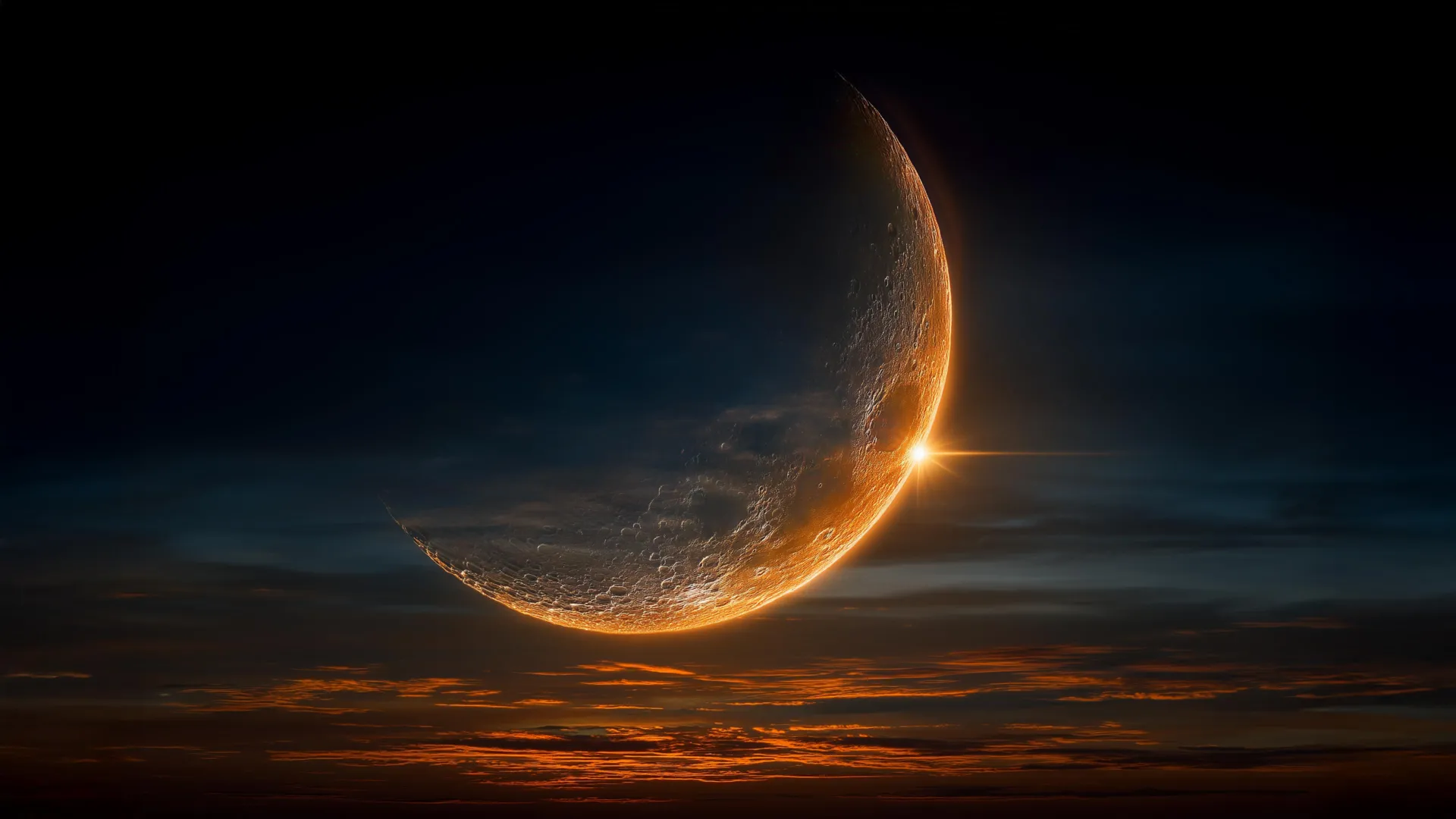
A Rare Celestial Disappearance
Stargazers are in for a rare treat this June as Venus, the brightest planet in our night sky, is set to perform a dramatic vanishing act. On June 17, observers in specific regions of North and South America will witness a lunar occultation, a phenomenon where the Moon passes directly in front of Venus. This event effectively hides the planet from view before it re-emerges on the opposite side of the lunar disk, providing a unique opportunity to witness the celestial mechanics of our solar system in real-time.
The Planetary Parade
The occultation is only one part of a busy month for astronomical events. The first half of June features a stunning planetary conjunction between Venus and Jupiter. By June 9, these two ‘evening stars’ will appear remarkably close in the western sky. While they remain millions of miles apart in reality, their alignment along the ecliptic path makes them appear as a brilliant pair from our terrestrial vantage point. Between June 11 and 15, the elusive Mercury will join the duo, creating a triple-planet lineup low on the horizon just after sunset.
Welcoming the Summer Solstice
June also marks a pivotal point in Earth’s orbit: the summer solstice. Occurring on June 21 at 1:24 a.m. PT, the solstice signals the official start of astronomical summer in the Northern Hemisphere. This day provides the maximum amount of daylight for the year. Interestingly, while it is the longest day, it does not always align with the earliest sunrise or latest sunset due to the tilt and elliptical orbit of the Earth, a quirk of orbital mechanics that varies by latitude.
Deep-Sky Treasures Emerge
As the month progresses and the ‘Summer Triangle’—comprised of the stars Vega, Altair, and Deneb—rises into view, deep-sky observers can turn their attention to more distant wonders. This region of the Milky Way is home to iconic targets like the Dumbbell Nebula and the Ring Nebula. The Dumbbell Nebula, or Messier 27, was the first planetary nebula ever discovered and represents the glowing remains of a dying star. Whether you are watching a planet vanish behind the Moon or peering into the depths of a nebula, June offers a wealth of reasons to look up.