NATIONAL STORIES
Clock Ticks Toward Midnight Tariffs as Canada-U.S. Trade Talks Reach Critical Stage
Canada-U.S. trade talks continue in Washington as a deadline looms for $28 billion in proposed American tariffs affecting wine, honey, and other key goods.

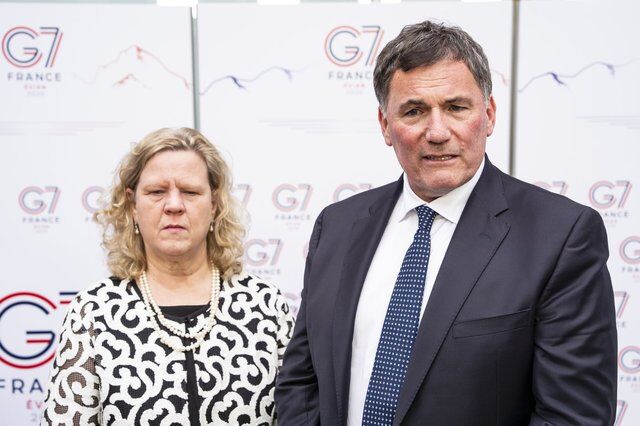
Uncertainty Ahead of Wednesday Tariff Deadline
High-stakes trade negotiations in Washington ended on Monday without a deal, leaving Canadian industries facing a midnight deadline on Wednesday before a new round of American levies takes effect. Canada-U.S. Trade Minister Dominic LeBlanc stated that “our job is not yet done” as he departed a nearly two-hour meeting at the U.S. Commerce Department alongside chief trade negotiator Janice Charette, U.S. Trade Representative Jamieson Greer, and Commerce Secretary Howard Lutnick.
$28 Billion at Stake Across Multiple Sectors
The potential tariffs stem from a July 20 executive order signed by U.S. President Donald Trump, which threatens 50 per cent levies on roughly $28 billion worth of Canadian products, including wine, honey, cement, and hockey sticks. The Canadian Beekeepers Federation warned on Monday that the measures could cause domestic prices to crash and push farms toward bankruptcy, noting that up to 60 per cent of Canadian honey exports are bound for the American market.
The upcoming U.S. tariffs were introduced in response to existing Canadian trade friction points, including provincial bans on American alcohol, the supply-managed dairy sector, and quotas on certain U.S. vehicles. In response, Dairy Farmers of Canada cautioned against making dairy concessions, while Ontario Premier Doug Ford indicated a willingness to trade alcohol concessions for relief on hard-hit sectors like steel, aluminum, and lumber.
Federal Strategy and Cross-Party Support
Prime Minister Mark Carney expressed plans to speak directly with President Trump before Wednesday, stating that the federal government possesses a plan to cover all eventualities if the levies proceed. Carney noted he would highlight a recent $50-billion clean energy partnership between Quebec and Newfoundland and Labrador during the call. Domestically, Conservative critic Shuvaloy Majumdar backed the national effort, describing the proposed tariffs as unjustified and illegal while calling for a strong result at the negotiating table.



NATIONAL STORIES
Search Continues After Ontario-Based Medical Flight Vanishes Near Massachusetts Coast
U.S. Coast Guard crews are searching near Nantucket for a missing Latitude Air Ambulance jet carrying four Canadians and two passengers from Bermuda.

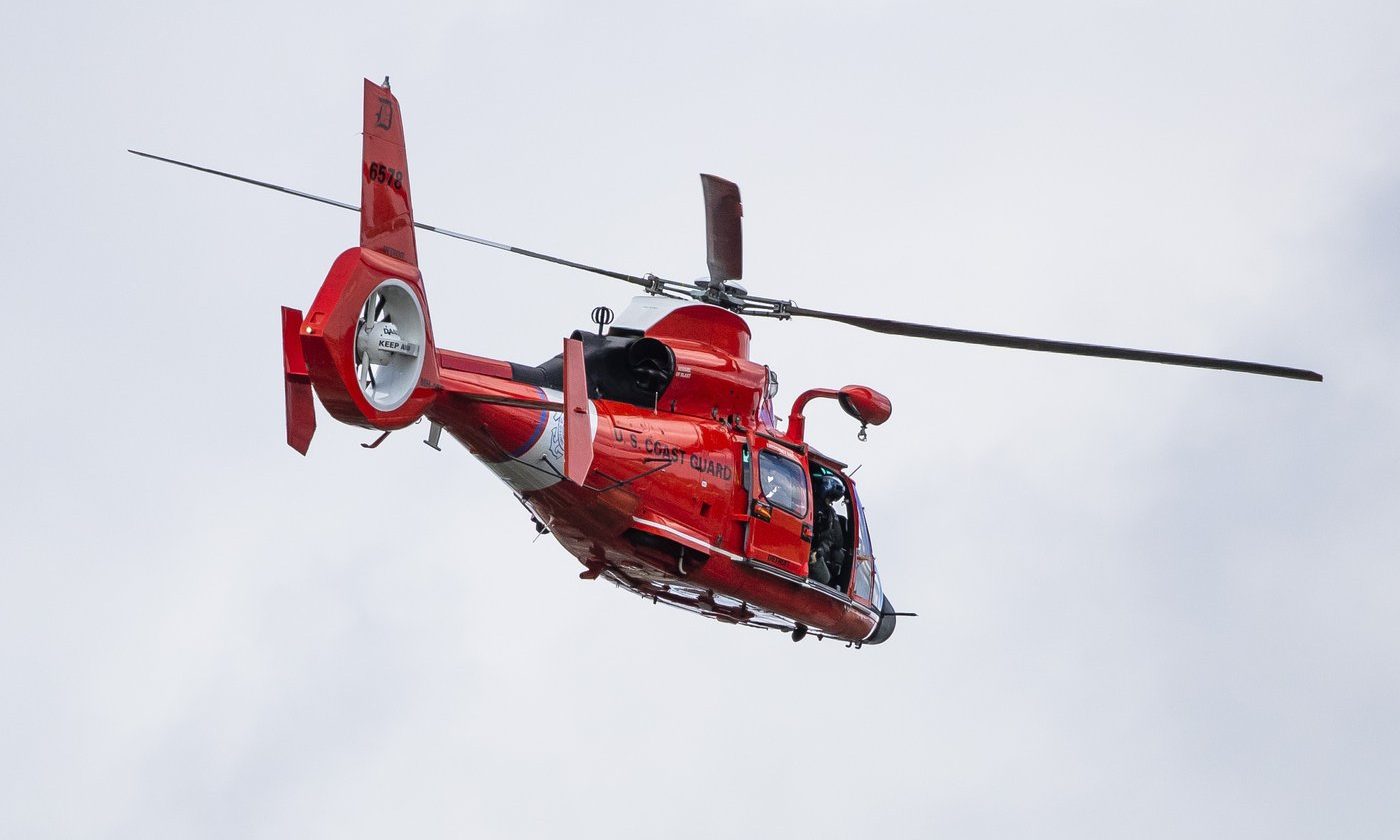
Emergency Search Underway Off Nantucket
Air and ground search teams are scanning waters approximately 150 kilometres southeast of Boston after a medical transport aircraft vanished early Saturday morning. Contact with the Gulfstream G100 jet was lost around 1:30 a.m. as it made its approach toward Boston from Bermuda, prompting a response from the U.S. Coast Guard following notification by the Federal Aviation Administration.
Flight Carrying Crew and Patients
The aircraft is operated by Hamilton-based Latitude Air Ambulance. According to Clarence Togeretz, operations manager for the company, six individuals were aboard the flight. The crew consists of two Canadian pilots and two Canadian medical staff members. They were transporting two Bermuda nationals, identified as a patient and a family member.
Response and Ongoing Inquiries
Togeretz confirmed that the company contacted American authorities after the plane failed to land on the tarmac as scheduled. He noted that this marks the first instance where the operator has lost contact with one of its aircraft, adding that the team is holding onto optimism while praying for a safe resolution. Latitude Air Ambulance has reached out to Transport Canada regarding the incident. Meanwhile, provincial air ambulance provider Ornge expressed support via social media, stating it hopes the aircraft and everyone on board are located safely and quickly.
NATIONAL STORIES
Why Conservative Leader Pierre Poilievre Questions Mark Carney’s New Pipeline Stance
Conservative Leader Pierre Poilievre criticizes Mark Carney’s pipeline proposal, calling him an illusion and questioning his shift on oil and gas.
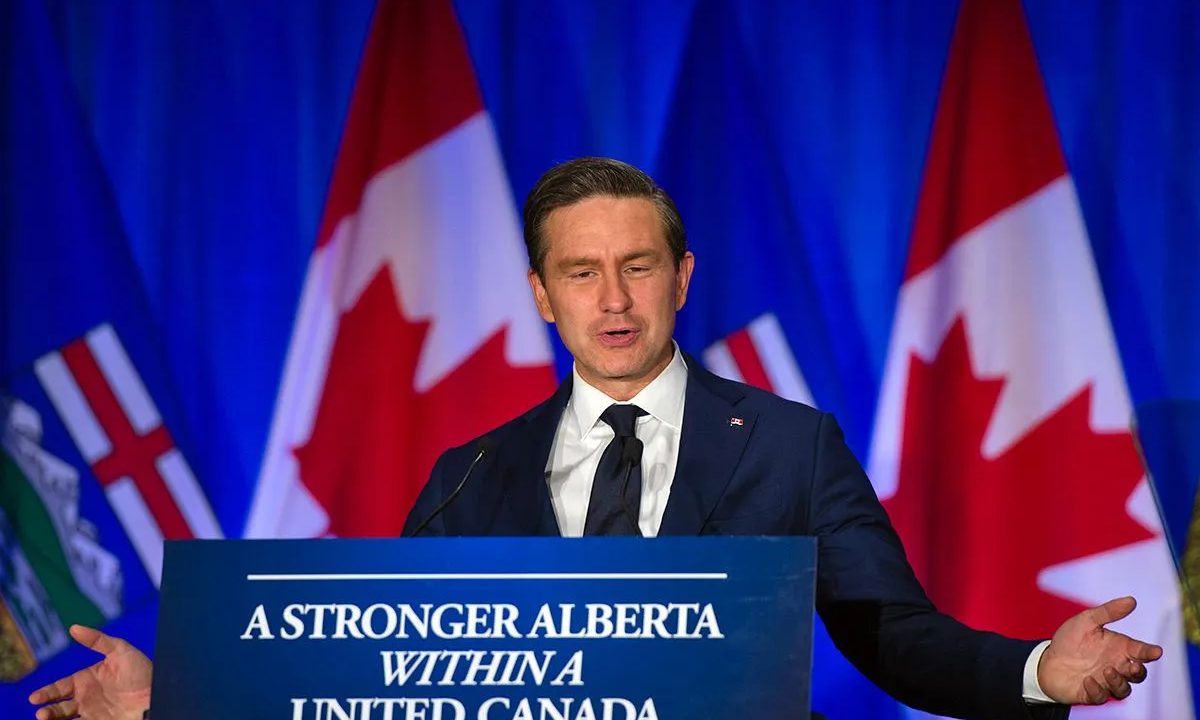
Poilievre Dismisses Carney’s Fast-Track Pipeline Proposal
Conservative Leader Pierre Poilievre has expressed strong skepticism regarding Mark Carney, describing him as an “illusion” ahead of an upcoming major announcement. Poilievre questioned Carney’s recent backing of a proposal to fast-track and construct a West Coast pipeline project.
Contrasting Past Record with Recent Statements
Poilievre highlighted Carney’s history over the past decade, pointing out that the former banker worked to defund oil and gas, established an alliance aimed at shutting down the sector, opposed a Pacific pipeline, and advocated for higher carbon taxes.
“I don’t know how you can go in three years from believing oil and gas is going to end the world to believing you support oil and gas,” Poilievre stated. “I guess miracles are possible. He claims to have changed his mind but he hasn’t really changed the results. There’s been a lot of talk.”
Comparisons to Foreign Project Delivery
In assessing the situation, the Conservative leader observed that large-scale infrastructure projects are completed rapidly in nations like Germany and the United States.
NATIONAL STORIES
Michael J. Fox Earns Canada’s Highest Civilian Distinction for Parkinson’s Work
Michael J. Fox was elevated to companion of the Order of Canada alongside 50 other honourees, including UBC engineering professor Yusuf Altintas.

National Honours Presented at Rideau Hall
During an investiture ceremony on Friday morning at Rideau Hall, Gov. Gen. Louise Arbour formally elevated celebrated actor and advocate Michael J. Fox to the companion level of the Order of Canada, drawing a standing ovation from attendees. Rideau Hall cited his unflinching honesty and powerful global advocacy concerning Parkinson’s disease for the elevation. Fox, who publicly disclosed his diagnosis in 1998, has helped generate $2.5 billion for research into the progressive nervous system disorder, which causes tremors, slowness, stiffness, memory difficulties, and depression.
Distinguished Inductees Recognized Across Fields
A total of 51 individuals joined or advanced within the Order of Canada during the Friday event. Arbour praised the group in French for directing their skills, influence, and effort toward the public good rather than personal gain alone, noting that Fox serves as a shining example of using courage, imagination, and determination to foster lasting progress.
The newly honoured members and officers include noteworthy figures across various disciplines. University of British Columbia mechanical engineering professor Yusuf Altintas was inducted as an officer alongside McGill University professor Nada Jabado, who was recognized for her contributions to pediatric neuro-oncology. Former Bank of Canada governor Stephen Poloz became an officer for his efforts supporting international trade and economic stability. Sculptor Ruth Elsie Abernethy entered as a member for her worldwide bronze statues exploring heritage, gender, and nation-building, while Pulitzer Prize-winning investigative journalist Susanne Craig was named a member for her impactful reporting across major American and Canadian news outlets.

What the City of Vernon’s Decision to Cut Ties Means for Historic O’Keefe Ranch

Police Request Public Help After Fatal Highway 93 Crash Kills Local Resident

Why an Attempted Cannabis Smuggling Trip to London Led to Jail Time for an Ontario Man

Why Okanagan Pet Owners Turned to Free BC SPCA Clinics After Wildfire Season
Your Current 3 Day Forecast — October 6, 2026

BC Lions Hold Off Toronto Argonauts Behind Sean Whyte’s Record Eight Field Goals

Opinion: John Rustad Has to Go

B.C. Supreme Court Grants Cowichan Tribes Title to Historic Richmond Lands and Fishing Rights

Vancouver Canucks Gear Up for a Make-or-Break 2025–26 Season

Kamloops Blazers Announce Off-Season Changes Ahead of 2025–26 Season

BC Ferries Sparks Outcry Over Contract with Chinese Shipyard

A Taste of Autumn: Fall Okanagan Wine Festival 2025
-

 OPINIONS6 days ago
B.C.’s 93-Riding Scramble: Can the Parties Even Find Enough Candidates?
-

 BC STORIES4 days ago
Why OneBC’s Interim Leader Is Proposing an Election Pact With Conservatives
-

 BC STORIES6 days ago
BC Greens Pledge Free Childcare by 2031 and Introduce Victoria-Swan Lake Candidate
-

 NATIONAL STORIES6 days ago
Will they use Chinese Steel over Canadian like Phase One?
-
SPORTS4 days ago
Maple Leafs vs Islanders Result: Easton Cowan Scores in 2-1 Win
-

 NATIONAL STORIES4 days ago
Why NDP Leader Avi Lewis Says the West Coast Pipeline Plan Risks Public Funds
-
SPORTS5 days ago
Why the Edmonton Oilers Will Be Without Ryan Nugent-Hopkins Against Vancouver
-
NATIONAL STORIES5 days ago
Why a Canadian Nationalist Group’s Hidden Recruitment Practices Are Drawing Scrutiny