POLITICS
Lunar Pioneers Arrive in Ottawa: Artemis II Crew Briefs Prime Minister Carney
Artemis II astronauts, including Jeremy Hansen, visit Ottawa for a high-profile meeting with PM Mark Carney and public events following their lunar mission.


A Historic Return to the Capital
Following their record-breaking journey to the far side of the moon just last month, the crew of the Artemis II mission has arrived in Ottawa for a high-profile day of celebration and reflection. Canadian astronaut Jeremy Hansen, alongside mission commander Reid Wiseman and crewmates Victor Glover and Christina Koch, are set to share their experiences of traveling farther from Earth than any human beings in history. The visit marks a significant moment for the Canadian Space Agency as it celebrates the successful completion of the 10-day lunar flyby.
Strategic Meetings at the Highest Level
The day’s itinerary begins with a scheduled meeting with Prime Minister Mark Carney. This discussion is expected to focus on the mission’s technical milestones and the implications for Canada’s growing role in the international space community. Hansen, the first Canadian to venture toward the moon, has become a symbol of national achievement, representing decades of strategic investment in Canadian aerospace technology and diplomatic partnerships with NASA. The meeting underscores the government’s commitment to the Artemis Accords and future deep-space exploration.
Inspiring the Next Generation of Explorers
After their consultation with the Prime Minister, the astronauts will pivot to educational outreach at the Canadian Museum of Nature. There, they will interact with local students, offering a rare opportunity for youth to engage directly with the pioneers of the modern lunar age. This initiative is part of a broader effort by the CSA to foster interest in Science, Technology, Engineering, and Mathematics (STEM) careers, ensuring that the momentum from the Artemis program translates into long-term educational benefits for Canadian students.
Public Engagement and the Road Ahead
The visit will conclude with a sold-out public forum at the National Arts Centre. The crew will be joined by Canadian Space Agency astronaut Jenni Gibbons, who provided critical support from NASA’s Mission Control Center in Houston during the mission. Together, they will discuss the scientific data gathered during the flight and how these insights will shape the upcoming Artemis III mission, which aims to land humans on the lunar surface. By sharing their “space lore” and the challenges of deep-space travel, the crew aims to solidify public support for the next era of human spaceflight.

Canadian Government
Danielle Smith Faces Blowback from All Sides Over Convoluted Alberta Secession Referendum
Alberta Premier Danielle Smith faces criticism from NDP and separatists over a new secession referendum question. Indigenous leaders and federalists push back.

A Risky Gambit for Alberta’s Political Future
Alberta Premier Danielle Smith has ignited a firestorm of controversy after announcing a provincial referendum containing a complex question regarding the province’s potential secession from Canada. The move, intended for an October 19 vote, has managed to alienate both staunch federalists and die-hard independence activists, creating a rare moment of unity among her political detractors. The ballot question asks whether Alberta should remain a province or if the government should commence the legal processes required for a binding referendum on separation—a wording many critics have labeled as a muddy attempt to avoid a definitive ‘yes’ or ‘no’ vote.
Anger Across the Political Spectrum
On the left, Alberta NDP Leader Naheed Nenshi slammed the Premier’s decision as a threat to national unity, accusing her of prioritizing her own political survival over the stability of the country. Nenshi pledged a vigorous campaign to defeat the initiative. Conversely, the right flank of Smith’s own base feels betrayed. Mitch Sylvestre, a prominent leader in the separatist movement, described himself as ‘duped’ by the convoluted wording, which stops short of the immediate independence he and his supporters have been lobbying for. In response, some separatist factions are now plotting a leadership review to oust Smith from the United Conservative Party (UCP) helm.
Legal Battles and First Nations Rights
The referendum plan also faces significant legal and social hurdles from Indigenous communities. The Sturgeon Lake Cree Nation and Mikisew Cree First Nation have already successfully challenged previous separatist petitions in court. They argue that the provincial government failed to consult them on a matter that directly impacts treaty rights. Despite a recent judicial ruling that the government must consult First Nations before approving such questions, Smith has labeled the court’s decision ‘erroneous’ and intends to appeal, setting the stage for a protracted legal battle that could further destabilize provincial relations.
The High Stakes of Asymmetric Federalism
As national unity faces pressure from Quebec’s sovereignty movement and trade tensions with the United States, Alberta’s internal friction adds a volatile layer to the Canadian political landscape. Critics, including federal Liberal MP Corey Hogan, argue that Smith is manufacturing a national crisis to solve internal party grievances. With the October vote approaching, Albertans are bracing for a period of intense, raucous politicking that may redefine the province’s role within Confederation for generations to come.
General
Alberta Cabinet Shaken: Key Ministers Resign as Referendum Tensions Boil Over
Alberta cabinet in flux as Finance Minister Nate Horner and Health Minister Matt Jones resign ahead of a major referendum address by Premier Danielle Smith.
A Pre-Summer Political Firestorm
The Alberta political landscape shifted dramatically on Wednesday as a series of events transformed a routine legislative day into a pre-summer firestorm. The sudden resignation of two senior cabinet members, combined with a chaotic confrontation in a legislature committee and an upcoming televised address by Premier Danielle Smith, has signaled a significant turning point for the UCP government.
Departure of the Heavyweights
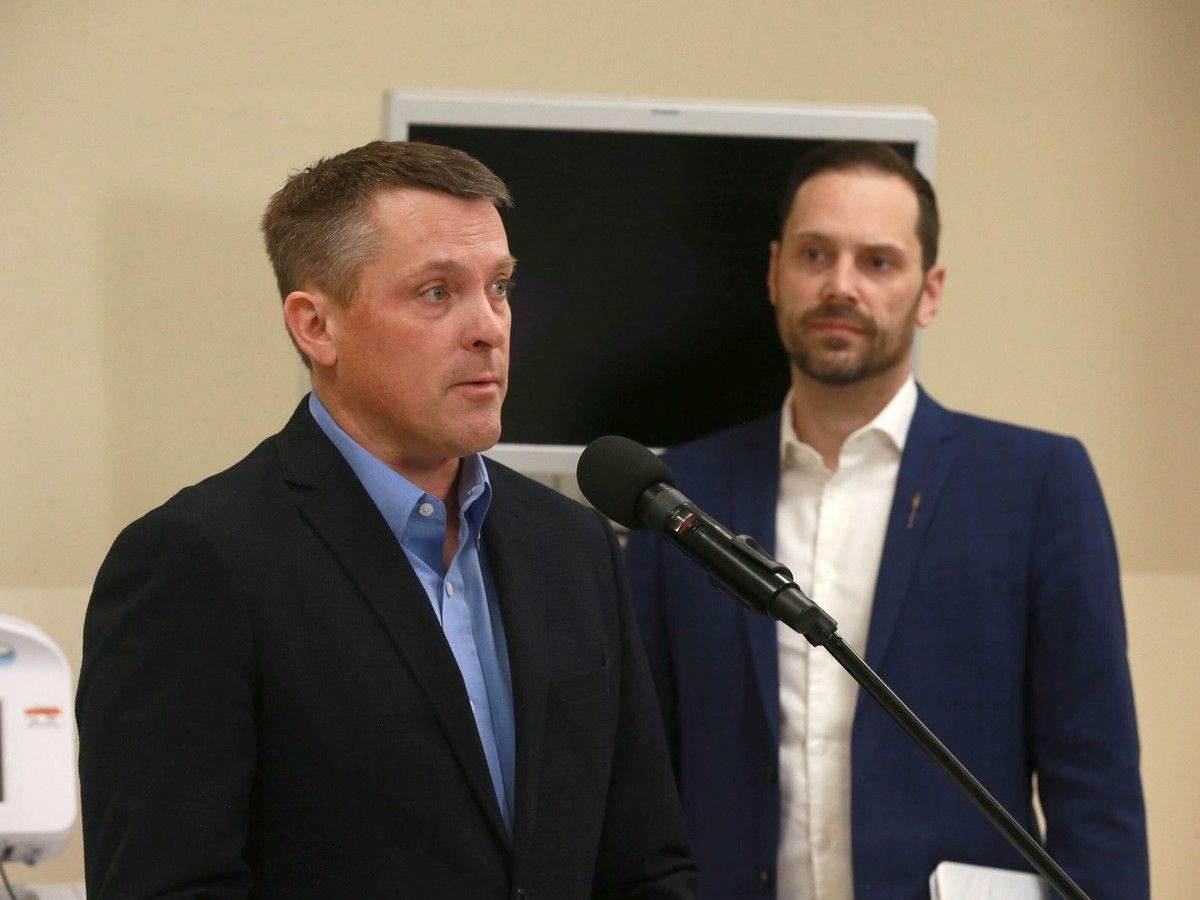
The most impactful news came with the resignations of Finance Minister Nate Horner and Minister of Hospital and Surgical Health Services Matt Jones. Horner, who served as the President of the Treasury Board, announced his departure from the post because he does not intend to run in the 2027 provincial election. He emphasized that the transition should happen now so his successor can craft the crucial election-year budget. While some speculate that this timing hints at an early election call, Horner maintains that the move was planned months in advance to ensure an orderly transition of the province’s finances.
Similarly, Matt Jones is stepping down from his difficult role overseeing surgical health services. Known for his direct approach and dedication to solving the ongoing crisis in emergency wards, Jones also confirmed he will not seek re-election. The loss of Horner and Jones is a substantial blow to the Smith administration, as both were considered stable, high-performing ministers who avoided the fray of partisan distractions.
Referendum Conflict and Legislative Eruption
The political drama extended into the legislature committee tasked with reviewing Thomas Lukaszuk’s pro-Canada question for an upcoming referendum on independence. What was expected to be a procedural referral turned into a bitter shouting match between NDP and UCP members. The committee’s failure to find common ground highlights the deep ideological divides currently gripping the province.
Premier Smith to Address the Province
In the wake of the cabinet shakeup and committee turmoil, Premier Danielle Smith is scheduled to address the province on Thursday. The Premier is expected to discuss the specifics of the independence question set for the October 19 referendum and announce her new cabinet appointments. With the UCP currently enjoying strong polling numbers, all eyes are on whether these moves are merely administrative housekeeping or the precursor to a strategic early election call.
Economy
Nation-Building or Overreach? Carney Defends Pipeline Vision Amid B.C. Backlash
PM Mark Carney defends his pipeline and nation-building agenda in B.C. despite criticism from Premier David Eby over the Alberta implementation agreement.
The Quest for Momentum
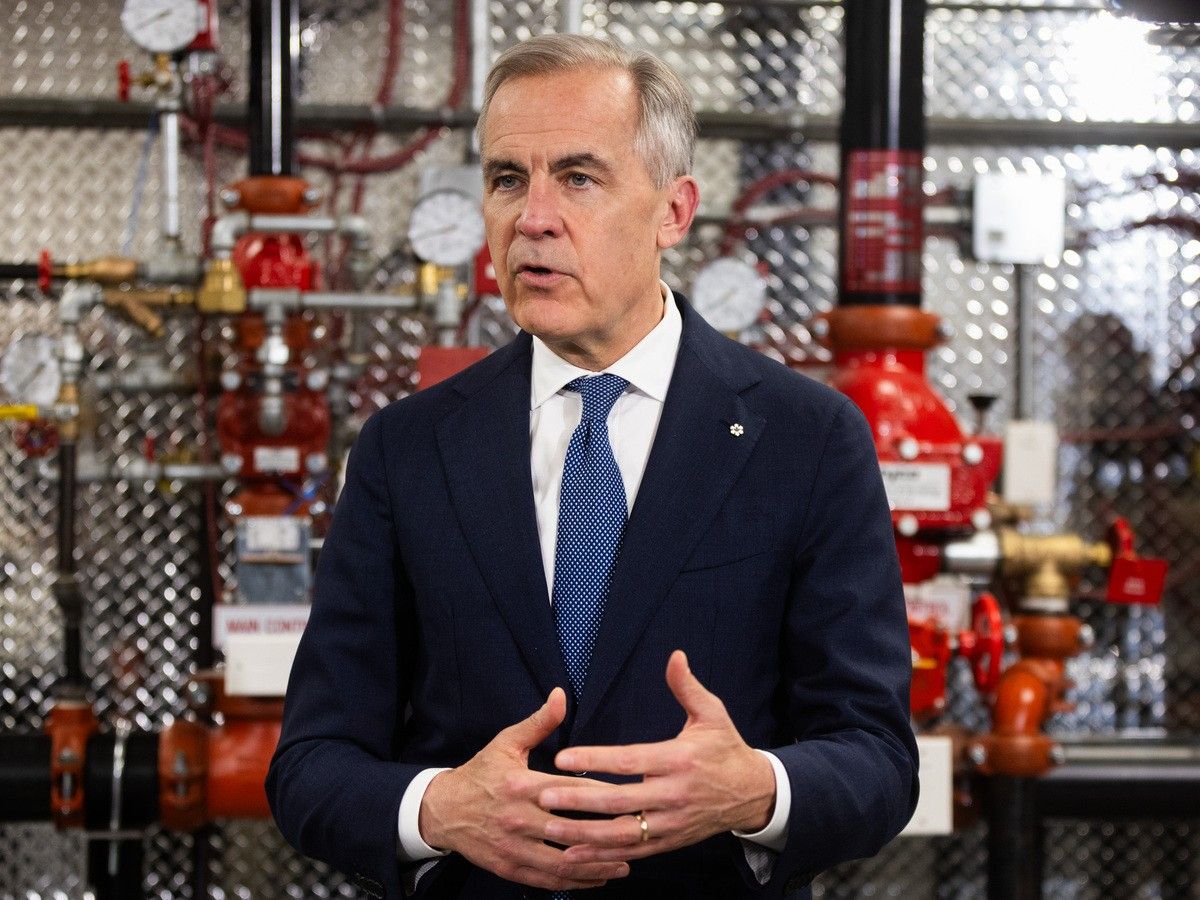
Prime Minister Mark Carney is doubling down on his ambitious nation-building agenda, urging provincial leaders to pivot away from opposition and toward collaborative progress. Speaking before the Greater Vancouver Board of Trade on Wednesday, Carney addressed the growing friction between the federal government and British Columbia, emphasizing a desire to move beyond political roadblocks. ‘What we’re trying to accomplish… is we don’t want to hear what people are against, we want to hear what they’re for,’ Carney told the business audience.
The Alberta Agreement and B.C. Opposition
The tension centers on a recently signed ‘implementation agreement’ between Carney and Alberta Premier Danielle Smith. The deal outlines federal support for a pipeline capable of transporting one million barrels of oil per day to the B.C. coast. While the agreement includes environmental caveats—such as Alberta raising its industrial carbon tax to $140 a tonne by 2040 and committing to carbon capture projects—it has drawn sharp criticism from B.C. Premier David Eby.
Eby has condemned the deal, citing a lack of meaningful consultation with his province. He further suggested that Alberta is receiving ‘special treatment’ as a federal tactic to quell rising separatist sentiment in the Prairies. Despite these concerns, Carney maintains that any project will respect Section 35 constitutional duties to consult and must provide substantial economic benefits to British Columbia.
A Strategic Pivot to Energy and Industry
Defending his economic strategy, Carney highlighted that B.C. remains a central pillar of the federal plan, noting that one-third of the 22 major ‘nation-building’ projects currently under review are located within the province. These include developments in critical minerals, artificial intelligence, and liquefied natural gas (LNG). ‘When we master energy, we master our destiny,’ Carney remarked, signaling that the federal government is prepared to fast-track regulatory approvals by 2027 to ensure Canada remains competitive.
Navigating Provincial Sovereignty
The burgeoning conflict underscores the perennial challenge of Canadian federalism: balancing national economic interests with provincial autonomy. While Carney acknowledged the importance of early conversations with Coastal First Nations and Premier Eby, his tone remained firm. As the federal government pushes for a unified energy corridor, the success of his agenda will depend on whether he can translate ‘momentum’ into genuine interprovincial cooperation.
Road Warrior Canadiens Stun Hurricanes in Dominant Eastern Conference Opener
Ebola Crisis Escalates in Congo as WHO Raises Risk Assessment to ‘Very High’
Danielle Smith Faces Blowback from All Sides Over Convoluted Alberta Secession Referendum
Arctic ‘Rust’ Crisis: Thawing Permafrost Turns Pristine Canadian Rivers into Toxic Orange Acid
Montreal Hits Record High for Lyme Disease as Island Becomes Official Risk Zone
NASCAR Legend Kyle Busch Dies at 41, Leaving ‘Rowdy Nation’ in Mourning

Opinion: John Rustad Has to Go

B.C. Supreme Court Grants Cowichan Tribes Title to Historic Richmond Lands and Fishing Rights

Vancouver Canucks Gear Up for a Make-or-Break 2025–26 Season

Kamloops Blazers Announce Off-Season Changes Ahead of 2025–26 Season

BC Ferries Sparks Outcry Over Contract with Chinese Shipyard

A Taste of Autumn: Fall Okanagan Wine Festival 2025
-
business3 days ago
Canada Challenges China’s Dominance as Mark Carney Breaks Ground on Massive Matawinie Graphite Mine
-
Artificial Intelligence3 days ago
Google Unveils ‘Agentic’ Era: Major AI Search Redesign and New Gemini Omni Model
-
Hockey4 days ago
Rust vs. Rest: Eddie Olczyk Analyzes the Eastern Conference Final Clashes
-
Artificial Intelligence4 days ago
Google Enters the ‘Agentic Era’ with Gemini Spark and Next-Gen AI Hardware
-
Crime4 days ago
Major Breakthrough in B.C. Extortion Crackdown: 22-Year-Old Faces 13 Charges Following Crime Spree
-
business3 days ago
Unlocking Toronto’s Potential: Why Billy Bishop Airport Expansion is a Vital Economic Catalyst
-
Canada4 days ago
Tory Shake-up: Poilievre Navigates Leadership Crisis as Chief of Staff Exits
-
General3 days ago
Alberta Cabinet Shaken: Key Ministers Resign as Referendum Tensions Boil Over