Doerkson to British Columbia: The Waiting Is Over
Lorne Doerkson’s promise to make British Columbia a place where investment and opportunity can grow is compelling. The test will be whether his government can turn the speech into visible results.
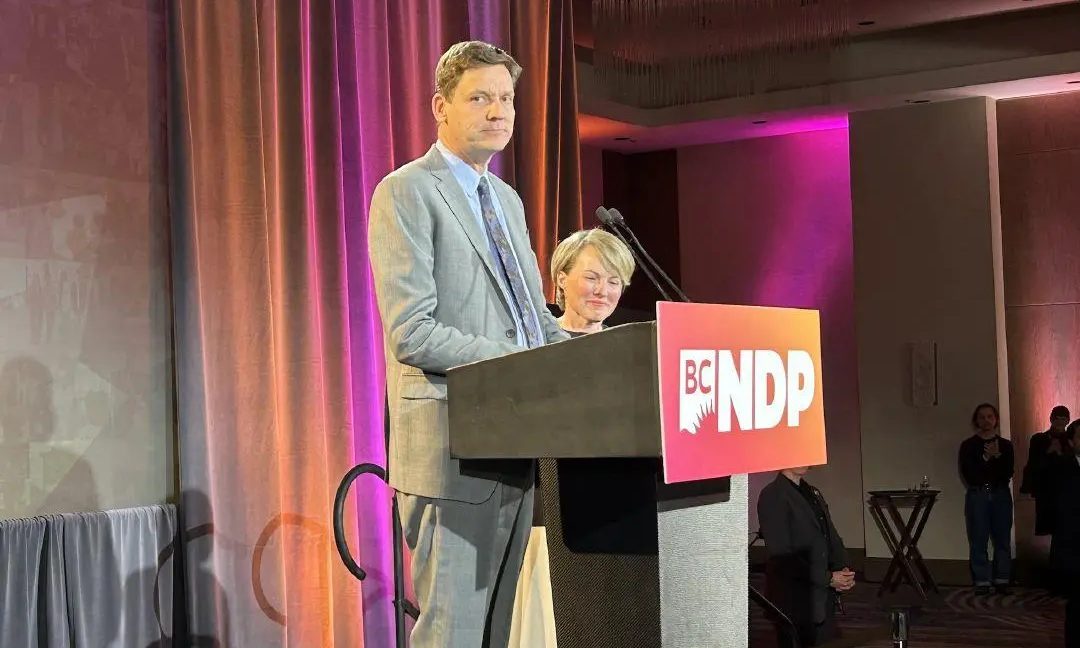
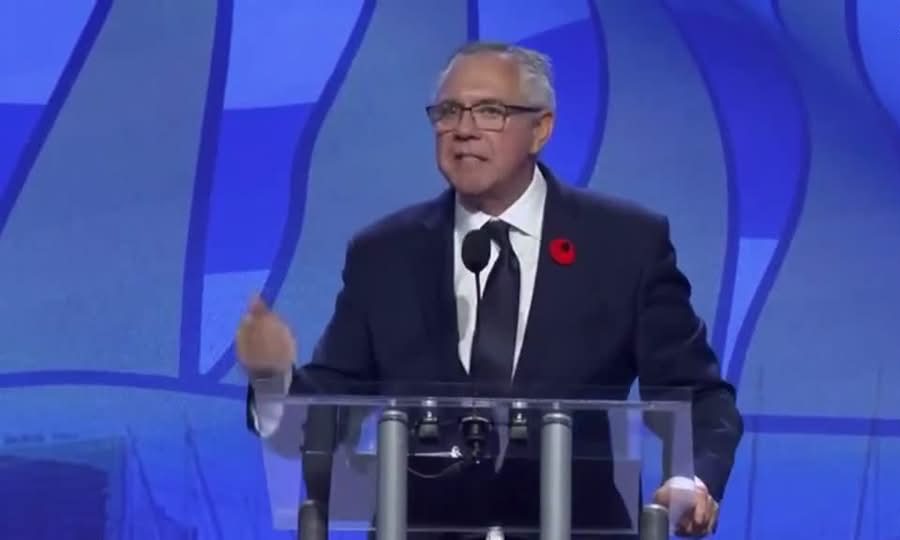
Lorne Doerkson says British Columbia must replace uncertainty with action. His first message as premier-elect sets an ambitious direction on investment, energy, health care and affordability. Now the work is to make those promises real.
British Columbia has heard plenty of promises about its potential. What it has not always seen is the follow-through that turns potential into projects, jobs and opportunity.
That is why Lorne Doerkson’s first speech as premier-elect landed on a simple, memorable point: “You can plan around a no, but you can’t plan around a maybe.”
It is a sharp description of what can happen when businesses, workers and communities cannot tell whether a project will move forward, what it will cost or how long approval will take. Uncertainty does not sit still. Investment can go elsewhere. Young people can build their lives somewhere else. Communities can wait years for decisions that shape their future.
Doerkson’s answer is to say yes to investment and to cut red tape “like it’s never been cut before.” He promised a business summit in Vancouver next year and set out clear ambitions for natural gas production: doubling it by 2032 and tripling it by 2035. He argued that growth could mean tens of thousands of jobs and at least $6 billion a year for hospitals and schools.
Those are big commitments. They give British Columbians something concrete to measure. They also create a responsibility for the incoming government: explain how the province will reach those targets, what infrastructure and approvals will be required, and how communities will see the benefits.
The same test applies to the rest of the speech. Doerkson spoke about more fibre moving by truck, permits issued in months rather than years, support for mineral exploration, ports and rail that can get products to market, and reliable power for new industrial projects. Each promise speaks to a practical problem. Together, they describe a province that wants to build again.
But a change in tone will matter only if people can see a change in the process. If permits still take years, if grid connections remain out of reach or if communities cannot get clear answers, the language of “yes” will become another political slogan.
Doerkson also tied growth to the daily concerns of families. He promised a $1,000 tax cut as a start and no new taxes. He spoke of a publicly funded health-care system, rural emergency rooms and maternity wards that are open, family doctors for people who need them, and safer hospitals for staff.
These are not side issues to an economic plan. A province cannot persuade families to stay if they cannot find a doctor, rely on local emergency care or see a path to owning a home. The promise that a hard day’s work should lead to a family home and a future in British Columbia will be judged against the cost of living and the services people depend on.
On public safety, Doerkson said criminals should remain behind bars while people who need treatment should receive it. On property rights and parks, he offered assurances to landowners and the public. These commitments will require careful decisions in government. Protecting property, expanding access and responding to public safety concerns can involve competing interests. Voters will expect clear rules and consistent results.
The most personal part of the speech was its appeal to people considering leaving. To business owners, Doerkson urged them to stay and grow here. To young people, he said this is their home and their best days should happen close to family and friends, in a place they can afford.
That appeal is understandable. It also raises the standard for the government. People do not stay because a premier asks them to. They stay when opportunity is real, housing is within reach, public services work and their effort has a future here.
A province cannot eliminate every delay, disagreement or difficult trade-off. But it can make decisions on time, state its rules plainly and give people confidence that the answer will not remain “maybe” forever.
Doerkson has set an ambitious direction: a British Columbia where investment comes first, projects move, public services are strong and young people can build their lives at home. The speech made the case. Now the government must show, one decision at a time, that the waiting really is over.
—Chad Dashly