BC STORIES
RCMP watchdog without senior leadership for months, stalling investigations


RCMP Watchdog Lacks Leadership for Months, Hindering Investigations
The absence of a chairperson has stalled crucial investigations into RCMP conduct, raising concerns about transparency.
The oversight body responsible for investigating the conduct of the Royal Canadian Mounted Police (RCMP) has been without a chairperson for several months, leading to significant delays in ongoing investigations. This leadership vacuum is raising concerns about the effectiveness and transparency of the watchdog’s role in monitoring police activities across Canada.
Key Issues
- The RCMP watchdog has been without a chairperson for several months.
- This leadership gap is delaying investigations into police conduct.
- The situation has implications for transparency regarding police interactions with Canadians.
The lack of a senior leader has stalled crucial inquiries into various incidents involving the RCMP, which is the national police force. Stakeholders are expressing frustration over the implications this has for public trust and accountability in policing.
Without a chairperson, the watchdog’s ability to function effectively is compromised, leaving many investigations in limbo. This situation highlights the challenges faced by oversight bodies in maintaining their mandate when leadership positions remain unfilled.
Calls for immediate action to appoint a new chairperson are growing, as the need for oversight and accountability in policing becomes increasingly urgent. The ongoing absence of leadership not only affects current investigations but also undermines the public’s confidence in the RCMP’s commitment to transparency.


BC STORIES
Road Closure in Prince George Following Fatal Emergency Plane Landing
One person is dead and Foothills Boulevard in Prince George is closed after a plane made an emergency landing and collided with vehicles Thursday afternoon.


Fatal Emergency Landing Causes Collision
One person has died after a twin-engine plane executed an emergency landing on Foothills Boulevard in Prince George on Thursday afternoon. The incident occurred shortly before 2:30 p.m. roughly 1.5 kilometres north of North Nechako Road, near Highland Drive.
During the landing amidst busy afternoon traffic, the aircraft struck two vehicles. Other motorists attempted to dodge the incoming plane, with one vehicle ending up forced into a ditch. Debris from the crash, including the front fan of a turbofan engine, was scattered across the road, and part of a wing penetrated the windshield of a truck.
Investigation and Road Closures
Foothills Boulevard has been shut down in both directions between Highland Drive and North Nechako Road. Prince George RCMP Cpl. Jennifer Cooper stated that the thoroughfare will remain closed overnight and into Friday, prompting authorities to request that motorists utilize alternate routes.
The RCMP emphasized that members of the public must stay away from the site. Cpl. Cooper noted that curious onlookers have been creating a drain on valuable police resources, forcing officers to guard access points rather than assisting with the active investigation or responding to regular calls for service.
The Transportation Safety Board has taken over the investigation into the cause of the incident. RCMP noted that potential injuries to occupants of the struck vehicles or individuals on the aircraft remain unknown at this time.
Aircraft Details and Local Impact
The aircraft involved appears to be a 1980s Beechcraft King Air 200 registered under Sekani Air Ltd. A video shared on social media, recorded inside the aircraft prior to the crash, indicated that about eight individuals were onboard.
Nearby residents reported hearing the plane overhead immediately before the crash. Emergency responders, including Prince George Fire Rescue, arrived on scene shortly after 2:30 p.m. to manage the response.
BC STORIES
Shift toward populist direction fuels tension and departures in B.C. Conservative Party
B.C. Conservative president Aisha Estey resigns amid caucus friction, executive turnover, and debate over bringing Independent MLAs back into the fold.

Political shifts and executive resignations
The B.C. Conservative Party is undergoing significant structural changes under leader Kerry-Lynne Findlay. According to political analyst Stewart Prest, a political science lecturer at the University of British Columbia, Findlay is steering the party away from the big-tent approach seen under former leader John Rustad toward a sharper, more populist brand of politics.
As this strategy unfolds, the party’s leadership structure is experiencing a major overhaul. Tofino-Ucluelet Westerly News reported that B.C. Conservative party president Aisha Estey resigned on Wednesday after five years at the helm. Following her exit to pursue new opportunities, former federal candidate Mauro Francis assumed the role of party president. Vice-president Sharon White also stepped down, with board member Pavneet Singh stepping into the position. These exits follow the late-July departure of executive director Angelo Isidorou, who was replaced by Elaine Allen, a former federal candidate with close ties to Findlay.
Friction over Independent MLAs
Internal debates regarding whether to readmit former members to the party caucus remain a major point of contention. Speculation grew following an August 7 dinner meeting between Findlay and Vancouver-Quilchena MLA Dallas Brodie at Vancouver’s Arbutus Club. Brodie stated she has not been formally invited back to caucus, though she emphasized both agreed on avoiding a right-wing vote split in the province. Brodie clarified she will not resign her seat to create a by-election opportunity for Findlay, who currently lacks a seat in the legislature.
The possibility of reuniting with former members has raised concerns within the existing caucus. Multiple sources from summer meetings indicated that Findlay initially reassured MLAs in early July that Independent members would not be brought back, but she took a less definitive stance during a meeting on August 15. Other Independent MLAs under discussion include Tara Armstrong and Jordan Kealy. However, Kealy’s recent sexual assault charge appears to block his return, while Armstrong’s status remains unresolved. House Leader Sheldon Clare confirmed there is no formal plan to readmit Independents at this time, noting that final decisions rest with Findlay.
caucus departures and online disputes
The internal strain became public last week when Kamloops Centre MLA Peter Milobar quit the party caucus to sit as an Independent. Meanwhile, opposing camps within the party have engaged in online conflict using anonymous social media accounts like The Findlay Files and BC War Room, sharing insider claims about party leadership and staff.
With house business scheduled to resume in early October, analysts expect these unresolved internal debates and the party’s sharper political focus to set the stage for intense debates in the legislature against the governing NDP.
BC STORIES
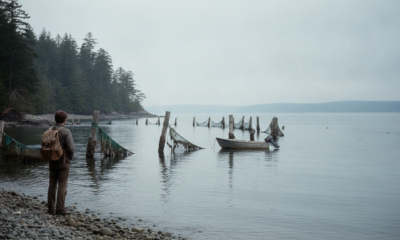
A 1970 Orca Escape Led to 13 Wild Calves — Now an Author Is Searching for the Person Who Freed Them
Author Grant Lawrence searches for the mystery scientist who freed two captive orcas from Pedder Bay in 1970, sparking a wild population revival.
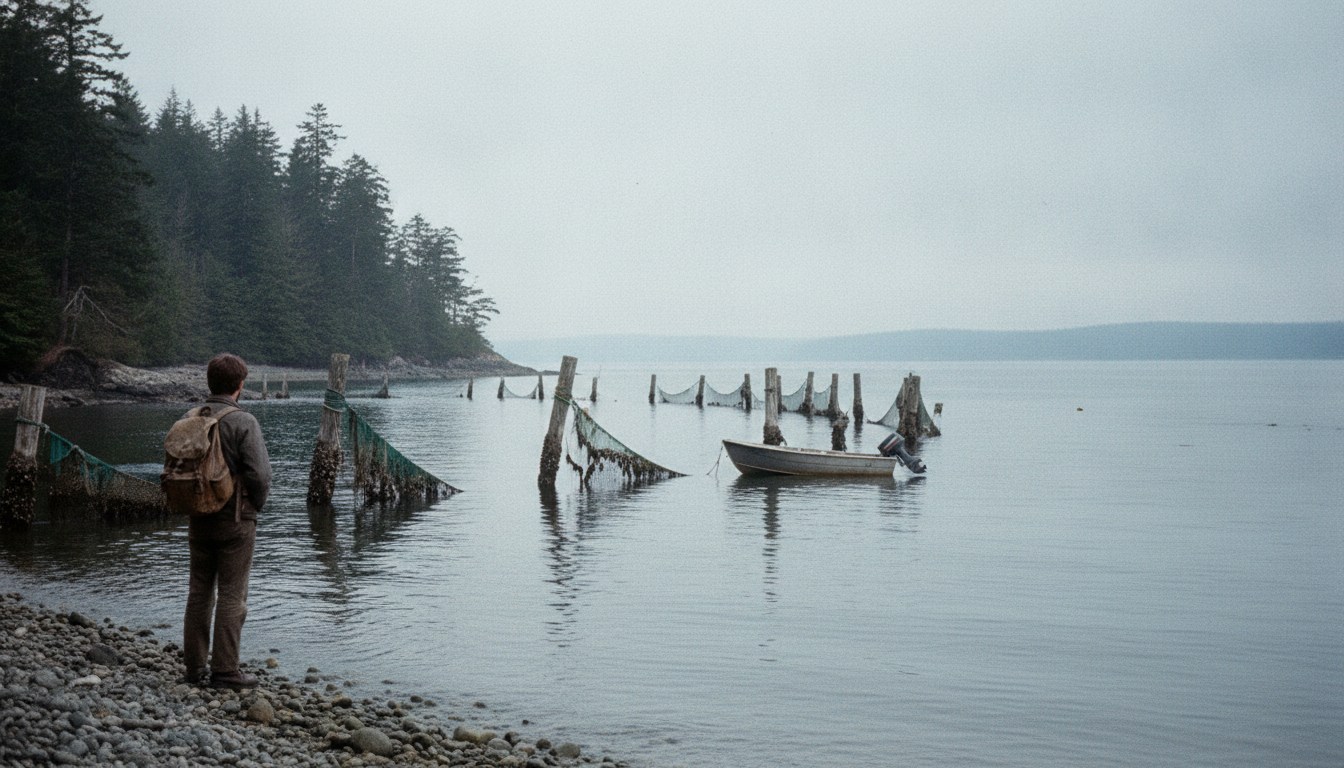
An Enduring Mystery from Pedder Bay
Thirteen wild killer whales roaming the coast today owe their existence to an act of secret sabotage carried out in 1970. Now, author Grant Lawrence is attempting to solve the mystery of who cut the net pens in Metchosin’s Pedder Bay to free two captive orcas more than five decades ago.
The story began when five killer whales, later designated as the Pedder Bay Five, were captured by Sealand of the Pacific owner Bob Wright. While two whales were sent to the Oak Bay oceanarium and one died of starvation, a male named Charlie and his mother Flo were held in a net pen awaiting shipment to an aquarium in Texas. After nearly eight months, someone secretly freed the pair, allowing them to swim back into the wild.
Following Clues to a Mystery Liberator
Lawrence, who is writing an upcoming book titled Whale Tale, was given a set of clues by an anonymous interviewee who claims to know the identity of the person responsible. The source revealed that the liberator was a highly respected scientist who passed away prematurely, leaving behind a wife and daughter. The scientist, who reportedly lacked a big ego and believed freeing the animals was simply the right thing to do, is also suspected of liberating another captive whale in Pender Harbour in 1968.
Although marine biologist Michael Bigg was initially considered as a potential suspect because of his balanced stance during the capture era, that lead proved to be a dead end. Lawrence’s source has promised to confirm the name if the author can successfully deduce it.
A Lasting Impact on B.C. Orcas
The secret liberation had a profound ecological effect. Flo went on to give birth to a daughter named Tasu, who became the matriarch of the T002C pod. Lawrence notes that at least 13 wild calves have been born as a direct result of the escape.
The descendants of those freed whales now form part of a thriving population of 400 to 500 transient Bigg’s killer whales along the coast. Lawrence, who frequently spots the T002C pod near his family cabin in Desolation Sound, hopes to identify the unsung liberator before completing his book. Anyone with relevant information is encouraged to contact Lawrence at grantlawrence12@gmail.com.
Road Closure in Prince George Following Fatal Emergency Plane Landing
Shift toward populist direction fuels tension and departures in B.C. Conservative Party

Carney’s Exit From U.S. Trade Talks Leaves Canadian Exporters Facing 50% Duties

A 1970 Orca Escape Led to 13 Wild Calves — Now an Author Is Searching for the Person Who Freed Them

Why Okanagan Residents Are Being Urged to Rethink Water Use and Waste as Droughts Worsen

Why Are we Being Urged to Rethink Water Use and Waste as Droughts Worsen

Opinion: John Rustad Has to Go

B.C. Supreme Court Grants Cowichan Tribes Title to Historic Richmond Lands and Fishing Rights

Vancouver Canucks Gear Up for a Make-or-Break 2025–26 Season

Kamloops Blazers Announce Off-Season Changes Ahead of 2025–26 Season

BC Ferries Sparks Outcry Over Contract with Chinese Shipyard

A Taste of Autumn: Fall Okanagan Wine Festival 2025
-

 OPINIONS7 days ago
Canada’s Conservative Influencers Are Fighting for the Future of the Movement
-
 LOCAL7 days ago
Residents told to prepare for return home as fire crews make progress on Quilpituk Creek blaze
-
 BC STORIES7 days ago
What Residents and Boaters Need to Know as Crews Target Bradley Creek Wildfire Hot Spots
-
WORLD7 days ago
Unused Launchers Expose Ukraine’s Severe Patriot Missile Shortage
-
 BC STORIES6 days ago
A 1970 Orca Escape Led to 13 Wild Calves — Now an Author Is Searching for the Person Who Freed Them
-
NATIONAL STORIES7 days ago
Clock Ticks Toward Midnight Tariffs as Canada-U.S. Trade Talks Reach Critical Stage
-

 BC STORIES7 days ago
How Enjoying an Ice Cream Treat Today Helps BC Children’s Hospital
-
 BC STORIES7 days ago
BC Lions Extend Winning Streak to Three After Thrilling Fourth-Quarter Comeback Against Stampeders