POLITICS
Security Under Fire After Failed Assassination Attempt at White House Correspondents’ Dinner
Security questions arise after Cole Tomas Allen’s assassination attempt on Trump at the White House Correspondents’ dinner. Read the full details of the breach.


A Major Security Breach at the Washington Hilton
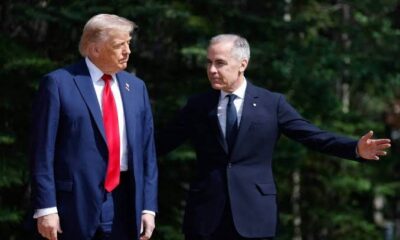
The annual White House Correspondents’ Association dinner, typically a night of levity and political socialite gathering, was thrown into chaos following an assassination attempt on President Donald Trump. While law enforcement successfully neutralized the threat, the incident has sparked a firestorm of criticism regarding the security protocols at the Washington Hilton. The suspect, identified as 31-year-old Caltech graduate Cole Tomas Allen, allegedly entered the venue with multiple weapons, exposing vulnerabilities in what was supposed to be a high-security perimeter.
The Shooter’s Manifesto and Security Failures
In a manifesto sent to his family just ten minutes before the assault, Allen reportedly mocked the “insane” lack of security at the event. He claimed to have entered the building with multiple firearms without being challenged, writing, “Not a single person there considers the possibility that I could be a threat.” Acting Attorney General Todd Blanche confirmed that investigators believe Allen was specifically targeting administration officials, including the President. Despite the hotel being closed to the public six hours prior to the event and the use of airport-style metal detectors, Allen’s ability to remain within the building as a guest prior to the lockdown appears to have been the fatal flaw in the Secret Service’s plan.
Lawmakers Demand Accountability
The incident has prompted immediate calls for a congressional investigation. Republican lawmakers, including Representative Mike Lawler, are pushing for a dedicated House committee to probe the Secret Service’s performance. Lawler noted that the suspect could have caused “mass casualties” at any of the pre-dinner receptions. While Secret Service Director Sean Curran defended the agency’s “multi-layered protection,” noting that the only injury sustained was by an officer protected by a bullet-proof vest, the fact that a gunman came within range of the nation’s top leaders has left many unconvinced.
Political Fallout and the White House Ballroom
President Trump has already utilized the security breach to advocate for the construction of a new 1,000-seat ballroom within the White House perimeter. He criticized the Hilton as an insecure venue, arguing that a dedicated, bullet-proof facility is essential for national security. Meanwhile, the shooting has reignited debates over FISA surveillance renewals and government funding for the Secret Service. As the investigation continues, the focus remains on how a single individual could exploit the “public accommodation” status of a private hotel to bypass the most elite security detail in the world.


BC STORIES
What the City of Vernon’s Decision to Cut Ties Means for Historic O’Keefe Ranch
The City of Vernon will not extend its lease for the Historic O’Keefe Ranch in 2027, sparking debate and a petition over the landmark’s future.

City Decides Against Renewing Lease for Historic Site
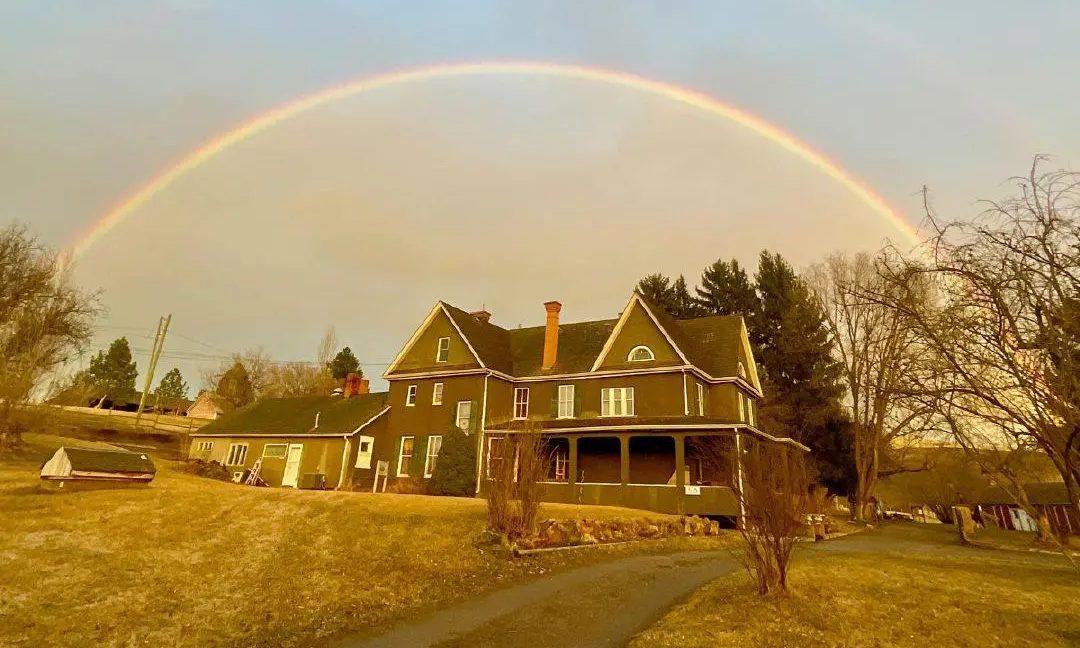
The City of Vernon will end its long-standing operational arrangement with the Historic O’Keefe Ranch and Interior Heritage Society when the ranch’s current lease expires on March 31, 2027. In an Oct. 1 letter sent by chief administrative officer Carey Herd, the municipality stated that the current operating model for the city-owned land is financially unsustainable. The city noted it will not extend the agreement and is reviewing alternative options that aim to secure a sustainable path while honoring the site’s local significance.
Society and Supporters Raise Concerns Over Future
Over the past three decades, the city provided $4.12 million in funding to the site. However, municipal priorities are shifting toward other cultural projects, such as supporting the transition of the Greater Vernon Museum and Archives into the new Greater Vernon Cultural Centre. Society president Douglas MacGregor cautioned that if the organization is forced to dissolve due to the decision, assets and attractions owned by the society would need to be sold. He emphasized that the ranch serves as an essential gathering space, tourism driver, and historical resource for the North Okanagan, highlighting the thousands of volunteer hours spent keeping it operational.
Community Response and Petition Gain Momentum
The announcement has sparked pushback within the region. MP Scott Anderson publicly criticized the city’s move as “shameful” and called on the community to support an online petition at change.org aimed at preserving the historic landmark. As of Monday, Oct. 5, the petition had gathered more than 2,600 signatures. Meanwhile, city officials expressed gratitude in their letter for the contributions made by the society’s volunteers and supporters over nearly 50 years, even as they move forward with exploring new directions for the property.
BC STORIES
Why a Familiar Political Name is Joining the Kamloops-North Thompson Race
John Kidder, husband of federal Green leader Elizabeth May, seeks the BC Green nomination in Kamloops-North Thompson for the upcoming election.
New Contender in Kamloops-North Thompson
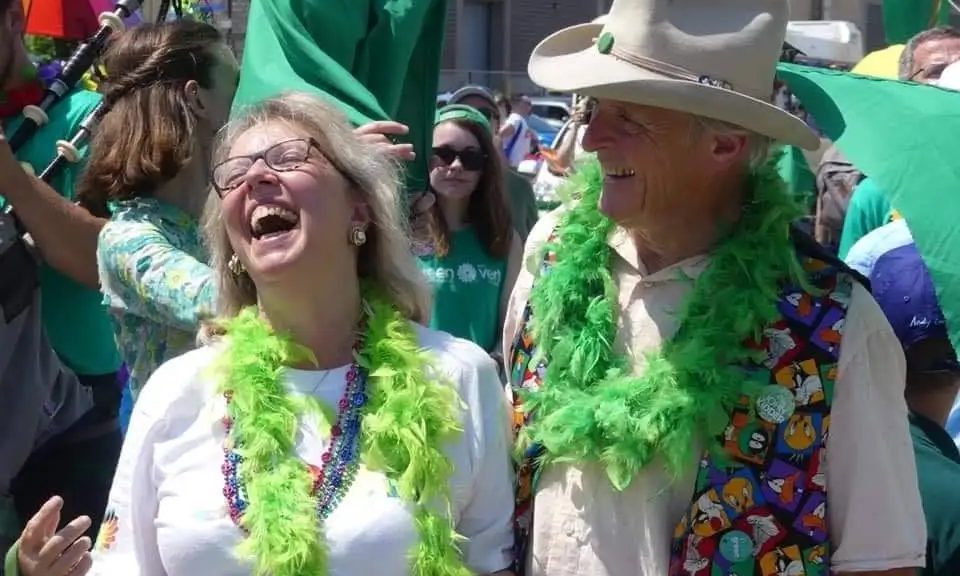
Voters in Kamloops-North Thompson will see a seasoned campaigner on the ballot as John Kidder seeks to represent the BC Green Party in the upcoming provincial election. The party recently circulated Kidder’s nomination form to members via email to collect the required signatures for Elections BC confirmation.
Kidder, who resides in Ashcroft, brings a long history of political involvement to the race. Though he has never held public office, he has previously campaigned in several provincial and federal elections under the Green banner, and also ran as a federal Liberal candidate in 2011. He is married to Elizabeth May, the leader of the federal Green Party.
The Provincial Race Takes Shape
Once his candidacy is formally confirmed by election authorities, Kidder will enter a competitive field. He is set to challenge BC Conservative incumbent Ward Stamer in the riding.
The ballot will also feature Kory Clark, a 24-year-old health-care worker running for the BC NDP, according to reports.
BC STORIES
Why OneBC’s Interim Leader Is Proposing an Election Pact With Conservatives
OneBC interim leader Dallas Brodie offers an election deal to B.C. Conservatives despite rival candidate Carson Binda running in Vancouver-Quilchena.
Interim Leader Proposes Cooperation Amid Overlapping Candidates
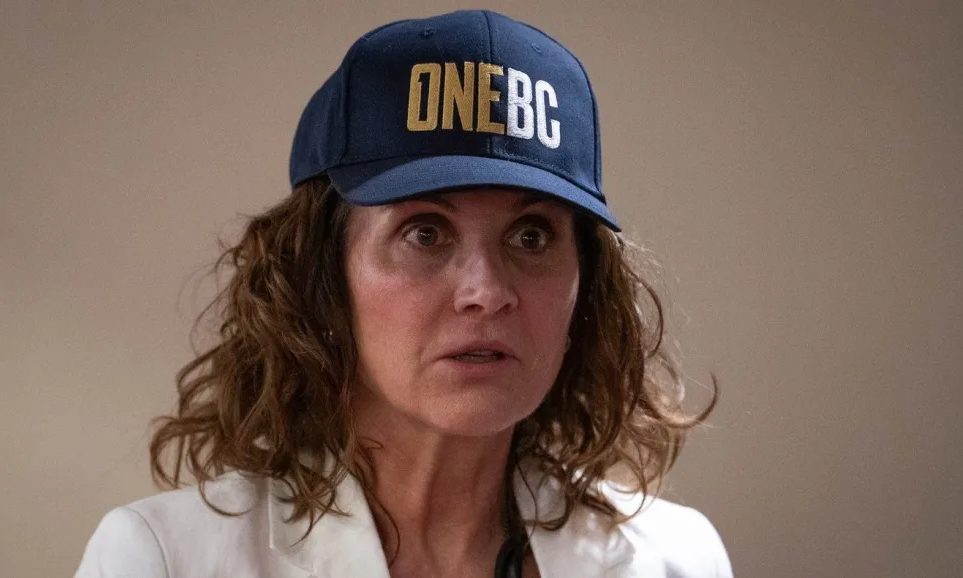
OneBC interim leader Dallas Brodie has expressed readiness to negotiate an election arrangement with the B.C. Conservatives, despite her former party putting forward a rival candidate in her Vancouver-Quilchena riding. Former Canadian Taxpayers Federation provincial director Carson Binda was announced on Sept. 29 as the Conservative candidate facing Brodie, who currently serves as the riding’s incumbent legislator.
Brodie questioned the Conservatives’ decision to compete against her, noting that OneBC had previously signaled goodwill by deciding not to field candidates in select ridings containing “true” Conservatives. Although earlier discussions occurred with B.C. Conservative interim leader Lorne Doerkson, OneBC has since revealed plans for candidates in two of those contested districts. Among them is Kelowna-Centre, a seat won by NDP margin of just 40 votes last election by Kristina Loewen. Brodie argued that her party represents the authentic conservative choice there and suggested Conservatives risk losing the seat to the NDP.
Tensions and History Between Conservative Factions
Offering to pull OneBC’s unannounced Kelowna-Centre candidate if the Conservatives enter discussions, Brodie criticized the opposing party’s reluctance to negotiate. She stated that her party has taken concrete steps toward making deals while accused the Conservatives of ignoring her party. Brodie remarked that the Conservatives “created me” in many ways, referencing her expulsion from the party caucus last year by then-leader John Rustad after she mocked residential school survivor testimony.
Addressing the prospect of electoral collaboration, Doerkson acknowledged that dialogue had occurred between the parties, though no formal agreement was reached. He affirmed that the party intends to bring conservative values to British Columbians following the election. OneBC originally formed as a breakaway Conservative faction in 2025, though it lacked official recognized party status in the legislature when the election campaign commenced.

What the City of Vernon’s Decision to Cut Ties Means for Historic O’Keefe Ranch

Police Request Public Help After Fatal Highway 93 Crash Kills Local Resident

Why an Attempted Cannabis Smuggling Trip to London Led to Jail Time for an Ontario Man

Why Okanagan Pet Owners Turned to Free BC SPCA Clinics After Wildfire Season
Your Current 3 Day Forecast — October 6, 2026

BC Lions Hold Off Toronto Argonauts Behind Sean Whyte’s Record Eight Field Goals

Opinion: John Rustad Has to Go

B.C. Supreme Court Grants Cowichan Tribes Title to Historic Richmond Lands and Fishing Rights

Vancouver Canucks Gear Up for a Make-or-Break 2025–26 Season

Kamloops Blazers Announce Off-Season Changes Ahead of 2025–26 Season

BC Ferries Sparks Outcry Over Contract with Chinese Shipyard

A Taste of Autumn: Fall Okanagan Wine Festival 2025
-
 OPINIONS6 days ago
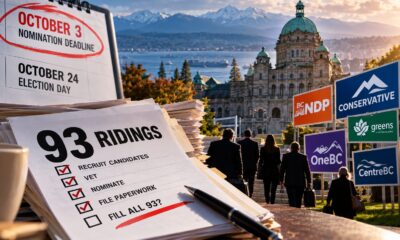
B.C.’s 93-Riding Scramble: Can the Parties Even Find Enough Candidates?
-
 BC STORIES4 days ago
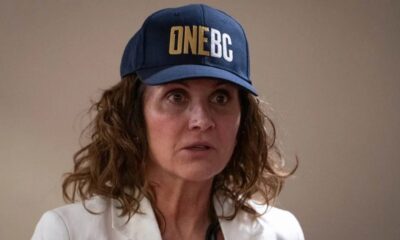
Why OneBC’s Interim Leader Is Proposing an Election Pact With Conservatives
-
 BC STORIES6 days ago
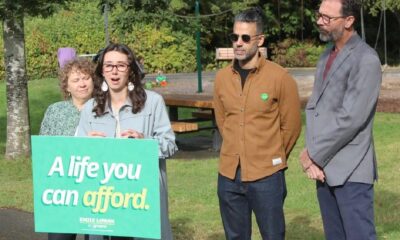
BC Greens Pledge Free Childcare by 2031 and Introduce Victoria-Swan Lake Candidate
-

 NATIONAL STORIES6 days ago
Will they use Chinese Steel over Canadian like Phase One?
-
SPORTS4 days ago
Maple Leafs vs Islanders Result: Easton Cowan Scores in 2-1 Win
-

 NATIONAL STORIES4 days ago
Why NDP Leader Avi Lewis Says the West Coast Pipeline Plan Risks Public Funds
-
SPORTS5 days ago
Why the Edmonton Oilers Will Be Without Ryan Nugent-Hopkins Against Vancouver
-
NATIONAL STORIES5 days ago
Why a Canadian Nationalist Group’s Hidden Recruitment Practices Are Drawing Scrutiny