Global Economy
Strategic Patience: Trump Advises Negotiators Against Rushed Iran Agreement
President Trump urges U.S. negotiators to avoid a rushed Iran deal as talks focus on a 60-day ceasefire and reopening the vital Strait of Hormuz shipping lane.

A Shift Toward Deliberate Diplomacy
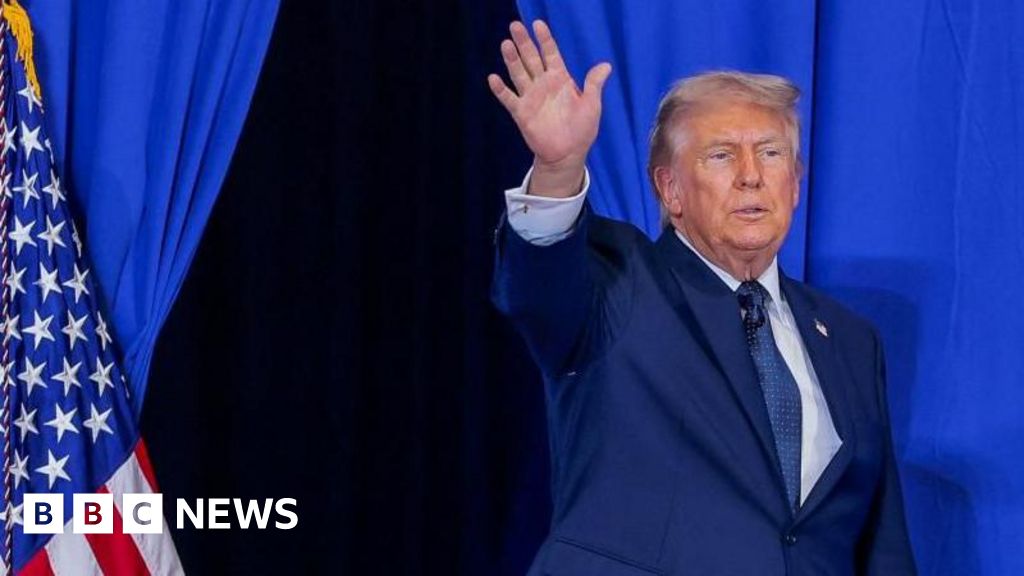
President Donald Trump has reportedly instructed U.S. negotiators to exercise strategic patience and avoid rushing into a formal agreement with Iran. This directive comes at a critical juncture in diplomatic discussions aimed at de-escalating tensions in the Middle East. While the prospect of a breakthrough remains on the horizon, the administration appears focused on securing a deal that addresses long-term structural concerns rather than settling for a short-term reprieve or a politically convenient headline.
The 60-Day Ceasefire Framework
The core of the current negotiations centers on a proposed 60-day ceasefire extension. According to reports from several U.S. media outlets, the primary objective of this window is to facilitate the reopening of the Strait of Hormuz. As one of the world’s most vital maritime passages for petroleum, the Strait’s closure or harassment of vessels within it has historically sent shockwaves through global energy markets. A reopening would signal a significant cooling of hostilities and provide much-needed stability for international shipping lanes and the global supply chain.
Leverage and Long-Term Security
By advising negotiators not to rush, President Trump is maintaining a stance consistent with his previous foreign policy maneuvers. The administration’s maximum pressure campaign has long sought to bring Tehran to the table from a position of economic vulnerability. Analysts suggest that the White House is wary of a deal that offers immediate sanctions relief to Iran without comprehensive guarantees regarding its ballistic missile program and regional influence. This cautious approach is intended to ensure that any temporary ceasefire serves as a bridge to a more robust, permanent agreement rather than a stalling tactic used by the Iranian leadership.
Global Economic and Political Impact
The stakes of these negotiations extend far beyond the borders of the two nations. Global markets are closely monitoring the situation, as the reopening of the Strait of Hormuz could lead to a stabilization of oil prices and reduced insurance premiums for maritime logistics. Furthermore, regional allies and European partners are watching the U.S. response to gauge the future of Middle Eastern security architecture. As the proposed 60-day window looms, the world remains on edge, waiting to see if this deliberate pace will yield a lasting peace or if the geopolitical divide remains too wide to bridge in the current climate.



Geopolitics
Global Energy Markets Braced as Iran and U.S. Escalate Dual Blockades in Strait of Hormuz
Iran reimposes Strait of Hormuz restrictions as U.S. maintains port blockade, threatening global oil supplies and complicating Pakistan-led peace negotiations.

Rising Tensions at the World’s Most Vital Chokepoint
The fragile peace in the Middle East faced a severe setback on Saturday as Iran reimposed strict transit restrictions on the Strait of Hormuz, directly challenging a continuing U.S. naval blockade. This escalation comes just hours after Iranian officials briefly suggested the waterway would reopen, plunging global energy markets into further uncertainty. The dueling blockades represent a significant intensification of a seven-week conflict that has already reshaped regional geopolitics and threatened the stability of the global economy.
Gunboat Confrontations and Policy Reversals
Reports from the British military’s United Kingdom Maritime Trade Operations (UKMTO) center confirmed that two Iranian Revolutionary Guard gunboats opened fire on a tanker transiting the strait on Saturday. While the vessel and crew were reported safe, the incident underscores the volatile nature of the current impasse. Ebrahim Azizi, head of the Iranian parliament’s National Security Commission, stated that the strait is returning to a “status quo” where all vessels must receive Iranian naval authorization and pay tolls—a move Iran claims is a direct response to the U.S. campaign to choke off Iranian ports.
The Trump Administration’s Firm Stance
Despite a recently announced ceasefire between Israel and Hezbollah in Lebanon, U.S. President Donald Trump has maintained that the American blockade on Iranian shipping “will remain in full force.” The administration appears to be using the naval pressure as leverage to force Tehran into a comprehensive new deal that includes curbs on its nuclear program. While Trump has expressed a desire to exit the wider regional war, the U.S. Central Command confirmed that 23 ships have already been turned back toward Iran since the blockade intensified earlier this week.
Diplomatic Hurdles and the Path to April 22
Mediators from Pakistan, Turkey, and Qatar remain optimistic that a broader agreement is within reach before the April 22 ceasefire deadline. However, the situation remains precarious. While the truce in Lebanon was seen as a necessary precursor to talks, the death of a French UNIFIL peacekeeper in southern Lebanon—allegedly at the hands of Hezbollah—threatens to undermine the diplomatic progress. As displaced families return to war-torn areas, the international community remains on edge, watching whether the dual blockades in the Strait of Hormuz will trigger a direct military confrontation or serve as the final, painful catalyst for a diplomatic breakthrough.

Why the Early Election Gamble Backfired on the NDP

Why Fake Signs Targeted a Small Green Party Campaign on B.C. Election Eve

Why the Conservatives’ Majority Win in Kelowna-Mission Signals Big Changes for Local Healthcare and Economy

Why B.C.’s Latest Election Results Are Sparking Renewed Calls for Voting Reform
Your Current 3 Day Forecast — October 27, 2026
Why First Nations Leaders Are Gathering in Ottawa to Push Back on Fast-Tracked Resource Projects

Opinion: John Rustad Has to Go

B.C. Supreme Court Grants Cowichan Tribes Title to Historic Richmond Lands and Fishing Rights

Vancouver Canucks Gear Up for a Make-or-Break 2025–26 Season

BC Ferries Sparks Outcry Over Contract with Chinese Shipyard

Kamloops Blazers Announce Off-Season Changes Ahead of 2025–26 Season

A Taste of Autumn: Fall Okanagan Wine Festival 2025
-

 SPORTS5 days ago
Why B.C. Lions Starters Are Resting as the Regular Season Concludes Against Winnipeg
-
 BC STORIES5 days ago
BC Conservatives Promise Forestry Overhaul to Revive Jobs as NDP Points to Millions in Existing Investment
-

 OPINIONS5 days ago
How Minor Parties and Strategic Balloting Could Shift the Upcoming B.C. Election
-

 BC STORIES6 days ago
Police Seek Witnesses After Fatal Wrong-Way Collision Near Merritt
-
5 days ago
Your Current 3 Day Forecast — October 22, 2026
-
6 days ago
Your Current 3 Day Forecast — October 21, 2026
-
NATIONAL STORIES6 days ago
Highland Valley Copper Workers Could Strike Saturday as Union Issues Notice
-

 HEALTH6 days ago
Coquihalla Highway Reopens Near Merritt Following Morning Crash That Injured Four