Global Economy
Strategic Patience: Trump Advises Negotiators Against Rushed Iran Agreement
President Trump urges U.S. negotiators to avoid a rushed Iran deal as talks focus on a 60-day ceasefire and reopening the vital Strait of Hormuz shipping lane.


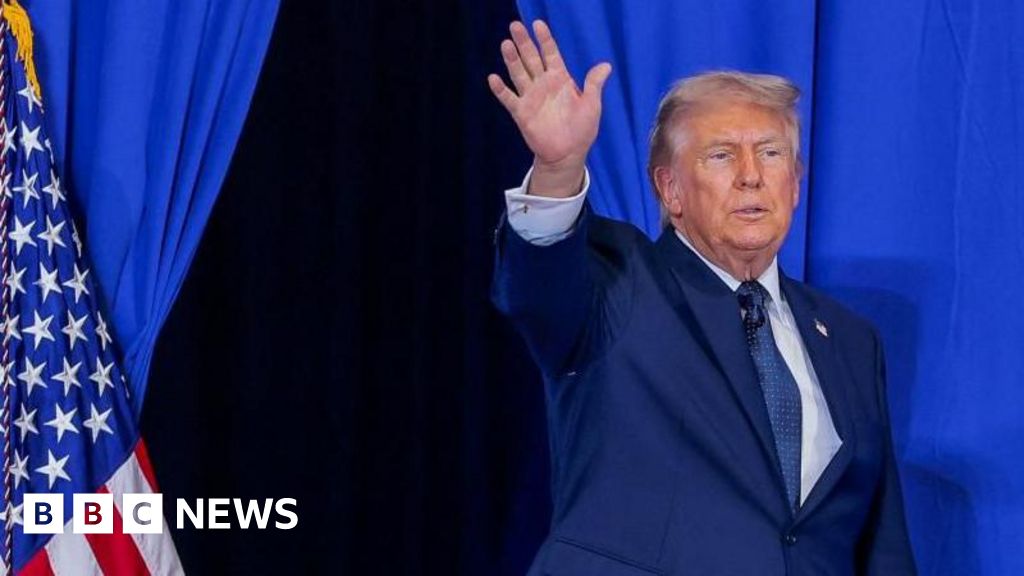
A Shift Toward Deliberate Diplomacy
President Donald Trump has reportedly instructed U.S. negotiators to exercise strategic patience and avoid rushing into a formal agreement with Iran. This directive comes at a critical juncture in diplomatic discussions aimed at de-escalating tensions in the Middle East. While the prospect of a breakthrough remains on the horizon, the administration appears focused on securing a deal that addresses long-term structural concerns rather than settling for a short-term reprieve or a politically convenient headline.
The 60-Day Ceasefire Framework
The core of the current negotiations centers on a proposed 60-day ceasefire extension. According to reports from several U.S. media outlets, the primary objective of this window is to facilitate the reopening of the Strait of Hormuz. As one of the world’s most vital maritime passages for petroleum, the Strait’s closure or harassment of vessels within it has historically sent shockwaves through global energy markets. A reopening would signal a significant cooling of hostilities and provide much-needed stability for international shipping lanes and the global supply chain.
Leverage and Long-Term Security
By advising negotiators not to rush, President Trump is maintaining a stance consistent with his previous foreign policy maneuvers. The administration’s maximum pressure campaign has long sought to bring Tehran to the table from a position of economic vulnerability. Analysts suggest that the White House is wary of a deal that offers immediate sanctions relief to Iran without comprehensive guarantees regarding its ballistic missile program and regional influence. This cautious approach is intended to ensure that any temporary ceasefire serves as a bridge to a more robust, permanent agreement rather than a stalling tactic used by the Iranian leadership.
Global Economic and Political Impact
The stakes of these negotiations extend far beyond the borders of the two nations. Global markets are closely monitoring the situation, as the reopening of the Strait of Hormuz could lead to a stabilization of oil prices and reduced insurance premiums for maritime logistics. Furthermore, regional allies and European partners are watching the U.S. response to gauge the future of Middle Eastern security architecture. As the proposed 60-day window looms, the world remains on edge, waiting to see if this deliberate pace will yield a lasting peace or if the geopolitical divide remains too wide to bridge in the current climate.