WORLD
US Forces Launch Massive Counter-Terrorism Offensive in Syria Following Death of Three Americans
The US military initiates major sustained strikes against ISIS in Syria after the deaths of three Americans, marking a significant escalation in regional defense.


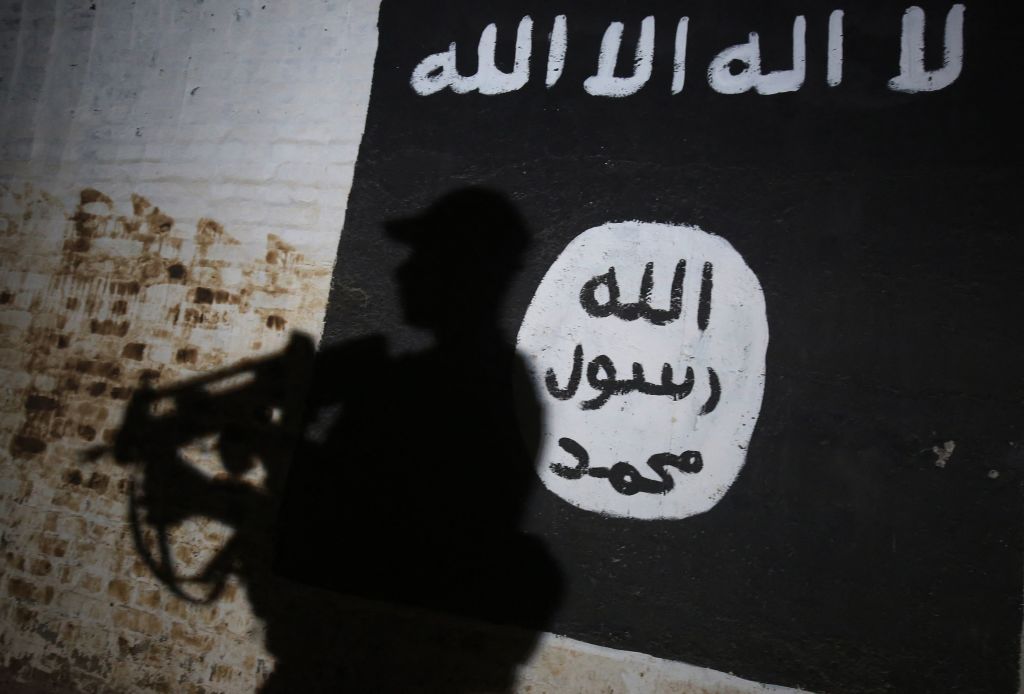
A Decisive Response to Regional Threats
In the wake of a devastating attack that claimed the lives of three American service members, the United States has launched its most extensive and sustained military operation against ISIS targets in Syria in recent memory. The strikes, which were authorized by President Joe Biden and coordinated through U.S. Central Command (CENTCOM), signal a significant shift in the American approach toward the lingering threat posed by the Islamic State. For months, the region has seen a slow but steady uptick in militant activity, but the recent loss of American life has catalyzed a robust kinetic response aimed at dismantling the group’s infrastructure once and for all. This operation marks a major escalation and a clear message to extremist factions that attacks on U.S. personnel will meet with overwhelming force.
The Tactical Scope of the Aerial Campaign
Pentagon officials reported that the strikes utilized a variety of sophisticated air assets, including F-15E Strike Eagles, MQ-9 Reaper drones, and B-1B Lancer bombers. The targets were not chosen at random; intelligence gathered over several weeks identified specific logistical hubs, command-and-control centers, and clandestine training camps located deep within the Syrian desert. By focusing on these critical nodes, the U.S. military aims to disrupt the group’s ability to plan and execute sophisticated attacks outside of their immediate hideouts. In addition to air assets, ground-based intelligence assets provided real-time data to minimize collateral damage while ensuring maximum impact on enemy positions. Initial assessments suggest that dozens of militants were neutralized, and several high-priority targets associated with the planning of the drone strike that killed the Americans were successfully eliminated.
Honoring the Fallen Through Strategic Action
The deaths of the three Americans, whose identities were released following family notifications, sent shockwaves through the military community. Speaking from the Pentagon, Secretary of Defense Lloyd Austin emphasized that the United States would not tolerate attacks on its personnel. ‘The President and I will not tolerate attacks on American forces, and we will take all necessary actions to defend the United States, our troops, and our interests,’ Austin said. The current operation is seen as a fulfillment of that promise, serving as both a retaliatory measure and a preventative strategy. By targeting the heart of the ISIS resurgence, the military is attempting to ensure that no further American lives are lost to a group that many had hoped was effectively neutralized years ago. The strikes also serve to reassure regional partners of the U.S. commitment to their collective security.
The Resilience of the Insurgency and Rebuilding Networks
Despite the territorial defeat of the ISIS ‘caliphate’ in 2019, the group has proven to be remarkably resilient. Operating as a decentralized insurgency, they have exploited the vacuum of power in certain regions of Syria, preying on local populations and rebuilding their financial networks through extortion and smuggling. Military analysts warn that without consistent pressure, ISIS could regain the capability to conduct external operations in Europe or the United States. This current campaign is specifically designed to set back their recovery by years, destroying the technical equipment and the seasoned leadership required to maintain a functional militant organization. Furthermore, the economic dimension of ISIS survival is being targeted; reports indicate that several illegal taxation centers were among the targets destroyed, cutting off the ‘blood money’ that fuels their recruitment efforts.
Geopolitical Tensions and the Iranian Factor
The situation in Syria is further complicated by the presence of Iranian-backed militias and the ongoing Syrian civil war. While the U.S. strikes were specifically focused on ISIS, the broader context of regional instability cannot be ignored. There is a delicate balance to maintain; the U.S. must neutralize the terrorist threat without triggering a wider confrontation with other regional actors. Diplomatic channels have been active, with Washington communicating that these strikes are strictly counter-terrorism operations. However, the proximity of these strikes to areas of interest for Tehran and Damascus adds a layer of complexity that requires precise execution and clear communication to avoid miscalculation. The U.S. has maintained that it does not seek conflict with any nation, but will maintain the right to self-defense whenever its interests are threatened.
Humanitarian Implications and Regional Impact
The broader humanitarian implications of these military actions are also being closely monitored by international watchdogs. While the strikes are surgically focused on militant assets, the volatility of the region often exacerbates the displacement of local populations. U.S. officials have reiterated that every precaution is taken to avoid civilian casualties, a claim that is vital for maintaining the support of local allies like the Syrian Democratic Forces (SDF). The SDF remains the primary partner for the U.S. on the ground, and their continued cooperation is essential for holding the territory reclaimed from the caliphate. This partnership is a cornerstone of the counter-terrorism strategy, ensuring that liberated areas do not fall back into the hands of extremists who use them as staging grounds for global terror.
Looking Ahead: The Path to Regional Security
As the smoke clears from the latest round of strikes, questions remain about the long-term U.S. commitment to the region. With approximately 900 troops currently stationed in Syria, the mission remains focused on the enduring defeat of ISIS. This latest offensive proves that despite shifts in global attention toward other conflicts, the Middle East remains a critical theater for American national security. The sustained nature of these strikes indicates that this is not a one-off retaliatory act but rather the beginning of a renewed phase of engagement designed to stabilize the region and prevent the return of a terrorist state. The international coalition against ISIS continues to provide support, highlighting the global consensus that the group remains a threat to peace and security everywhere. As this new chapter of the conflict unfolds, the resolve of the United States and its allies will be tested, but the message from the Pentagon remains clear: the fight against ISIS is far from over, and the U.S. will remain a steadfast guardian of its people.