WORLD
US Forces Launch Massive Counter-Terrorism Offensive in Syria Following Death of Three Americans
The US military initiates major sustained strikes against ISIS in Syria after the deaths of three Americans, marking a significant escalation in regional defense.

A Decisive Response to Regional Threats
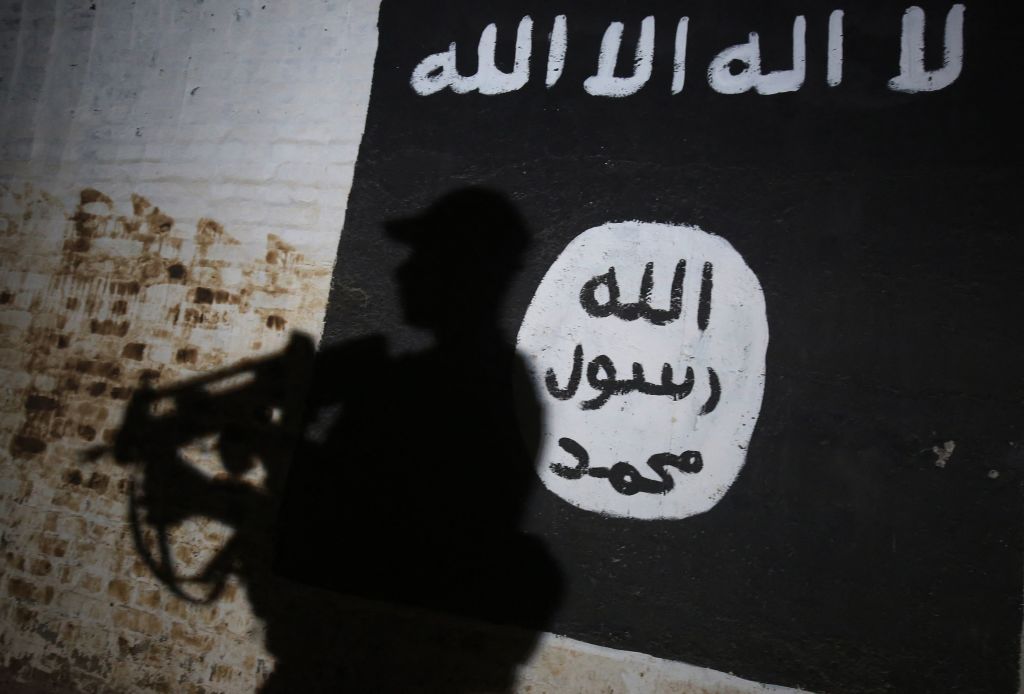
In the wake of a devastating attack that claimed the lives of three American service members, the United States has launched its most extensive and sustained military operation against ISIS targets in Syria in recent memory. The strikes, which were authorized by President Joe Biden and coordinated through U.S. Central Command (CENTCOM), signal a significant shift in the American approach toward the lingering threat posed by the Islamic State. For months, the region has seen a slow but steady uptick in militant activity, but the recent loss of American life has catalyzed a robust kinetic response aimed at dismantling the group’s infrastructure once and for all. This operation marks a major escalation and a clear message to extremist factions that attacks on U.S. personnel will meet with overwhelming force.
The Tactical Scope of the Aerial Campaign
Pentagon officials reported that the strikes utilized a variety of sophisticated air assets, including F-15E Strike Eagles, MQ-9 Reaper drones, and B-1B Lancer bombers. The targets were not chosen at random; intelligence gathered over several weeks identified specific logistical hubs, command-and-control centers, and clandestine training camps located deep within the Syrian desert. By focusing on these critical nodes, the U.S. military aims to disrupt the group’s ability to plan and execute sophisticated attacks outside of their immediate hideouts. In addition to air assets, ground-based intelligence assets provided real-time data to minimize collateral damage while ensuring maximum impact on enemy positions. Initial assessments suggest that dozens of militants were neutralized, and several high-priority targets associated with the planning of the drone strike that killed the Americans were successfully eliminated.
Honoring the Fallen Through Strategic Action
The deaths of the three Americans, whose identities were released following family notifications, sent shockwaves through the military community. Speaking from the Pentagon, Secretary of Defense Lloyd Austin emphasized that the United States would not tolerate attacks on its personnel. ‘The President and I will not tolerate attacks on American forces, and we will take all necessary actions to defend the United States, our troops, and our interests,’ Austin said. The current operation is seen as a fulfillment of that promise, serving as both a retaliatory measure and a preventative strategy. By targeting the heart of the ISIS resurgence, the military is attempting to ensure that no further American lives are lost to a group that many had hoped was effectively neutralized years ago. The strikes also serve to reassure regional partners of the U.S. commitment to their collective security.
The Resilience of the Insurgency and Rebuilding Networks
Despite the territorial defeat of the ISIS ‘caliphate’ in 2019, the group has proven to be remarkably resilient. Operating as a decentralized insurgency, they have exploited the vacuum of power in certain regions of Syria, preying on local populations and rebuilding their financial networks through extortion and smuggling. Military analysts warn that without consistent pressure, ISIS could regain the capability to conduct external operations in Europe or the United States. This current campaign is specifically designed to set back their recovery by years, destroying the technical equipment and the seasoned leadership required to maintain a functional militant organization. Furthermore, the economic dimension of ISIS survival is being targeted; reports indicate that several illegal taxation centers were among the targets destroyed, cutting off the ‘blood money’ that fuels their recruitment efforts.
Geopolitical Tensions and the Iranian Factor
The situation in Syria is further complicated by the presence of Iranian-backed militias and the ongoing Syrian civil war. While the U.S. strikes were specifically focused on ISIS, the broader context of regional instability cannot be ignored. There is a delicate balance to maintain; the U.S. must neutralize the terrorist threat without triggering a wider confrontation with other regional actors. Diplomatic channels have been active, with Washington communicating that these strikes are strictly counter-terrorism operations. However, the proximity of these strikes to areas of interest for Tehran and Damascus adds a layer of complexity that requires precise execution and clear communication to avoid miscalculation. The U.S. has maintained that it does not seek conflict with any nation, but will maintain the right to self-defense whenever its interests are threatened.
Humanitarian Implications and Regional Impact
The broader humanitarian implications of these military actions are also being closely monitored by international watchdogs. While the strikes are surgically focused on militant assets, the volatility of the region often exacerbates the displacement of local populations. U.S. officials have reiterated that every precaution is taken to avoid civilian casualties, a claim that is vital for maintaining the support of local allies like the Syrian Democratic Forces (SDF). The SDF remains the primary partner for the U.S. on the ground, and their continued cooperation is essential for holding the territory reclaimed from the caliphate. This partnership is a cornerstone of the counter-terrorism strategy, ensuring that liberated areas do not fall back into the hands of extremists who use them as staging grounds for global terror.
Looking Ahead: The Path to Regional Security
As the smoke clears from the latest round of strikes, questions remain about the long-term U.S. commitment to the region. With approximately 900 troops currently stationed in Syria, the mission remains focused on the enduring defeat of ISIS. This latest offensive proves that despite shifts in global attention toward other conflicts, the Middle East remains a critical theater for American national security. The sustained nature of these strikes indicates that this is not a one-off retaliatory act but rather the beginning of a renewed phase of engagement designed to stabilize the region and prevent the return of a terrorist state. The international coalition against ISIS continues to provide support, highlighting the global consensus that the group remains a threat to peace and security everywhere. As this new chapter of the conflict unfolds, the resolve of the United States and its allies will be tested, but the message from the Pentagon remains clear: the fight against ISIS is far from over, and the U.S. will remain a steadfast guardian of its people.

Crime
Actor Nick Pasqual Sentenced to 32 Years to Life Following Brutal Stabbing of Former Partner
Actor Nick Pasqual receives 32 years to life for the attempted murder of makeup artist Allie Shehorn in a brutal 2024 domestic violence attack.

Justice Served in Horrific Domestic Violence Case
In a Los Angeles courtroom on Tuesday, actor Nick Pasqual was sentenced to 32 years to life in state prison for the attempted murder of his former girlfriend, Allie Shehorn. Pasqual, whose credits include a small role on the hit sitcom “How I Met Your Mother,” was convicted last month on multiple counts, including residential burglary and attempted murder, following a violent incident that shocked the entertainment community in May 2024.
Details of the Sunland Attack
The sentencing follows a harrowing trial that detailed the early morning hours of the attack. Prosecutors established that Pasqual broke into Shehorn’s home in Sunland, California, where he proceeded to stab her more than 20 times. The victim suffered life-threatening injuries to her neck, chest, back, abdomen, and limbs. Following the assault, Pasqual attempted to flee the jurisdiction, heading toward the U.S.-Mexico border before being intercepted by law enforcement and taken into custody.
The Long Road to Recovery for Allie Shehorn
Allie Shehorn, an accomplished Hollywood makeup artist, survived the ordeal only through emergency surgery and prolonged intensive medical care. Despite her survival, Shehorn testified regarding the permanent physical damage and profound emotional trauma she continues to endure. The financial burden of her extensive medical treatments and rehabilitation has also become a significant hurdle in her journey back to health. Her resilience throughout the legal process has been noted by supporters and the court alike.
A Severe Sentence for Violent Crimes
The judge’s decision to impose a sentence of 32 years to life reflects the severity of the charges and the extreme brutality of the assault. By finding him guilty of attempted murder and residential burglary, the jury underscored the premeditated nature of the crime. Legal experts suggest that the lengthy sentence serves as a stark message regarding the legal consequences of domestic violence and aggravated assault, bringing a sense of closure to a case that has dominated headlines for months.
POLITICS
White House Adjusts Tariffs on Steel and Aluminum Derivatives to Bolster Industry
President Trump signs a proclamation amending tariffs on steel, aluminum, and copper to boost U.S. manufacturing and lower costs for agricultural machinery.
Strategic Shifts in Trade Policy
In a significant move aimed at recalibrating the nation’s industrial landscape, U.S. President Donald Trump has signed a new proclamation amending tariffs on key imports, including steel, aluminum, and copper. The White House announced the changes on Monday, detailing a complex restructuring of duty rates designed to incentivize domestic manufacturing while providing relief to specific sectors such as agriculture and residential construction.
Lowering Barriers for Critical Machinery
The updated proclamation introduces a reduction in tariffs for several essential derivative products. Notably, duties on certain types of agricultural machinery and residential HVAC (heating, air conditioning, and ventilation) equipment will drop from 25 percent to 15 percent. This reduction is expected to ease costs for American farmers and homeowners alike. Furthermore, mobile industrial equipment—including heavy machinery like bulldozers and forklifts—will now be subject to a 15 percent tariff, provided these goods are imported from trade-partner nations entitled to such treatment.
Incentivizing Domestic Materials
A key highlight of the new order is a provision designed to reward the use of American-made materials. Foreign companies can now qualify for a lower 10 percent tariff rate if they can prove their capital equipment consists of at least 85 percent U.S. melted and poured steel, or smelted and cast aluminum by weight. This “melted and poured” requirement is a strategic effort to ensure that the primary stages of metal production remain rooted in the United States, strengthening the domestic supply chain.
New Restrictions and Long-Term Outlook
While some sectors saw relief, the order also expanded the scope of protectionist measures. Two new categories—steel racks and aluminum lithographic plates—have been added to the list of derivative products subject to the higher 25 percent duty. These adjustments are scheduled to take effect for all relevant goods imported after 12:01 a.m. EST on June 8. According to the White House, these trade measures will remain in place until December 31, 2027, serving as a long-term catalyst to spur investments and rebuild the nation’s industrial base.
WORLD
Tensions Surge as US Strikes Iranian Targets Amid High-Stakes Nuclear Negotiations
US military strikes Iranian drones in the Strait of Hormuz as President Trump balances military pressure with nuclear negotiations ahead of the midterms.
Escalation in the Strait of Hormuz
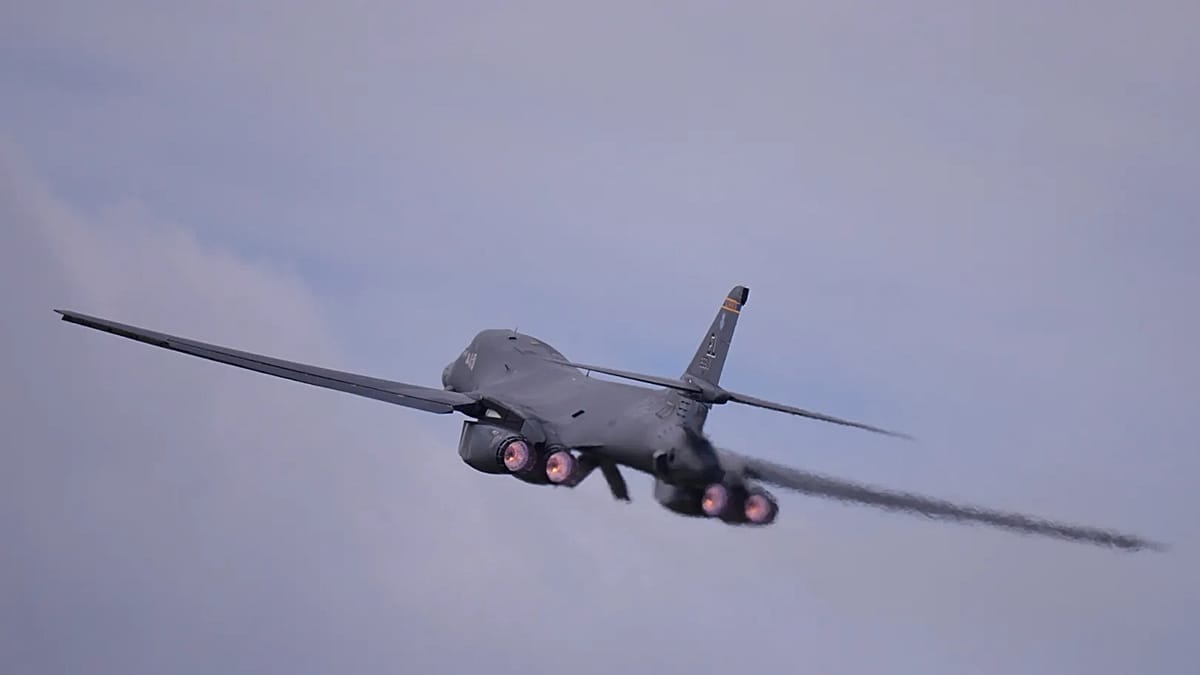
The United States military conducted a series of strategic “defensive strikes” against Iranian targets late Wednesday, marking the second such operation within a three-day window. According to US Central Command (Centcom), the mission successfully neutralized four Iranian one-way attack drones identified as immediate threats near the Strait of Hormuz. Additionally, US forces targeted and destroyed a ground control station in Bandar Abbas that was reportedly preparing to launch a fifth drone.
Trump Signals Pressure as Diplomacy Falters
The military action comes at a precarious moment for the White House. President Donald Trump, speaking during a Cabinet meeting on Wednesday, asserted that Tehran is currently “negotiating on fumes.” While expressing a cautious optimism that a settlement could be reached to end the three-month-old conflict, Trump warned that the United States is prepared to “finish the job” should diplomatic efforts collapse. The President’s rhetoric highlights a dual-track strategy of military deterrence and diplomatic engagement as the administration seeks to reopen the vital shipping lanes of the Strait of Hormuz.
The Nuclear Stumbling Block
At the heart of the ongoing negotiations is Iran’s significant stockpile of highly enriched uranium. International Atomic Energy Agency (IAEA) reports indicate that Tehran possesses over 440 kilograms of uranium enriched to 60% purity—dangerously close to the 90% threshold required for weapons-grade material. While the proposed deal suggests Iran relinquish this stockpile in exchange for sanctions relief, a major point of contention remains where the material would be sent. President Trump explicitly stated he would not be comfortable with Russia or China taking possession of the uranium, despite their status as the most viable third-party candidates.
Political Stakes and Global Impact
As the November midterm elections approach, the Trump administration faces mounting pressure to deliver a foreign policy victory that could stabilize global fuel prices and domestic economic concerns. Analysts suggest the President is eager to declare a reduction in Iran’s nuclear capabilities to justify ending a politically divisive war. However, critics within his own party fear that a rushed settlement might leave Iranian leadership battered but ultimately emboldened. With Tehran demanding a cessation of Israeli operations against Hezbollah as part of the package, the path to a durable peace remains fraught with geopolitical complexities.
Vancouver Canucks Appoint Manny Malhotra as Head Coach Amid Massive Front Office Overhaul
Canada-U.S. Trade Tension Escalates as Trump Renews ’51st State’ Rhetoric
Ottawa Unveils $10 Billion Infrastructure Windfall for Quebec Transit and Health Care
Actor Nick Pasqual Sentenced to 32 Years to Life Following Brutal Stabbing of Former Partner
Invasive Mosquitoes Carrying Brain-Swelling Virus Detected in B.C. Sea-to-Sky Region
Canada Secures Decisive 2-0 Victory Over Uzbekistan as World Cup Fever Hits Edmonton

Opinion: John Rustad Has to Go

B.C. Supreme Court Grants Cowichan Tribes Title to Historic Richmond Lands and Fishing Rights

Vancouver Canucks Gear Up for a Make-or-Break 2025–26 Season

Kamloops Blazers Announce Off-Season Changes Ahead of 2025–26 Season

BC Ferries Sparks Outcry Over Contract with Chinese Shipyard

A Taste of Autumn: Fall Okanagan Wine Festival 2025
-
Health7 days ago
The Strategic Edge: Why Sleep Is the Executive’s Most Underutilized Asset
-
Hockey7 days ago
History in the Making: John Tortorella Chases Rare Mid-Season Coaching Milestone with Vegas
-
Alberta7 days ago
Internal Rift Erupts as Alberta Premier Clashes with Party President Over Separatism
-
energy7 days ago
A Geopolitical Shift: Canada and Germany Strike Landmark 20-Year LNG Export Deal
-
business6 days ago
CFL Scores Historic $500 Million Media Rights Deal with Bell Media, DAZN, and YouTube
-
LOCAL6 days ago
UBC Dementia Research Receives $500,000 Boost for Revolutionary Blood-Based Testing
-
Africa6 days ago
Deadly Bundibugyo Outbreak in Congo Outpacing Global Response as Deaths Surge
-
WORLD6 days ago
Tensions Surge as US Strikes Iranian Targets Amid High-Stakes Nuclear Negotiations