Law
Western Resistance: Over 7,000 Albertans Declare Banned Firearms Amid Federal-Provincial Standoff
Over 7,000 Albertans have declared banned firearms, but a provincial standoff with Ottawa leaves the compensation and collection process in total uncertainty.


A Deepening Constitutional Conflict
As the federal government moves forward with its controversial firearm buyback program, new data reveals that 7,334 Albertans have declared prohibited weapons under the national mandate. Despite this high level of compliance from individual owners, the provincial government remains in a fierce deadlock with Ottawa, refusing to facilitate the program and leaving thousands of citizens in a legal limbo regarding compensation.
The Numbers Behind the Ban
According to Public Safety Canada, more than 67,000 banned firearms have been declared by nearly 38,000 owners across the country. Alberta ranks fourth in the nation for declarations, trailing only Ontario, British Columbia, and Quebec. The federal ban targets approximately 2,500 models of what the Liberal government classifies as “assault-style” firearms—weapons they argue were designed for the battlefield rather than for hunting or sport. However, the deadline for voluntary declaration passed on March 31, and the path forward for those who complied is increasingly murky.
Provincial Sovereignty and Legal Roadblocks
Alberta’s Minister of Justice, Mickey Amery, has reaffirmed the province’s stance, calling the confiscation program an expensive waste of time that targets law-abiding citizens instead of addressing violent crime. Under provincial sovereignty legislation, Alberta has directed local law enforcement and provincial entities to decline any involvement in the program. This resistance has created a unique challenge: while the federal government demands the disposal or deactivation of these firearms by October 30, it lacks the local infrastructure to collect them without provincial cooperation.
Owners Caught in the Crossfire
For gun owners, the situation is fraught with anxiety. Public Safety Minister Gary Anandasangaree suggested that citizens in resisting provinces might not be eligible for compensation due to the lack of provincial cooperation—a claim Alberta’s Chief Firearms Officer, Teri Bryant, dismissed as an attempt to shift blame. Experts suggest the country is in “uncharted waters,” as the standoff between federal mandates and provincial jurisdiction heads toward a potential constitutional showdown. With the Supreme Court of Canada set to hear arguments against the ban from advocacy groups, the legal status of thousands of Albertans remains unresolved as the autumn deadline looms.

General
B.C. Premier David Eby Faces Backlash Over Planned Suspension of Landmark Indigenous Rights Act
B.C. Premier David Eby faces criticism after announcing plans to suspend parts of the Declaration on the Rights of Indigenous Peoples Act (DRIPA) amid legal challenges.

The Shift in B.C. Legislation
Premier David Eby is moving to temporarily suspend key sections of the Declaration on the Rights of Indigenous Peoples Act (DRIPA), a decision he claims is necessary to manage a growing wave of litigation. The move targets Section 3, which mandates that provincial laws remain consistent with the United Nations Declaration on the Rights of Indigenous Peoples (UNDRIP). Eby argues that a recent B.C. Court of Appeal ruling involving the Gitxaała Nation has opened the floodgates for legal challenges against existing provincial statutes, forcing the government’s hand.
A Mounting Legal Challenge
According to the Premier, over 20 lawsuits against the province have already been amended to leverage the Gitxaała ruling. The government intends to pause specific sections of DRIPA for up to three years, or until the Supreme Court of Canada provides a definitive ruling on the matter. Eby emphasized that the suspension is not a retreat from reconciliation but a practical necessity to prevent legal chaos. “It’s a very real and manifesting challenge that we face,” Eby stated during a press conference in Kelowna, noting that the legislative calendar requires immediate action to stabilize the province’s legal framework.
Criticism from Leaders and Experts
The announcement has sparked significant pushback from Indigenous leaders and legal analysts. Robert Phillips of the First Nations Leadership Council criticized the move, stating that Aboriginal rights and title cannot be placed on “pause.” Legal experts like Thomas Isaac have suggested the move creates unnecessary uncertainty for major resource projects and the broader economy, labeling the sudden policy shift as negligent. Furthermore, critics like former Green MLA Adam Olsen accuse the Premier of conflating separate court cases—the Gitxaała mining dispute and the Cowichan land title case—to justify the suspension.
Political Stakes and the Path Forward
The proposed changes come at a time of heightened political tension, with the B.C. Conservatives calling for the total repeal of DRIPA. Meanwhile, former Indigenous Relations Minister Scott Fraser warned that dismantling the act would return British Columbia to an era of endless litigation. Premier Eby has confirmed that the upcoming bill will be a confidence motion, meaning the survival of his NDP government hinges on its passage. Despite the controversy, Eby insists he has the votes necessary to move forward, with legislation expected to be introduced as early as next week.
Human Rights
Ontario Court Rejects Government Bid to Halt Al-Quds Day Rally in Toronto
An Ontario judge has dismissed Premier Doug Ford’s bid to block the Al-Quds Day rally in Toronto, citing Charter rights despite government claims of hate speech.

Legal Battle Over Right to Protest
A high-stakes legal confrontation between the Ontario government and pro-Palestinian organizers concluded Saturday as an Ontario judge dismissed an eleventh-hour injunction request aimed at blocking the annual Al-Quds Day rally. Premier Doug Ford’s administration had petitioned the court to pre-emptively stop the demonstration, labeling the event a potential "breeding ground for hate and antisemitism." However, the court ruled in favor of the demonstrators, citing protections under Canada’s Charter of Rights and Freedoms.
Heightened Tensions and Security Measures
Following the court’s decision, the rally proceeded outside the U.S. Consulate in downtown Toronto under a heavy security blanket. Toronto Police deployed a significant presence, including rooftop observers, amid heightened regional tensions following recent reports of shots fired at synagogues and diplomatic buildings. While protesters waved Palestinian and Iranian flags and chanted slogans for liberation, a contingent of counter-protesters gathered nearby with Israeli and pre-revolutionary Iranian flags, highlighting the deep geopolitical divisions surrounding the event.
Political Fallout and Civil Liberties
Premier Ford expressed extreme disappointment following the ruling, stating on social media that while rights are fundamental, they should not grant a "free licence to intimidate and hate." Despite the government’s rhetoric, provincial lawyers admitted during the hearing that previous iterations of the rally had not resulted in criminal charges against participants. Civil liberties groups and organizers condemned the government’s legal maneuver as an overreach and an attempt to silence political dissent and solidarity with the Palestinian cause.
Context of Al-Quds Day
Al-Quds Day, which takes its name from the Arabic word for Jerusalem, has been a source of political friction in Ontario since Doug Ford took office in 2018. Originally popularized in Iran following the 1979 revolution, the global event is billed by organizers as a day of solidarity for Palestinians and a call to end the Israeli occupation. This year’s Toronto event specifically emphasized a message of "no war on Iran and Lebanon," reflecting the current volatility of Middle Eastern affairs.

Why the Early Election Gamble Backfired on the NDP

Why Fake Signs Targeted a Small Green Party Campaign on B.C. Election Eve

Why the Conservatives’ Majority Win in Kelowna-Mission Signals Big Changes for Local Healthcare and Economy

Why B.C.’s Latest Election Results Are Sparking Renewed Calls for Voting Reform
Your Current 3 Day Forecast — October 27, 2026
Why First Nations Leaders Are Gathering in Ottawa to Push Back on Fast-Tracked Resource Projects

Opinion: John Rustad Has to Go

B.C. Supreme Court Grants Cowichan Tribes Title to Historic Richmond Lands and Fishing Rights

Vancouver Canucks Gear Up for a Make-or-Break 2025–26 Season

BC Ferries Sparks Outcry Over Contract with Chinese Shipyard

Kamloops Blazers Announce Off-Season Changes Ahead of 2025–26 Season

A Taste of Autumn: Fall Okanagan Wine Festival 2025
-
 BC STORIES5 days ago
BC Conservatives Promise Forestry Overhaul to Revive Jobs as NDP Points to Millions in Existing Investment
-
 SPORTS5 days ago
Why B.C. Lions Starters Are Resting as the Regular Season Concludes Against Winnipeg
-
 OPINIONS5 days ago
How Minor Parties and Strategic Balloting Could Shift the Upcoming B.C. Election
-
 BC STORIES6 days ago
Police Seek Witnesses After Fatal Wrong-Way Collision Near Merritt
-
5 days ago
Your Current 3 Day Forecast — October 22, 2026
-
6 days ago
Your Current 3 Day Forecast — October 21, 2026
-
NATIONAL STORIES6 days ago
Highland Valley Copper Workers Could Strike Saturday as Union Issues Notice
-
 HEALTH6 days ago
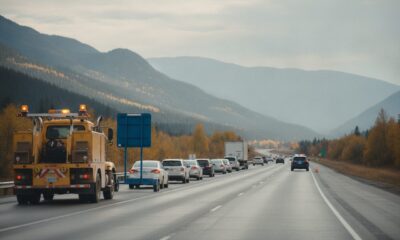
Coquihalla Highway Reopens Near Merritt Following Morning Crash That Injured Four