NATIONAL STORIES
What to Know About Canada’s Plan to Counter 50 Per Cent U.S. Tariffs Next Month
Prime Minister Mark Carney says Canada will match 50% U.S. tariffs dollar-for-dollar starting Sept. 8 after cross-border trade negotiations broke down.


Ottawa Rejects ‘Bad Deal’ as Trade War Escalates
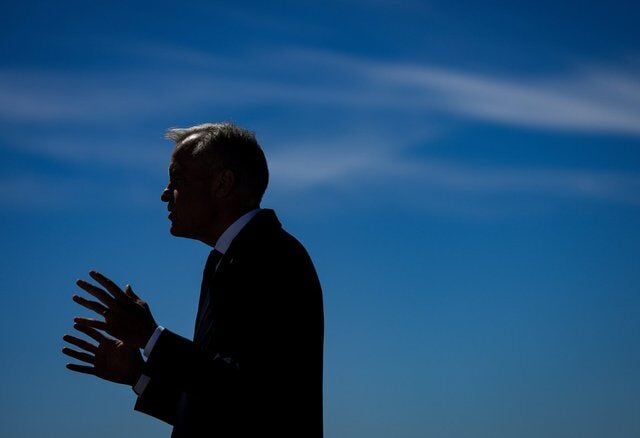
Prime Minister Mark Carney announced Saturday that Canada will levy dollar-for-dollar counter-tariffs against the United States beginning Sept. 8, following the collapse of cross-border trade negotiations.
The move comes after Washington imposed 50 per cent tariffs on $28 billion worth of Canadian products on Saturday. The duties target items ranging from dairy, honey, and essential oils to hockey sticks. Carney suspended talks late Friday, recalling Canadian negotiators from Washington after deeming the proposed terms unacceptable.
Carney stated that late-stage American demands attempted to restrict Canada’s ability to enter independent trade agreements with other nations, which he described as an unacceptable power play that threatened national sovereignty. Additionally, he noted the U.S. sought to alter protections for Canadian language and culture while offering specific tariff relief for certain vehicles, including Ford trucks.
Dollar-for-Dollar Retaliation Planned for September
The Canadian countermeasures are scheduled to take effect the day after Labour Day. Carney confirmed the retaliatory duties will target key American industries, including steel, electronics, dairy, pulp and paper, agricultural equipment, and household appliances. Detailed plans for business support and specific tariff breakdowns are expected in the coming days.
Carney acknowledged that the decision was taken reluctantly, noting that while the measures will inevitably raise costs and restrict choices for Canadian consumers, standing up to the U.S. position remains necessary for the country’s economic interest.
U.S. Blames Ottawa for Broken Negotiations
U.S. Trade Representative Jamieson Greer blamed Canadian negotiators for the breakdown, asserting that Ottawa pulled back from earlier commitments. Greer told reporters the U.S. had offered substantial tariff relief on steel, aluminum, autos, and lumber in exchange for Canadian concessions.
Greer later told Fox News that no further talks are currently scheduled and indicated Washington would move forward with its response to Canadian countermeasures. The Trump administration previously chose not to extend the CUSMA agreement in July, triggering a rolling annual review process. While Mexico and the U.S. have initiated formal CUSMA talks, Canada and the U.S. have yet to begin.
Provincial Leaders Call for Unity
Addressing reporters on Saturday, Ontario Premier Doug Ford offered full backing to the prime minister, urging all provincial leaders to remain united behind a coordinated national stance. Ford criticized the U.S. administration’s negotiating tactics, noting that workers and industry representatives in Ontario’s auto and steel sectors agreed the rejected offer was inadequate.
In a letter sent to the prime minister earlier in the week, Ford urged Ottawa to consider targeting imports from specific U.S. states supporting the current administration, including Texas, Florida, Wisconsin, and Iowa. Ford also suggested leveraging critical minerals, energy, and electricity in negotiations. However, Carney expressed reluctance to use energy exports as leverage, citing the importance of maintaining Canada’s standing as a dependable supplier.