WORLD
A Dynasty Redefined: South Korea Signals Kim Ju-ae as Heir Apparent in Pyongyang
South Korea’s spy agency reports Kim Jong-un’s daughter, Kim Ju-ae, has reached ‘successor-designate’ status, signaling a historic shift in North Korean leadership.

The Emergence of a Successor-Designate
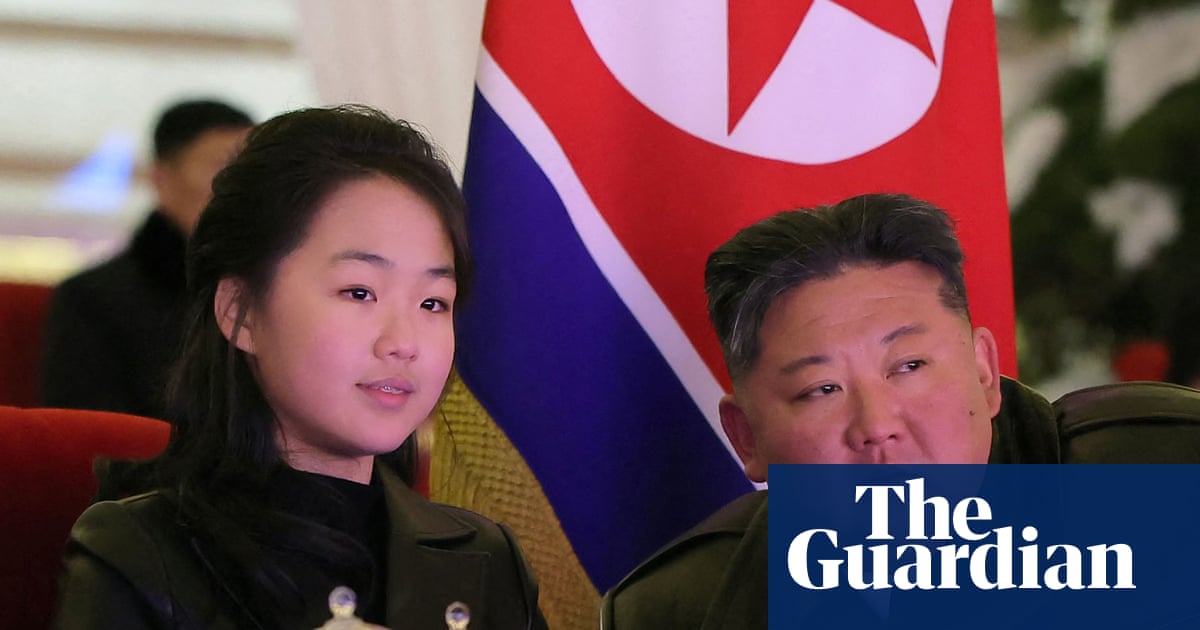
In a development that has sent ripples through international intelligence communities, South Korea’s National Intelligence Service (NIS) has reportedly updated its assessment of North Korea’s leadership trajectory. In a closed-door briefing to lawmakers, the agency indicated that Kim Ju-ae, the teenage daughter of dictator Kim Jong-un, is no longer merely undergoing ‘successor training’ but has reached the ‘successor-designate’ stage. This semantic shift marks a significant pivot in how outside observers view the future of the reclusive nuclear state.
The NIS assessment comes as the Democratic People’s Republic of Korea (DPRK) prepares for its largest political gathering in years: a major Workers’ Party congress scheduled for later this month. Analysts believe this forum may serve as the official platform for Kim Jong-un to codify his daughter’s status while outlining the nation’s policy objectives for the next five years. Should Ju-ae appear alongside her father before thousands of delegates, it would serve as the most definitive public confirmation of her role in the fourth generation of the Kim dynasty.
The Trajectory of the ‘Respected Child’
The rise of Kim Ju-ae has been as rapid as it has been public. First introduced to the world at a long-range missile test in November 2022, she has transitioned from a curious addition to her father’s entourage to a staple of state propaganda. Over the past two years, she has been spotted at a variety of high-stakes events, including weapons tests, factory inspections, and military parades. Perhaps most notably, she accompanied her father to Beijing last September for a summit with Chinese President Xi Jinping, a move the NIS interpreted as an effort to build an international ‘narrative’ around her leadership credentials.
Speculation reached a fever pitch following a New Year’s Day visit to the Kumsusan Palace of the Sun. The mausoleum, which houses the embalmed remains of Kim Il-sung and Kim Jong-il, is considered the most sacred site in the country. By bringing Ju-ae into this inner sanctum, Kim Jong-un signaled her inclusion in the ‘Paektu bloodline,’ the hereditary lineage that has ruled North Korea since its founding in 1948.
Breaking the Patriarchal Glass Ceiling
The prospect of a female leader in North Korea is historically unprecedented. Since its inception, the country has been governed by a staunchly patriarchal system rooted in Confucian traditions and military-first politics. South Korean officials were initially skeptical that a daughter could bypass male heirs, especially given reports that Kim Jong-un may have an older son. However, the sheer frequency and prestige of Ju-ae’s public appearances have forced a reassessment of these traditional assumptions.
Lee Seong-kweun, a South Korean lawmaker, noted that the NIS shift in terminology is based on evidence that Kim Jong-un is already seeking his daughter’s input on specific policy matters. ‘In the past, she was a symbol,’ Lee suggested. ‘Now, she appears to be an apprentice in the actual machinery of the state.’ This early grooming may be a direct response to Kim Jong-un’s own experiences; he was thrust into power at age 26 with little preparation following his father’s sudden stroke and subsequent death.
Geopolitical Implications and the Path Ahead
As the 42-year-old Kim Jong-un moves to secure his legacy, the international community remains wary. The designation of a successor at such a young age—Ju-ae is believed to be approximately 13 years old—suggests that Kim is prioritizing long-term stability and dynastic continuity over any potential for democratic reform. For the United States, South Korea, and Japan, a designated successor means the ‘North Korea problem’ will likely persist for decades to come, anchored by the same family that has consistently prioritized nuclear development over diplomatic normalization.
While the name ‘Kim Ju-ae’ has never been officially published by North Korean media—which refers to her only as the ‘beloved’ or ‘respected’ child—her identity has become an open secret globally. As the upcoming party congress approaches, all eyes will be on the podium in Pyongyang to see if the teenage heir is finally presented as the future face of the world’s most secretive regime.

WORLD
Tensions Surge as US Strikes Iranian Targets Amid High-Stakes Nuclear Negotiations
US military strikes Iranian drones in the Strait of Hormuz as President Trump balances military pressure with nuclear negotiations ahead of the midterms.
Escalation in the Strait of Hormuz
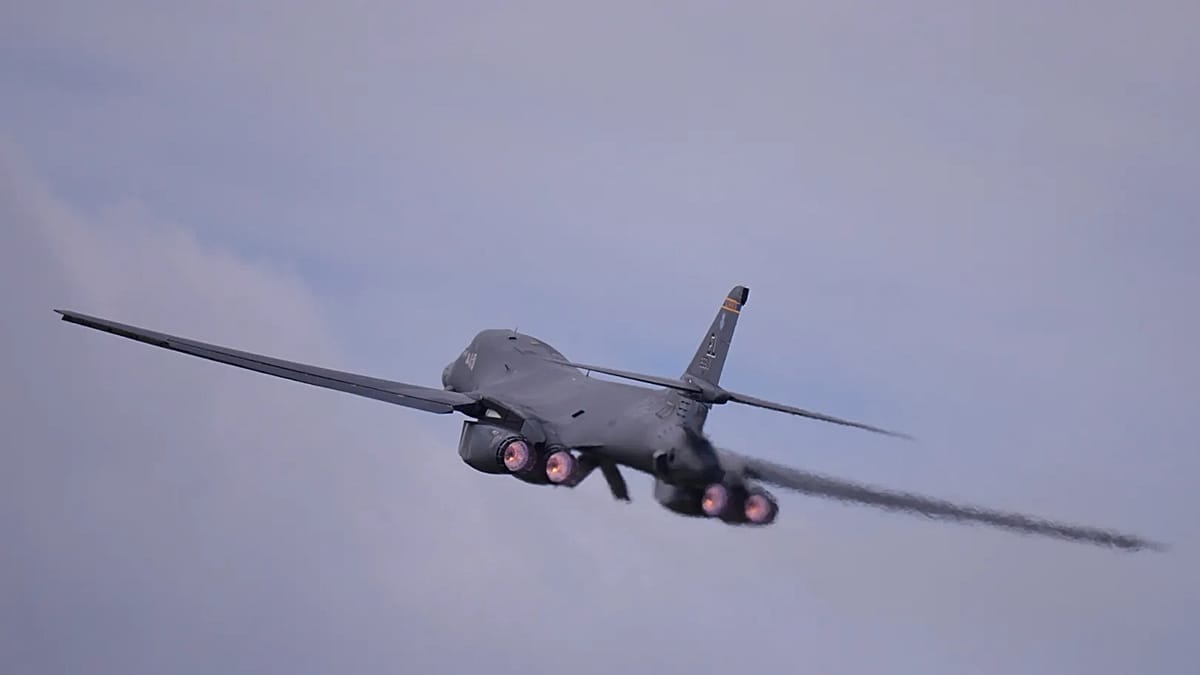
The United States military conducted a series of strategic “defensive strikes” against Iranian targets late Wednesday, marking the second such operation within a three-day window. According to US Central Command (Centcom), the mission successfully neutralized four Iranian one-way attack drones identified as immediate threats near the Strait of Hormuz. Additionally, US forces targeted and destroyed a ground control station in Bandar Abbas that was reportedly preparing to launch a fifth drone.
Trump Signals Pressure as Diplomacy Falters
The military action comes at a precarious moment for the White House. President Donald Trump, speaking during a Cabinet meeting on Wednesday, asserted that Tehran is currently “negotiating on fumes.” While expressing a cautious optimism that a settlement could be reached to end the three-month-old conflict, Trump warned that the United States is prepared to “finish the job” should diplomatic efforts collapse. The President’s rhetoric highlights a dual-track strategy of military deterrence and diplomatic engagement as the administration seeks to reopen the vital shipping lanes of the Strait of Hormuz.
The Nuclear Stumbling Block
At the heart of the ongoing negotiations is Iran’s significant stockpile of highly enriched uranium. International Atomic Energy Agency (IAEA) reports indicate that Tehran possesses over 440 kilograms of uranium enriched to 60% purity—dangerously close to the 90% threshold required for weapons-grade material. While the proposed deal suggests Iran relinquish this stockpile in exchange for sanctions relief, a major point of contention remains where the material would be sent. President Trump explicitly stated he would not be comfortable with Russia or China taking possession of the uranium, despite their status as the most viable third-party candidates.
Political Stakes and Global Impact
As the November midterm elections approach, the Trump administration faces mounting pressure to deliver a foreign policy victory that could stabilize global fuel prices and domestic economic concerns. Analysts suggest the President is eager to declare a reduction in Iran’s nuclear capabilities to justify ending a politically divisive war. However, critics within his own party fear that a rushed settlement might leave Iranian leadership battered but ultimately emboldened. With Tehran demanding a cessation of Israeli operations against Hezbollah as part of the package, the path to a durable peace remains fraught with geopolitical complexities.
Africa
Deadly Bundibugyo Outbreak in Congo Outpacing Global Response as Deaths Surge
The DRC’s Ebola Bundibugyo outbreak is outpacing global efforts with 220 dead. Lack of vaccines, funding cuts, and conflict create a perfect storm for catastrophe.
A Race Against Time in Ituri
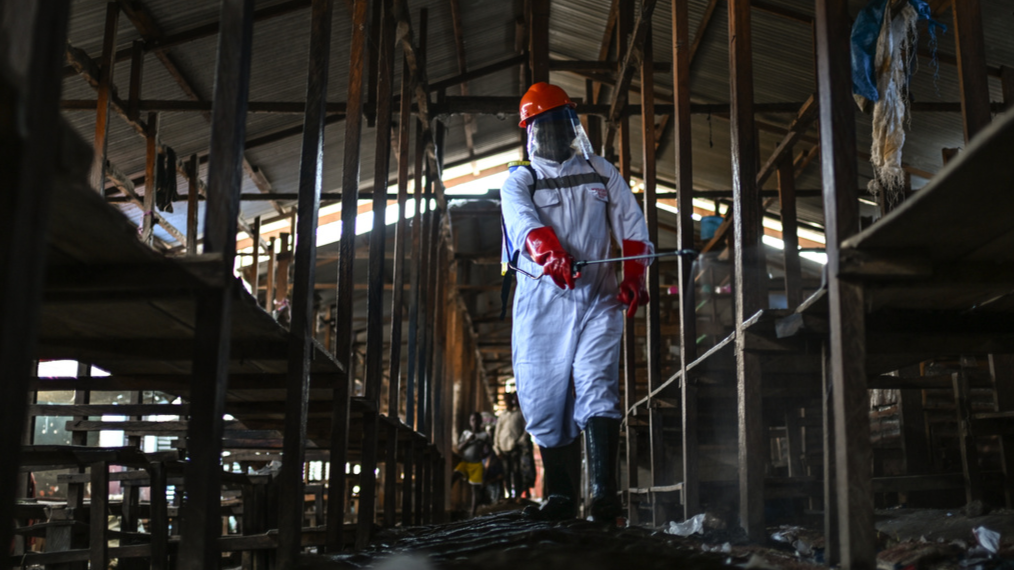
The Democratic Republic of Congo is facing a catastrophic escalation in its latest Ebola outbreak, as health officials warn that the virus is spreading at a \”breakneck speed\” that has already overwhelmed international response efforts. Centered in the volatile Ituri province, the outbreak involves the rare Bundibugyo strain—a variant for which there is currently no approved vaccine or effective medical treatment. According to the World Health Organization (WHO), the crisis has already claimed an estimated 220 lives out of 900 suspected cases, with the virus now confirmed to have crossed the border into neighboring Uganda.
The Critical Gap in Contact Tracing
Leaked documents from a high-level coordination meeting between the WHO and the Africa Centres for Disease Control and Prevention (Africa CDC) reveal a terrifying reality: the response is weeks behind the virus’s trajectory. As of last week, only 7 percent of the over 1,200 identified contacts of suspected patients had been tracked. That number of potential exposures has since risen to more than 2,000, yet the majority remain unmonitored. Experts point out that the virus circulated undetected for six weeks before the first official report, giving it a massive head start in a region already destabilized by conflict.
A Perfect Storm of Funding and Fear
The global health response is struggling under the weight of several systemic failures. The withdrawal of the United States from the WHO and significant cuts to international aid have left a leadership vacuum and a shortage of essential resources, from fuel for transport vehicles to specialized diagnostic tests. Locally, health workers face violent resistance; hospitals have been attacked and isolation units burned by communities wary of outside intervention. This mistrust, coupled with the absence of modern vaccines, has forced medical teams like Mdecins Sans Frontires to return to the \”basics\” of containment used decades ago.
Lessons from the Past
Comparison to the devastating 2014-2016 West African epidemic is inevitable. Epidemiologists warn that unless funding and personnel increase immediately, the current situation in the DRC could mirror the tragedy of the past, where fear led families to hide the sick, further fueling the contagion. With healthcare workers already among the casualties, every day without a fully resourced response allows the virus to claim more ground in one of the world’s most vulnerable regions.
Health
The Strategic Edge: Why Sleep Is the Executive’s Most Underutilized Asset
Discover why top executives are prioritizing sleep as a strategic tool for better decision-making, cognitive performance, and long-term brain health.
The Biological Cost of High-Performance Leadership
In the high-stakes world of corporate leadership, sleep is often viewed as a luxury or a sign of weakness. However, emerging research and insights from experts like Dr. Matthew Walker, author of Why We Sleep, suggest that sleep is actually the most effective daily reset available to the human brain. While many executives believe they can function on four to six hours of rest, the biological reality is far more demanding. Less than 1% of the population carries the rare DEC2 genetic variant that allows for true high-level performance on minimal rest; for everyone else, sleep deprivation is a direct tax on cognitive output.
The Glymphatic System: Your Brain’s Nightly Waste Removal
One of the most critical functions of sleep occurs through the glymphatic system, a waste-clearance mechanism that operates at ten times its normal capacity during deep sleep. During this period, the brain is flooded with cerebrospinal fluid to flush out toxic metabolic byproducts, such as amyloid-beta, which has been linked to Alzheimer’s disease. For a CEO, operating on five hours of sleep means entering critical board meetings or negotiations with yesterday’s neural waste still cluttering their cognitive processors. This disruption directly suppresses brain networks governing memory, focus, and emotional intelligence.
The Paradox of Self-Assessment
A significant risk for leaders is the sleep paradox: the more sleep-deprived an individual becomes, the less accurately they can judge their own level of impairment. A landmark study published in the journal Sleep found that individuals restricted to six hours of rest for two weeks developed cognitive deficits equivalent to two full nights of total sleep deprivation. Remarkably, these participants reported feeling only slightly tired, demonstrating a dangerous disconnect between subjective feeling and objective performance. This lack of self-awareness can lead to poor hiring decisions and flawed capital allocation.
Sleep as a Strategic Tool
Modern titans of industry, such as Jeff Bezos, have famously prioritized eight hours of sleep to preserve the cognitive state required for high-leverage decision-making. During slow-wave sleep, the brain consolidates information and extracts patterns from complex data sets, allowing leaders to find connections that others miss. Ultimately, the difference between a good decision and a trajectory-shifting great one is often found in the quality of the leader’s rest. For today’s executive, sleep isn’t just maintenance; it is a competitive advantage.
Tensions Surge as US Strikes Iranian Targets Amid High-Stakes Nuclear Negotiations
Deadly Bundibugyo Outbreak in Congo Outpacing Global Response as Deaths Surge
CFL Scores Historic $500 Million Media Rights Deal with Bell Media, DAZN, and YouTube
UBC Dementia Research Receives $500,000 Boost for Revolutionary Blood-Based Testing
The Strategic Edge: Why Sleep Is the Executive’s Most Underutilized Asset
A Geopolitical Shift: Canada and Germany Strike Landmark 20-Year LNG Export Deal

Opinion: John Rustad Has to Go

B.C. Supreme Court Grants Cowichan Tribes Title to Historic Richmond Lands and Fishing Rights

Vancouver Canucks Gear Up for a Make-or-Break 2025–26 Season

Kamloops Blazers Announce Off-Season Changes Ahead of 2025–26 Season

BC Ferries Sparks Outcry Over Contract with Chinese Shipyard

A Taste of Autumn: Fall Okanagan Wine Festival 2025
-
National News5 days ago
Confusion and Skepticism Mount Over Alberta’s Separation Referendum
-
Finance4 days ago
Oil Prices Pivot as U.S. Strikes in Iran Dampen Hopes for Diplomatic Breakthrough
-
Alberta News6 days ago
Elections Alberta Alleges Key Organizer Refuses Cooperation in Massive Voter Data Misuse Probe
-
Global Economy6 days ago
Strategic Patience: Trump Advises Negotiators Against Rushed Iran Agreement
-
Religion5 days ago
The Vatican’s Digital Crusade: Pope Leo XIV Issues Landmark AI Encyclical Warning Against ‘Opaque Algorithms’
-
Canadian News4 days ago
New National Study Reveals Hormonal Shifts Are Reshaping Identity for Majority of Canadian Women
-
Entertainment6 days ago
Gold Rush in Vegas: Golden Knights Unveil Massive Activations for Western Conference Final Games 3 and 4
-

 OPINIONS5 days ago
Canada—and British Columbia especially—feels like it’s standing at a crossroads