LOCAL
Eyes in Your Ears: How Apple’s Upcoming AirPods Pro with IR Cameras Will Change Everything
Apple’s next AirPods Pro are rumored to feature IR cameras for Visual Intelligence and Spatial Audio. Discover how these sensors will transform Apple’s wearables.


A New Era for Personal Audio
For years, the evolution of the Apple AirPods Pro has been defined by incremental improvements in active noise cancellation, battery life, and acoustic transparency. However, a new wave of industry reports suggests that Apple is preparing for a radical shift in how we perceive and interact with its most popular wearable. The upcoming generation of AirPods Pro, widely expected to debut as early as this year, is rumored to feature integrated infrared (IR) cameras, transforming the earbuds from mere audio drivers into sophisticated sensory tools for the era of artificial intelligence.
The Leak: ‘Next AirPods Pro Can See Around You’
The buzz surrounding these hardware changes intensified recently when noted leaker Kosutami shared a brief but provocative post on X (formerly Twitter). The post claimed that the next iteration of the AirPods Pro would be able to “see around you,” effectively confirming that imaging sensors are the primary hardware focus for the next update. While Apple has historically maintained a three-year refresh cycle for the Pro lineup, these rumors suggest the company may be moving faster to align its hardware with its aggressive rollout of Apple Intelligence.
Understanding the Technology: IR Cameras vs. Traditional Lenses
It is important to note that these are not standard video cameras designed to capture photos or 4K video. Instead, according to veteran analyst Ming-Chi Kuo, Apple is opting for infrared camera modules. This technology is more akin to the Face ID hardware found on the iPhone than a traditional camera. By using multiple light sources to map depth and distance, these sensors allow the device to build a mathematical model of the user’s environment.
This hardware implementation serves several purposes. Primarily, it is designed to enhance the Spatial Audio experience, particularly when used in conjunction with the Apple Vision Pro. By mapping the room in real-time, the AirPods can calibrate audio reflections and positioning with surgical precision, ensuring that sound remains anchored in the physical world even as the user moves.
The Visual Intelligence Connection
Beyond audio, the addition of IR sensors acts as a data pipeline for ‘Visual Intelligence,’ a feature Apple CEO Tim Cook has recently touted as a cornerstone of the company’s AI future. While the iPhone 16 uses its primary camera for visual search and object identification, the AirPods Pro could provide a constant, low-power stream of environmental data. This would allow the Apple Intelligence ecosystem to understand the context of where a user is and what they are looking at without the user ever needing to take their phone out of their pocket.
Design Consistency and Pricing Strategy
Despite the high-tech internal upgrades, reports suggest that Apple will maintain the external aesthetic of the current AirPods Pro. The goal appears to be a seamless integration of the sensors into the existing white stems. There is significant debate regarding the price point; while some leakers suggest Apple will keep the current pricing, others point to the recent AirPods 4 launch as a potential template. Apple may offer a two-tier Pro lineup: a standard high-fidelity model and a premium ‘Vision-Ready’ model featuring the new IR camera array.
Looking Toward the Horizon
While Apple typically reserves its major hardware announcements for its annual September iPhone event, the rapid development of its AI software suite could move the timeline forward. Whether these new AirPods arrive in late 2024 or early 2025, they represent a significant step in Apple’s quest to dominate the ‘ambient computing’ market. By putting ‘eyes’ in our ears, Apple is not just changing how we listen to music—it is changing how our digital assistants see the world we live in.

Environment
Invasive Mosquitoes Carrying Brain-Swelling Virus Detected in B.C. Sea-to-Sky Region
B.C. health officials detect invasive mosquitoes and the California serogroup virus in the Sea-to-Sky region following a cluster of childhood encephalitis cases.

Investigation Sparked by Pediatric Cases
Health officials in British Columbia have confirmed the presence of invasive mosquitoes and a concerning virus capable of causing brain swelling in the Sea-to-Sky corridor north of Vancouver. The investigation was launched by the B.C. Centre for Disease Control (BCCDC) following a cluster of three pediatric encephalitis infections reported in the region in August 2024. Researchers concentrated their efforts between Squamish and Pemberton to identify the source of the rare infections.
California Serogroup Virus Identified
Anya F. Smith, a senior scientist with the BCCDC, stated that researchers discovered two mosquito species testing positive for the California serogroup virus. This group of pathogens is known to cause serious neurological conditions in humans, including encephalitis and meningitis. Among the carriers identified was the northern house mosquito, a species native to Africa, Asia, and Europe that has successfully established itself as an invasive species in British Columbia.
Impact of Climate Change on Disease Transmission
While the detected virus levels were low—preventing the team from confirming a specific strain—the findings are seen as a critical baseline for public health preparedness. Stefan Iwasawa of the BCCDC emphasized that rising temperatures due to climate change are expected to increase human exposure to various mosquito species. Understanding which species are present and what viruses they carry is essential for developing effective prevention and response strategies in a changing environment.
Assessing the Public Risk
Despite the detection, health authorities including Vancouver Coastal Health and the University of B.C. maintain that the current risk of serious illness remains low. Historical data shows only 15 known cases of California serogroup virus in B.C. between 2009 and 2024, with no new cases reported in the Sea-to-Sky corridor so far in 2025. Officials continue to monitor the situation while advising the public to take standard precautions against mosquito bites during the warmer months.
LOCAL
UBC Dementia Research Receives $500,000 Boost for Revolutionary Blood-Based Testing
The Cowell Foundation invests $500,000 in CLEAR Foundation to fund UBC’s groundbreaking biomarker research and blood-based dementia testing.
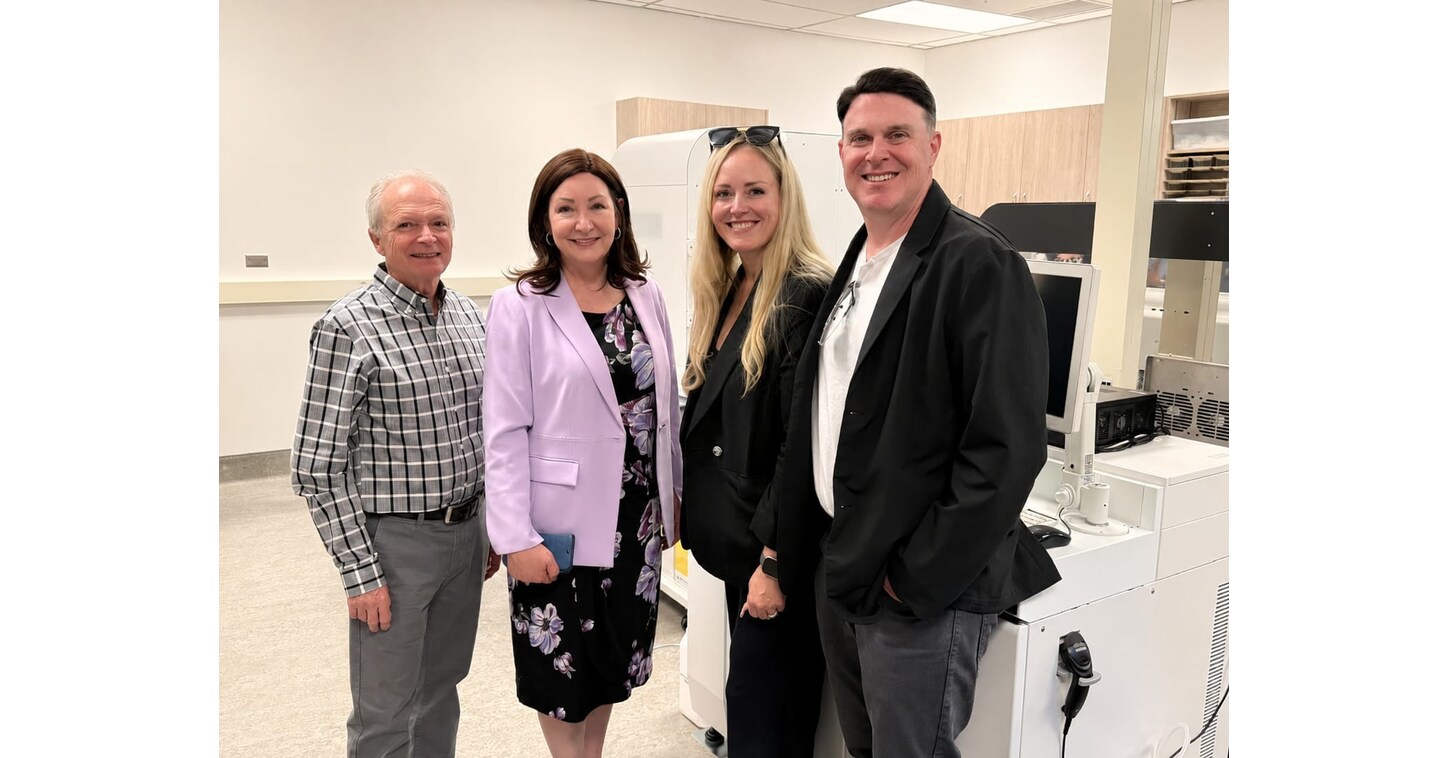
Transforming Dementia Diagnosis at UBC
The landscape of Alzheimer’s research in British Columbia has received a significant boost following a $500,000 investment from The Cowell Foundation. This visionary gift, directed to the CLEAR (Canadians for Leading Edge Alzheimer Research) Foundation, is set to accelerate the development of biomarker-based detection methods at the University of British Columbia’s newly inaugurated Core Facility for Neurology Biomarker Innovation (CFNBI).
Located within the UBC Hospital, the CFNBI represents a critical step forward in neurological science. Under the leadership of Dr. Cheryl Wellington, a Professor in the Department of Pathology and Laboratory Medicine, the facility is focused on a transformative goal: replacing expensive neuroimaging and invasive lumbar punctures with simple, accessible blood tests. These tests detect protein biomarkers that reflect real-time biological changes in the brain, offering a window into the progression of dementia long before traditional symptoms may surface.
Investing in Talent and Technology
The four-year commitment from The Cowell Foundation will be split between two primary initiatives. First, an Operating Grant will provide critical resources to established dementia researchers in British Columbia. Second, a Research Trainee Award will fund the development of the next generation of scientific talent, ensuring that the province remains at the forefront of global medical innovation.
Dr. Wellington’s team has already established a formidable track record, boasting over 50 publications and more than 70 managed projects. Their collaborative network of 140 experts has already attracted upwards of $75 million in funding, but this new investment specifically targets the practical application of biomarker technology to make diagnosis more equitable and timely for patients throughout the region.
The Growing Urgency of Dementia Research
The timing of this investment is critical. Currently, more than 770,000 Canadians are living with some form of dementia, and projections suggest this figure will nearly double by 2050. As the population ages, the demand for early and accurate diagnosis becomes a matter of public health necessity. Early detection is widely considered the key to effective intervention and, eventually, a cure.
In a statement, the Cowell family emphasized the personal nature of their contribution, noting the profound impact the disease has on families and caregivers. By funding the CLEAR Foundation—which directs 100% of public donations toward research—this gift ensures that the path toward a future free from dementia remains a top priority for Canadian science.
Environment
Montreal Hits Record High for Lyme Disease as Island Becomes Official Risk Zone
Montreal records record 161 Lyme disease cases in 2025. With 38% of infections occurring locally, health officials warn of climate-driven tick expansion.

Lyme Disease Surge Linked to Climate Change and Local Exposure
Montreal public health officials have confirmed that the city reached an unprecedented milestone in 2025, recording its highest number of Lyme disease cases to date. A total of 161 cases were documented in the agency’s latest annual report, marking a significant increase from the 113 cases reported just one year prior. Most notably, nearly 38 per cent of these infections—61 cases—are believed to have occurred directly on the island of Montreal, reinforcing the city’s status as an endemic zone for the black-legged ticks that carry the bacteria.
Dr. Nicolas Sheppard-Jones, medical lead for infectious disease public health emergencies, noted that the rise is not unexpected given the northward migration of tick populations. Health experts point to climate change as a primary driver, as warming temperatures create more hospitable environments for ticks to thrive in urban gardens and parks. Previously, most cases seen in Montreal were imported from Ontario or the United States, but local transmission has now become the dominant trend.
Demographics and Hospitalization Risks
The 2025 data reveals that older adults are particularly vulnerable, with Montrealers aged 50 to 69 accounting for the largest share of infections. Children are not exempt, however, with 22 cases recorded in the 0-14 age bracket. While Lyme disease is often treated effectively with antibiotics, roughly six per cent of patients required hospitalization due to severe complications affecting the heart, joints, and neurological systems.
Interestingly, many patients were unaware they had been bitten; only 14 per cent reported seeing a tick on their skin. Activities as common as gardening and yard maintenance were cited by 39 per cent of those infected locally, highlighting that the risk extends beyond deep-forest hiking into residential backyards.
Prevention and Immediate Action
Public health officials are urging residents to adopt new habits to mitigate risk. Recommendations include wearing long clothing, using approved tick repellents, and staying on marked paths during outdoor activities. Experts emphasize the importance of a ‘tick check’ and showering within two hours of returning home to remove unattached ticks. If a bite is discovered, the tick should be removed carefully with tweezers without crushing the abdomen, and the incident should be reported via 811 to determine if preventative antibiotics are necessary.
Vancouver Canucks Appoint Manny Malhotra as Head Coach Amid Massive Front Office Overhaul
Canada-U.S. Trade Tension Escalates as Trump Renews ’51st State’ Rhetoric
Ottawa Unveils $10 Billion Infrastructure Windfall for Quebec Transit and Health Care
Actor Nick Pasqual Sentenced to 32 Years to Life Following Brutal Stabbing of Former Partner
Invasive Mosquitoes Carrying Brain-Swelling Virus Detected in B.C. Sea-to-Sky Region
Canada Secures Decisive 2-0 Victory Over Uzbekistan as World Cup Fever Hits Edmonton

Opinion: John Rustad Has to Go

B.C. Supreme Court Grants Cowichan Tribes Title to Historic Richmond Lands and Fishing Rights

Vancouver Canucks Gear Up for a Make-or-Break 2025–26 Season

Kamloops Blazers Announce Off-Season Changes Ahead of 2025–26 Season

BC Ferries Sparks Outcry Over Contract with Chinese Shipyard

A Taste of Autumn: Fall Okanagan Wine Festival 2025
-
Health7 days ago
The Strategic Edge: Why Sleep Is the Executive’s Most Underutilized Asset
-
Hockey7 days ago
History in the Making: John Tortorella Chases Rare Mid-Season Coaching Milestone with Vegas
-
Alberta7 days ago
Internal Rift Erupts as Alberta Premier Clashes with Party President Over Separatism
-
energy7 days ago
A Geopolitical Shift: Canada and Germany Strike Landmark 20-Year LNG Export Deal
-
business6 days ago
CFL Scores Historic $500 Million Media Rights Deal with Bell Media, DAZN, and YouTube
-
LOCAL6 days ago
UBC Dementia Research Receives $500,000 Boost for Revolutionary Blood-Based Testing
-
Africa6 days ago
Deadly Bundibugyo Outbreak in Congo Outpacing Global Response as Deaths Surge
-
WORLD6 days ago
Tensions Surge as US Strikes Iranian Targets Amid High-Stakes Nuclear Negotiations