Canada Stories
Invisible Threats: Experts Warn of Early and Expanding Tick Season Across Canada
Health experts warn of an early and dangerous tick season in Canada. Learn about Lyme disease, emerging pathogens, and the importance of daily tick checks.


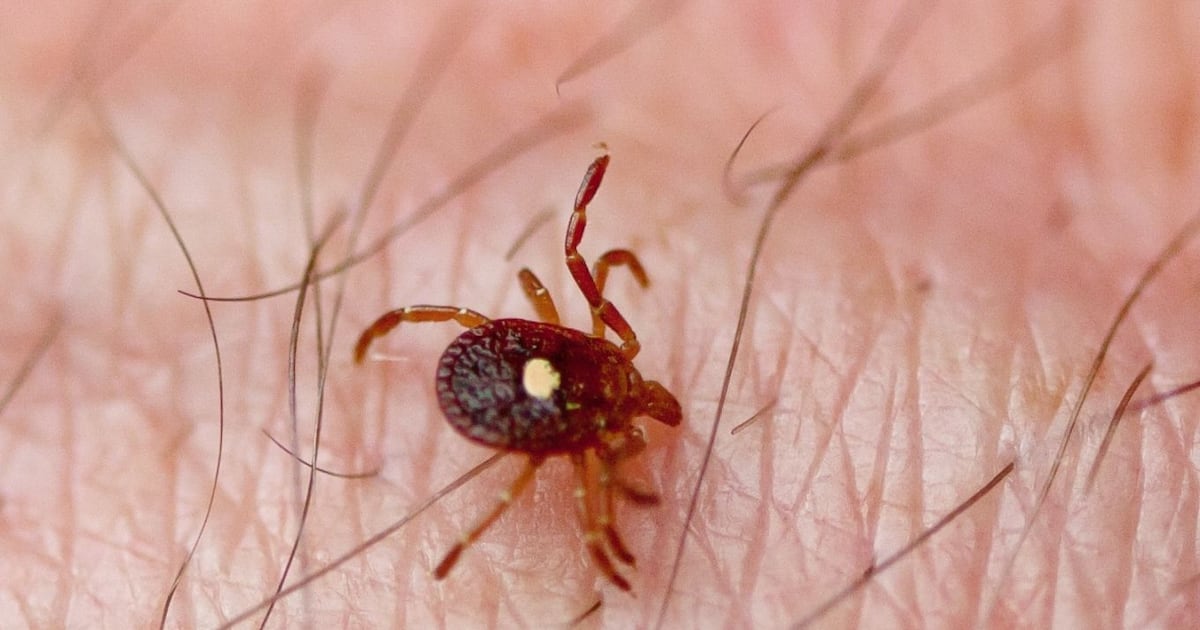
As the Canadian landscape thaws and residents head outdoors to enjoy the spring weather, health experts and advocates are issuing a stark warning: tick season has arrived early, and the risks are more significant than ever. With shifting climate patterns and a particularly insulating winter, the tiny arachnids are emerging in greater numbers, carrying a variety of debilitating pathogens.
A Life Altered by Tick-Borne Illness
For Donna Lugar of Nova Scotia, the danger of ticks is not theoretical. Diagnosed with a tick-borne illness 14 years ago, Lugar describes a harrowing experience that left her bedridden with over 40 distinct symptoms, including extreme light sensitivity. Today, she serves as a vocal advocate, urging Canadians to integrate tick checks into their daily routines. “You have to be careful,” Lugar warns, noting that the threat is no longer confined to specific summer months but can persist year-round depending on climate fluctuations.
The Biology of a Bite
The primary concern for Canadians is the black-legged tick. According to Vett Lloyd, a biology professor at Mount Allison University, these parasites are efficient vectors for disease. When a tick bites, it injects saliva containing a cocktail of microbes, bacteria, and viruses scavenged from local wildlife directly into the host’s bloodstream. Lloyd explains that this year’s population surge is partly due to heavy winter snowfall, which acted as an insulating blanket, protecting the ticks in the upper soil layers from freezing temperatures during the harshest months.
Beyond Lyme Disease: Emerging Pathogens
While Lyme disease remains the most prevalent tick-transmitted illness in Canada, infectious disease specialists like Dr. Isaac Bogoch are tracking other emerging threats. Infections such as Anaplasmosis, Babesiosis, and even Rocky Mountain Spotted Fever are appearing in regions where they were previously rare, including parts of southern Ontario. Symptoms can be severe and diverse, ranging from chronic fatigue and joint inflammation to nerve pain and facial paralysis. Experts emphasize that while these conditions are treatable, early detection and prevention through diligent tick checks remain the best defense against long-term health complications as these insects become a permanent fixture of the Canadian wilderness.