LOCAL
Kelowna’s Condo Market Flooded as Short-Term Rentals Dry Up


Kelowna’s condominium market is facing a sharp oversupply as provincial restrictions on short-term rentals reshape the city’s housing landscape. Rules introduced in 2024 now limit short-term rentals to an owner’s principal residence, cutting off a lucrative stream of income for many investors. In response, condo owners who once relied on seasonal tourism demand are flooding the market with listings, with some sellers reporting months without a single inquiry.
The shift is clearly reflected in market data. In August 2025, condo sales rose by more than 31% year-over-year, yet the median price slipped to $420,000—down nearly 4% from the previous month and 2.3% compared to last year. At the same time, active listings surged by nearly 20%, leaving buyers with more options and giving them stronger negotiating leverage. The result is a market that favors purchasers while placing downward pressure on prices.
Beyond housing statistics, the new rental rules are rippling through Kelowna’s broader economy. Tourism operators and small businesses have noticed a quieter summer season, citing fewer visitors and less short-term accommodation available. Critics argue that the policies risk dampening Kelowna’s appeal as a travel destination, while supporters say the measures are vital to free up housing stock for residents. For now, the city’s condo market stands at the intersection of housing policy and tourism economics—with no clear resolution in sight.
Why It Matters
- Housing access: The policy aims to free up rental units for long-term residents in a tight housing market.
- Tourism trade-off: Fewer short-term rentals may reduce accommodation options for visitors and hurt local businesses.
Market shift: Buyers now hold leverage, with high inventory and lower prices reshaping Kelowna’s condo landscape.








COMMUNITY
Why Okanagan Pet Owners Turned to Free BC SPCA Clinics After Wildfire Season
The BC SPCA provided free microchips to 123 pets in Kamloops, Kelowna, and Penticton to aid family reunions following summer wildfire separations.


Free Microchip Events Address Summer Separation Risks
A total of 123 pets were implanted with identification devices during recent free BC SPCA clinics hosted in Kamloops, Kelowna, and Penticton. The society launched the initiative to help ensure families can be reunited with lost animals, following an overwhelming turnout from local residents.
Kahlee Demers, senior manager of animal triage and flow, noted that recent natural disasters highlighted the need for permanent identification. “We saw countless pets and families affected by wildfires this summer, and many of them were tragically separated from their pets,” Demers said. “It becomes challenging to identify and reunite pets if they don’t have ID, so our goal with these clinics was to help alleviate any future potential stress and offer free microchips for pet owners.”
Comparing Pet Identification Methods
The microchipping procedure involves injecting a tiny device between the animal’s shoulder blades at the small of the neck. According to the SPCA, most animals show no reaction to the quick injection, and the service was open to rabbits, kittens, cats, puppies, and dogs.
Demers explained that microchips provide a more dependable form of identification than traditional alternatives. “Tattoos can fade over time and tattoo registry records can be outdated or lost. ID tags or collars are great indicating that an animal has a home, but they can fall off or be removed,” Demers said. “With microchips, as long as the pet guardian’s contact information is up to date, any vet or animal shelter can scan for a chip and identify the pet’s family.”
Community Response Reflects Fire Concerns
The recent wildfire threat directly influenced attendees. One local pet parent who brought in her dog acknowledged that emergency risks were not initially on her mind. “We weren’t thinking about wildfires or floods or anything like that when we got her,” she said, “but with the Summerland fire last month, I’m really glad we’re getting it done now, because you just never know.”
LOCAL
Summerland Transitions Remaining Properties to Prohibit-Entry Orders as Wildfire Evacuations End
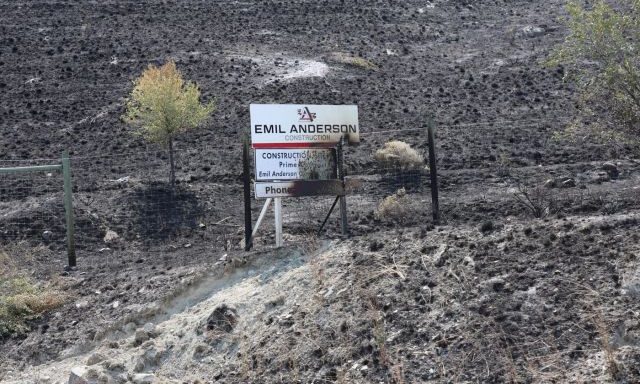
Summerland rescinds all wildfire evacuation orders nearly two months after the Bald Range blaze, moving affected properties to prohibit-entry status.
District Moves to Prohibit-Entry Orders
Nearly two months after the Bald Range wildfire swept through the region, the District of Summerland has officially rescinded every remaining evacuation order. Properties that were previously under evacuation orders have now been moved to a prohibit-entry status, according to local officials.
Recovery Work and Restricted Access
The restricted zone includes roughly 30 properties, with entry limited strictly to authorized personnel. District officials stated in a release that post-wildfire hazard assessments are currently underway, and keeping access restricted is necessary to guarantee that recovery efforts proceed in a safe and efficient manner.
Impact of the August Blaze
The fast-moving wildfire began on the evening of Aug. 7, resulting in the evacuation of thousands of people from Summerland and neighboring areas. Approximately 150 structures were either damaged or destroyed by the blaze. During the evacuations, an 80-year-old woman in nearby Meadow Valley died, with police confirming her death was a result of the wildfire.
LOCAL
What LNG Canada’s Phase 2 Expansion Means for BC Energy and Jobs
LNG Canada approves its $33-billion Phase 2 expansion in Kitimat, B.C., doubling export capacity to 28 million tonnes and adding up to 4,000 jobs.
Kitimat Expansion to Double Natural Gas Exports
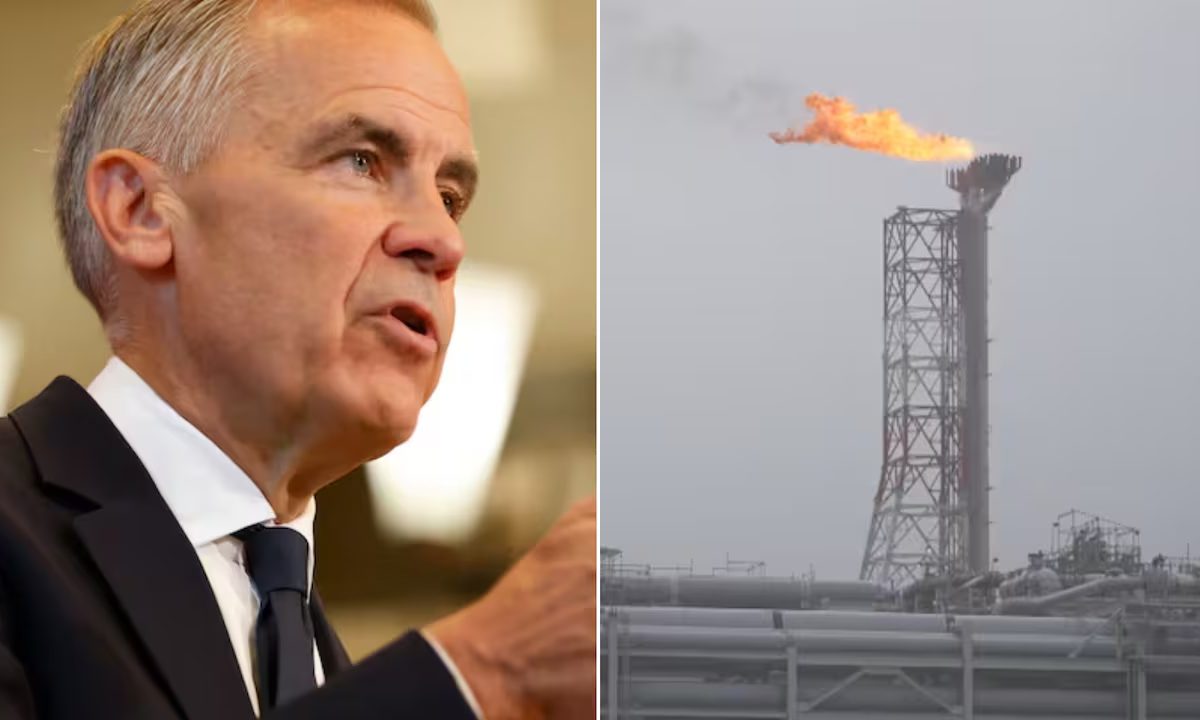
A multibillion-dollar expansion at the LNG Canada facility in Kitimat, B.C., is moving forward. CEO Chris Cooper confirmed Tuesday that Phase 2 will proceed, a step expected to double export capacity from 14 million to 28 million tonnes per year. LNG Canada—a joint venture between Shell, Petronas, PetroChina, Mitsubishi Corporation, and Korea Gas Corp.—shipped its initial cargo to Asian markets last year.
Economic Impact and Political Reactions
Prime Minister Mark Carney stated in Vancouver that the private sector investment of roughly $33 billion will transform the project into the second-largest facility of its type globally. He noted the expansion will generate up to 4,000 jobs in Kitimat during peak construction and bring billions to the national economy by linking low-cost Canadian energy overseas.
Skeena-Bulkley Valley Conservative MP Ellis Ross credited Indigenous leaders for establishing the industry, dismissing praise for politicians as “a nothingburger.” He noted past opposition from provincial politicians before the project was realized.
Pipeline Upgrades and Environmental Debates
To support the added capacity, LNG Canada is collaborating with Coastal GasLink to construct five new compressor stations along the existing 670-kilometre pipeline in northern B.C. The line crosses territory where Wet’suwet’en hereditary chiefs and supporters previously mounted opposition that resulted in arrests and protests.
The expansion has drawn criticism from environmentalists, who warn that rapid growth in hydraulic fracturing increases emissions during a climate crisis. Hydraulic fracturing in B.C. and Alberta has also been associated with rising earthquake activity in the Peace River region. Critics cite a federal report predicting a 5 C warmer future for Canada, leading to severe droughts and glacier loss. Meanwhile, the B.C. Greens have called for a moratorium on LNG projects, contrasting with the B.C. NDP and B.C. Conservatives, who both support expanding production ahead of the provincial election.

What the City of Vernon’s Decision to Cut Ties Means for Historic O’Keefe Ranch

Police Request Public Help After Fatal Highway 93 Crash Kills Local Resident

Why an Attempted Cannabis Smuggling Trip to London Led to Jail Time for an Ontario Man

Why Okanagan Pet Owners Turned to Free BC SPCA Clinics After Wildfire Season
Your Current 3 Day Forecast — October 6, 2026

BC Lions Hold Off Toronto Argonauts Behind Sean Whyte’s Record Eight Field Goals

Opinion: John Rustad Has to Go

B.C. Supreme Court Grants Cowichan Tribes Title to Historic Richmond Lands and Fishing Rights

Vancouver Canucks Gear Up for a Make-or-Break 2025–26 Season

Kamloops Blazers Announce Off-Season Changes Ahead of 2025–26 Season

BC Ferries Sparks Outcry Over Contract with Chinese Shipyard

A Taste of Autumn: Fall Okanagan Wine Festival 2025
-

 OPINIONS6 days ago
B.C.’s 93-Riding Scramble: Can the Parties Even Find Enough Candidates?
-

 BC STORIES4 days ago
Why OneBC’s Interim Leader Is Proposing an Election Pact With Conservatives
-

 BC STORIES6 days ago
BC Greens Pledge Free Childcare by 2031 and Introduce Victoria-Swan Lake Candidate
-
 NATIONAL STORIES6 days ago
Will they use Chinese Steel over Canadian like Phase One?
-
SPORTS4 days ago
Maple Leafs vs Islanders Result: Easton Cowan Scores in 2-1 Win
-

 NATIONAL STORIES4 days ago
Why NDP Leader Avi Lewis Says the West Coast Pipeline Plan Risks Public Funds
-
SPORTS5 days ago
Why the Edmonton Oilers Will Be Without Ryan Nugent-Hopkins Against Vancouver
-
NATIONAL STORIES5 days ago
Why a Canadian Nationalist Group’s Hidden Recruitment Practices Are Drawing Scrutiny