LOCAL
Navigating the Festive Minefield: The 12 Scams of Christmas and How to Protect Your Holiday Cheer
Stay safe this festive season with our expert guide to the 12 most common Christmas scams. Learn how to identify phishing, charity fraud, and social media schemes to protect your wallet.


The Festive Season’s Dark Side: Navigating the 12 Scams of Christmas
As the winter frost begins to settle and the glow of holiday lights fills the streets, a more sinister transformation takes place in the digital shadows. For cybercriminals and professional fraudsters, the holiday season is not a time for rest, but a peak period of productivity. Recent data from the Federal Bureau of Investigation’s Internet Crime Complaint Center suggests that financial losses during the final quarter of the year often surge by over 20 percent compared to other periods. This spike is driven by a sophisticated array of tactics designed to exploit the urgency, generosity, and occasional distraction that characterize the holiday shopping rush. Understanding these threats is the first step in safeguarding your financial well-being during the most expensive time of the year.
1. The Shipping Notification Deception
With billions of packages crisscrossing the globe, scammers leverage delivery anxiety to steal credentials. Victims receive a text message, often referred to as smishing, claiming a package is held due to an incomplete address or an unpaid customs fee. The link provided leads to a perfectly cloned website of a major courier like FedEx or UPS. Once a user enters their credit card details to pay a nominal redelivery fee, the attackers capture the data for high-value unauthorized purchases. Experts advise always checking the URL and using official apps to track shipments rather than clicking unsolicited links.
2. Social Media Bait-and-Switch Ads
Social media platforms have become a breeding ground for fraudulent retailers. These scammers create short-lived ad campaigns featuring high-demand items, such as the latest gaming consoles or designer apparel, at prices that defy market logic. These ads often lead to ghost stores. After the payment is processed, the store disappears, and the social media account is deleted. In some cases, victims receive a completely unrelated, low-value item to provide a fake tracking number that complicates the credit card dispute process.
3. The Secret Sister Social Media Scam
What appears to be a heartwarming gift exchange on Facebook is actually a mathematical impossibility and a legal liability. The Secret Sister scheme promises that participants will receive up to 36 gifts in exchange for sending one ten dollar item. In reality, this is a classic pyramid scheme. It relies on a constant stream of new recruits, and eventually, the bottom of the pyramid loses their money. Furthermore, the practice requires participants to post their personal home addresses in public forums, opening the door to privacy risks.
4. Exploitative Fake Charities
The spirit of giving is a vulnerability that scammers are quick to exploit. Bogus charities often emerge during the holidays, using names that are subtly different from established organizations. They use high-pressure tactics, often via telephone or unsolicited emails, asking for immediate wire transfers or cryptocurrency donations. Journalistic investigations have shown that almost none of the funds collected by these fake entities ever reach a charitable cause. Always verify a charity via independent watchdogs before donating.
5. The Gift Card Payment Mandate
Gift cards are for gifting, not for paying bills. Scammers posing as IRS agents or utility company representatives will claim that you have an urgent debt. They insist that the only way to resolve the matter and avoid arrest is to purchase gift cards and read the numbers over the phone. This method is preferred by criminals because gift cards are nearly impossible to trace. Legitimate organizations will never demand payment via a retail gift card.
6. Emotional Manipulation: The Grandparent Scam
During the holidays, when family is top of mind, scammers target the elderly with emergency calls. Using voice-cloning AI or high-pressure scripts, they pretend to be a grandchild who has been involved in an accident or arrested while traveling. They beg the victim not to tell other family members and to wire money for bail immediately. This scam plays on deep emotional bonds, often resulting in devastating financial losses for seniors.
7. The Puppy and Pet Scams
The dream of a new pet under the tree is a frequent starting point for fraud. Scammers post listings for non-existent puppies on classified sites. They build rapport with the buyer, sending stolen photos, and then demand payments for specialized climate-controlled shipping or mandatory vaccinations. Once the money is sent via a non-refundable method, the seller vanishes, leaving the family without a pet and without their savings.
8. Malicious Holiday E-Cards
While digital cards are an eco-friendly way to spread cheer, they are often used to deliver malware. Clicking an Open My Card link from an unknown sender can trigger the download of a keylogger, which records every keystroke you make, including bank passwords. Modern malware can sit dormant on a device for months, collecting data before being activated by the hacker during a peak transaction period.
9. Fraudulent Seasonal Job Postings
As retailers scramble for help, scammers post fake remote-work or seasonal positions on legitimate job boards. These listings are designed to harvest personal information. During the onboarding process, victims are asked to provide their Social Security number and bank account details for payroll. In some variations, the employer sends a fake check to purchase home-office equipment, asking the victim to wire the extra funds back to a supplier before the check bounces.
10. Look-alike and Typosquatting Websites
Consumer beware: scammers register domains that are common misspellings of popular brands. These sites are designed to look identical to the real ones. If you do not notice the typo in the URL, you might provide your login credentials and credit card information directly to a criminal database. Always type the URL manually into your browser rather than clicking links in emails.
11. Unsecured Public Wi-Fi Risks
Shoppers often use mall Wi-Fi to compare prices online. However, hackers can set up Evil Twin hotspots with names like Free Mall Wi-Fi. When you connect, they can intercept all data sent from your phone. If you make a purchase while connected, they have your credit card number. It is essential to use a Virtual Private Network or use your cellular data for any financial transactions.
12. The Fake Prize and Unclaimed Credit Pop-ups
As you browse, a window might appear claiming you have won an Amazon gift card or that you have unclaimed loyalty points expiring soon. These pop-ups lead you to a survey site that asks for extensive personal information. At the end, you are asked to pay a small shipping fee for your prize. This is simply another way to capture credit card data and sell your profile to marketing aggregators.
How to Protect Yourself This Season
Vigilance is the most effective tool against holiday fraud. Financial experts recommend using credit cards rather than debit cards for all holiday shopping, as credit cards offer robust federal protections against fraudulent charges. Additionally, enabling multi-factor authentication on all financial accounts adds a critical layer of security. If you suspect you have been targeted, report the incident to the FTC and contact your bank immediately. By staying informed and skeptical, you can ensure that your holiday remains merry and secure.

COMMUNITY
Why Okanagan Residents Are Being Urged to Rethink Water Use and Waste as Droughts Worsen
Climate change and rising temperatures disrupt the Okanagan water cycle, causing severe drought and threatening aquatic ecosystems and salmon populations.
Changing Climate Alters Regional Water Cycle
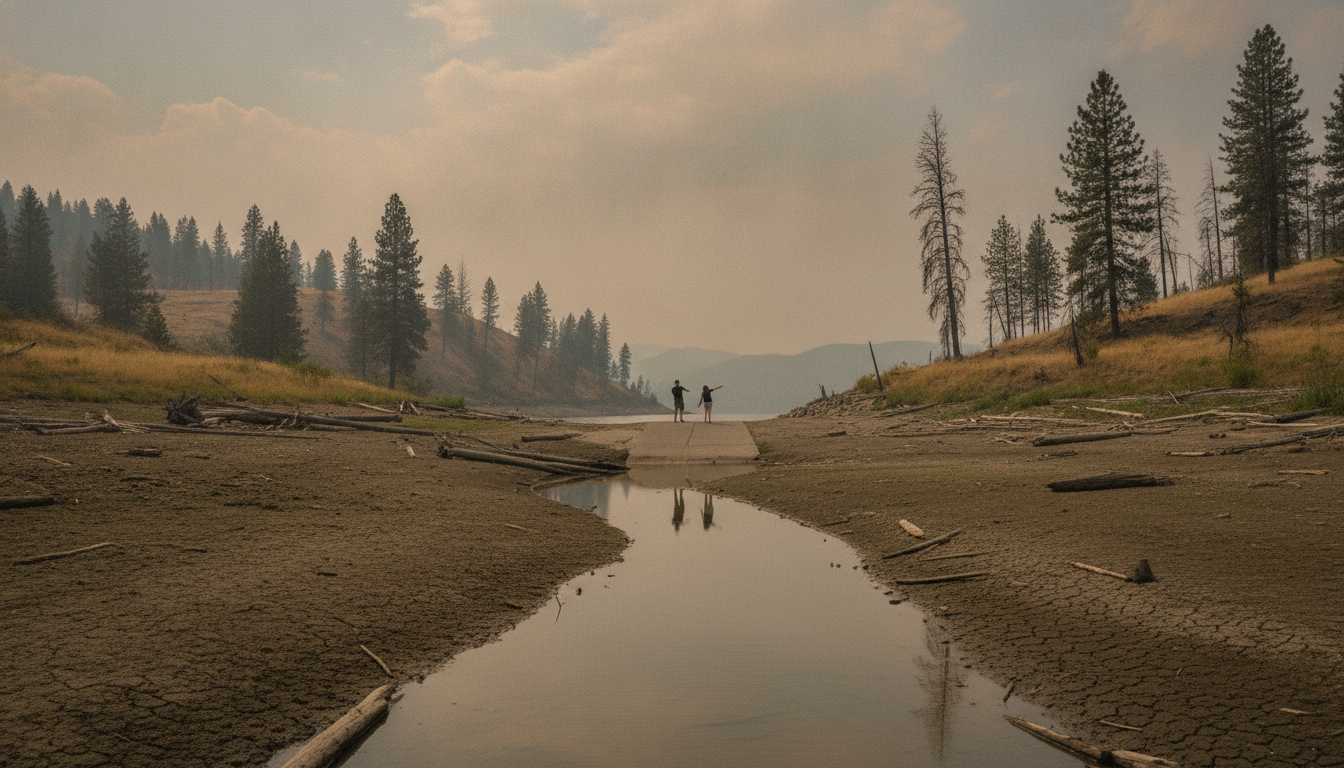
Depleted water levels in the Okanagan are threatening aquatic ecosystems and putting additional stress on local salmon populations. Warmer temperatures and changing climate patterns are leading to smaller amounts of snow and rain, earlier snowmelts, and longer, drier summers across the region. Local water systems face severe drought and potential desertification if withdrawals exceed what nature naturally replenishes each year.
Human Activity and Extreme Weather Patterns
Greenhouse gases—including nitrous oxide from synthetic fertilizers, methane from livestock and decomposing garbage, and emissions from burning fossil fuels—continue to trap atmospheric heat. As air molecules warm up, they move faster and more erratically, creating conditions that drive longer, more severe, and more frequent extreme weather events. While heavy downpours cause flooding in certain regions, escalating heat and prolonged dry spells spark massive wildfires locally.
Reframing Waste and Personal Responsibility
Deteriorating natural environments, wetland destruction, deforestation, and pollution further reduce the capacity of long-established ecosystems to adapt to rapid warming. Addressing these challenges requires shifts in societal attitudes regarding affluence, consumption, and waste. Developing nations and wealthier societies often generate the most pollution and trash, whereas other cultures prioritize reusing materials. Local residents are encouraged to reconsider everyday habits, consume less, and spend time outdoors to better connect with nature.
Local Initiatives Offer Educational Resources
Community members seeking practical ways to reduce their environmental footprint can access regional tools. Resources such as Vernon’s Climate Action Plan at Vernon.ca/climate-action outline municipal initiatives and offer guidance for residents. Additionally, okanaganclimate.ca provides detailed information on how global warming directly affects the Okanagan region.
COMMUNITY
Why Are we Being Urged to Rethink Water Use and Waste as Droughts Worsen
Climate change and rising temperatures disrupt the Okanagan water cycle, causing severe drought and threatening aquatic ecosystems and salmon populations.
Changing Climate Alters Regional Water Cycle
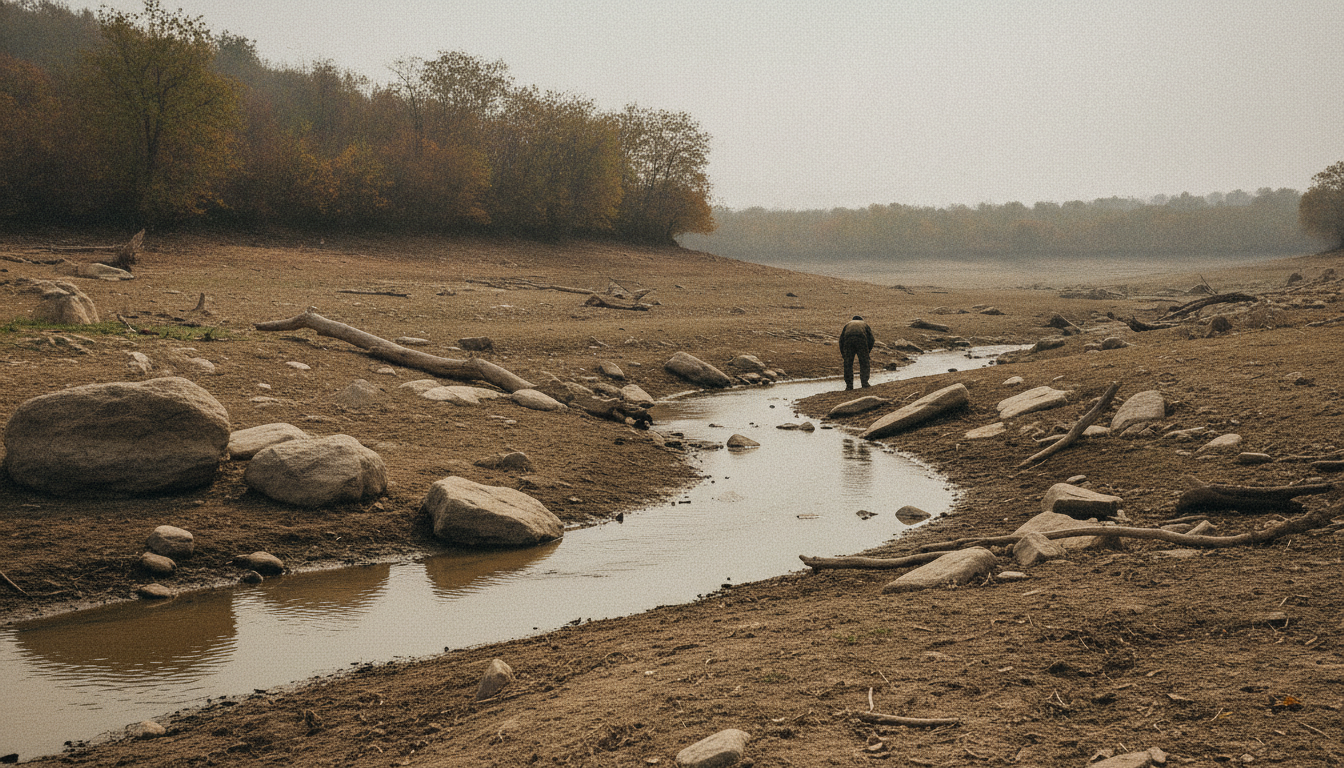
Depleted water levels in the Okanagan are threatening aquatic ecosystems and putting additional stress on local salmon populations. Warmer temperatures and changing climate patterns are leading to smaller amounts of snow and rain, earlier snowmelts, and longer, drier summers across the region. Local water systems face severe drought and potential desertification if withdrawals exceed what nature naturally replenishes each year.
Human Activity and Extreme Weather Patterns
Greenhouse gases—including nitrous oxide from synthetic fertilizers, methane from livestock and decomposing garbage, and emissions from burning fossil fuels—continue to trap atmospheric heat. As air molecules warm up, they move faster and more erratically, creating conditions that drive longer, more severe, and more frequent extreme weather events. While heavy downpours cause flooding in certain regions, escalating heat and prolonged dry spells spark massive wildfires locally.
Reframing Waste and Personal Responsibility
Deteriorating natural environments, wetland destruction, deforestation, and pollution further reduce the capacity of long-established ecosystems to adapt to rapid warming. Addressing these challenges requires shifts in societal attitudes regarding affluence, consumption, and waste. Developing nations and wealthier societies often generate the most pollution and trash, whereas other cultures prioritize reusing materials. Local residents are encouraged to reconsider everyday habits, consume less, and spend time outdoors to better connect with nature.
Local Initiatives Offer Educational Resources
Community members seeking practical ways to reduce their environmental footprint can access regional tools. Resources such as Vernon’s Climate Action Plan at Vernon.ca/climate-action outline municipal initiatives and offer guidance for residents. Additionally, okanaganclimate.ca provides detailed information on how global warming directly affects the Okanagan region.
LOCAL
Residents told to prepare for return home as fire crews make progress on Quilpituk Creek blaze
Central Okanagan officials advise evacuees to prepare for re-entry as firefighters gain containment on the 1,291-hectare Quilpituk Creek wildfire.
Safety Assessments Underway as Re-Entry Plans Form
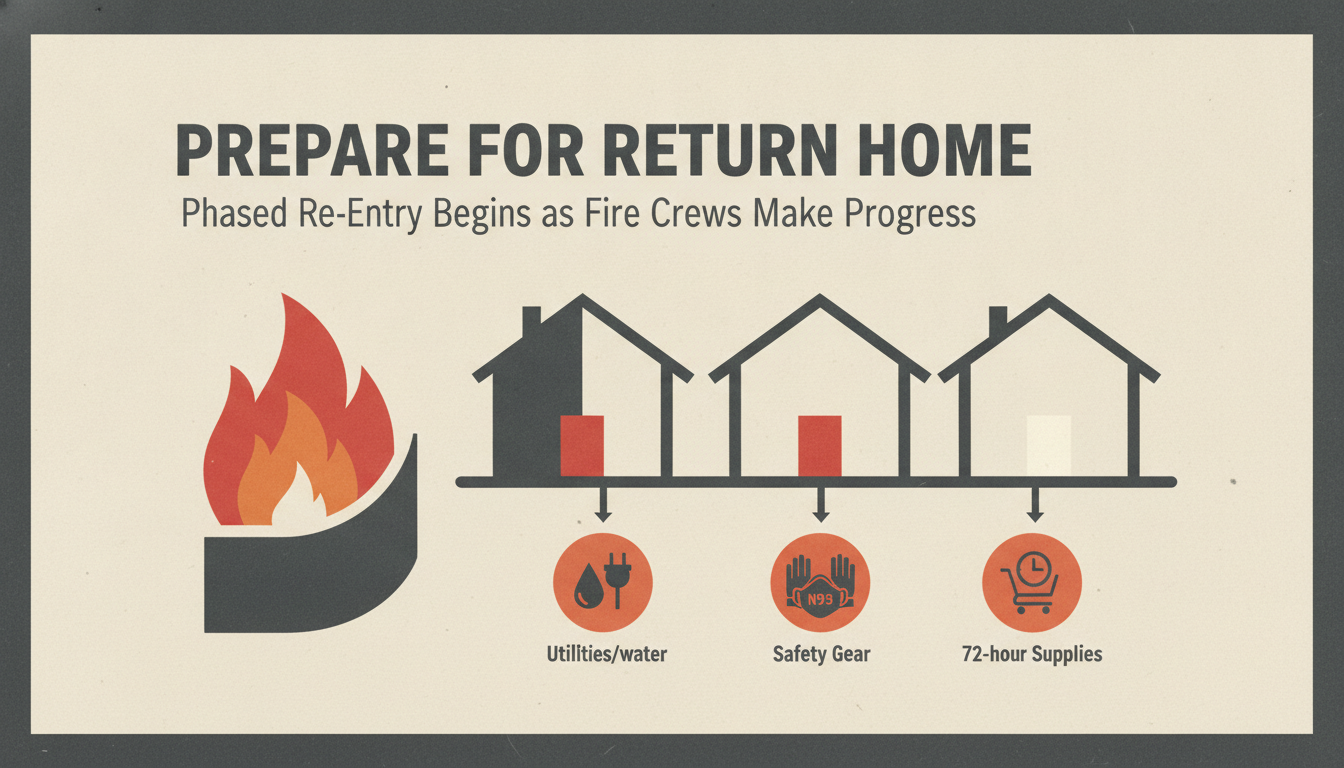
Evacuated residents should begin preparing for a potential return home, according to an update issued Wednesday morning, Aug. 12, by the Central Okanagan Emergency Operations Centre (EOC). While all evacuation orders and alerts remain active, BC Wildfire Service (BCWS) crews are making progress on containment, allowing safety assessments to deploy. Officials noted that re-entry could occur in phases to ensure a safe return, though an exact timeline has not been established.
To assist returning residents, the EOC plans to distribute information packages. Household preparation recommendations include readiness to clean and sanitize fridges and freezers according to Interior Health guidelines, alongside checking with utility providers regarding water service and potential Boil Water Notices.
Essential Supplies and Cleanup Precautions
Officials advise residents to gather enough provisions to remain self-sufficient for at least 72 hours. Recommended items include bottled water, non-perishable food, prescription medications, pet supplies, flashlight batteries, cell phone chargers, and cash, as electronic payment networks might be offline. Due to hazards posed by soot, ash, and smoke, returning households are also encouraged to secure protective gear such as N95 masks, work gloves, safety goggles, long-sleeved clothing, garbage bags, and disinfectants.
Weather Risks and On-the-Ground Operations
Suppression efforts have effectively held the Quilpituk Creek fire to Rank 1 and 2 behaviour, characterized mostly by smouldering ground fire, white smoke, and no open flames. However, BCWS warns that Wednesday afternoon weather could bring localized thunderstorms, gusty winds reaching 60 km/h, and dry lightning. While cooler temperatures and higher relative humidity are anticipated for Thursday and Friday, atmospheric instability and isolated thunderstorm risks will persist with light easterly or northeasterly winds.
Along the southwest flank, ground crews established hose lay systems to deliver water directly to the fire’s perimeter, allowing aggressive mop-up operations in terrain inaccessible to heavy engines. Concurrently, BC Hydro crews continue work along Westside Road to re-energize electrical infrastructure and assess dangerous trees. Westside Road remains closed.
Resourcing and Reporting Changes
With fire activity diminishing, BCWS announced it will reduce regular public briefings to once daily unless significant developments occur. Personnel numbers have seen minor adjustments; the Bradley Creek wildfire complex—comprising both the Quilpituk Creek and Bradley Creek fires—is currently managed by an Incident Management Team, 113 firefighters, seven helicopters, 38 pieces of heavy equipment, and 25 structure protection members.
The Quilpituk Creek wildfire remains classified as out of control at an estimated 1,291.9 hectares, representing one of 104 active wildfires across British Columbia.
Road Closure in Prince George Following Fatal Emergency Plane Landing
Shift toward populist direction fuels tension and departures in B.C. Conservative Party

Carney’s Exit From U.S. Trade Talks Leaves Canadian Exporters Facing 50% Duties

A 1970 Orca Escape Led to 13 Wild Calves — Now an Author Is Searching for the Person Who Freed Them

Why Okanagan Residents Are Being Urged to Rethink Water Use and Waste as Droughts Worsen

Why Are we Being Urged to Rethink Water Use and Waste as Droughts Worsen

Opinion: John Rustad Has to Go

B.C. Supreme Court Grants Cowichan Tribes Title to Historic Richmond Lands and Fishing Rights

Vancouver Canucks Gear Up for a Make-or-Break 2025–26 Season

Kamloops Blazers Announce Off-Season Changes Ahead of 2025–26 Season

BC Ferries Sparks Outcry Over Contract with Chinese Shipyard

A Taste of Autumn: Fall Okanagan Wine Festival 2025
-

 OPINIONS5 days ago
Canada’s Conservative Influencers Are Fighting for the Future of the Movement
-
 LOCAL5 days ago
Residents told to prepare for return home as fire crews make progress on Quilpituk Creek blaze
-
 BC STORIES5 days ago
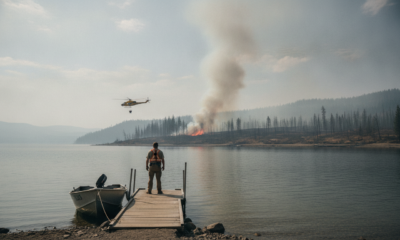
What Residents and Boaters Need to Know as Crews Target Bradley Creek Wildfire Hot Spots
-
WORLD5 days ago
Unused Launchers Expose Ukraine’s Severe Patriot Missile Shortage
-
NATIONAL STORIES5 days ago
Clock Ticks Toward Midnight Tariffs as Canada-U.S. Trade Talks Reach Critical Stage
-
 BC STORIES4 days ago
A 1970 Orca Escape Led to 13 Wild Calves — Now an Author Is Searching for the Person Who Freed Them
-
 COMMUNITY5 days ago
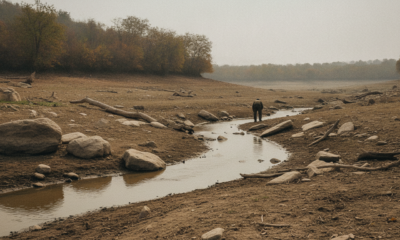
Why Are we Being Urged to Rethink Water Use and Waste as Droughts Worsen
-

 BC STORIES5 days ago
How Enjoying an Ice Cream Treat Today Helps BC Children’s Hospital