POLITICS
New Global Trade War: Trump Administration Targets Canada and EU with Fresh Tariffs Over Forced Labor Claims
Trump administration proposes 10-12.5% tariffs on 60 countries including Canada and the EU, citing forced labor concerns in a massive Section 301 trade probe.


A New Wave of Protectionism
The Trump administration has escalated its trade offensive by proposing a sweeping new set of tariffs on 60 economies, including major allies like Canada and the European Union. Issued late Tuesday by the U.S. Trade Representative’s (USTR) office, the proposal outlines a multi-tiered tariff structure of 10 per cent and 12.5 per cent. The administration claims these measures are a direct response to a Section 301 investigation which found that these nations failed to adequately curb the trade of goods produced via forced labor.
Targeting Key Allies and Global Competitors
Under the new framework, a 10 per cent additional duty will be applied to imports from Canada, Mexico, the United Kingdom, and the European Union, among others. The USTR categorized these nations as having only partial schemes in place to combat forced labor. Meanwhile, a steeper 12.5 per cent rate is set for 45 other countries, including China, India, Japan, and South Korea. U.S. Trade Representative Jamieson Greer defended the move, stating that the failure of trading partners to address forced labor creates an “unlevel playing field” for American workers.
Global Backlash and Legal Justifications
The timing of the announcement is critical, as it precedes the July 24 expiration of temporary tariffs previously struck down by the U.S. Supreme Court. Critics, particularly in Europe, have slammed the move as a political maneuver rather than a human rights initiative. Bernd Lange, chair of the European Parliament’s trade committee, called the findings “utterly absurd,” suggesting the administration is seeking legal justifications for pre-determined tariff targets. While the EU recently passed laws to ban forced labor products, the USTR argued these measures are insufficient and delayed in implementation.
Economic Exemptions and Next Steps
Despite the broad scope of the proposal, the USTR has carved out exemptions for critical commodities, including energy, rare earth metals, pharmaceuticals, and certain agricultural products like beef and coffee. These exemptions aim to mitigate the inflationary impact on U.S. consumers and essential industries. A public comment period is open until July 6, with a high-stakes hearing scheduled for July 7 to determine the finality of these trade penalties.

Economy
Canada-U.S. Trade Tension Escalates as Trump Renews ’51st State’ Rhetoric
Trade Minister Dominic LeBlanc faces ‘turbulence’ in DC as Donald Trump renews ’51st state’ rhetoric and Canada pushes for a 16-year CUSMA renewal.
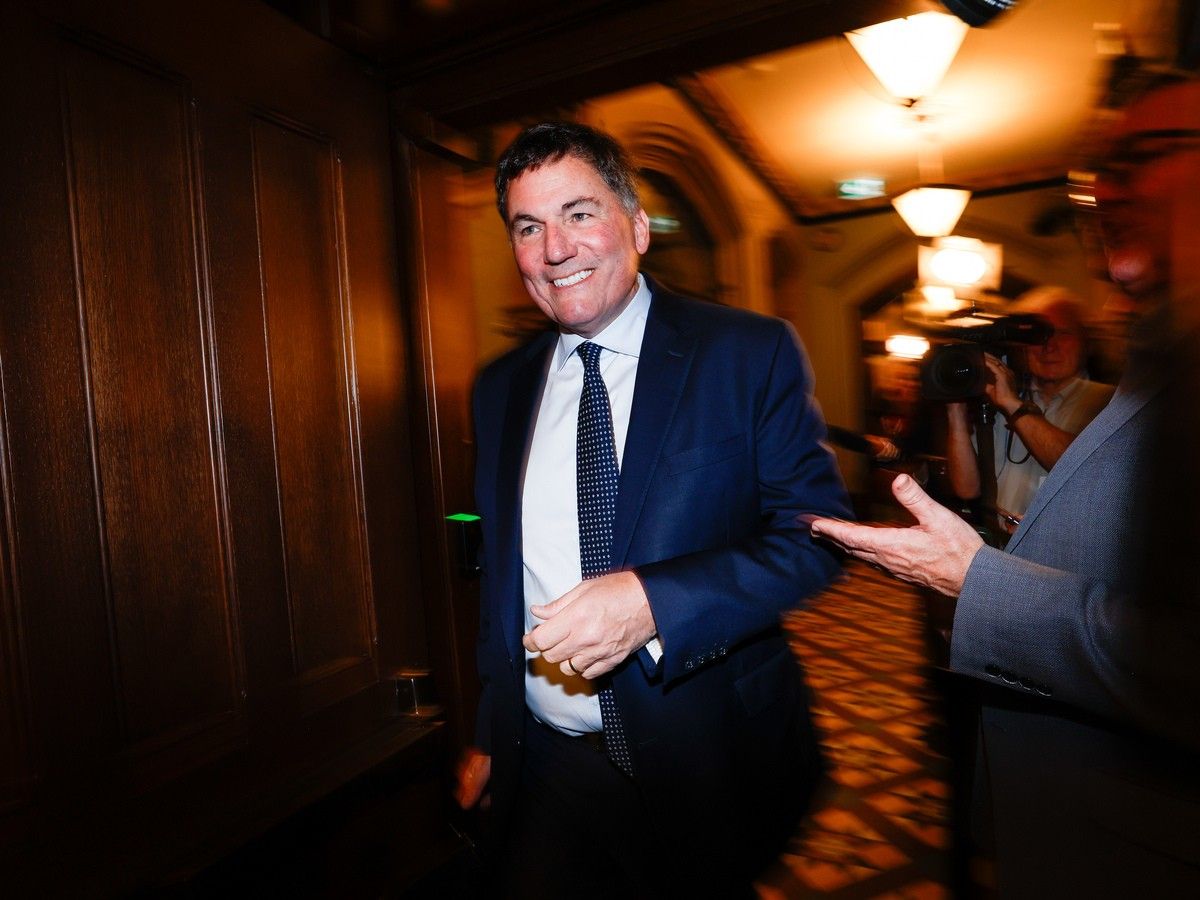
Turbulence in Washington: Trade Negotiations Face High Stakes
Canada-U.S. Trade Minister Dominic LeBlanc has admitted that his recent mission to Washington, D.C. was met with significant “turbulence,” as bilateral relations face a new wave of pressure. Accompanied by chief trade negotiator Janice Charette, LeBlanc arrived in the U.S. capital just as President Donald Trump intensified his provocative rhetoric regarding Canadian sovereignty. Despite the diplomatic friction, LeBlanc remains optimistic about securing a future for North American trade.
The ’51st State’ Controversy and CUSMA Renewal
Hours before the high-level meetings began, President Trump took to Truth Social to post a blunt message: “51st State!” The post, which linked to a report on Canada’s technical recession, was later shared by U.S. Ambassador to Canada Pete Hoekstra. This escalation comes at a sensitive time as Canada formally signaled its desire to renew the Canada-U.S.-Mexico Agreement (CUSMA) for a 16-year term. The Canadian government argues that a long-term extension is vital to protecting a trilateral trade relationship projected to reach $1.9 trillion by 2026.
Diplomatic Responses and Economic Realities
Prime Minister Mark Carney, speaking from Montreal, addressed the growing tension by dismissing calls to expel the U.S. Ambassador. Carney emphasized the necessity of a pragmatic approach, stating that the administration must be taken “as it is” due to the critical nature of the security and economic partnership. While the Prime Minister avoided using the term “recession,” he acknowledged “choppiness” in the economy, attributing recent weakness to government decisions regarding immigration rollbacks and tightened spending aimed at long-term resilience.
The Path Forward for North American Trade
The Canadian delegation met with U.S. Trade Representative Jamieson Greer to discuss specific measures intended to offer the Americans “comfort” regarding trade imbalances and rules of origin. As the U.S. administration demands stricter requirements, the Canadian side continues to push for stability. The outcome of these talks will determine the trajectory of one of the world’s most integrated economic zones, even as political rhetoric threatens to overshadow technical negotiations.
Canada News
Ottawa Unveils $10 Billion Infrastructure Windfall for Quebec Transit and Health Care
Prime Minister Mark Carney announces a $10 billion infrastructure deal for Quebec, funding transit, hospitals, and housing over the next decade.

A Decadal Investment in Quebec’s Future
In a significant move to modernize regional infrastructure, Prime Minister Mark Carney and Quebec Premier Christine Frchette announced a massive $10 billion federal funding package on Tuesday. Spanning the next decade, the investment targets critical sectors including public transit, health care, and housing, effectively resolving long-standing negotiations between the federal government and the province.
Transforming Transit and Electrification
The centerpiece of the agreement is a $5.7 billion allocation from the Canada Transit Fund. These funds are earmarked for high-priority projects such as the Quebec City tramway, the revitalization of Montreal’s mtro stations, and the expansion of bus networks. Additionally, $400 million has been designated for the Zero Emission Public Transit Fund, which will facilitate 11 electrification projects aimed at reducing the province’s carbon footprint.
Modernizing Aging Healthcare and Housing
Beyond transportation, $3.6 billion is allocated under the Build Communities Strong Fund. This capital is intended to address the aging state of Quebec’s public assets, many of which date back to the 1960s. Specifically, the deal outlines modernization efforts for 17 hospitals, including the Maisonneuve-Rosemont and Charles-Le Moyne facilities. The funds will also support the construction of new university campuses and community centers, bridging the gap in housing and higher education infrastructure.
Political Implications Ahead of October Election
The timing of the announcement has drawn scrutiny from the Parti Qubcois, with leader Paul St-Pierre Plamondon suggesting the deal is an attempt by Ottawa to influence the upcoming October general election. While Premier Frchette celebrated the deal as a victory for provincial jurisdiction and fair-share funding, Prime Minister Carney dismissed claims of political maneuvering, asserting that the agreement is a result of aligned priorities between levels of government to serve the public interest.
POLITICS
White House Adjusts Tariffs on Steel and Aluminum Derivatives to Bolster Industry
President Trump signs a proclamation amending tariffs on steel, aluminum, and copper to boost U.S. manufacturing and lower costs for agricultural machinery.
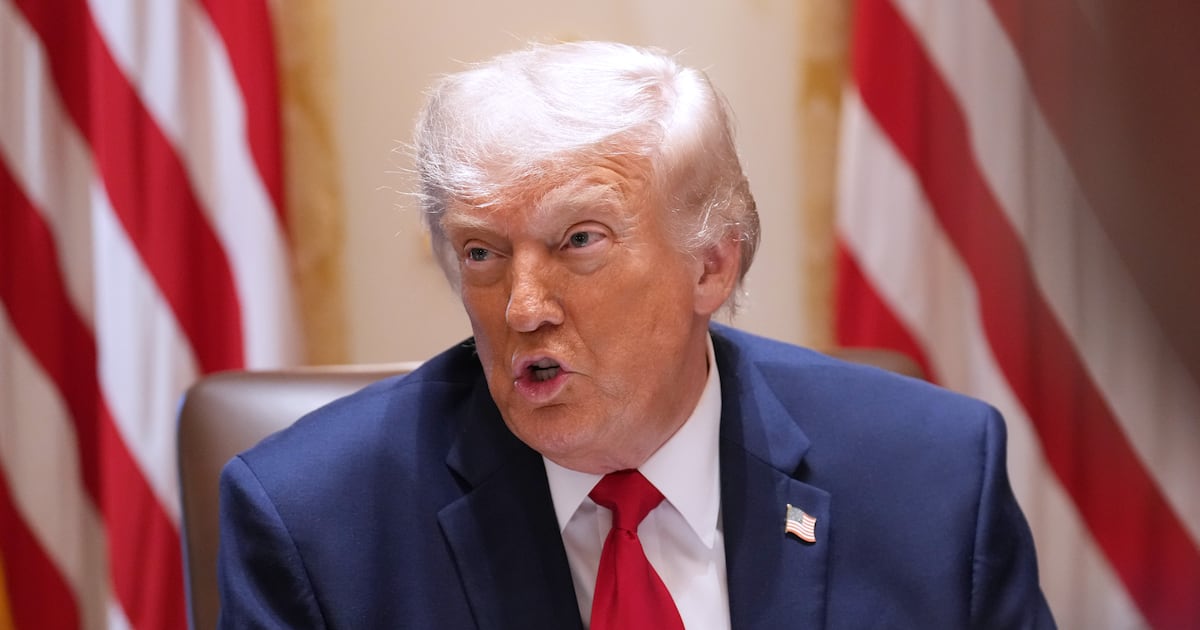
Strategic Shifts in Trade Policy
In a significant move aimed at recalibrating the nation’s industrial landscape, U.S. President Donald Trump has signed a new proclamation amending tariffs on key imports, including steel, aluminum, and copper. The White House announced the changes on Monday, detailing a complex restructuring of duty rates designed to incentivize domestic manufacturing while providing relief to specific sectors such as agriculture and residential construction.
Lowering Barriers for Critical Machinery
The updated proclamation introduces a reduction in tariffs for several essential derivative products. Notably, duties on certain types of agricultural machinery and residential HVAC (heating, air conditioning, and ventilation) equipment will drop from 25 percent to 15 percent. This reduction is expected to ease costs for American farmers and homeowners alike. Furthermore, mobile industrial equipment—including heavy machinery like bulldozers and forklifts—will now be subject to a 15 percent tariff, provided these goods are imported from trade-partner nations entitled to such treatment.
Incentivizing Domestic Materials
A key highlight of the new order is a provision designed to reward the use of American-made materials. Foreign companies can now qualify for a lower 10 percent tariff rate if they can prove their capital equipment consists of at least 85 percent U.S. melted and poured steel, or smelted and cast aluminum by weight. This “melted and poured” requirement is a strategic effort to ensure that the primary stages of metal production remain rooted in the United States, strengthening the domestic supply chain.
New Restrictions and Long-Term Outlook
While some sectors saw relief, the order also expanded the scope of protectionist measures. Two new categories—steel racks and aluminum lithographic plates—have been added to the list of derivative products subject to the higher 25 percent duty. These adjustments are scheduled to take effect for all relevant goods imported after 12:01 a.m. EST on June 8. According to the White House, these trade measures will remain in place until December 31, 2027, serving as a long-term catalyst to spur investments and rebuild the nation’s industrial base.
Community Mourns as Recovery Operations Conclude for Paddleboarders in B.C. Lake
CBS News Ousts Scott Pelley After Explosive Confrontation with New Executive Producer
Victim Identified in Fatal Surrey Shooting: IHIT Probes Potential Links to Organized Crime
New Global Trade War: Trump Administration Targets Canada and EU with Fresh Tariffs Over Forced Labor Claims
Celestial Fireworks: Venus Disappears Behind the Moon in Rare June Lunar Occultation
Vancouver Canucks Appoint Manny Malhotra as Head Coach Amid Massive Front Office Overhaul

Opinion: John Rustad Has to Go

B.C. Supreme Court Grants Cowichan Tribes Title to Historic Richmond Lands and Fishing Rights

Vancouver Canucks Gear Up for a Make-or-Break 2025–26 Season

Kamloops Blazers Announce Off-Season Changes Ahead of 2025–26 Season

BC Ferries Sparks Outcry Over Contract with Chinese Shipyard

A Taste of Autumn: Fall Okanagan Wine Festival 2025
-
Health6 days ago
Beyond the Caffeine Buzz: How Coffee Harmonizes Your Gut and Brain Health
-
SPORTS6 days ago
Hurricanes End 20-Year Wait: Carolina Routs Montreal to Secure Stanley Cup Final Berth
-
Environment3 days ago
Invasive Mosquitoes Carrying Brain-Swelling Virus Detected in B.C. Sea-to-Sky Region
-
General5 days ago
Kerry-Lynne Findlay Wins BC Conservative Leadership, Vows Return to Prosperity
-
International3 days ago
Canada Secures Decisive 2-0 Victory Over Uzbekistan as World Cup Fever Hits Edmonton
-
POLITICS3 days ago
White House Adjusts Tariffs on Steel and Aluminum Derivatives to Bolster Industry
-
Economy3 days ago
Canada-U.S. Trade Tension Escalates as Trump Renews ’51st State’ Rhetoric
-
Crime3 days ago
Actor Nick Pasqual Sentenced to 32 Years to Life Following Brutal Stabbing of Former Partner