POLITICS
The Phoenix Rebirth: Erika Kirk and the Chaotic Future of Turning Point USA
Explore the chaotic Turning Point USA AmericaFest in Phoenix, where Erika Kirk takes leadership after Charlie Kirk’s death, shaping the future of conservative youth activism.


The Shadow of a Founder
The air in the Phoenix Convention Center was thick with more than just the scent of overpriced coffee and youthful ambition; it was heavy with the weight of a movement undergoing a violent transformation. This year’s AmericaFest, the flagship event for Turning Point USA (TPUSA), arrived at a critical juncture in American conservative history. Following the assassination of its founder, Charlie Kirk, in September, the organization found itself at a crossroads between collapse and radical evolution. For many in attendance, the event was less a traditional political convention and more a high-stakes vigil for the future of the American Right. The scorching Arizona sun, even in the winter months, mirrored the heat of the debates occurring inside the glass walls. Outside, small pockets of protesters and counter-protesters traded insults, creating a perimeter of tension that defined the physical and ideological boundaries of the AmFest experience.
Erika Kirk Takes the Stage
At the center of this storm is Erika Kirk, who stepped into the leadership role vacated by her husband under the most tragic of circumstances. Addressing a crowd of thousands, she maintained a composure that many found both surprising and defiant. “Say what you want about AmFest, but it’s definitely not boring,” she told the audience midway through the convention. Her words served as a mantra for an event that frequently veered into the unpredictable, blending the high-octane aesthetics of a rock concert with the solemn fervor of a political revival. Erika has been forced to balance her private grief with a very public demand for strength, a role she has embraced with a mix of traditionalist rhetoric and modern media savvy. Her presence on stage was a visual reminder of the organization’s shift toward a legacy-driven narrative.
A Movement in Transition
The atmosphere was described by many attendees as “controlled chaos.” From the main stage, speakers decried the “radical left” and the “deep state” with renewed intensity, framing Charlie Kirk’s death not just as a personal loss but as a political martyrdom. The halls were filled with Gen Z activists donning “Kirk Forever” hats, mingling with veteran political consultants who seemed unsure of the movement’s stability without its primary architect. The demographic makeup of the event remained overwhelmingly young, a testament to the organization’s continued grip on a specific segment of the American electorate that values disruption over tradition. Young men in suits and young women in cocktail dresses treated the event like a high-stakes networking mixer, their eyes constantly flitting to their phones to check the latest trending hashtags and viral clips from the floor.
The Logistics of Chaos
Despite the mourning, the convention prioritized momentum over melancholy. Large-scale pyrotechnics, rock-concert lighting, and a relentless schedule of influencers ensured that the energy remained at a fever pitch. However, cracks in the facade were visible to the trained eye. Reports of shouting matches between different factions of the MAGA movement surfaced in the media lounges, highlighting a power vacuum that Erika Kirk is still struggling to navigate. Security was noticeably tighter than in previous years, with bag checks and armed guards serving as a constant reminder of the tragedy that had catapulted Erika into the spotlight. Some attendees expressed concerns that without Charlie’s specific brand of polarizing charisma, the organization might splinter into smaller, more radicalized groups, losing its cohesive power on the national stage.
Mainstage Rhetoric and Digital Warfare
The rhetoric from the podium was sharper and more existential than in previous years. Speakers who once focused on fiscal conservatism or campus free speech now pivoted to themes of national survival and spiritual retribution. The digital footprint of the event was equally massive, with millions of impressions on social media platforms as TPUSA influencers live-streamed every moment to their followers. This digital warfare is the hallmark of the Kirk legacy, and the convention proved that the infrastructure for viral content remains robust. However, the absence of Charlie’s voice, the one that could tie disparate grievances into a single, cohesive narrative, was felt during the quieter moments between panels. The speakers often struggled to find a unifying theme beyond the shared sense of loss and the desire for political victory at any cost.
Political Implications and the Road Ahead
Political analysts watching the event from afar noted that AmFest has become a litmus test for the Republican party’s youth appeal. “TPUSA has always been the bridge between online meme culture and grassroots activism,” said one political strategist present at the event. “With Erika at the helm, we are seeing a shift toward a more emotional, legacy-driven narrative. It is less about policy and more about the survival of the movement itself.” The stakes are high as the next election cycle looms, and the unity of this base is far from guaranteed. The convention served as a siren call to the party’s leaders that the youth wing will not be easily tamed or redirected by traditional party structures.
The Lasting Impact of AmFest
As the sun set over the Phoenix skyline on the convention’s final day, the legacy of the event remained a subject of intense debate. Was it a defiant stand against adversity or the beginning of a slow decline for an organization that defined a decade of conservative youth activism? For Erika Kirk, the answer was simple: the movement is too big to fall. As she navigated the backstage corridors, surrounded by security and adoring fans, the chaotic spirit of AmericaFest seemed to be the only thing keeping the grief at bay. The convention proved that while leaders may fall, the infrastructure of modern political spectacle is designed to endure, fueled by a mixture of anger, hope, and an unwavering commitment to the idea that the future of America must be fought for on the stage. The phoenix, it seems, is still rising, though it is currently wreathed in the smoke and fire of a movement in deep mourning and desperate search for its next chapter.




POLITICS
Ezra Levant Pledges Strict Compliance as Tamara Lich Seeks International Travel Rights
Rebel News founder Ezra Levant testifies in court, promising to ensure Tamara Lich complies with bail if allowed to travel internationally for work assignments.

Court Considers Bail Amendments for Freedom Convoy Organizer
Rebel News founder Ezra Levant appeared before an Ottawa judge on Wednesday, testifying that his organization would make it a \”top priority\” to ensure Tamara Lich adheres to her bail conditions if she is granted permission to travel internationally. Lich, a primary figure in the 2022 Freedom Convoy protests, is currently seeking a variation of her house arrest terms to allow her to work abroad as an employee for the right-wing media outlet.
A Request for International Assignments
Lich, who currently resides under house arrest in Medicine Hat, Alberta, is requesting court approval to leave Canada for various Rebel News assignments. These proposed trips reportedly include a Caribbean cruise and a visit to the White House. During the hearing, Levant emphasized his respect for judicial orders despite his public criticisms of the legal process. \”I disagree with court cases every day, but I abide by them,\” Levant stated, attempting to reassure the court that he would act as a responsible supervisor for Lich while she is on assignment.
Prosecution Raises Concerns Over Oversight
Crown prosecutors have expressed strong opposition to the request, questioning whether Levant is a suitable guarantor of Lich’s conduct. During cross-examination, the prosecution highlighted the Rebel News website, which actively sells merchandise featuring Lich’s likeness and promotes her book, published by the outlet in 2023. They argued that the commercial relationship between Levant and Lich, coupled with Levant’s vocal support of her cause, undermines his credibility as an enforcer of court-ordered conditions.
Furthermore, prosecutors raised jurisdictional concerns, questioning how Canadian bail conditions could be effectively monitored or enforced once Lich leaves the country. They maintained that Lich’s circumstances have not changed significantly enough since her April 2025 conviction for mischief and other offences to warrant a relaxation of her travel restrictions.
Ongoing Legal Battles
The current application follows previously granted permissions that allowed Lich to travel within Canada, where she reported on various independence events and attended a high-profile Independence Day celebration at the U.S. Embassy in Ottawa. The court is scheduled to hear further arguments regarding the international travel request on August 14, as the judiciary weighs the balance between Lich’s right to employment and the necessity of maintaining public order and legal oversight.
POLITICS
Section 338 Shockwave: U.S. Hits Canada With 50% Tariffs on 400 Products
The U.S. invokes Section 338 to slap 50% tariffs on 400 Canadian products, targeting dairy and alcohol in a major trade escalation amid USMCA renegotiations.
A Historic Trade Escalation
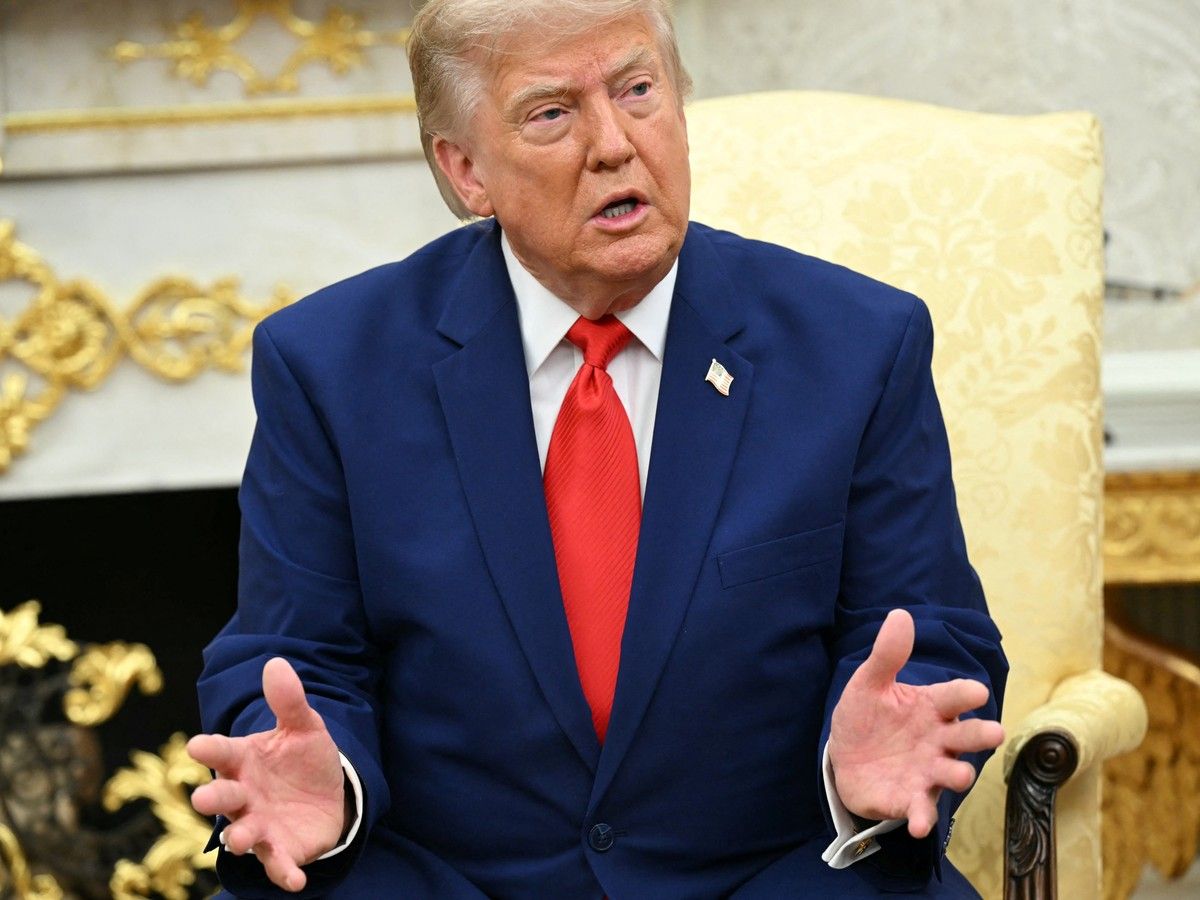
The White House has sent shockwaves through the Canadian trade landscape by invoking Section 338 of the Tariff Act of 1930—a never-before-used provision—to impose massive 50 per cent tariffs on over 400 Canadian products. Set to take effect on August 19, the move marks a significant escalation in cross-border tensions, targeting specific industries such as dairy, alcohol, and automotive components.
The Catalyst for Conflict
U.S. Trade Representative Jamieson Greer defended the aggressive measure, accusing Canada of maintaining discriminatory trade practices. The administration specifically cited Canada’s tariffs on U.S. automobiles, provincial liquor board boycotts of American alcohol, and long-standing dairy import barriers as the primary drivers for the retaliation. Unlike other allies, Greer argued, Canada has continued to resist efforts to rebalance trade in sectors sensitive to U.S. national security.
Leverage in the USMCA Era
Trade analysts suggest these tariffs are less about long-term policy and more about raw negotiating leverage. Following the U.S. decision not to renew the Canada-U.S.-Mexico Agreement (USMCA) on July 1, the deal has entered a phase of mandatory annual reviews for the next decade. Experts like Carrillo Obregon note that by targeting politically sensitive sectors—accounting for roughly five per cent of Canadian exports—the U.S. is applying surgical pressure to force concessions during these upcoming renegotiations.
Legal and Economic Uncertainty
While the administration views the move as a necessary tool for “fair and reciprocal trade,” critics question the legality of the maneuver. Andrew Hale of Advancing American Freedom suggested that regardless of the intended leverage, the invocation of Section 338 may lack a solid legal foundation. As both nations brace for the August deadline, the Canadian government finds itself on the defensive, navigating a precarious new chapter in North American trade relations.
Health
Canadian Premiers Demand Return to 50/50 Federal Health-Care Funding Split
Canadian premiers in Charlottetown demand Ottawa return to a 50/50 health-care funding split, citing aging populations and economic competitiveness.
Provincial Leaders Push for Historic Funding Model
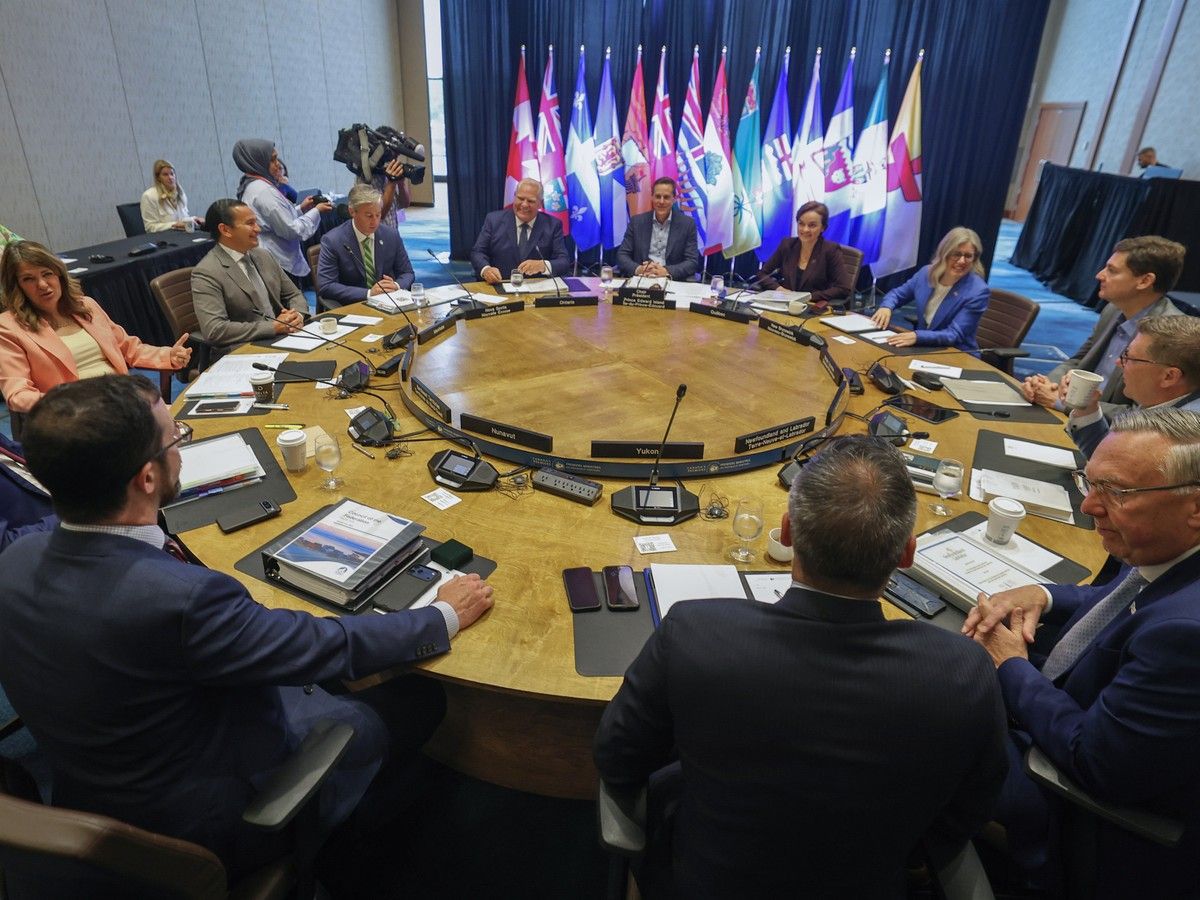
At a high-stakes summit in Charlottetown, Canada’s provincial leaders have reignited a long-standing battle with the federal government, demanding a return to a 50/50 cost-sharing model for health care. The premiers of Prince Edward Island, New Brunswick, and Manitoba are leading the charge, arguing that the current federal contribution is insufficient to sustain a modernizing and aging health-care system.
Historically, the federal government split health expenses equally with provinces until the 1970s, when the formula was adjusted in favor of tax points and block funding. Today, the Canada Health Transfer (CHT) accounts for roughly 22 per cent of provincial health expenditures. This disparity has become a critical point of friction, as health care now consumes between 30 and 40 per cent of total provincial budgets.
Economic Competitiveness and a National Vision
Manitoba Premier Wab Kinew framed the debate as a matter of national identity and economic strategy. Comparing the Canadian system to that of the United States, Kinew noted that public health care makes Canada a more attractive destination for business investment. “This is one of the reasons why businesses should realize that their investment in Canada is more competitive than putting those dollars to work in the States,” Kinew stated, emphasizing that employers in Canada face lower health-care overheads for their workforce.
P.E.I. Premier Rob Lantz echoed these sentiments, describing the health-care system as a “nation-building project.” For smaller provinces like P.E.I., the focus remains on workforce retention, recruitment, and improving access to primary care, all of which require a more robust and predictable influx of federal cash.
Addressing Chronic Needs and Aging Populations
New Brunswick Premier Susan Holt highlighted the demographic challenges facing her province, which deals with an older population and higher rates of chronic disease than the national average. Holt argued that the CHT must be adapted to recognize these specific needs. “We cannot grow our economy and invest in our defence sector… without that healthy workforce,” Holt said, calling for federal contributions to match those of the provinces.
While Ottawa has signed various 10-year bilateral health-care deals with provinces recently—such as Ontario’s $3.1-billion agreement—the premiers maintain that these localized fixes are no substitute for a fundamental restructuring of the core funding partnership.
Ezra Levant Pledges Strict Compliance as Tamara Lich Seeks International Travel Rights
Red Deer Ranks Third Highest for Crime in Canadian Metros Amid National Decline
Gordie Howe Bridge: Deciphering the High-Stakes Toll Revenue Deal Between Canada and the U.S.
Section 338 Shockwave: U.S. Hits Canada With 50% Tariffs on 400 Products
Canadian Premiers Demand Return to 50/50 Federal Health-Care Funding Split
BC Lions Scramble for QB Depth: Tyrie Adams Signed Following Nathan Rourke Injury

Opinion: John Rustad Has to Go

B.C. Supreme Court Grants Cowichan Tribes Title to Historic Richmond Lands and Fishing Rights

Vancouver Canucks Gear Up for a Make-or-Break 2025–26 Season

Kamloops Blazers Announce Off-Season Changes Ahead of 2025–26 Season

BC Ferries Sparks Outcry Over Contract with Chinese Shipyard

A Taste of Autumn: Fall Okanagan Wine Festival 2025
-
Football6 days ago
2026 World Cup Final Lineups Revealed: Spain Stands Firm While Argentina Tinkers
-
energy5 days ago
Canada Offered to Double Oil Exports to U.S. in Failed Trade Negotiations, Hoekstra Reveals
-
Baseball6 days ago
Blue Jays Legend Duane Ward Passes Away at 62 After Championship Reunion
-
Ontario5 days ago
Former Tourism Minister Stan Cho Under Fire for $100,000 in Riding Association Expenses
-
LOCAL5 days ago
Cross-Border Smoke Crisis: Canada Issues Alerts as U.S. Wildfire Pollution Drifts North
-
british-columbia4 days ago
Investigation Underway Following Fatality at Historic Okanagan Lake Swim Event
-
nation4 days ago
Mayor Olivia Chow Targets Big Tech Pricing Tactics at Toronto Grocery Stores
-
nation4 days ago
RCMP Investigate String of Suspicious Fires in West Kelowna Neighborhood