NATIONAL STORIES
Canada Simplifies Disability Tax Credit Applications Amid Calls for Further Reform
The Liberal government overhauls the Disability Tax Credit application process, earning praise for accessibility but facing calls for more comprehensive reform.


A Long-Awaited Shift in Federal Policy
The Liberal government has announced significant updates to the Disability Tax Credit (DTC) application process, a move aimed at reducing the bureaucratic hurdles faced by thousands of Canadians living with disabilities. By streamlining the eligibility criteria and simplifying the medical documentation required, the government seeks to ensure that more eligible citizens can access critical financial support. For years, the DTC has been criticized for its complex and often prohibitive application process, which many advocates argued acted as a barrier rather than a bridge to assistance.
Opposition and Advocate Reactions
While the changes have been broadly welcomed across the political spectrum, the reception has been tempered by calls for more comprehensive reform. Opposition parties, while supporting the measure, have pointed out that these adjustments are long overdue and follow years of pressure from the disability community. Advocacy groups have echoed this sentiment, noting that while the simplification of the process is a victory for accessibility, it does not address all the underlying issues regarding who qualifies for the credit in the first place.
The Gap Between Policy and Reality
Critics of the current system highlight that even with a simplified application, the definition of disability used by the Canada Revenue Agency (CRA) remains narrow. Some advocates argue that the reforms should have gone further to include a broader range of neurodivergent conditions and chronic illnesses that may not fit neatly into the current framework. There is a growing consensus that while the administrative burden is being lifted, the financial threshold for support remains a point of contention for those living below the poverty line.
Looking Ahead
The federal government maintains that these changes are a foundational step in a larger strategy to enhance the financial security of Canadians with disabilities. As the new application procedures take effect, stakeholders will be closely monitoring the impact on approval rates. The move is also seen as a precursor to the implementation of the Canada Disability Benefit, a more robust support system currently in development. For now, the focus remains on ensuring that the tax system works for those it is intended to serve, rather than against them.

BC STORIES
What Trade Breakdown Means for Canada as Carney Vows Retaliatory Tariffs
Prime Minister Mark Carney rejects U.S. trade offer, triggering 50 per cent tariffs. Canada vows retaliatory levies starting Sept. 8 as leaders react.
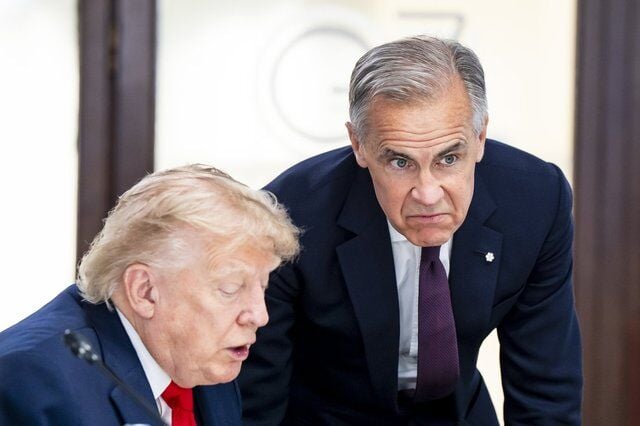
Trade Talks Collapse After U.S. Proposes Unfair Terms
Prime Minister Mark Carney announced he has walked away from trade negotiations with the United States government after a last-ditch effort to reach an agreement failed ahead of a midnight deadline. Speaking on Parliament Hill, Carney stated that negotiators worked in good faith but rejected last-minute American demands that sought to restrict Canada’s capacity to sign new trade agreements and undermine protections for the French language.
The breakdown resulted in new 50 per cent tariffs taking effect at 12:01 a.m. on billions of dollars in Canadian exports. In response, Carney confirmed Canada will match the U.S. tariffs dollar for dollar starting Tuesday, Sept. 8, targeting sectors such as steel, electronics, dairy, agricultural equipment, and pulp and paper.
Provincial Leaders Stand Firm Alongside Team Canada
Carney convened a virtual meeting with provincial and territorial leaders to highlight the necessity of cross-border unity and domestic collaboration. Manitoba Premier Wab Kinew, Saskatchewan Premier Scott Moe, and Newfoundland and Labrador Premier Tony Wakeham voiced their support for federal retaliatory tariffs and the Team Canada approach. Ontario Premier Doug Ford commended Carney for confronting U.S. President Donald Trump, noting that auto and steel sector leaders agreed the U.S. proposed a bad deal.
In British Columbia, Premier David Eby warned that Washington cannot expect a positive relationship while attacking Canada. Meanwhile, Quebec Premier Christine Fréchette noted that the 50 per cent levies impact $7.7 billion of goods from her province, excluding prior tariffs on steel, aluminum, and lumber. Fréchette committed to keeping American liquor off Quebec shelves as long as the trade conflict continues, while Alberta Premier Danielle Smith expressed disappointment over the collapse of talks.
Local Reactions and Industry Concerns Mount
Reactions stretched into athletic venues and local communities. At Vancouver’s BC Place, crowd jeers greeted the opening notes of “The Star-Spangled Banner” prior to a Major League Soccer match between the Vancouver Whitecaps and FC Dallas. In Ontario, Hamilton Mayor Andrea Horwath expressed deep concern over the impact on her city’s manufacturing, steel, and agricultural sectors.
Industry associations expressed urgent concerns regarding the trade dispute. The Canadian Federation of Agriculture warned that tariffs risk raising food prices and destabilizing farm businesses across the border. Similarly, the Canadian American Business Council cautioned that tariffs will disrupt supply chains and slow economic growth, urging both nations to return to the bargaining table.
Political Figures and Sector Advocates React
Opposition party leaders offered their perspectives on the trade breakdown. Conservative Leader Pierre Poilievre described the new American tariffs as unjustified and urged unity to safeguard jobs, indicating plans to consult Carney. Federal NDP Leader Avi Lewis supported Carney’s decision to walk away, arguing that accepting the deal would have compromised big tech regulations and cemented damaging tariffs.
Cultural advocates also backed the stance, with Canadian Media Producers Association President Reynolds Mastin praising the federal government for protecting the Online Streaming Act. From the U.S. side, Distilled Spirits Council chief executive Chris Swonger welcomed American recognition of sales bans on U.S. alcohol in Canadian provinces, while calling on both governments to resume talks to restore American products to Canadian shelves.
NATIONAL STORIES
What to Know About Canada’s Plan to Counter 50 Per Cent U.S. Tariffs Next Month
Prime Minister Mark Carney says Canada will match 50% U.S. tariffs dollar-for-dollar starting Sept. 8 after cross-border trade negotiations broke down.
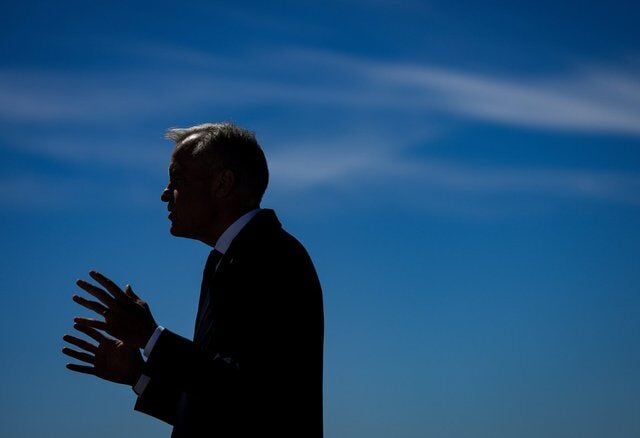
Ottawa Rejects ‘Bad Deal’ as Trade War Escalates
Prime Minister Mark Carney announced Saturday that Canada will levy dollar-for-dollar counter-tariffs against the United States beginning Sept. 8, following the collapse of cross-border trade negotiations.
The move comes after Washington imposed 50 per cent tariffs on $28 billion worth of Canadian products on Saturday. The duties target items ranging from dairy, honey, and essential oils to hockey sticks. Carney suspended talks late Friday, recalling Canadian negotiators from Washington after deeming the proposed terms unacceptable.
Carney stated that late-stage American demands attempted to restrict Canada’s ability to enter independent trade agreements with other nations, which he described as an unacceptable power play that threatened national sovereignty. Additionally, he noted the U.S. sought to alter protections for Canadian language and culture while offering specific tariff relief for certain vehicles, including Ford trucks.
Dollar-for-Dollar Retaliation Planned for September
The Canadian countermeasures are scheduled to take effect the day after Labour Day. Carney confirmed the retaliatory duties will target key American industries, including steel, electronics, dairy, pulp and paper, agricultural equipment, and household appliances. Detailed plans for business support and specific tariff breakdowns are expected in the coming days.
Carney acknowledged that the decision was taken reluctantly, noting that while the measures will inevitably raise costs and restrict choices for Canadian consumers, standing up to the U.S. position remains necessary for the country’s economic interest.
U.S. Blames Ottawa for Broken Negotiations
U.S. Trade Representative Jamieson Greer blamed Canadian negotiators for the breakdown, asserting that Ottawa pulled back from earlier commitments. Greer told reporters the U.S. had offered substantial tariff relief on steel, aluminum, autos, and lumber in exchange for Canadian concessions.
Greer later told Fox News that no further talks are currently scheduled and indicated Washington would move forward with its response to Canadian countermeasures. The Trump administration previously chose not to extend the CUSMA agreement in July, triggering a rolling annual review process. While Mexico and the U.S. have initiated formal CUSMA talks, Canada and the U.S. have yet to begin.
Provincial Leaders Call for Unity
Addressing reporters on Saturday, Ontario Premier Doug Ford offered full backing to the prime minister, urging all provincial leaders to remain united behind a coordinated national stance. Ford criticized the U.S. administration’s negotiating tactics, noting that workers and industry representatives in Ontario’s auto and steel sectors agreed the rejected offer was inadequate.
In a letter sent to the prime minister earlier in the week, Ford urged Ottawa to consider targeting imports from specific U.S. states supporting the current administration, including Texas, Florida, Wisconsin, and Iowa. Ford also suggested leveraging critical minerals, energy, and electricity in negotiations. However, Carney expressed reluctance to use energy exports as leverage, citing the importance of maintaining Canada’s standing as a dependable supplier.
NATIONAL STORIES
Carney’s Exit From U.S. Trade Talks Leaves Canadian Exporters Facing 50% Duties
U.S. tariffs of 50% hit $28B in Canadian exports as Prime Minister Mark Carney suspends trade negotiations, impacting electronics, wood, and plastics.
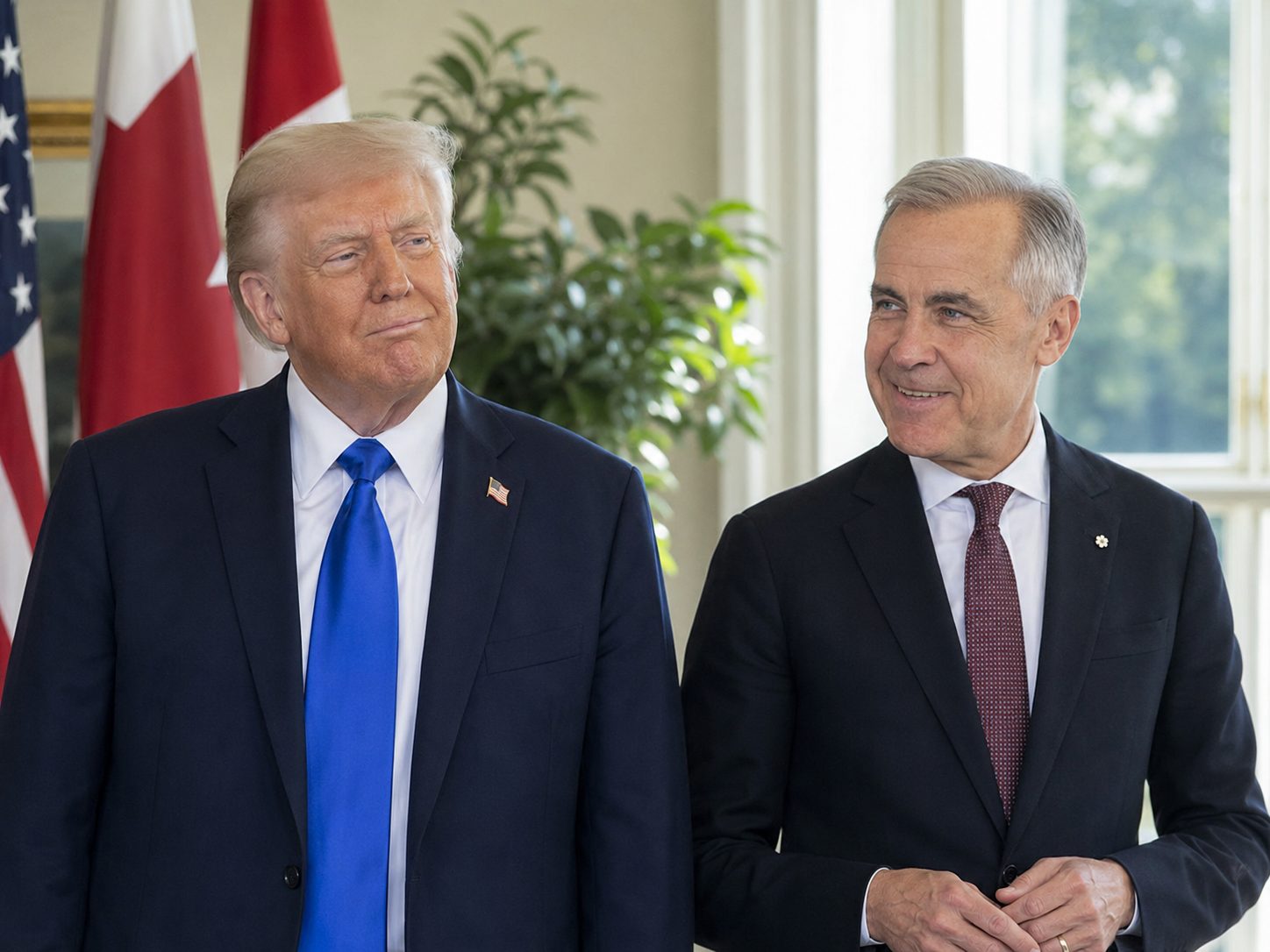
Canadian Exporters Face Fresh Economic Blow
A new wave of American tariffs reached enforcement status just after midnight Saturday, impacting more than $28 billion worth of Canadian products with a severe 50 per cent tax rate. The duties kick in after the collapse of bilateral negotiations, placing significant strain on the national economy and multiple commercial sectors.
Canadian electronics exporters are positioned to take the hardest hit, with over $4 billion US in electronic equipment—such as electrical boards and controllers—subject to the levies. Furthermore, Canada’s plastics industry faces new duties on roughly $3 billion US worth of goods, including bottles, floor coverings, and household items. Products such as cement, plywood, wine, and hockey sticks are also listed under the broad measures.
Provincial Economies to Absorb Disproportionate Impacts
Regional economies will feel the consequences unevenly across the country. British Columbia stands out as the most exposed province, with affected items—predominantly paper and wood—accounting for over 13 per cent of its total exports to the United States. Quebec is similarly vulnerable, with approximately 10 per cent of its export goods facing exposure on top of pre-existing 50 per cent tariffs targeting its steel and aluminum sectors.
Addressing the fallout, the Canadian Chamber of Commerce characterized the levies as non-absorbable and unsustainable for commercial operations, describing the escalation as a body blow to North American competitiveness.
Carney Directs Negotiators to Leave Washington
Prime Minister Mark Carney halted discussions and ordered Canadian representatives home from Washington, D.C., following a week of talks between Canadian Trade Minister Dominic LeBlanc and U.S. Trade Representative Jamieson Greer. Carney, who previously campaigned on securing optimal outcomes for Canadians, now oversees a situation where domestic products confront steep tariff hurdles.
“I have decided to suspend trade negotiations with the U.S. and have directed Canada’s negotiators to return to Ottawa,” Carney announced in an official statement. He stated that while negotiators worked hard until the final moments, last-minute changes proposed by the American side were unfair, uneconomic, and undermined trust in a potential deal. He affirmed that Ottawa intends to retaliate “dollar for dollar.”
U.S. Cites Retaliation and Terms Disagreement
Giving the administration’s perspective, U.S. Trade Representative Jamieson Greer stated that talks broke down because Canadian officials declined to finalize the terms on the table. Greer asserted that the offered deal provided Canada the best treatment of any major exporter, but claimed Canadian demands and walk-backs upended the balance while Canada maintained its own retaliatory measures against U.S. goods and services.
Sources indicated that U.S. Commerce Secretary Howard Lutnick had raised objections to the proposed terms earlier in the week. Prior to the walkout, tentative terms under discussion involved lowering sectoral tariffs on Canadian steel, aluminum, and automobiles in exchange for Canadian premiers considering an end to provincial bans on American alcohol.
Tariffs Implemented Under Great Depression-Era Law
The White House enacted the 50 per cent duties using Section 338 of the U.S. Tariff Act, also known as the Smoot-Hawley Act. The Great Depression-era legislation permits the U.S. president to apply tariffs up to 50 per cent on nations deemed to discriminate against the American economy. Products that previously enjoyed exemptions under the Canada-United States-Mexico Agreement (CUSMA) are no longer exempt from these latest measures.
Asked how the two nations might resolve the tit-for-tat dispute, a senior Trump administration official remarked that escalation remained Canada’s choice, noting that additional options could be presented to the U.S. president if Canada follows through on counter-tariffs.
What Escalating Canada-U.S. Tariffs Mean for B.C. Jobs and Local Businesses
B.C. Mass Murderer Remains Behind Bars as Parole Board Cites Elevated Reoffending Risk

Why the B.C. Lions Must Stay Focused After Winning Big Over Saskatchewan
Sexual Assault Trial for Central Saanich Police Officer Delayed to 2027

They have proven they can win votes. Kerry-Lynne Findlay now has to prove they can govern.
Abbotsford-Mission Riding President Quits Over Leader’s Shift to Far Right

Opinion: John Rustad Has to Go

B.C. Supreme Court Grants Cowichan Tribes Title to Historic Richmond Lands and Fishing Rights

Vancouver Canucks Gear Up for a Make-or-Break 2025–26 Season

Kamloops Blazers Announce Off-Season Changes Ahead of 2025–26 Season

BC Ferries Sparks Outcry Over Contract with Chinese Shipyard

A Taste of Autumn: Fall Okanagan Wine Festival 2025
-
 NATIONAL STORIES4 days ago
Carney’s Exit From U.S. Trade Talks Leaves Canadian Exporters Facing 50% Duties
-
BC STORIES4 days ago
Road Closure in Prince George Following Fatal Emergency Plane Landing
-
BC STORIES4 days ago
Shift toward populist direction fuels tension and departures in B.C. Conservative Party
-

 BC STORIES2 days ago
Thunderstorms Leave Four Out-of-Control Wildfires Burning Near Tulameen
-
NATIONAL STORIES2 days ago
What to Know About Canada’s Plan to Counter 50 Per Cent U.S. Tariffs Next Month
-
COMMUNITY2 days ago
The week ahead in West Coast: Mon 24 — Sun 30 August
-
BC STORIES2 days ago
What the Canada-U.S. Trade Breakout Means for B.C. Consumers and Businesses
-
BC STORIES2 days ago
Why two B.C. MLAs are stepping away to build a new option for ‘politically homeless’ voters