LOCAL
Thunderstorms Leave Four Out-of-Control Wildfires Burning Near Tulameen
Four out-of-control wildfires are burning near Tulameen between the Coquihalla, Highway 3, and Highway 5A following weekend lightning storms in B.C.

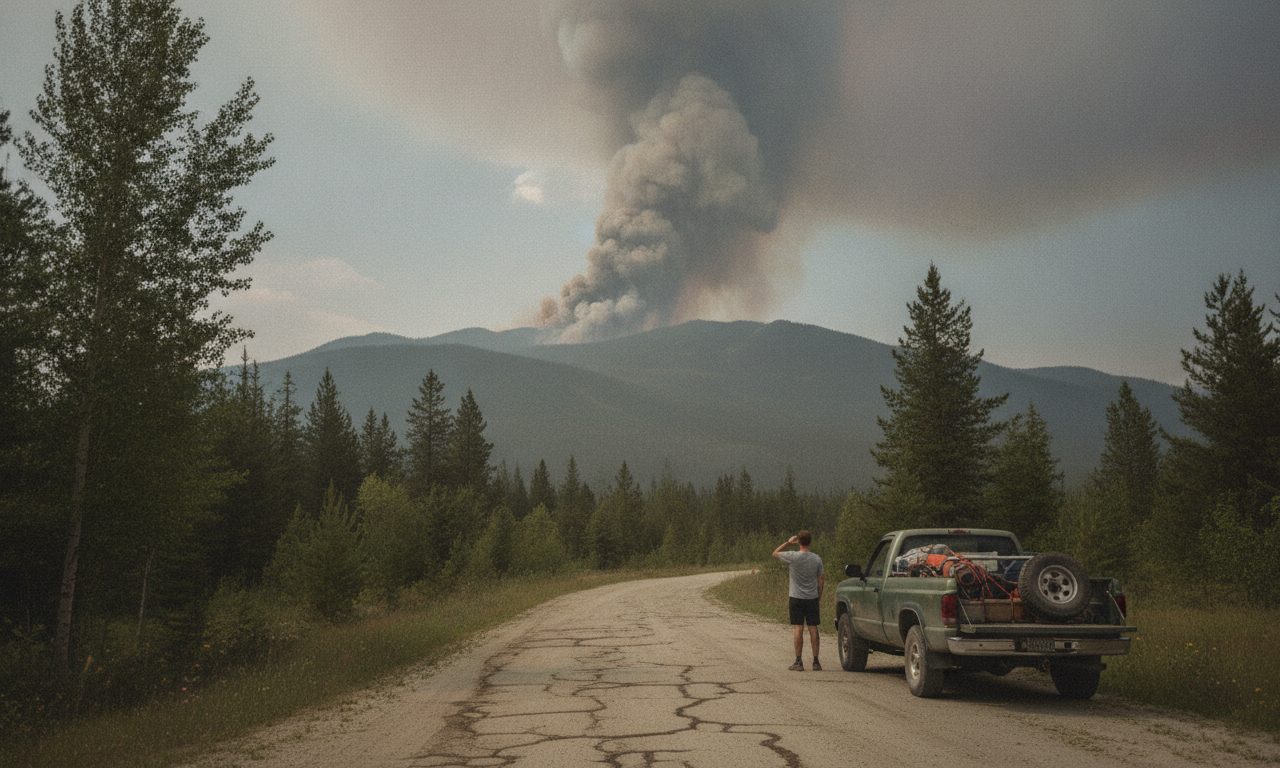
Four Wildfires Out of Control Near Tulameen
Four out-of-control wildfires are actively burning in the region bounded by the Coquihalla Highway, Highway 3, and Highway 5A following weekend thunderstorm activity. According to information updated Monday morning (Aug. 24), three of these blazes are situated west of Tulameen.
The largest fire in the area spans 12.17 hectares near Lower Mount Rabbit along Lawless Creek Forest Service Road, based on a BC Wildfire Service update from 5:16 p.m. on Sunday, Aug. 23. Nearby, an additional out-of-control fire covering roughly four hectares was spotted just off Holm Creek, while a 0.3-hectare blaze continues to burn north of the Murphy Lakes West Recreation Site. Further east, a 1.1-hectare wildfire remains out of control along Voght Valley Road, situated west of Highway 5A.
Extinguished Blazes and Regional Wildfire Totals
Crews have made progress on several other starts linked to the same storm. Firefighters have successfully controlled three lightning-sparked fires: a 0.4-hectare blaze south of Britton Creek, another 0.4-hectare fire located between Coalmont Road and Mark Creek, and a minor 0.009-hectare spot fire beside Missezula Lake North. Additionally, a 0.009-hectare fire west of the Coquihalla Highway—situated west of July Creek and south of Juliet Creek—is officially classified as being held.
The BC Wildfire Service suspects that lightning from the weekend storms caused all seven or eight fires in the vicinity. Alberni Valley News, Tofino-Ucluelet Westerly News, Vernon Morning Star, and Penticton Western News all reported that lightning caused all the fires.
Across British Columbia, 184 wildfires are currently active. Official figures show 64 are out of control—including four designated as wildfires of note—while 55 are being held and 65 remain under control. Over the preceding 24-hour window, 63 new fires ignited across the province, whereas 44 active fires were officially declared out.



LOCAL
Why B.C. Lions Fans Are Celebrating After Four Straight Wins at BC Place
Nathan Rourke threw two touchdowns as the B.C. Lions defeated the Saskatchewan Roughriders 30-16 at BC Place for their fourth straight win.

Lions Secure Fourth Consecutive Victory
A crowd of 30,083 spectators gathered at BC Place Stadium on Sunday to watch the B.C. Lions defeat the Saskatchewan Roughriders 30-16. The victory marks B.C.’s fourth consecutive win, bringing their record to 5-5 and placing them in a tie with the Winnipeg Blue Bombers for third place in the CFL’s West Division.
Quarterback Nathan Rourke guided the Lions’ offense, connecting on 22 of 28 pass attempts for 355 yards, throwing two touchdowns and one interception. B.C. pulled away during the third quarter by posting two major scores, starting with a four-yard touchdown pass from Rourke to Keon Hatcher Sr. that followed a 33-yard sideline gain by Zander Horvath. Shortly after, Stanley Berryhill hauled in a pass between two defenders for a 58-yard advance, setting up a one-yard touchdown run by Horvath. The score was Horvath’s seventh touchdown across his last four appearances, including six on the ground.
Saskatchewan Stumbles Over Turnovers and Penalties
The defending Grey Cup champion Roughriders dropped their second game in a row to fall to 6-4, though they maintain second place in the division. Saskatchewan committed seven penalties totaling 72 yards while relinquishing multiple turnovers that snuffed out scoring opportunities. Quarterback Trevor Harris completed 28 of 42 passes for 356 yards, throwing one touchdown pass to Dhel Duncan-Busby in the fourth quarter alongside two interceptions.
Saskatchewan missed early opportunities when an underthrown pass in the end zone was intercepted by T.J. Lee, and a potential game-tying 49-yard play to Quali Conley was negated by an illegal block. Deontai Williams also forced a turnover by stripping the ball from Johnny Johnson III after a 36-yard reception. Additional third-quarter setbacks for the Roughriders included a touchdown on a fumbled punt recovery that was wiped out by a no-yards penalty, an interception negated by an offside call, and a later drive to the Lions’ 25-yard line that ended with another interception. Jaxon Ford later recorded an interception for Saskatchewan, setting up their lone touchdown drive.
Early Scoring Exchange
B.C. logged the game’s opening touchdown early in the second quarter. Following a 13-yard run by James Butler and a 24-yard reception by Jevon Cottoy, Rourke threw a 23-yard touchdown pass to Cottoy to build a 13-6 advantage prior to their third-quarter surge.
COMMUNITY
Why Okanagan Residents Are Being Urged to Rethink Water Use and Waste as Droughts Worsen
Climate change and rising temperatures disrupt the Okanagan water cycle, causing severe drought and threatening aquatic ecosystems and salmon populations.
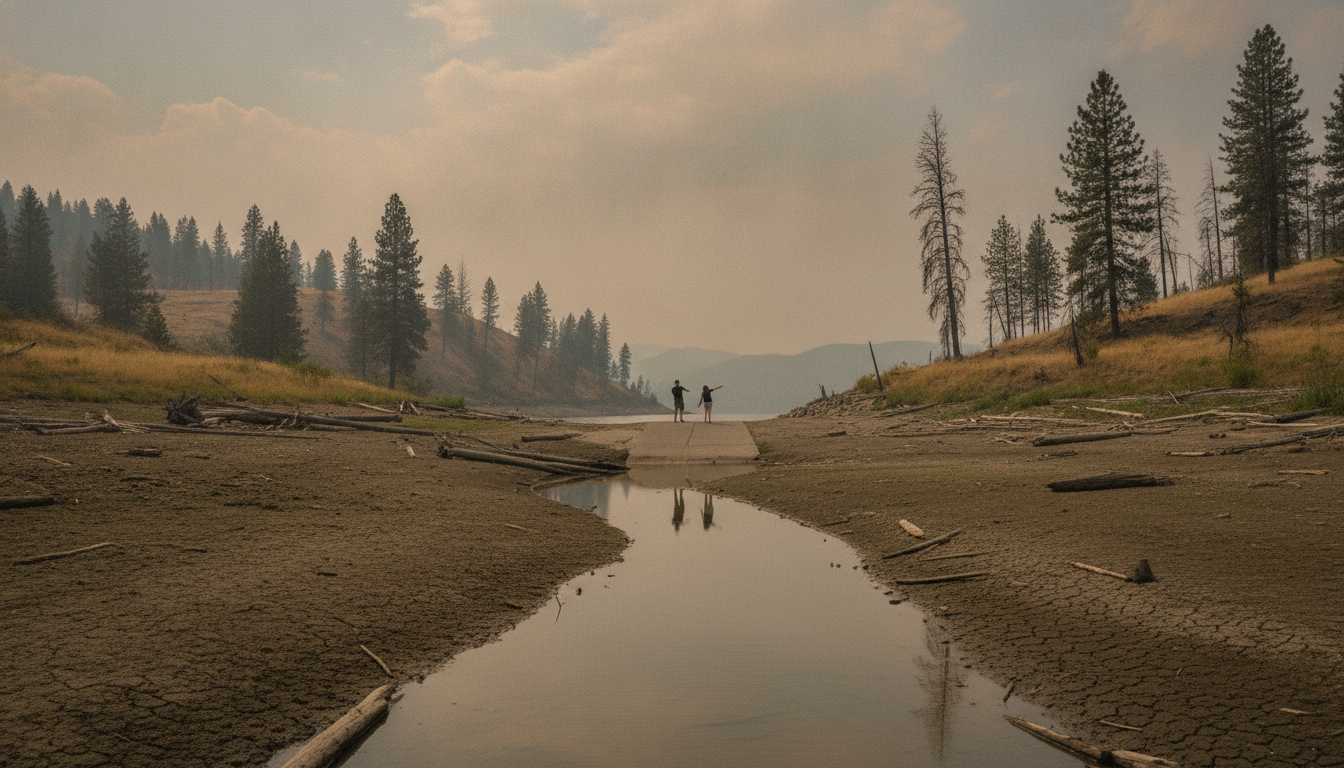
Changing Climate Alters Regional Water Cycle
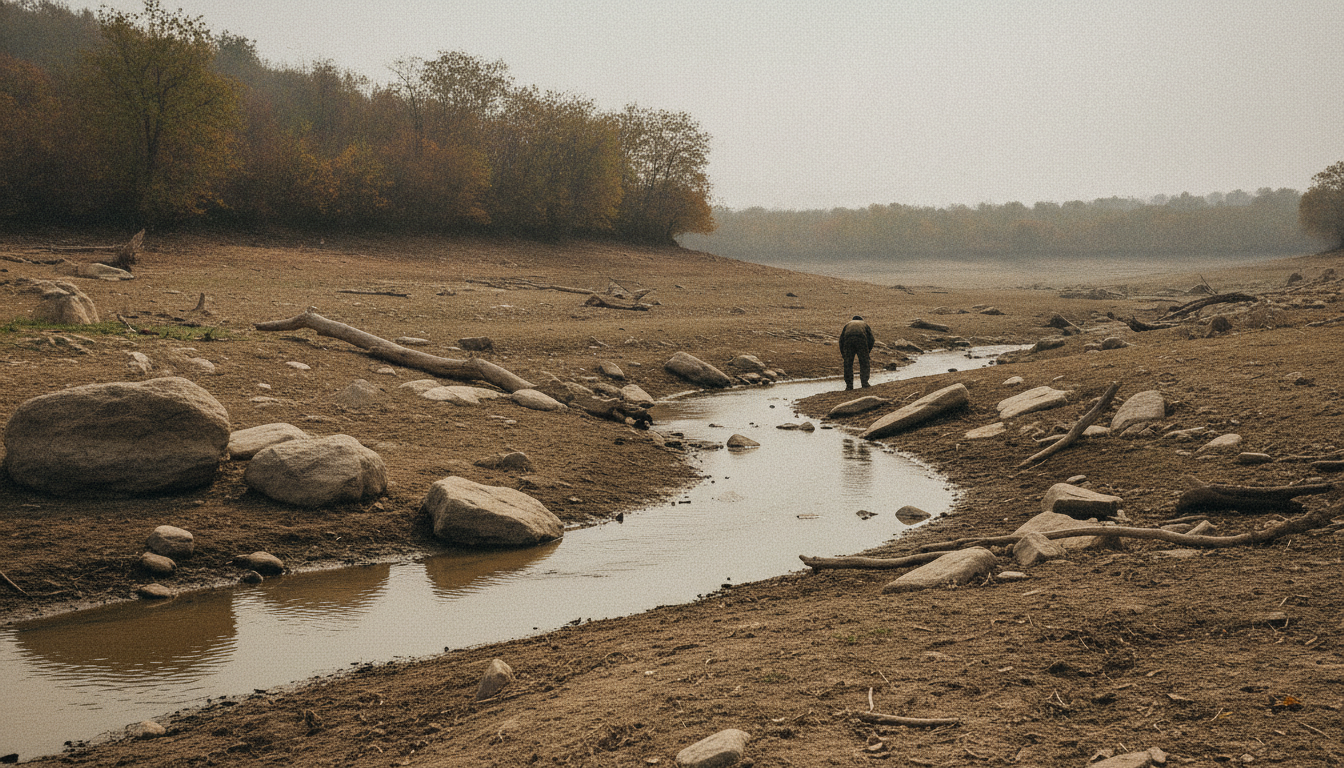
Depleted water levels in the Okanagan are threatening aquatic ecosystems and putting additional stress on local salmon populations. Warmer temperatures and changing climate patterns are leading to smaller amounts of snow and rain, earlier snowmelts, and longer, drier summers across the region. Local water systems face severe drought and potential desertification if withdrawals exceed what nature naturally replenishes each year.
Human Activity and Extreme Weather Patterns
Greenhouse gases—including nitrous oxide from synthetic fertilizers, methane from livestock and decomposing garbage, and emissions from burning fossil fuels—continue to trap atmospheric heat. As air molecules warm up, they move faster and more erratically, creating conditions that drive longer, more severe, and more frequent extreme weather events. While heavy downpours cause flooding in certain regions, escalating heat and prolonged dry spells spark massive wildfires locally.
Reframing Waste and Personal Responsibility
Deteriorating natural environments, wetland destruction, deforestation, and pollution further reduce the capacity of long-established ecosystems to adapt to rapid warming. Addressing these challenges requires shifts in societal attitudes regarding affluence, consumption, and waste. Developing nations and wealthier societies often generate the most pollution and trash, whereas other cultures prioritize reusing materials. Local residents are encouraged to reconsider everyday habits, consume less, and spend time outdoors to better connect with nature.
Local Initiatives Offer Educational Resources
Community members seeking practical ways to reduce their environmental footprint can access regional tools. Resources such as Vernon’s Climate Action Plan at Vernon.ca/climate-action outline municipal initiatives and offer guidance for residents. Additionally, okanaganclimate.ca provides detailed information on how global warming directly affects the Okanagan region.
COMMUNITY
Why Are we Being Urged to Rethink Water Use and Waste as Droughts Worsen
Climate change and rising temperatures disrupt the Okanagan water cycle, causing severe drought and threatening aquatic ecosystems and salmon populations.
Changing Climate Alters Regional Water Cycle
Depleted water levels in the Okanagan are threatening aquatic ecosystems and putting additional stress on local salmon populations. Warmer temperatures and changing climate patterns are leading to smaller amounts of snow and rain, earlier snowmelts, and longer, drier summers across the region. Local water systems face severe drought and potential desertification if withdrawals exceed what nature naturally replenishes each year.
Human Activity and Extreme Weather Patterns
Greenhouse gases—including nitrous oxide from synthetic fertilizers, methane from livestock and decomposing garbage, and emissions from burning fossil fuels—continue to trap atmospheric heat. As air molecules warm up, they move faster and more erratically, creating conditions that drive longer, more severe, and more frequent extreme weather events. While heavy downpours cause flooding in certain regions, escalating heat and prolonged dry spells spark massive wildfires locally.
Reframing Waste and Personal Responsibility
Deteriorating natural environments, wetland destruction, deforestation, and pollution further reduce the capacity of long-established ecosystems to adapt to rapid warming. Addressing these challenges requires shifts in societal attitudes regarding affluence, consumption, and waste. Developing nations and wealthier societies often generate the most pollution and trash, whereas other cultures prioritize reusing materials. Local residents are encouraged to reconsider everyday habits, consume less, and spend time outdoors to better connect with nature.
Local Initiatives Offer Educational Resources
Community members seeking practical ways to reduce their environmental footprint can access regional tools. Resources such as Vernon’s Climate Action Plan at Vernon.ca/climate-action outline municipal initiatives and offer guidance for residents. Additionally, okanaganclimate.ca provides detailed information on how global warming directly affects the Okanagan region.
Police Seek Witnesses One Year After Body Found in Burned Vehicle Near Kamloops
Anti-Gang Police Seize Drugs and Weapons After Shifting Focus to Help Penticton Wildfire Evacuations
The week ahead in West Coast: Mon 24 — Sun 30 August
Why two B.C. MLAs are stepping away to build a new option for ‘politically homeless’ voters
Why B.C. Lions Fans Are Celebrating After Four Straight Wins at BC Place
What the Canada-U.S. Trade Breakout Means for B.C. Consumers and Businesses

Opinion: John Rustad Has to Go

B.C. Supreme Court Grants Cowichan Tribes Title to Historic Richmond Lands and Fishing Rights

Vancouver Canucks Gear Up for a Make-or-Break 2025–26 Season

Kamloops Blazers Announce Off-Season Changes Ahead of 2025–26 Season

BC Ferries Sparks Outcry Over Contract with Chinese Shipyard

A Taste of Autumn: Fall Okanagan Wine Festival 2025
-

 OPINIONS7 days ago
Canada’s Conservative Influencers Are Fighting for the Future of the Movement
-
WORLD7 days ago
Unused Launchers Expose Ukraine’s Severe Patriot Missile Shortage
-
 BC STORIES7 days ago
What Residents and Boaters Need to Know as Crews Target Bradley Creek Wildfire Hot Spots
-
 LOCAL7 days ago
Residents told to prepare for return home as fire crews make progress on Quilpituk Creek blaze
-
 BC STORIES6 days ago
A 1970 Orca Escape Led to 13 Wild Calves — Now an Author Is Searching for the Person Who Freed Them
-
NATIONAL STORIES7 days ago
Clock Ticks Toward Midnight Tariffs as Canada-U.S. Trade Talks Reach Critical Stage
-

 BC STORIES7 days ago
How Enjoying an Ice Cream Treat Today Helps BC Children’s Hospital
-

 BC STORIES7 days ago
BC Lions Extend Winning Streak to Three After Thrilling Fourth-Quarter Comeback Against Stampeders