Africa
Deadly Bundibugyo Outbreak in Congo Outpacing Global Response as Deaths Surge
The DRC’s Ebola Bundibugyo outbreak is outpacing global efforts with 220 dead. Lack of vaccines, funding cuts, and conflict create a perfect storm for catastrophe.

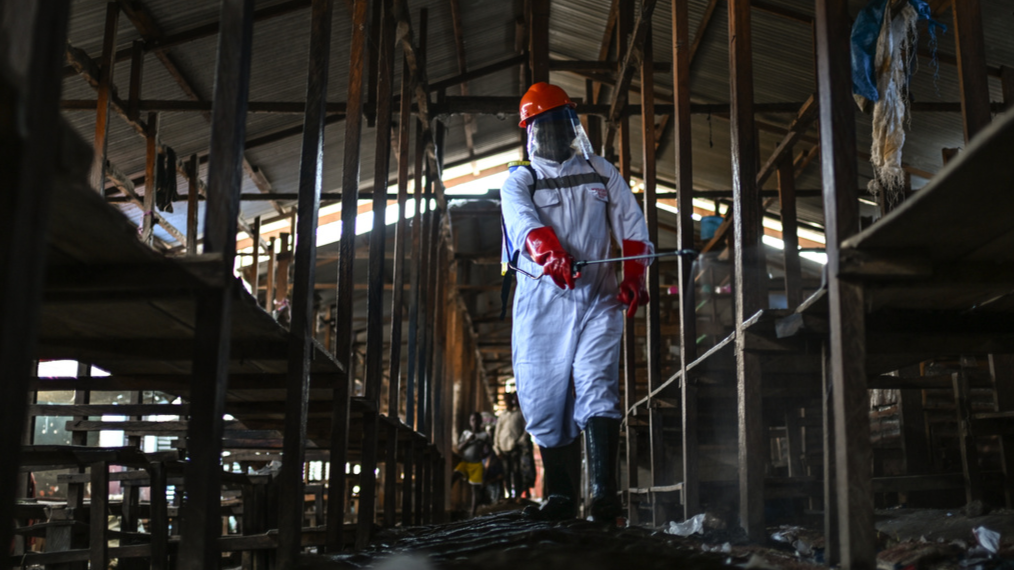
A Race Against Time in Ituri
The Democratic Republic of Congo is facing a catastrophic escalation in its latest Ebola outbreak, as health officials warn that the virus is spreading at a \”breakneck speed\” that has already overwhelmed international response efforts. Centered in the volatile Ituri province, the outbreak involves the rare Bundibugyo strain—a variant for which there is currently no approved vaccine or effective medical treatment. According to the World Health Organization (WHO), the crisis has already claimed an estimated 220 lives out of 900 suspected cases, with the virus now confirmed to have crossed the border into neighboring Uganda.
The Critical Gap in Contact Tracing
Leaked documents from a high-level coordination meeting between the WHO and the Africa Centres for Disease Control and Prevention (Africa CDC) reveal a terrifying reality: the response is weeks behind the virus’s trajectory. As of last week, only 7 percent of the over 1,200 identified contacts of suspected patients had been tracked. That number of potential exposures has since risen to more than 2,000, yet the majority remain unmonitored. Experts point out that the virus circulated undetected for six weeks before the first official report, giving it a massive head start in a region already destabilized by conflict.
A Perfect Storm of Funding and Fear
The global health response is struggling under the weight of several systemic failures. The withdrawal of the United States from the WHO and significant cuts to international aid have left a leadership vacuum and a shortage of essential resources, from fuel for transport vehicles to specialized diagnostic tests. Locally, health workers face violent resistance; hospitals have been attacked and isolation units burned by communities wary of outside intervention. This mistrust, coupled with the absence of modern vaccines, has forced medical teams like Mdecins Sans Frontires to return to the \”basics\” of containment used decades ago.
Lessons from the Past
Comparison to the devastating 2014-2016 West African epidemic is inevitable. Epidemiologists warn that unless funding and personnel increase immediately, the current situation in the DRC could mirror the tragedy of the past, where fear led families to hide the sick, further fueling the contagion. With healthcare workers already among the casualties, every day without a fully resourced response allows the virus to claim more ground in one of the world’s most vulnerable regions.

Tensions Surge as US Strikes Iranian Targets Amid High-Stakes Nuclear Negotiations
Deadly Bundibugyo Outbreak in Congo Outpacing Global Response as Deaths Surge
CFL Scores Historic $500 Million Media Rights Deal with Bell Media, DAZN, and YouTube
UBC Dementia Research Receives $500,000 Boost for Revolutionary Blood-Based Testing
The Strategic Edge: Why Sleep Is the Executive’s Most Underutilized Asset
A Geopolitical Shift: Canada and Germany Strike Landmark 20-Year LNG Export Deal

Opinion: John Rustad Has to Go

B.C. Supreme Court Grants Cowichan Tribes Title to Historic Richmond Lands and Fishing Rights

Vancouver Canucks Gear Up for a Make-or-Break 2025–26 Season

Kamloops Blazers Announce Off-Season Changes Ahead of 2025–26 Season

BC Ferries Sparks Outcry Over Contract with Chinese Shipyard

A Taste of Autumn: Fall Okanagan Wine Festival 2025
-
National News5 days ago
Confusion and Skepticism Mount Over Alberta’s Separation Referendum
-
Alberta News5 days ago
Elections Alberta Alleges Key Organizer Refuses Cooperation in Massive Voter Data Misuse Probe
-
Finance4 days ago
Oil Prices Pivot as U.S. Strikes in Iran Dampen Hopes for Diplomatic Breakthrough
-
Religion5 days ago
The Vatican’s Digital Crusade: Pope Leo XIV Issues Landmark AI Encyclical Warning Against ‘Opaque Algorithms’
-
Canadian News4 days ago
New National Study Reveals Hormonal Shifts Are Reshaping Identity for Majority of Canadian Women
-
Global Economy5 days ago
Strategic Patience: Trump Advises Negotiators Against Rushed Iran Agreement
-
Hockey5 days ago
Hurricanes Even Eastern Conference Final in Overtime Grinder Against Canadiens
-
BCNEWS4 days ago
Tim Hortons Pivots to Local Hiring Strategy Amid Rising Youth Unemployment and Fast-Food Competition